
“I wanted my papers and wanted to go home.”
John Johnson, describing the Judd office meeting where Locke-side men claimed he settled his account and accepted only a one-acre lease.

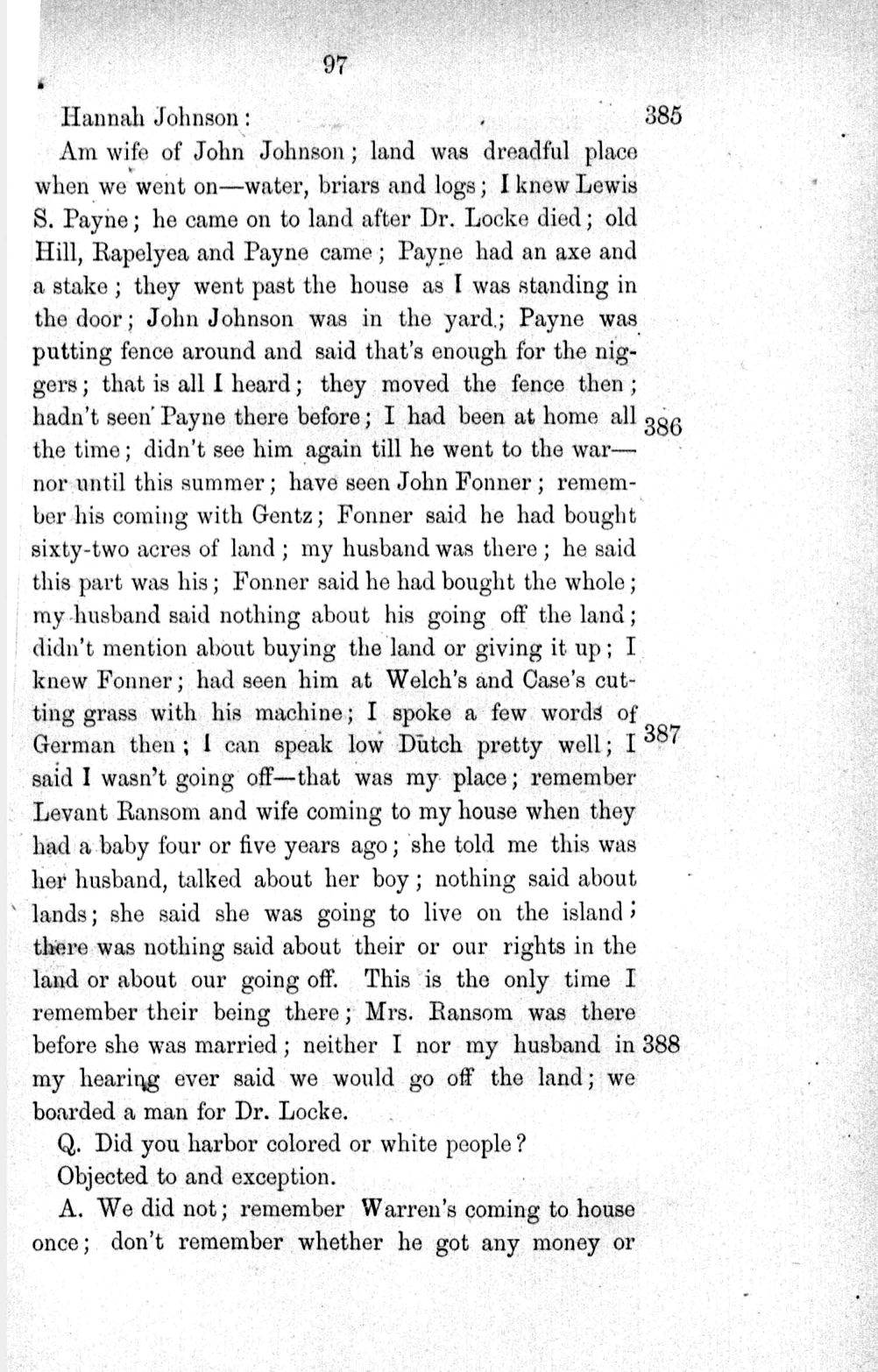
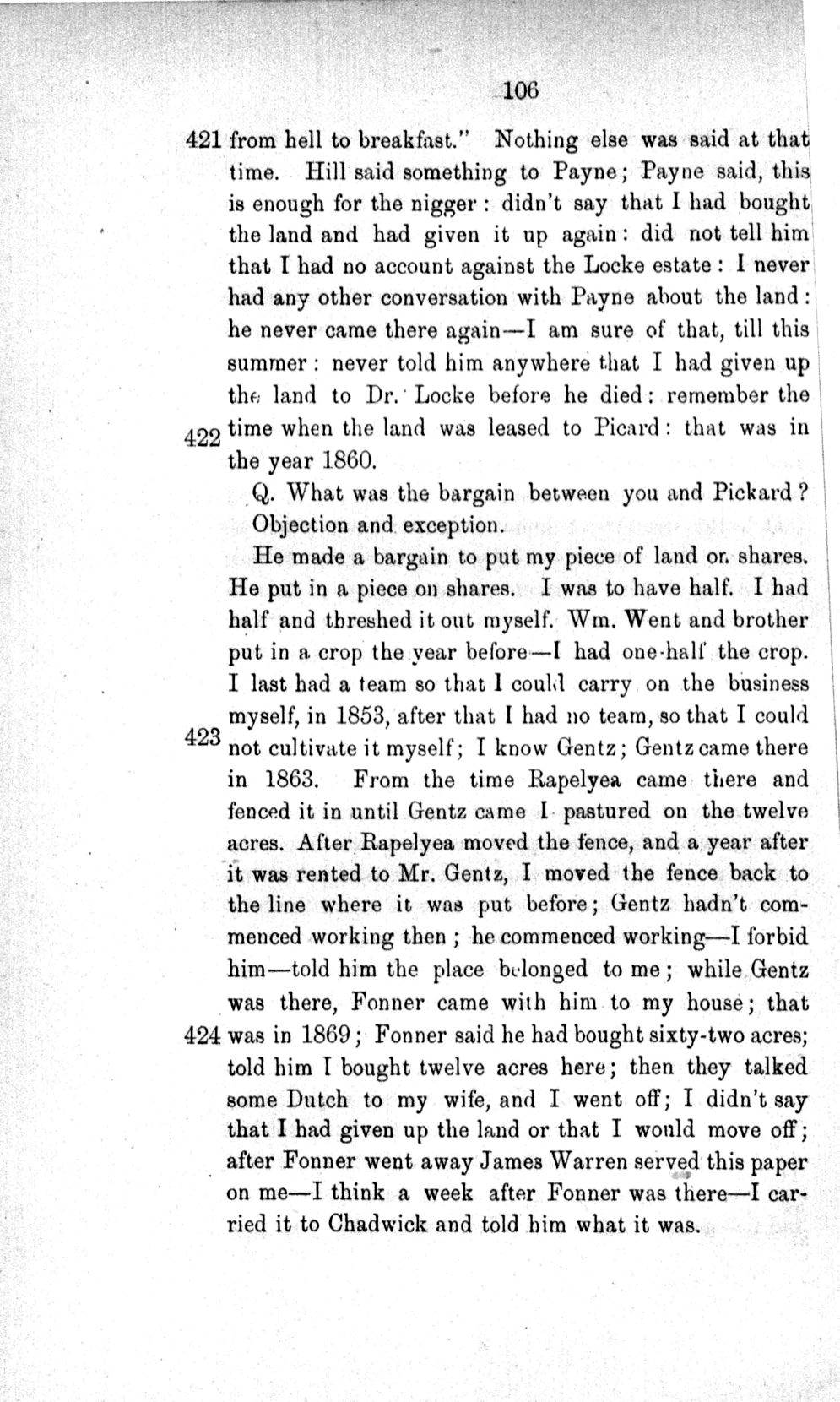
“I wasn’t going off—that was my place.”
Hannah Johnson, recalling her answer when John Fonner claimed the land had been sold to him. Another witness remembered the exchange taking place in German.
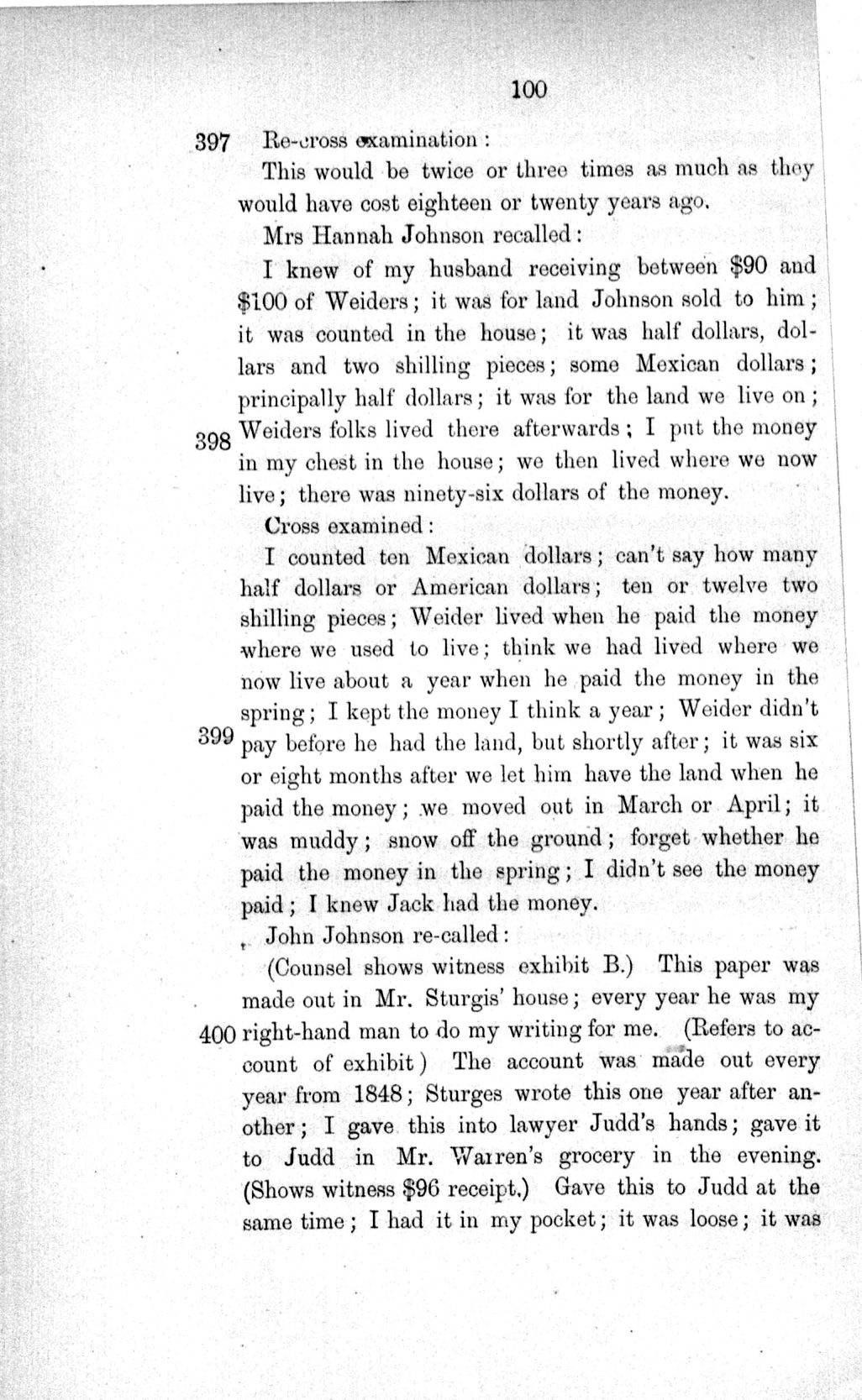
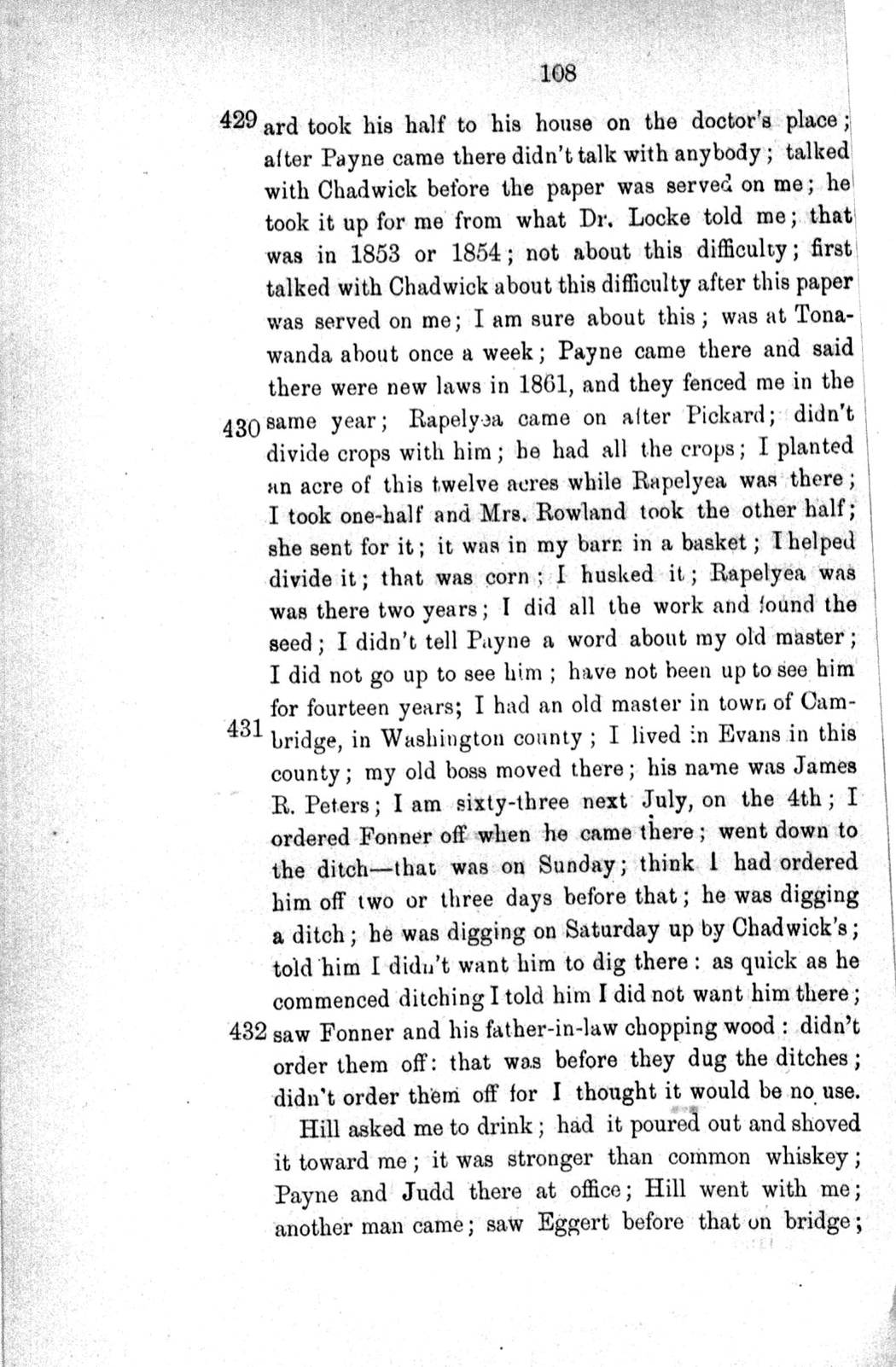
“I wanted my papers and wanted to go home.”
John Johnson, describing the Judd office meeting where Locke-side men claimed he settled his account and accepted only a one-acre lease.

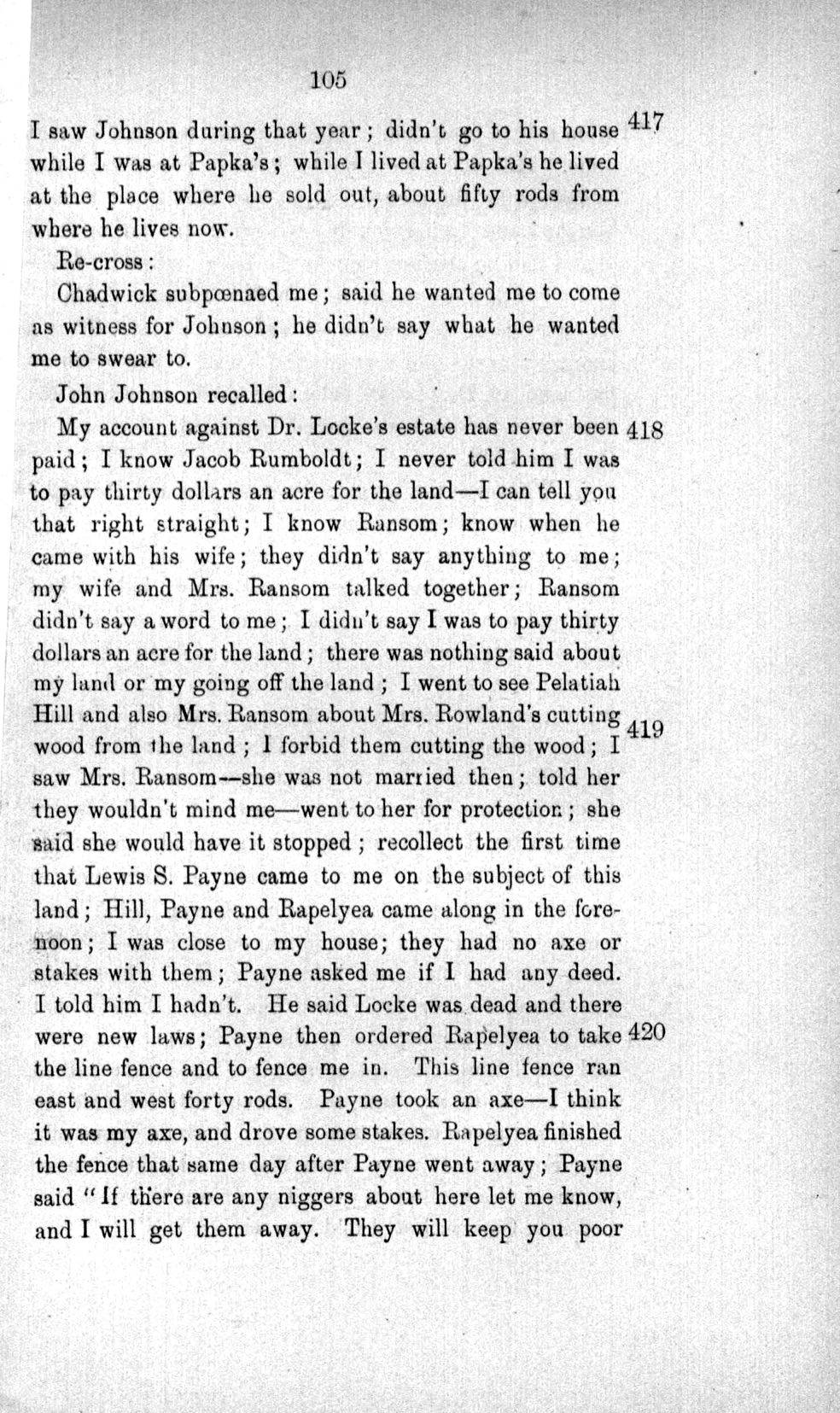
“Locke was dead, and there was new laws.”
John Johnson’s recollection of Lewis S. Payne’s explanation after Locke’s death, when Payne and others fenced the Johnsons down to one acre from twelve.
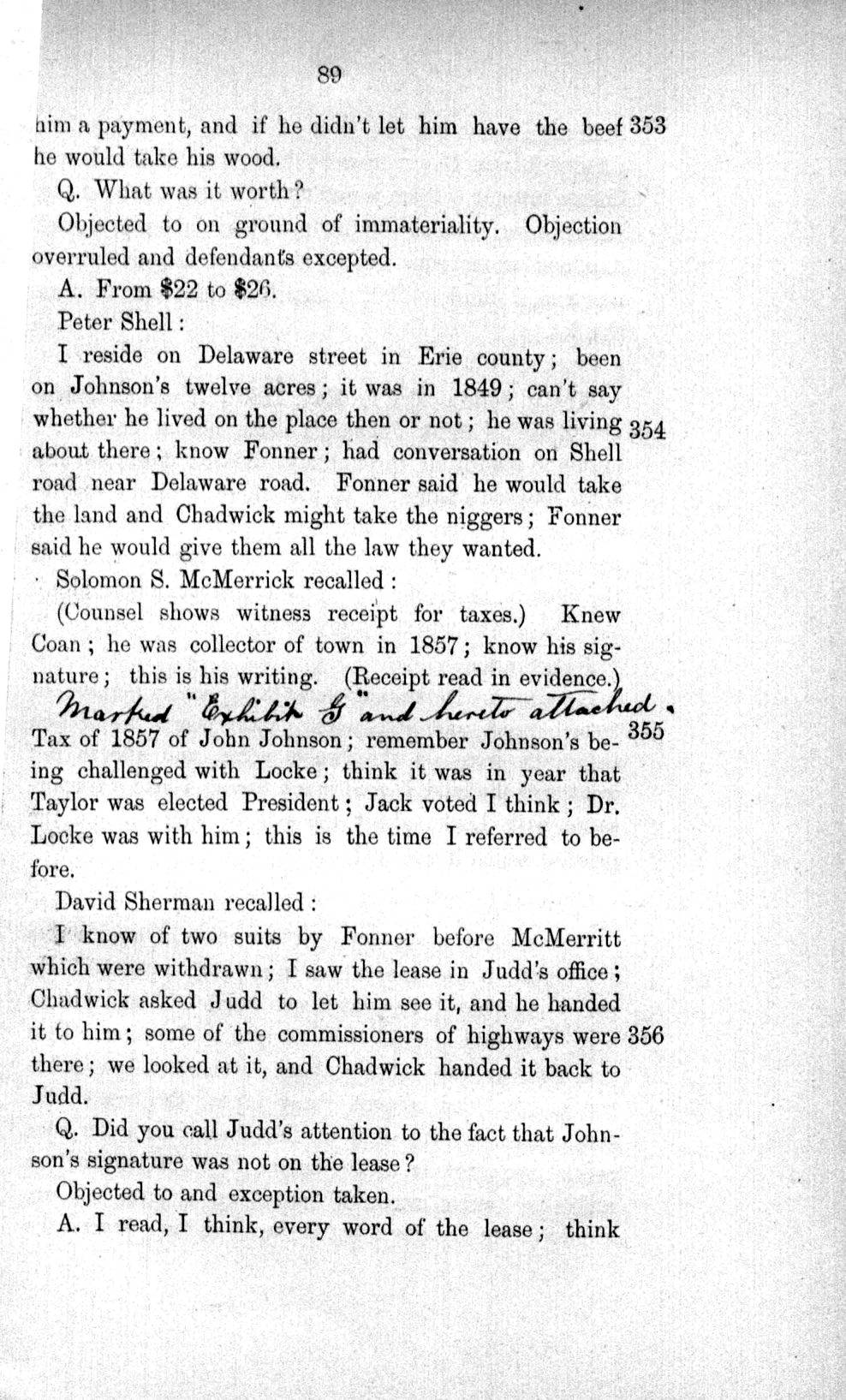
“He would take the land and Chadwick might take the niggers.”
Peter Shell’s testimony about what John Fonner said: a blunt statement of possession, racial contempt, and confidence that the fight would become legal.
Readers may know Hannah Johnson chiefly as “Black Hannah” from later North Tonawanda ghost stories. This collection of court records shows the historical conflict behind the legend.
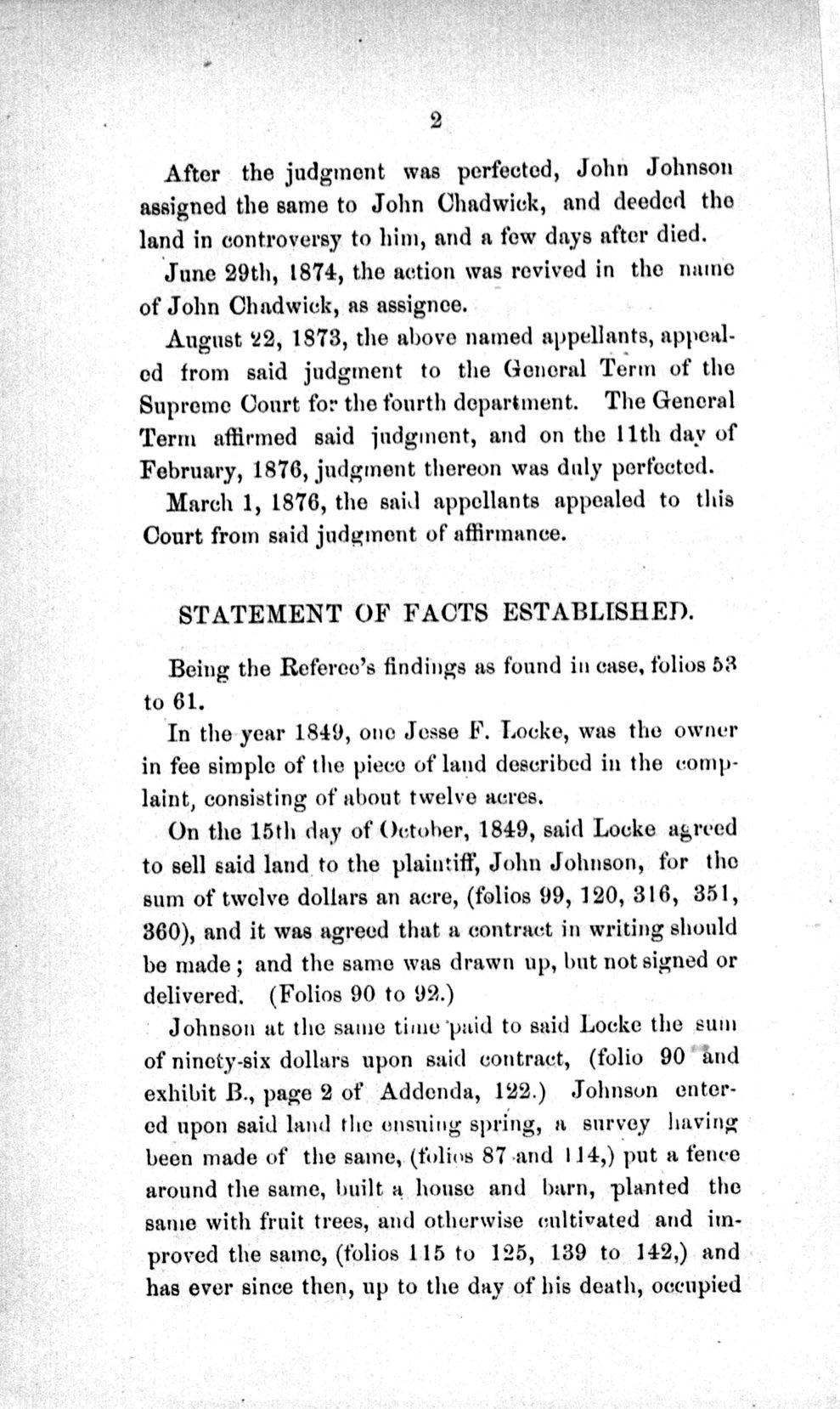
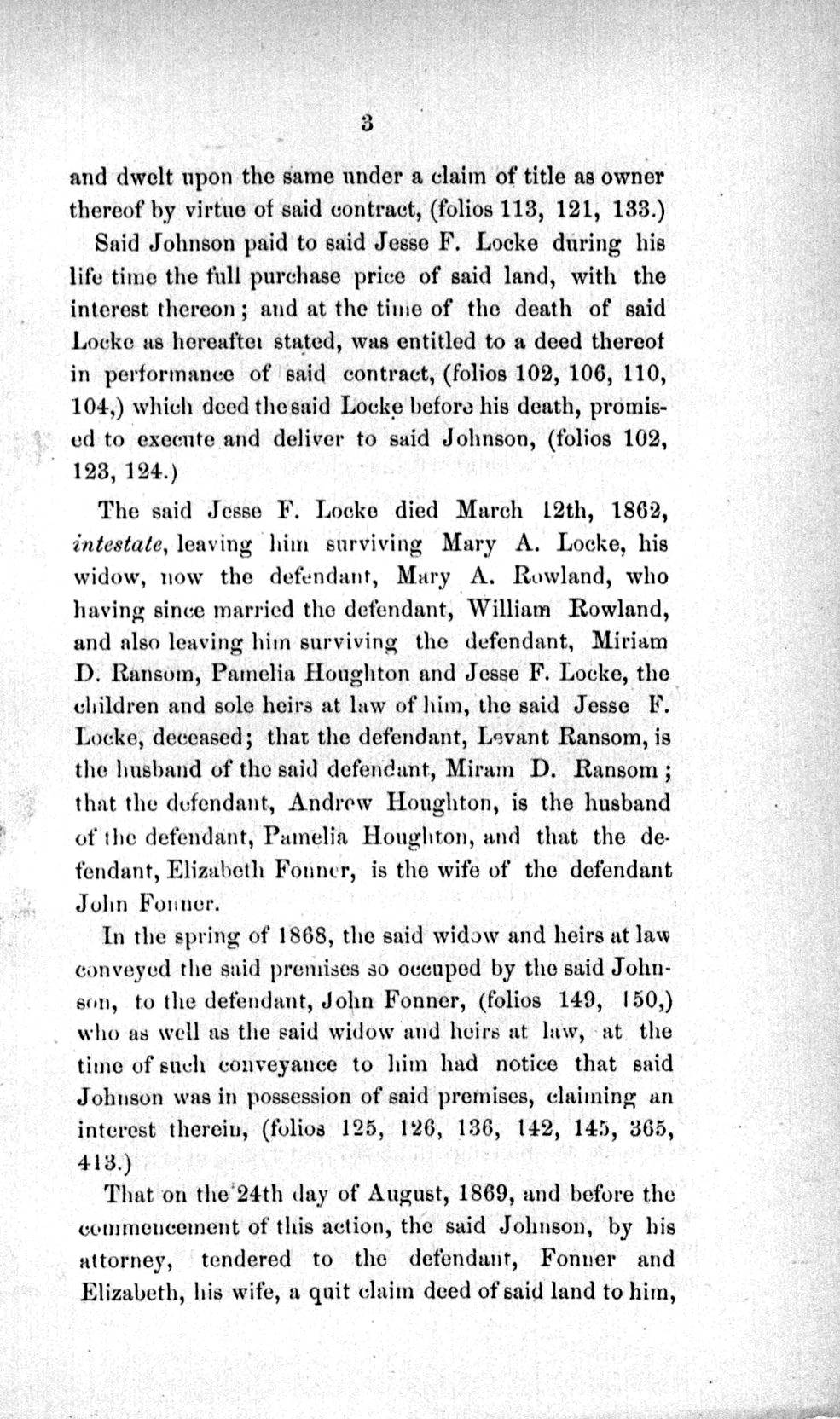
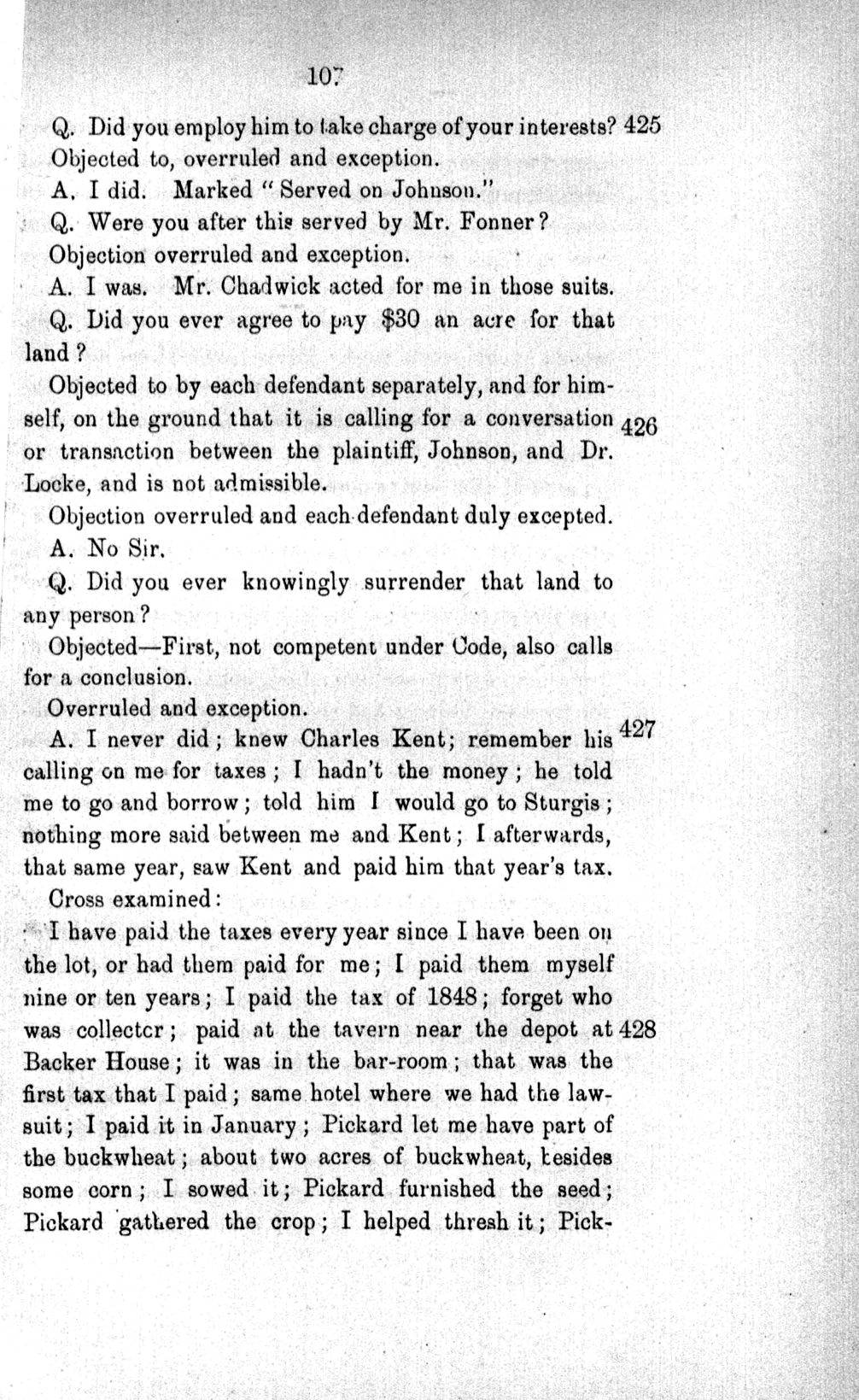
The case grew out of John and Hannah Johnson’s struggle to hold the twelve-acre home they believed John had bought from Dr. Jesse F. Locke in Wheatfield, New York. After Locke died without a will, his estate, heirs, tenants, and later purchaser John Fonner treated the Johnson place as something smaller and weaker than the Johnsons said it was: not twelve acres bought, paid for, and improved, but a shanty and a one-acre sufferance. The resulting lawsuit pulled neighbors, relatives, lawyers, estate men, tenants, tax collectors, and the Johnsons themselves into sworn testimony before E. C. Sprague, the court-appointed referee, beginning in 1870. Most witnesses were examined live; Peltiah Hill’s testimony came in as a written conditional deposition.
What emerges is not only a land case, but a dense local drama: memory against paperwork, racial contempt against neighborly courage, legal maneuvering against long possession, and John and Hannah Johnson insisting that the place was theirs.
The sections below follow the printed packet’s order. Use the table of contents to jump to a document section, then open any page image in its own viewer.
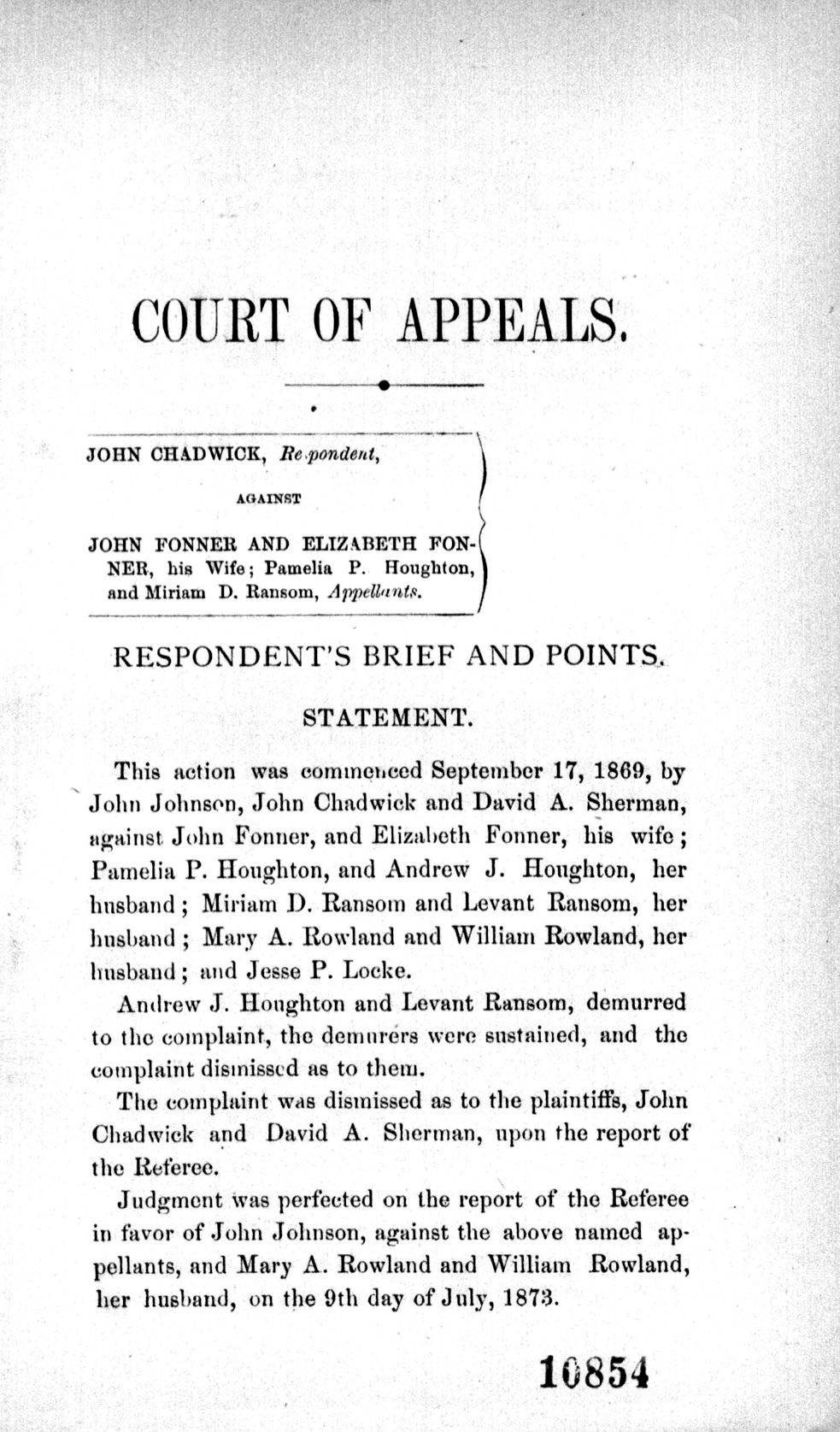
Notebook notes, the Court of Appeals title page, and the printed index to the case. These pages are unnumbered front matter in the scan, so they are not counted as packet pages.
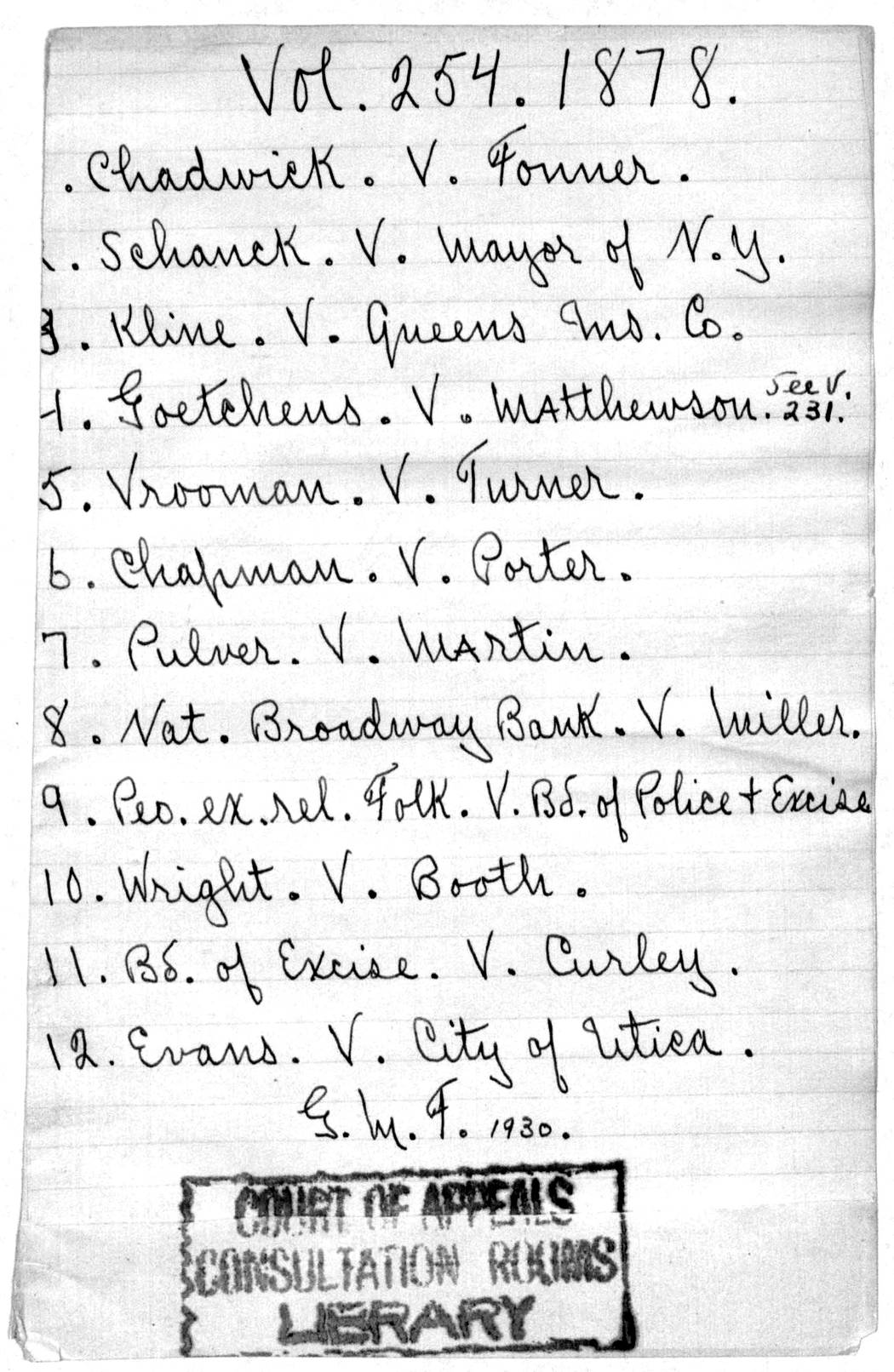
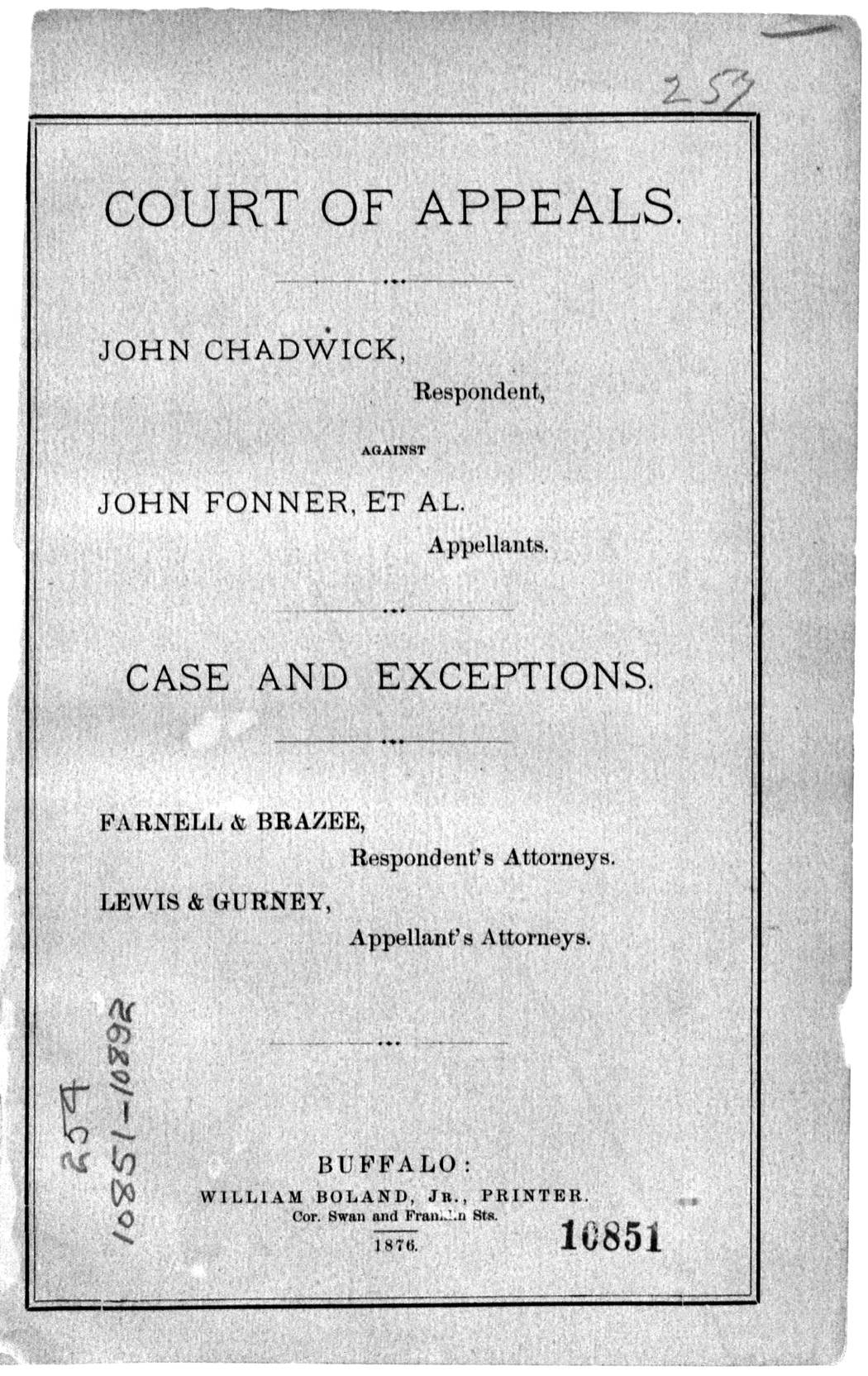
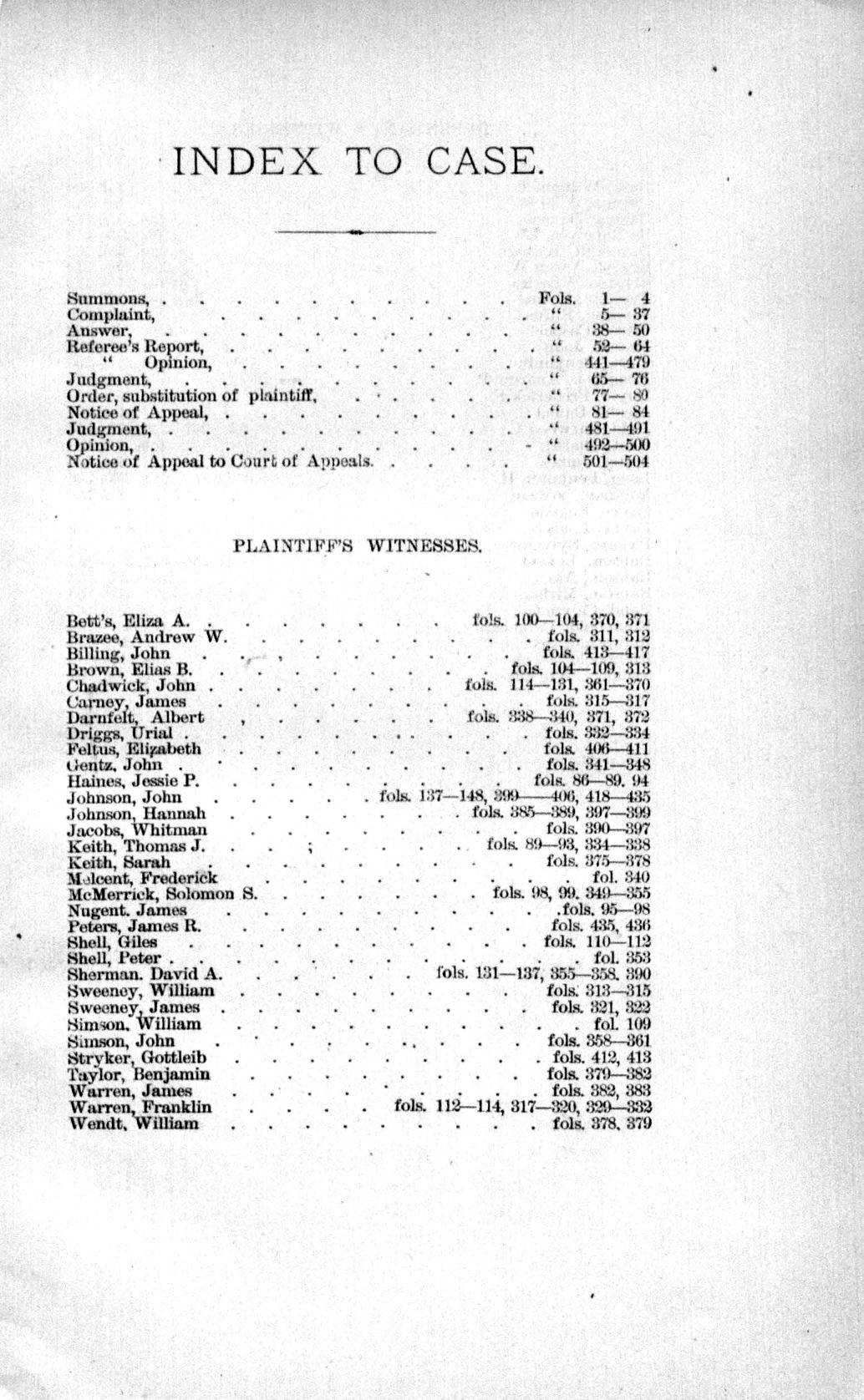
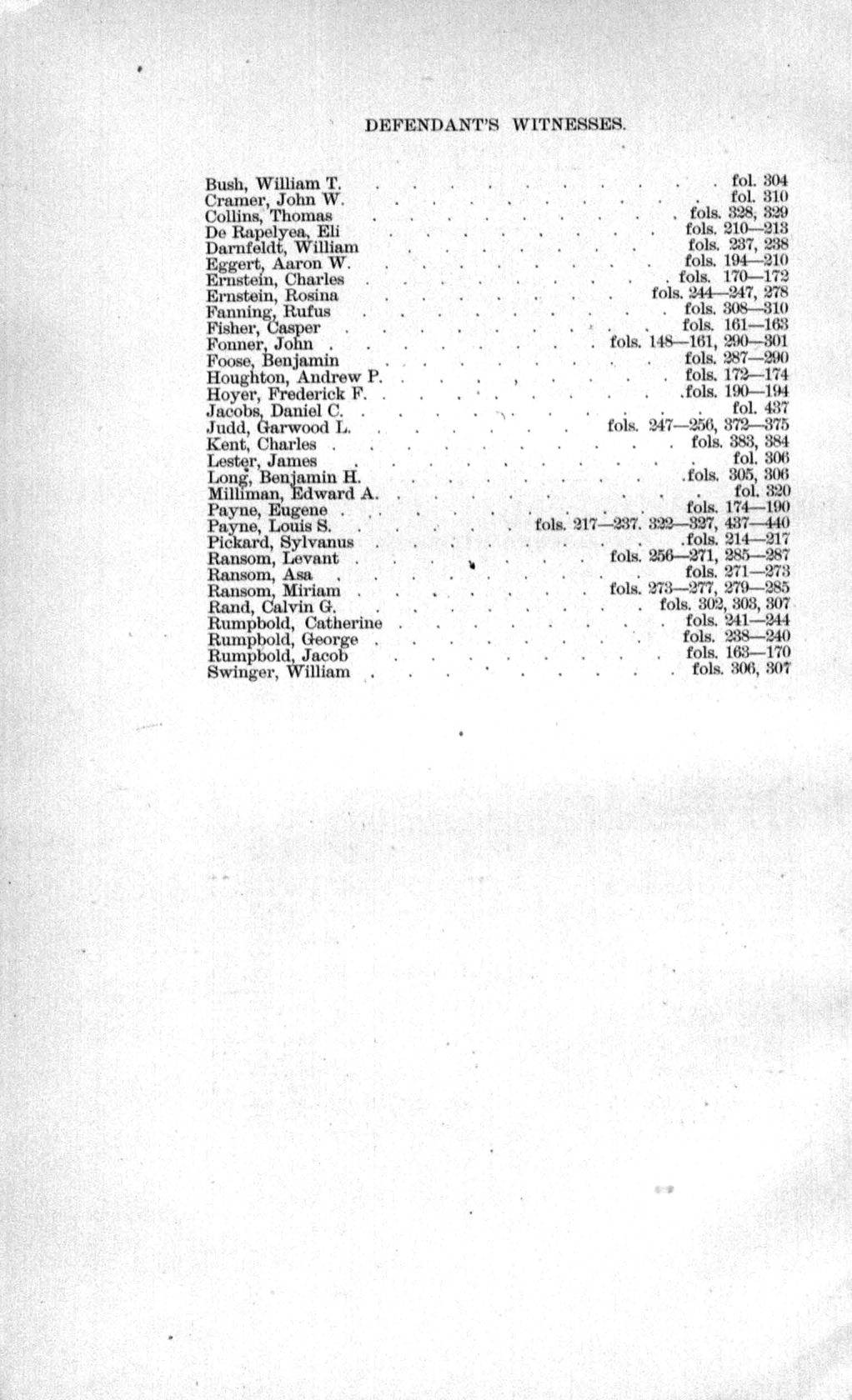
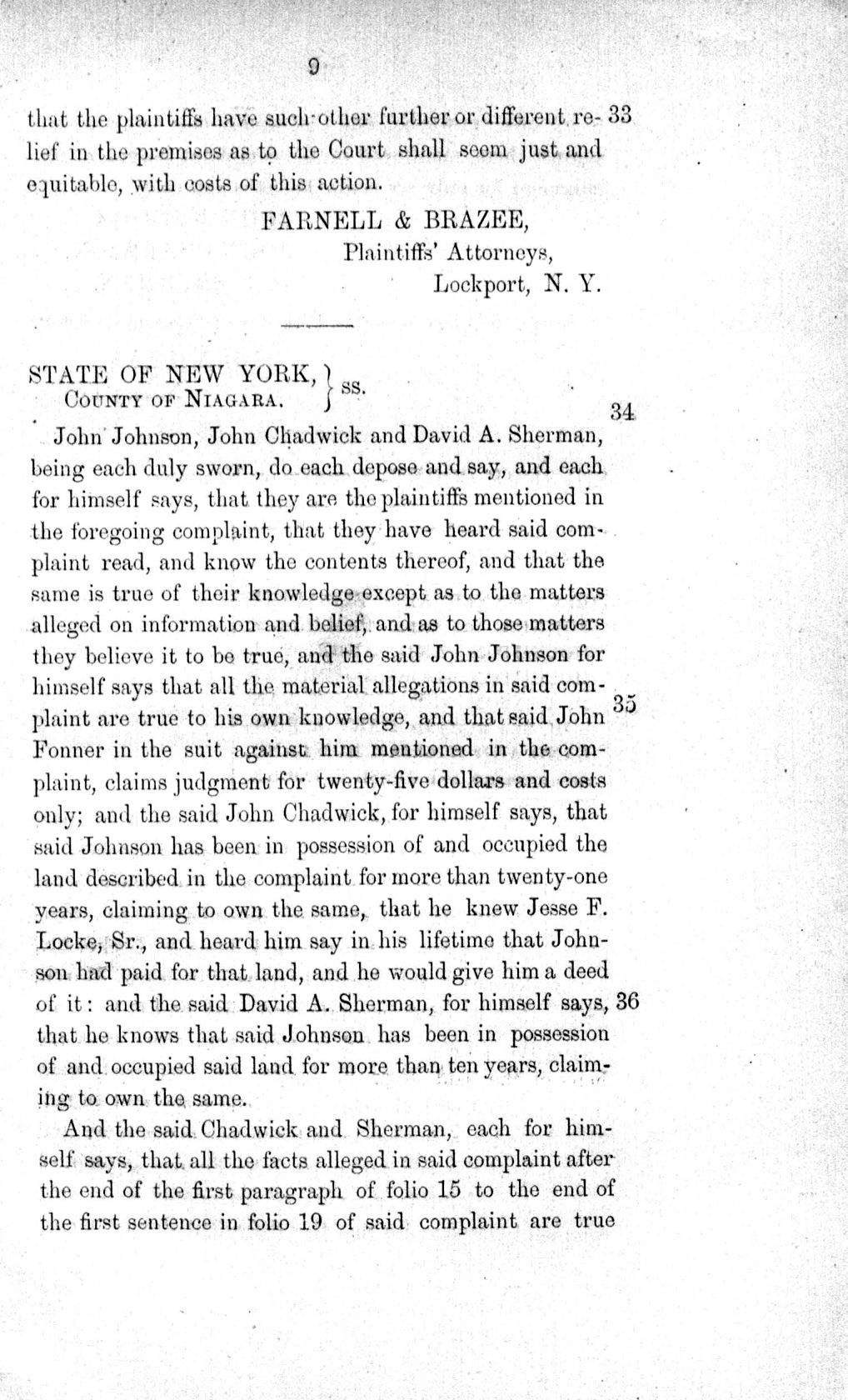
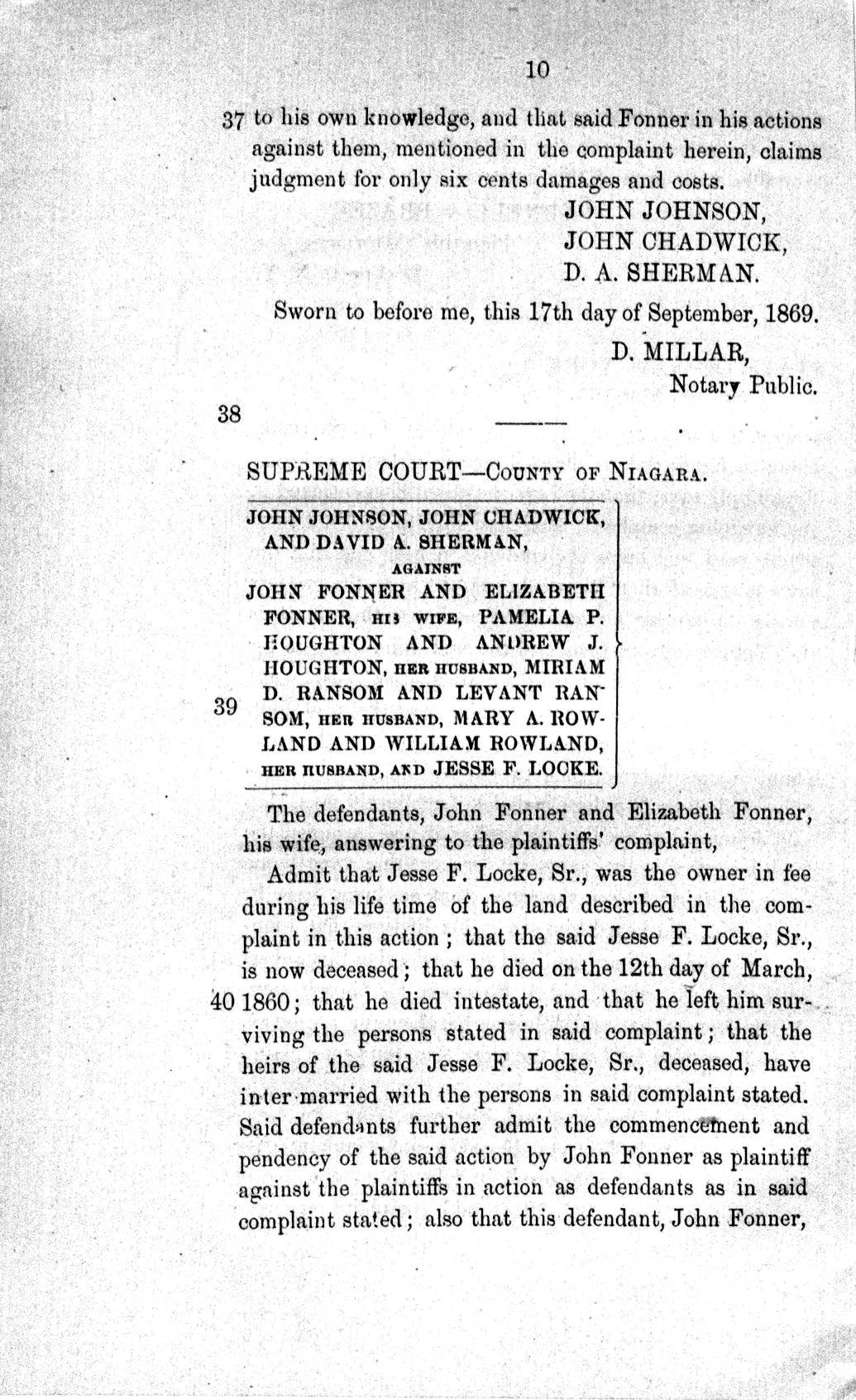
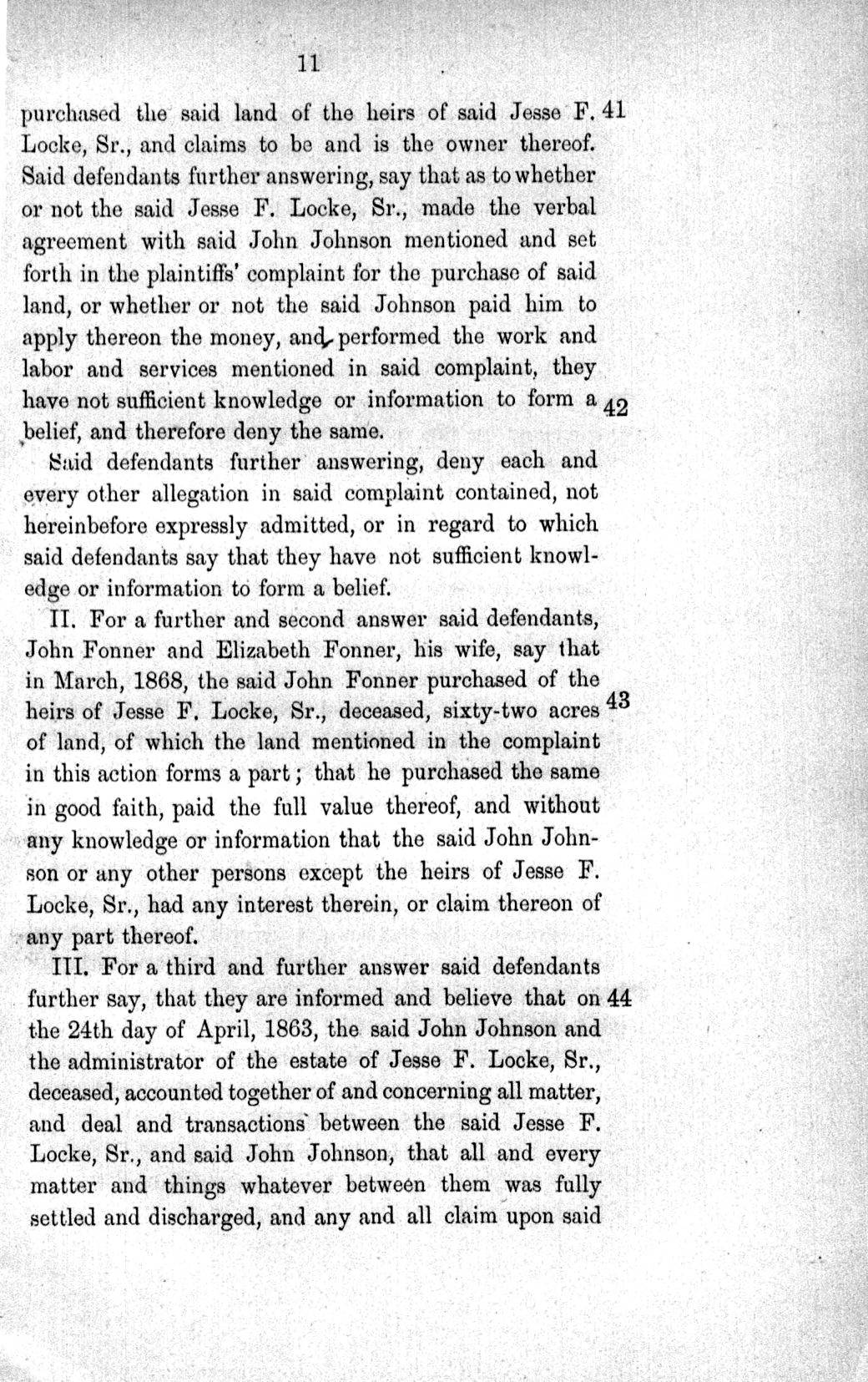
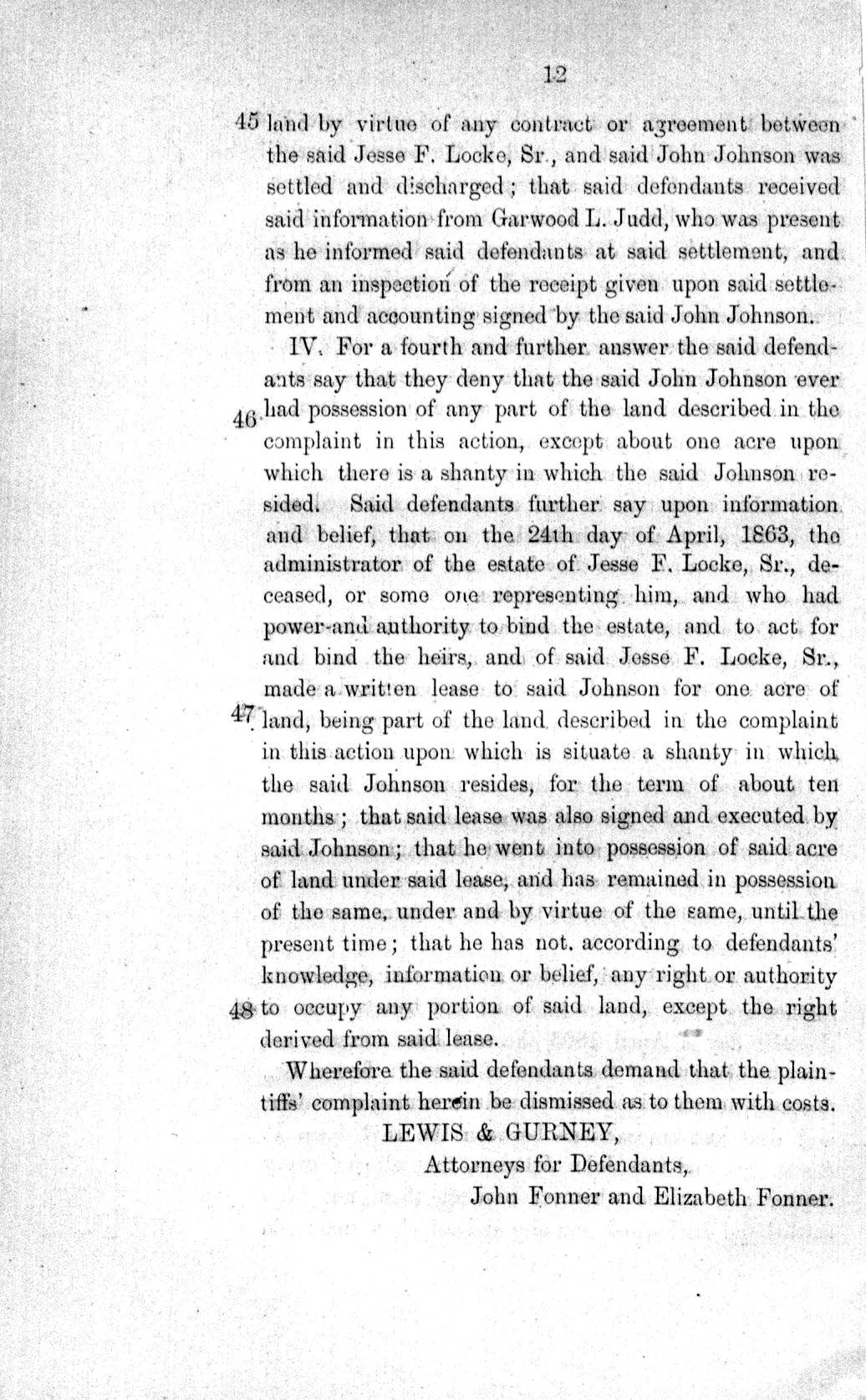
The summons, complaint, answer, and certifications that frame the dispute before testimony begins. Because the scan includes five front-matter images, packet page 1 appears as scan page 6.
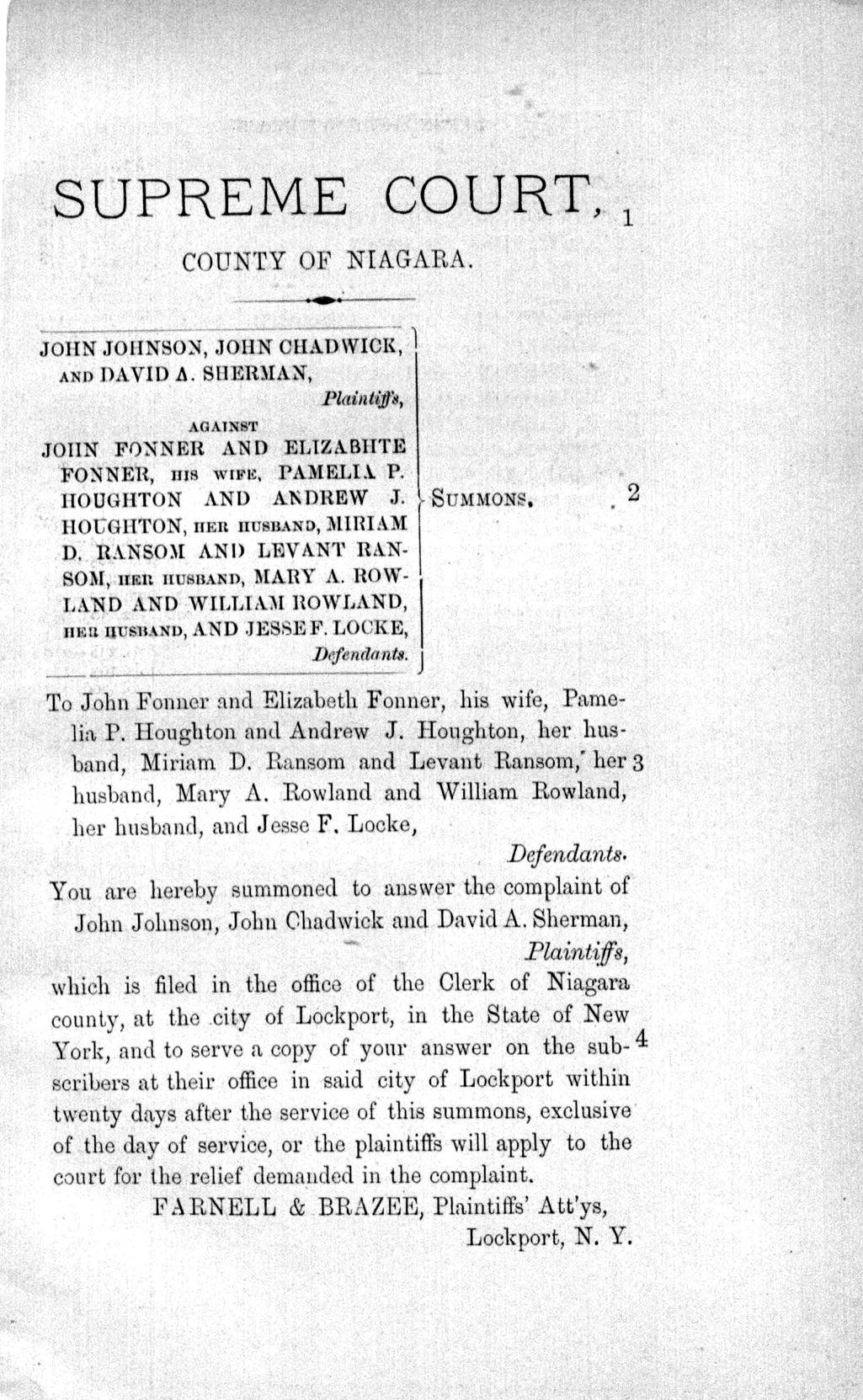
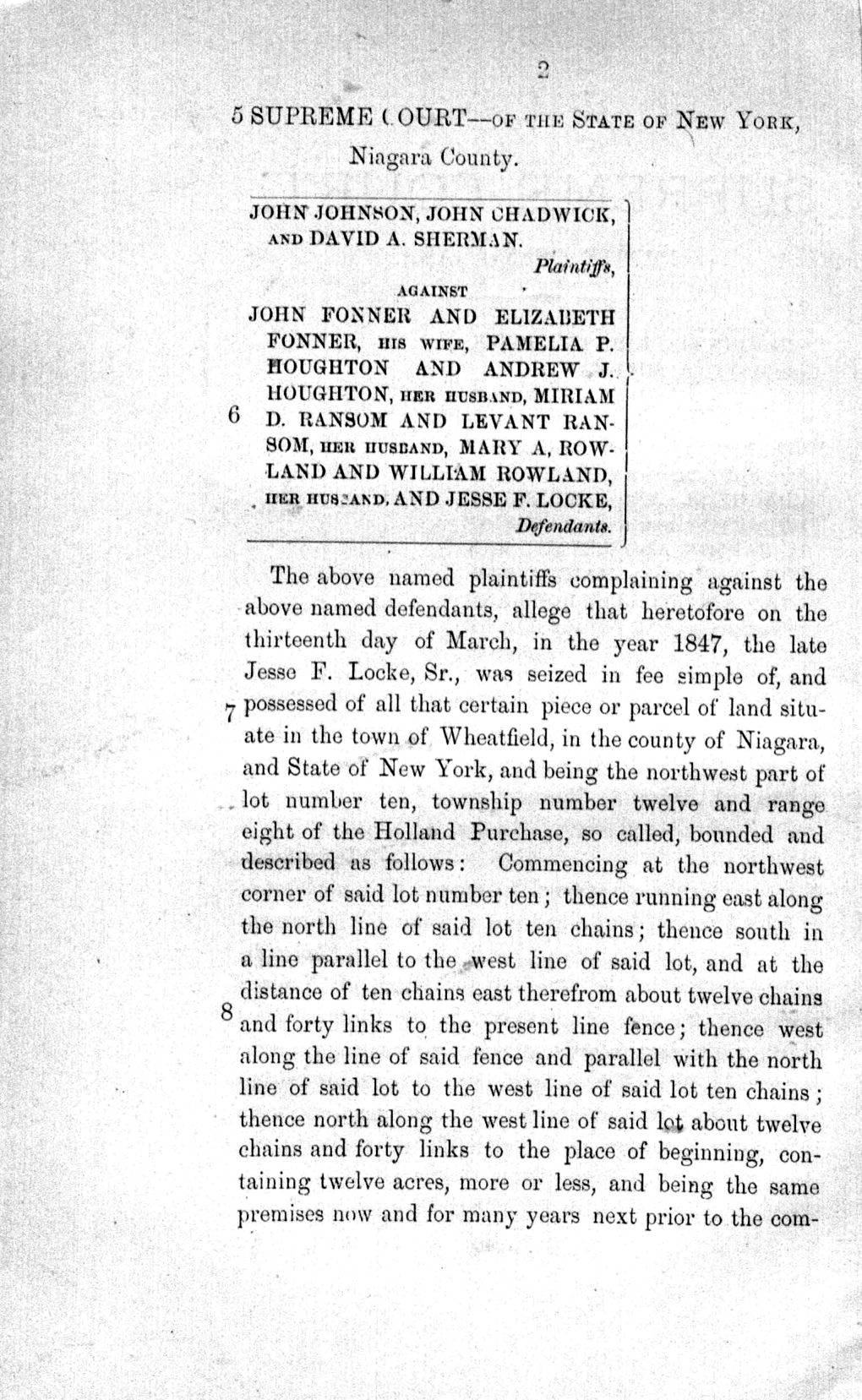
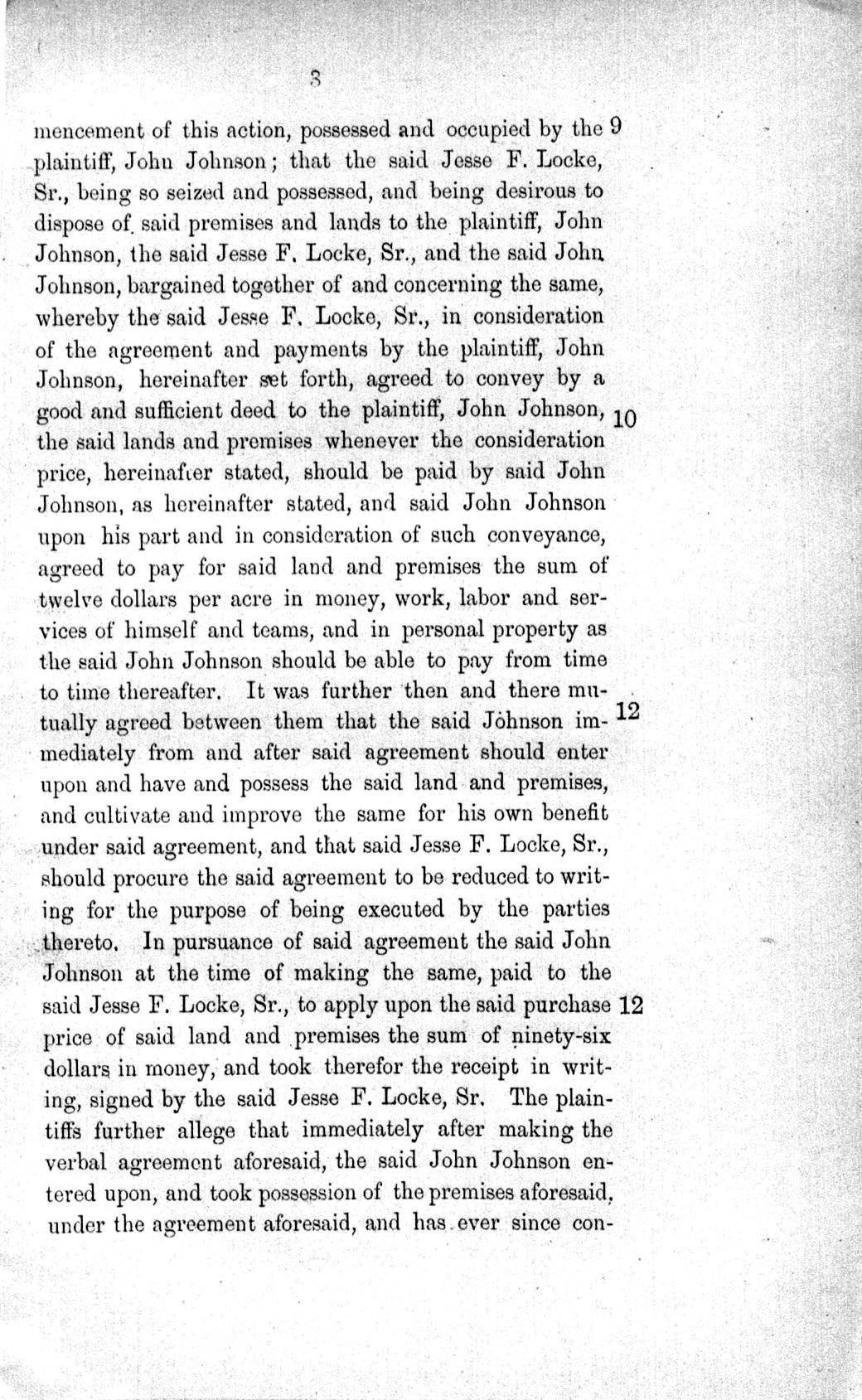
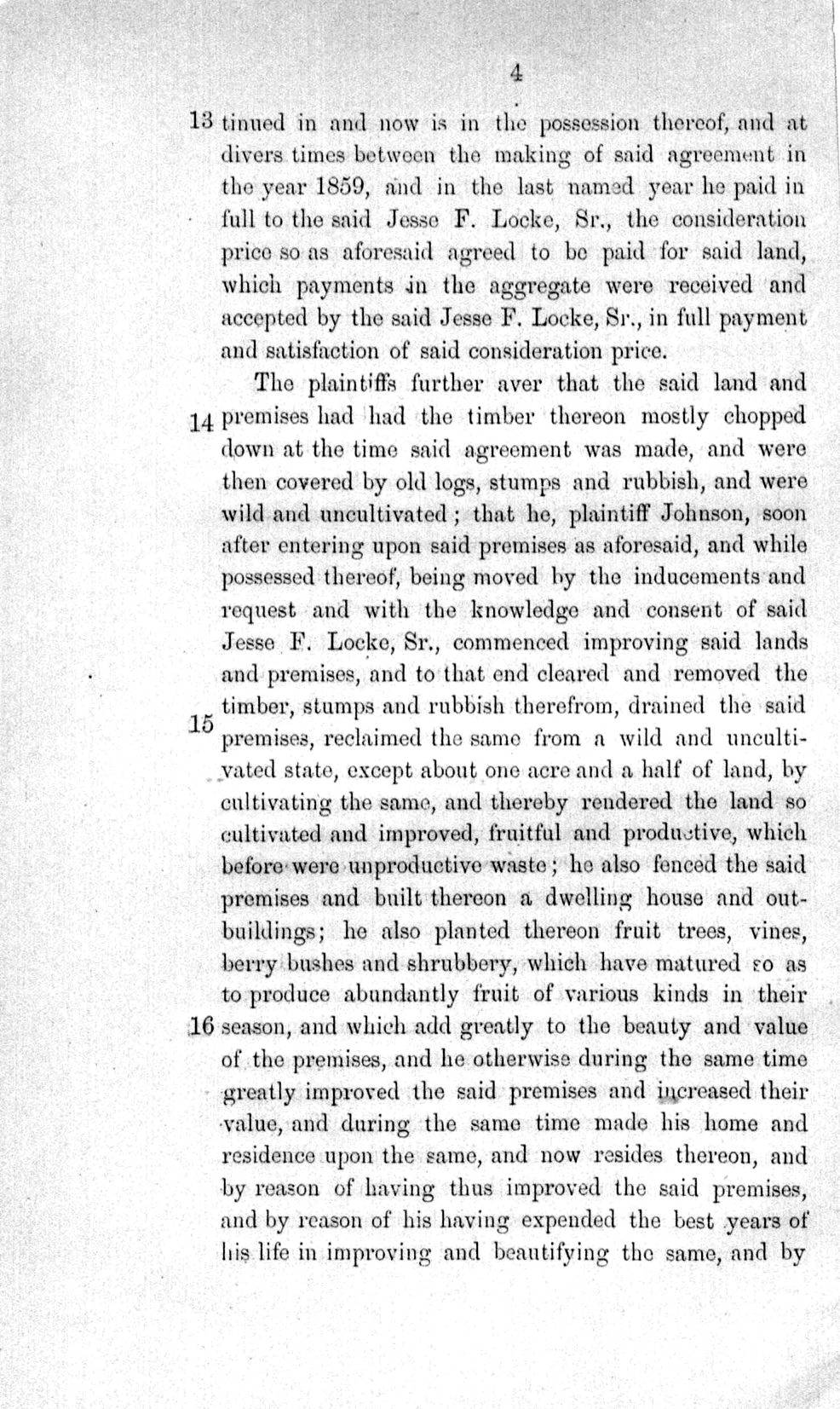
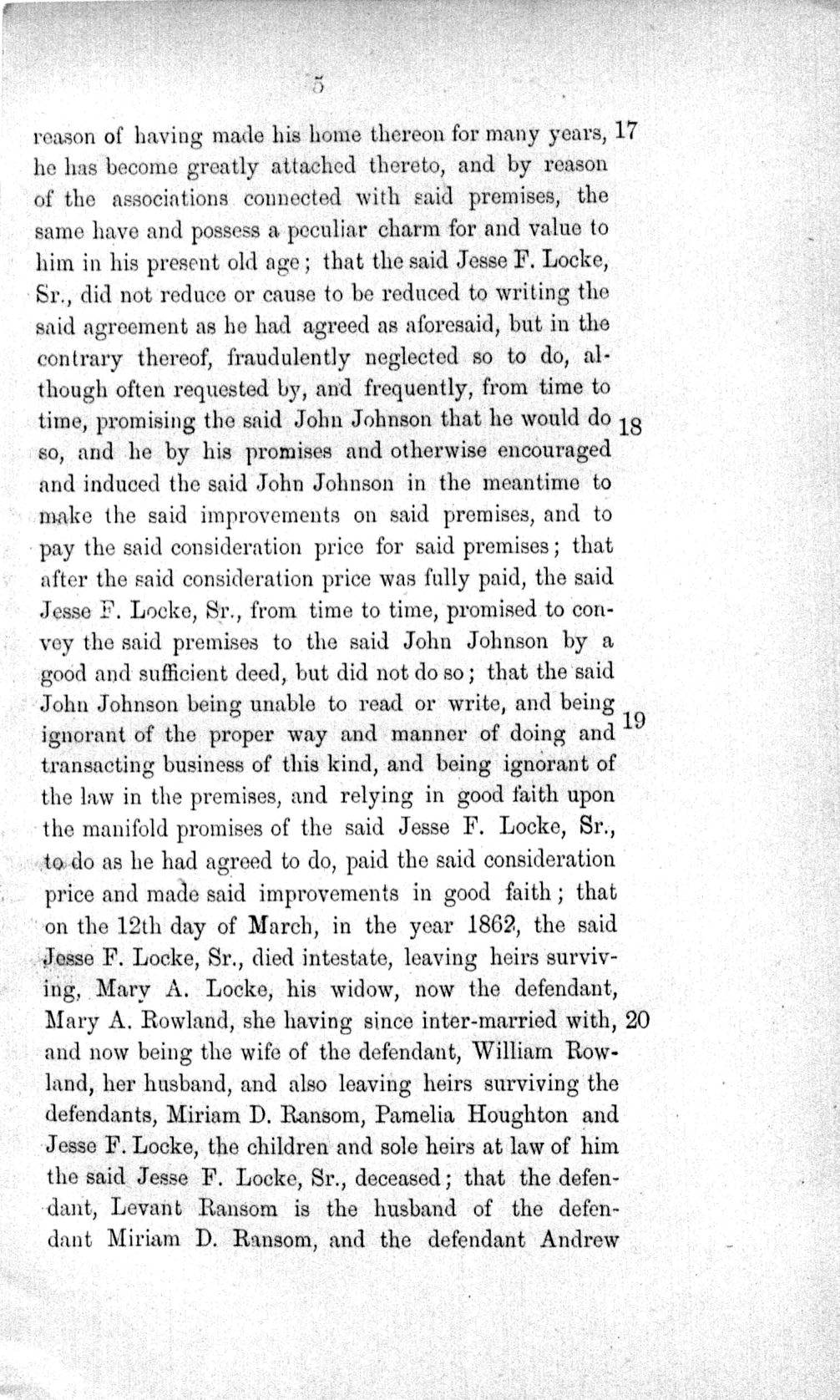
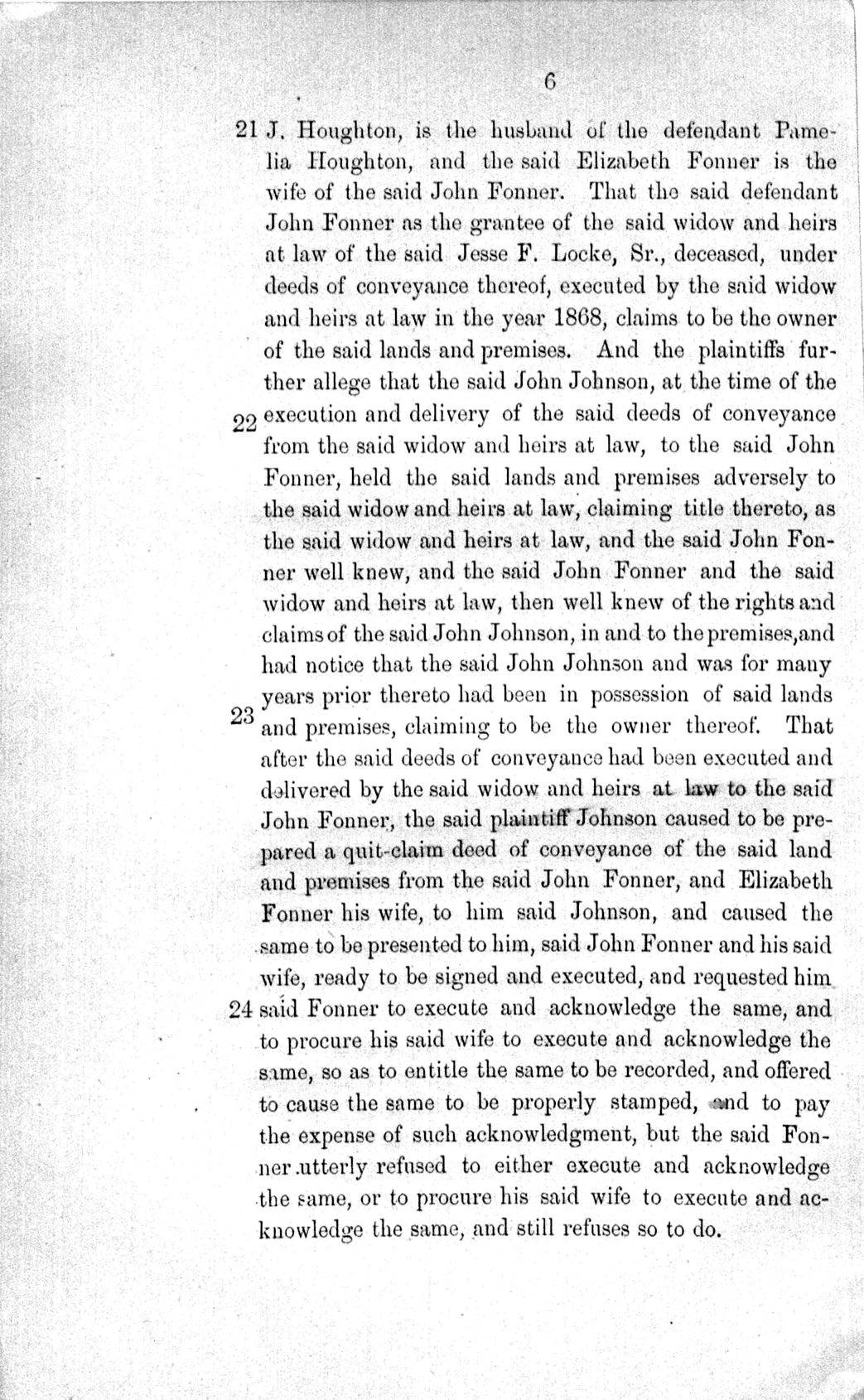
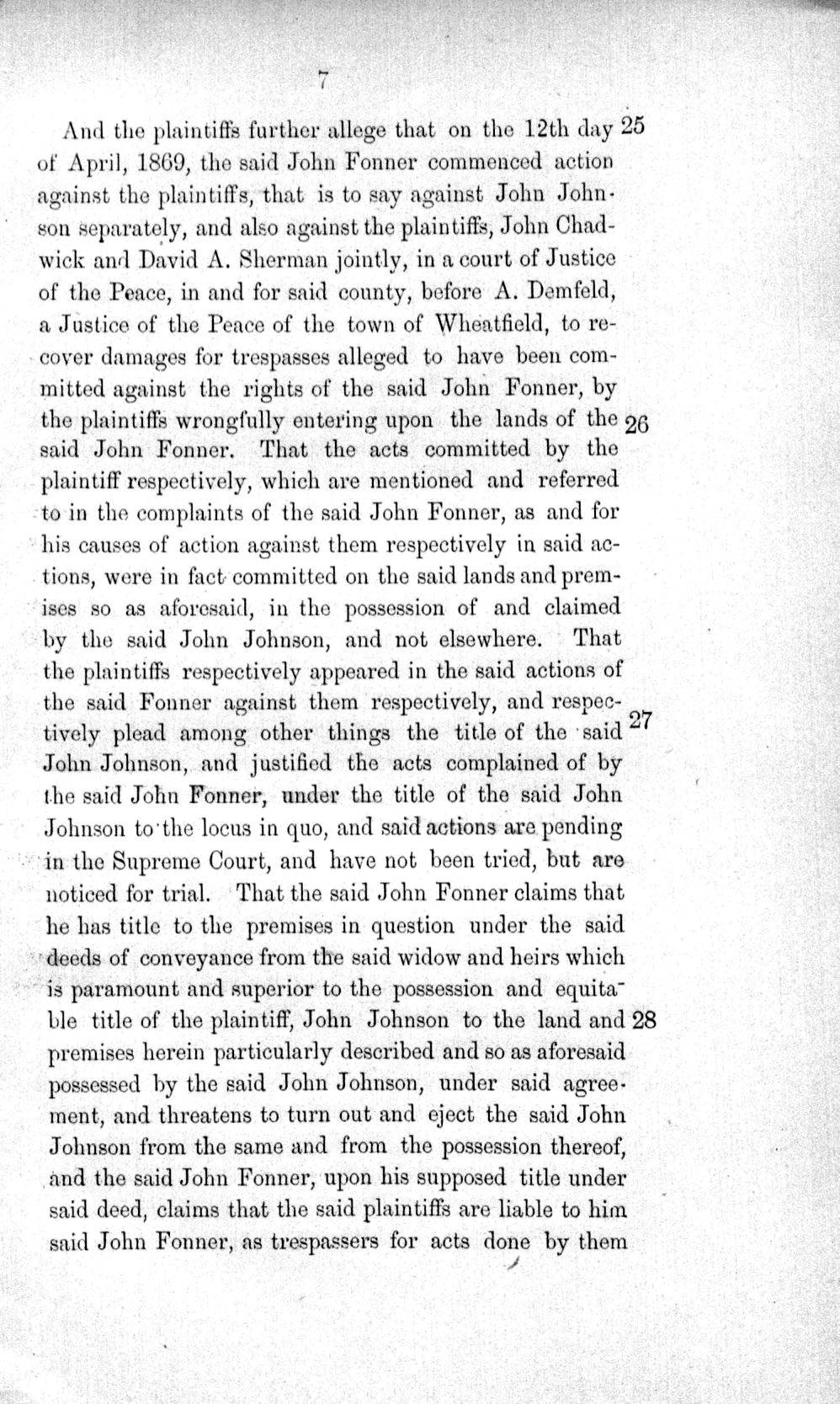
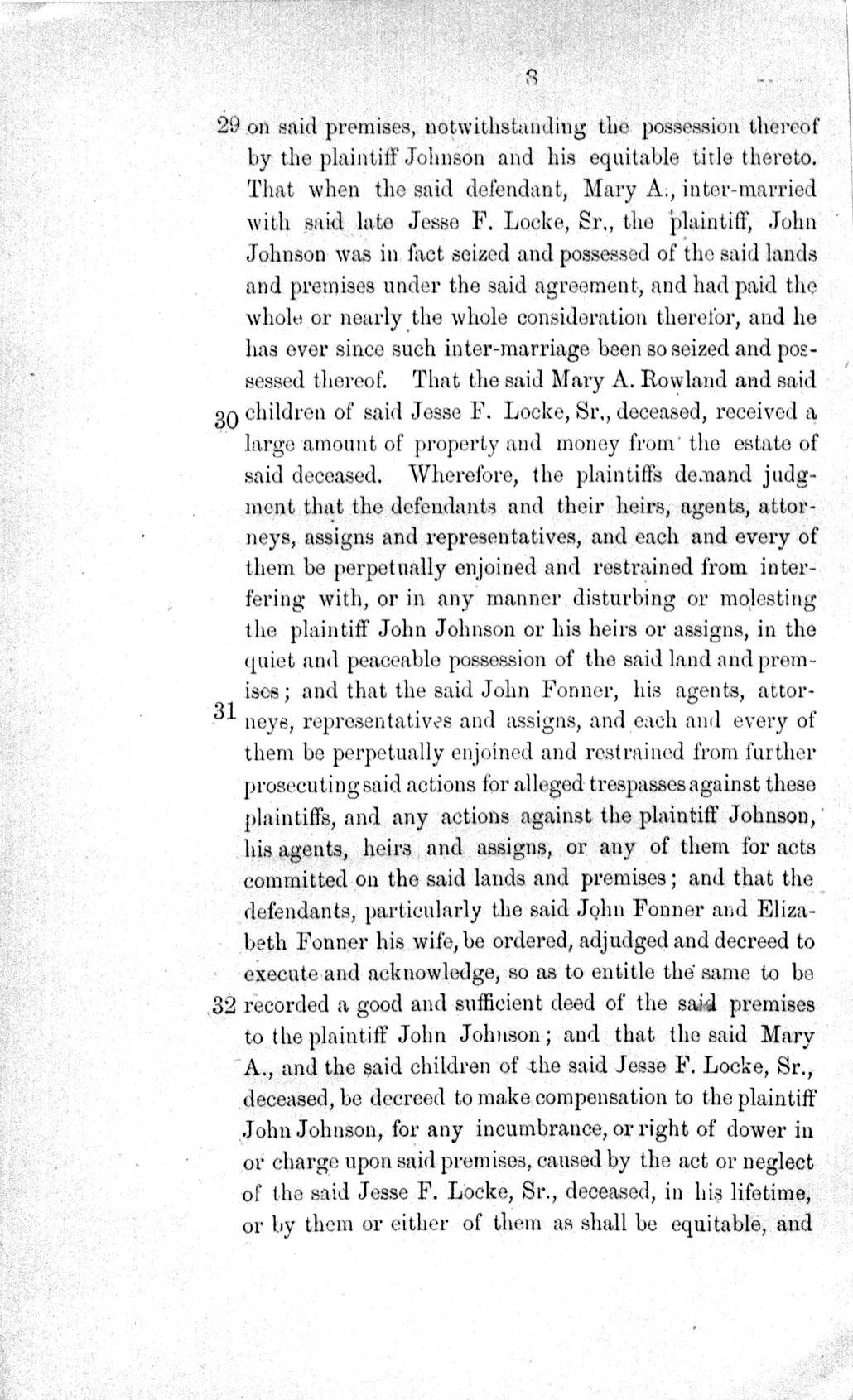
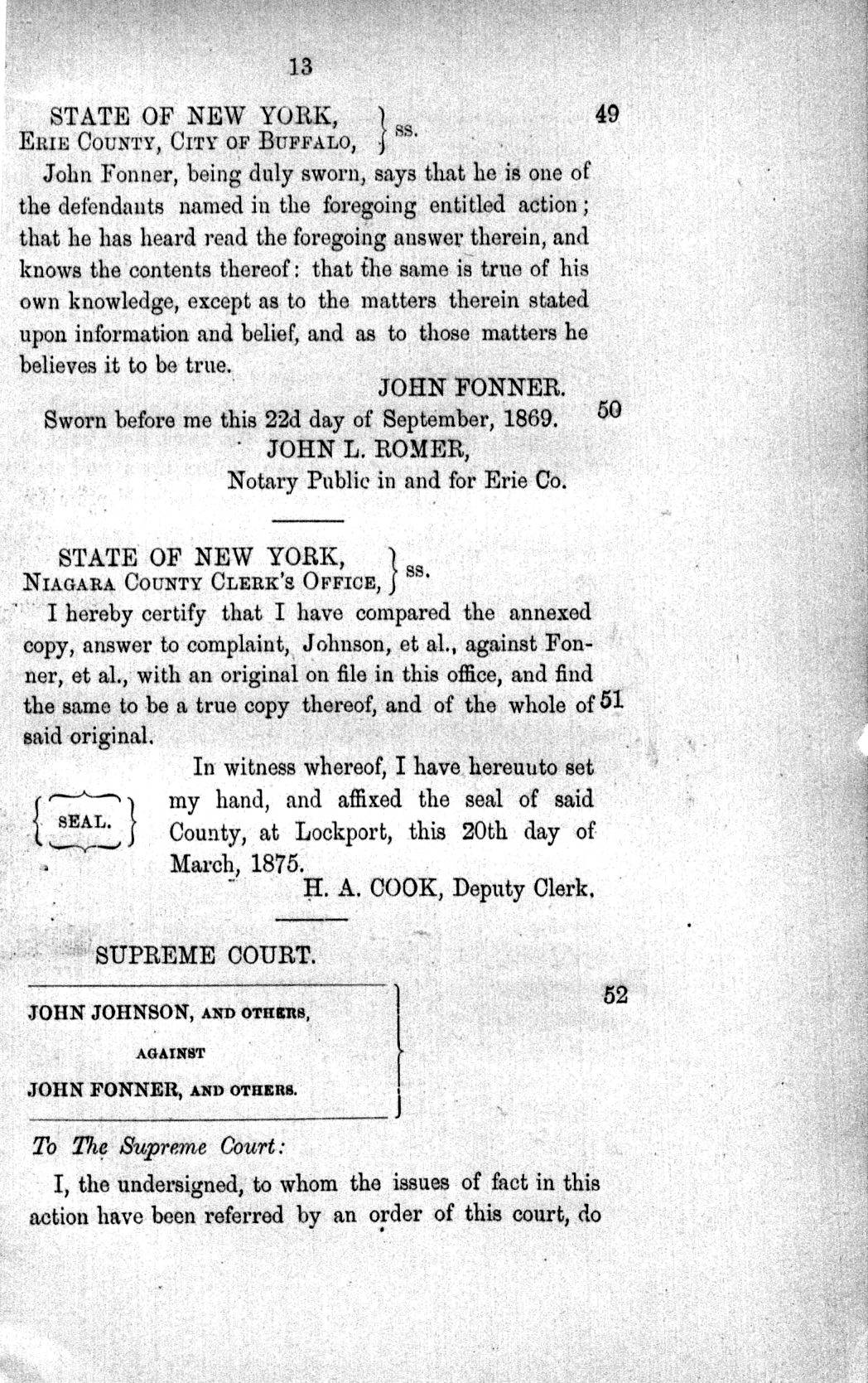
E. C. Sprague’s report and findings. This section begins on the lower part of packet page 13, which also contains the end of the answer certification.
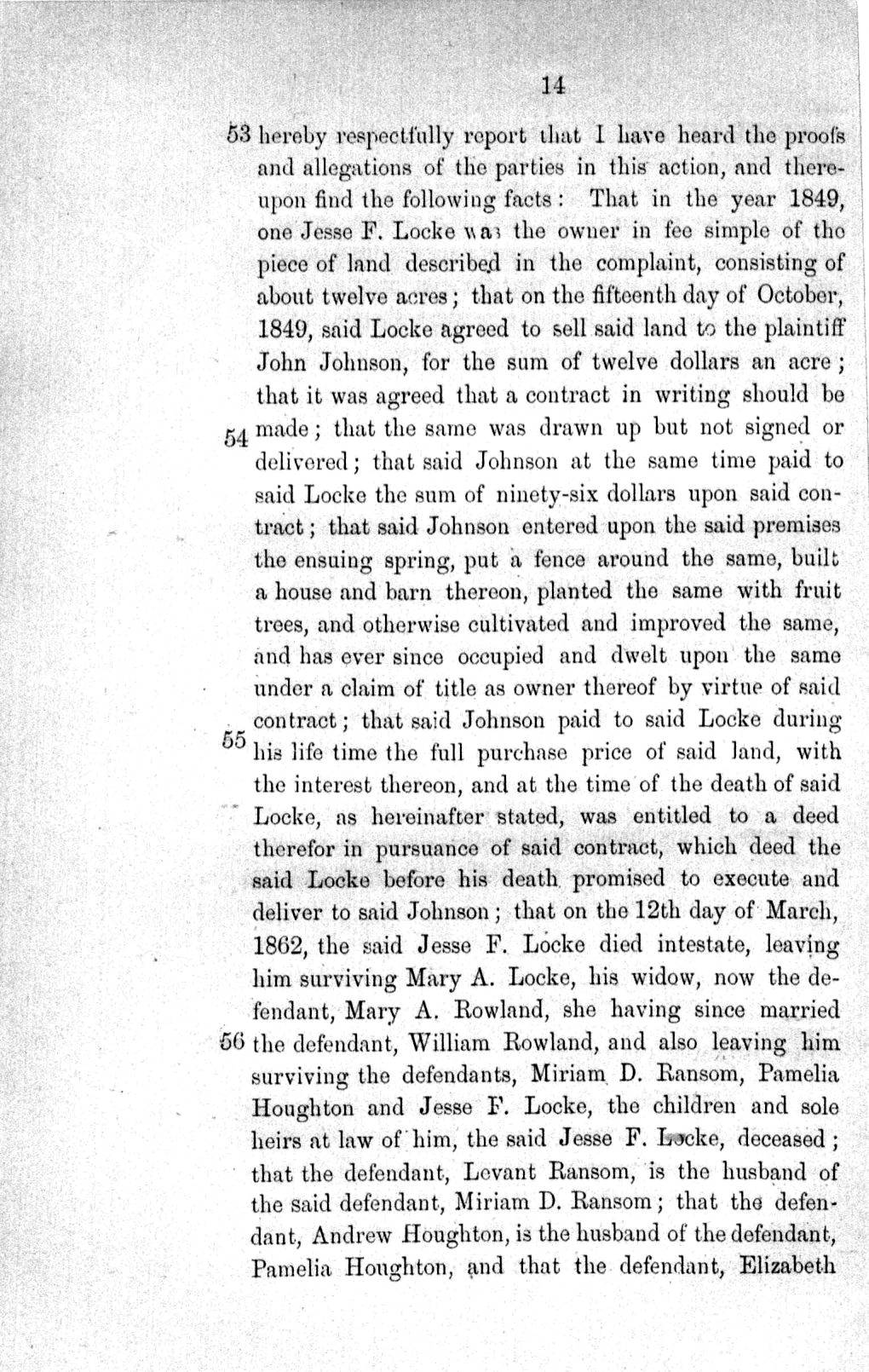
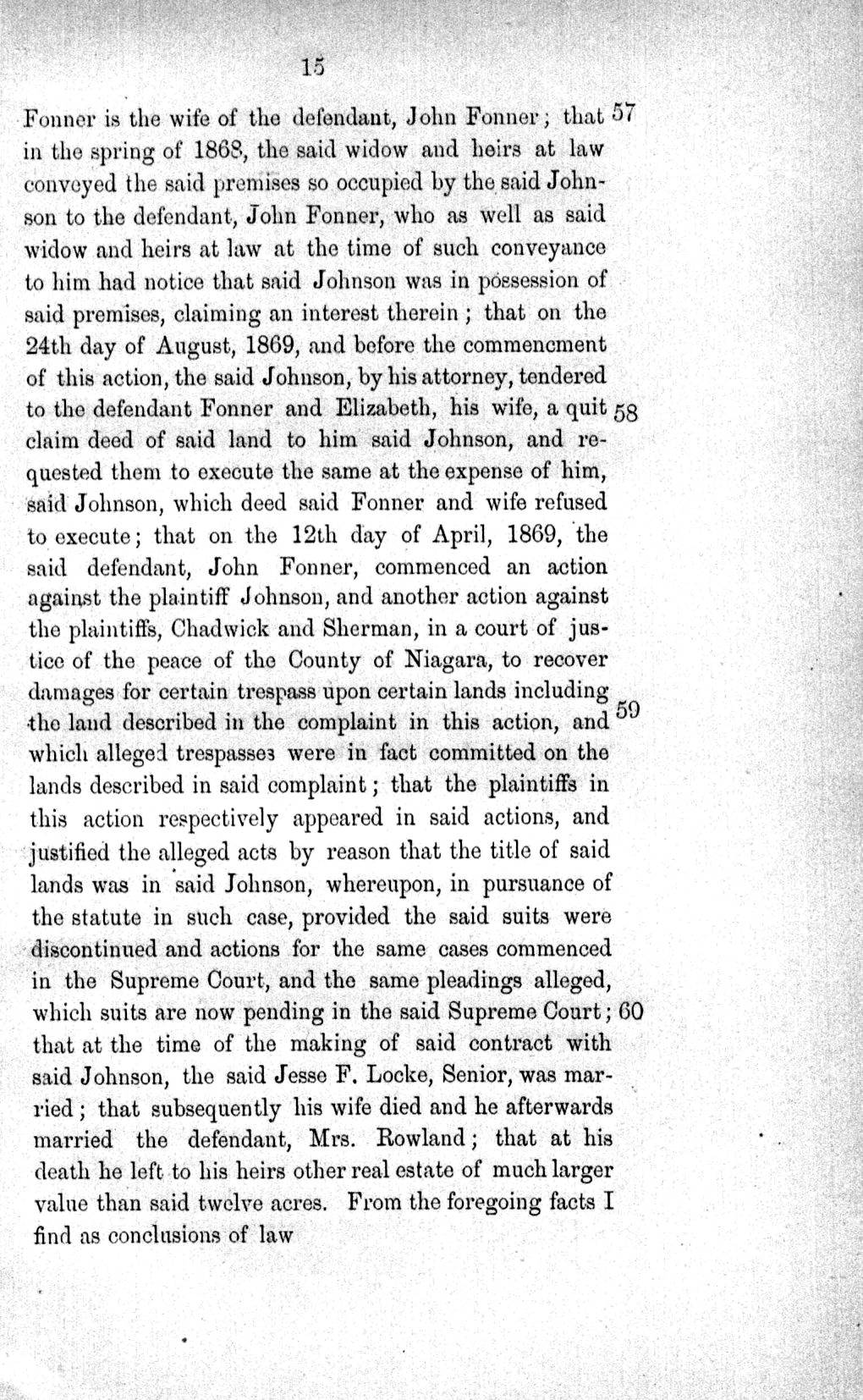
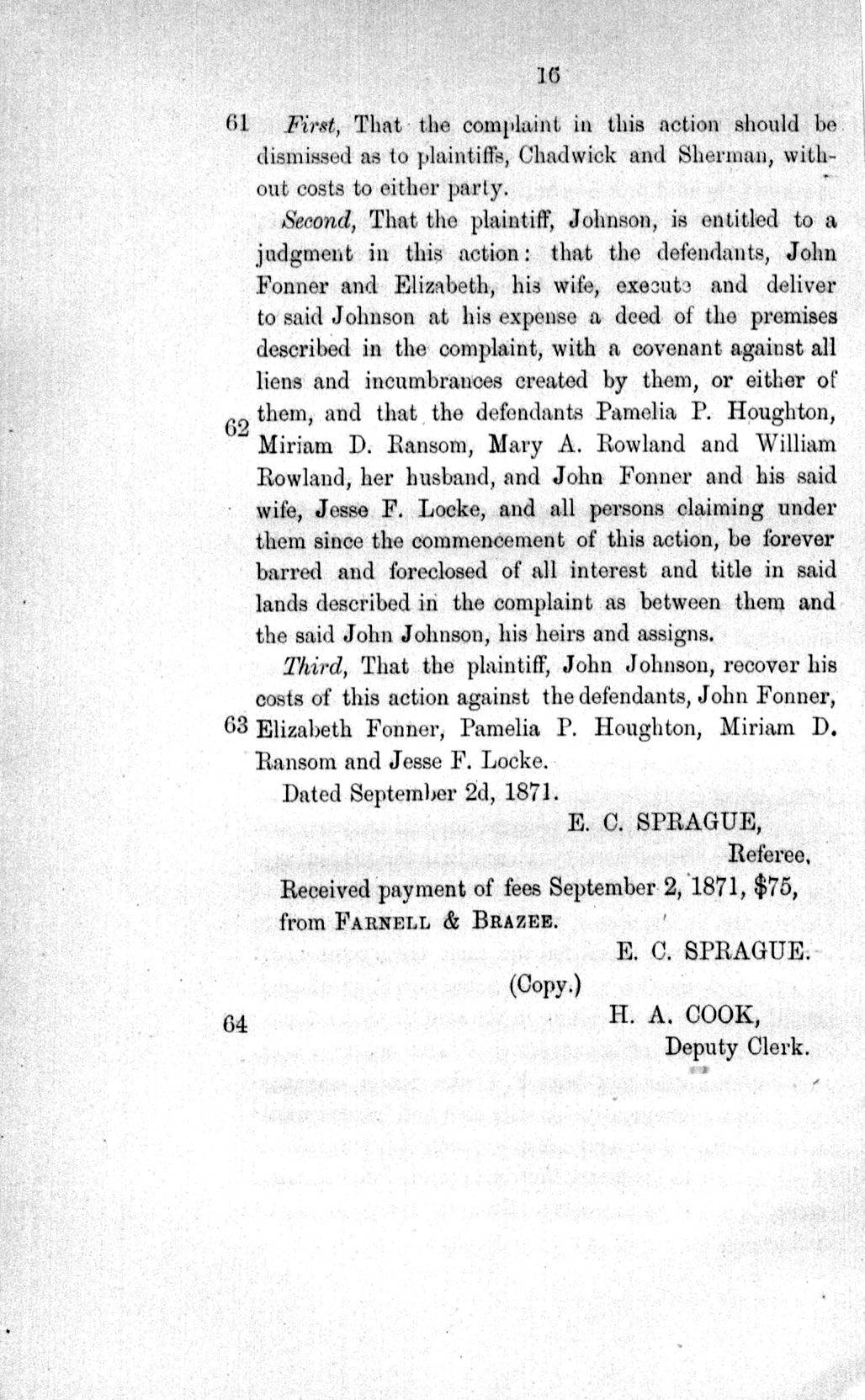
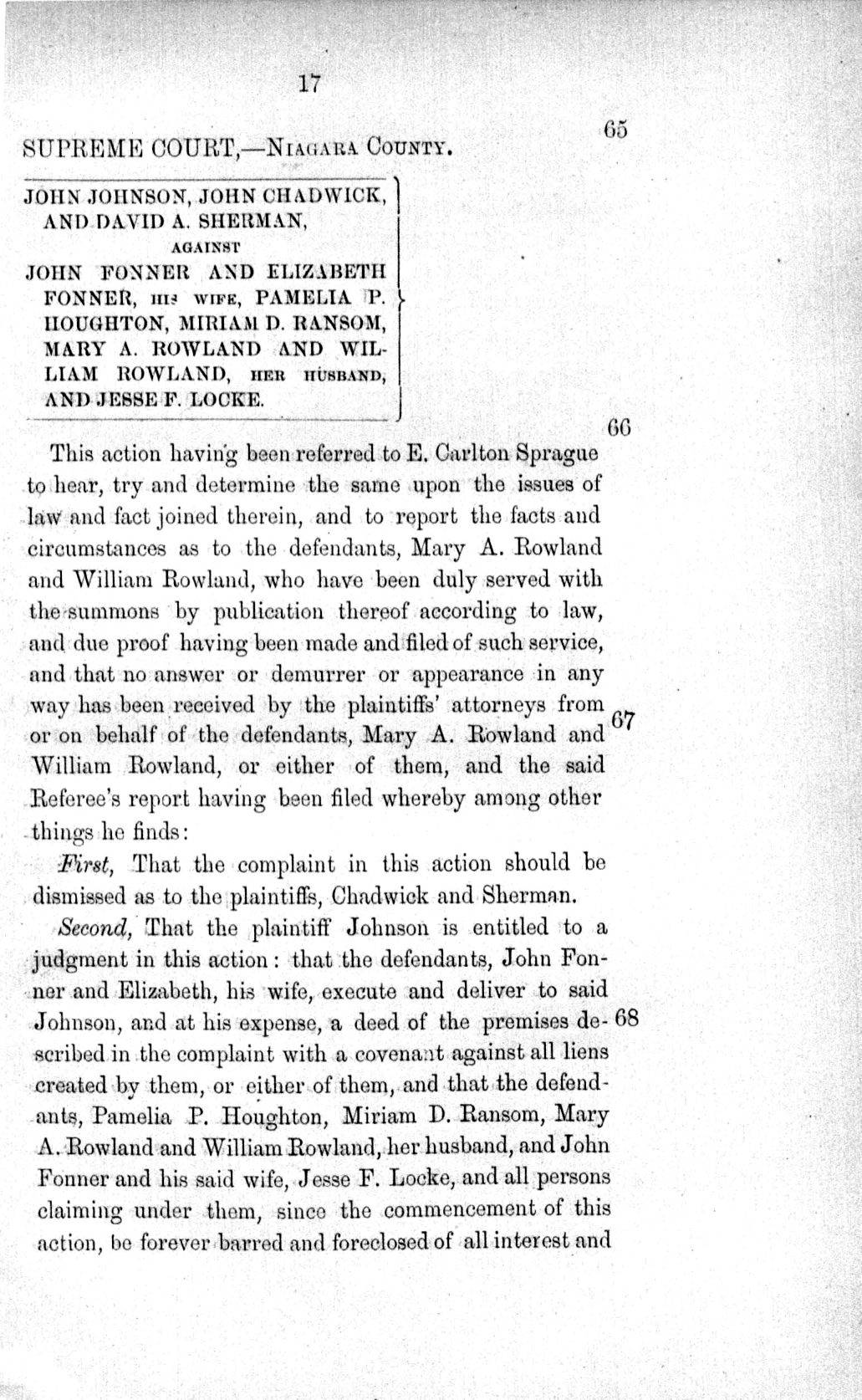
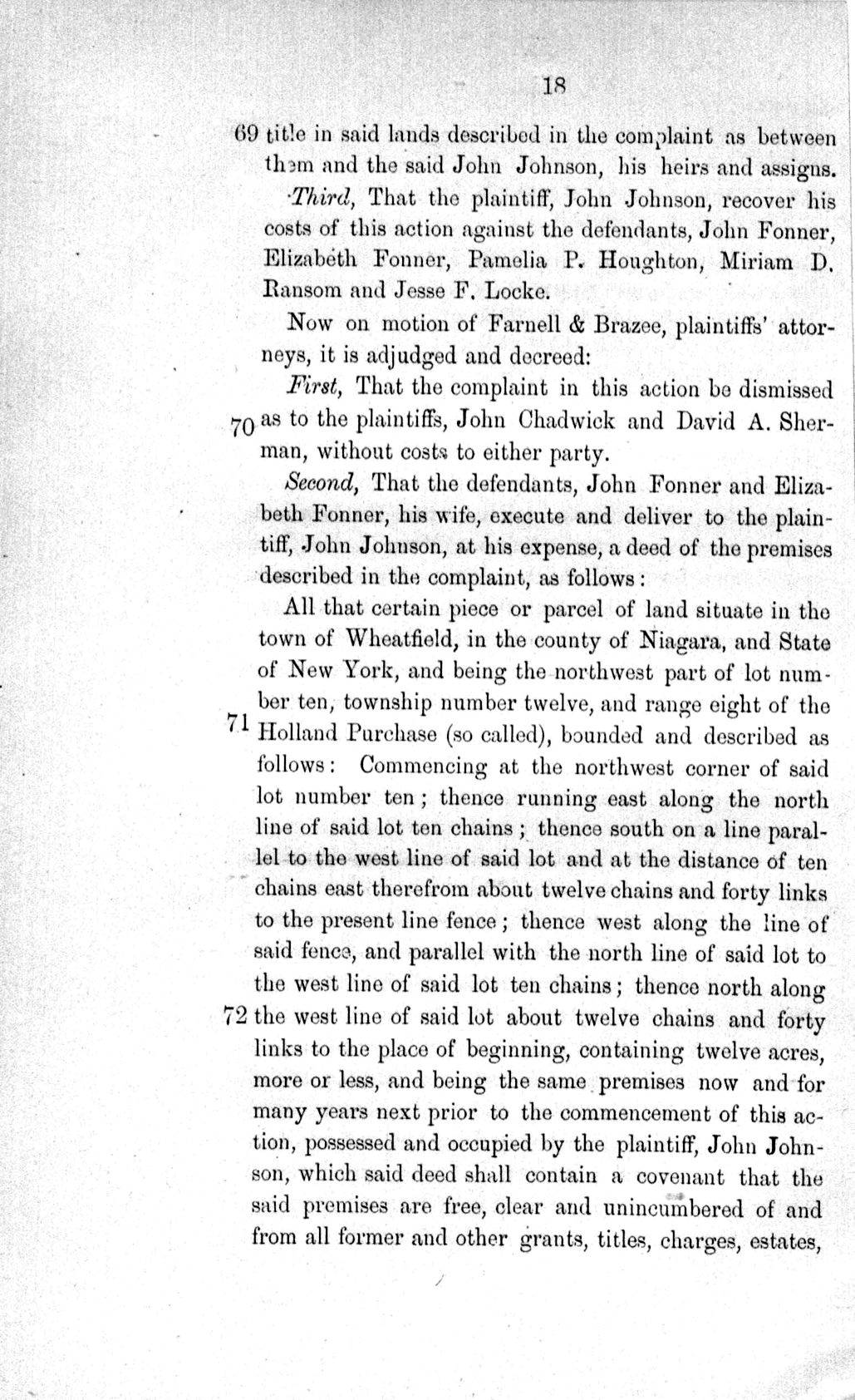
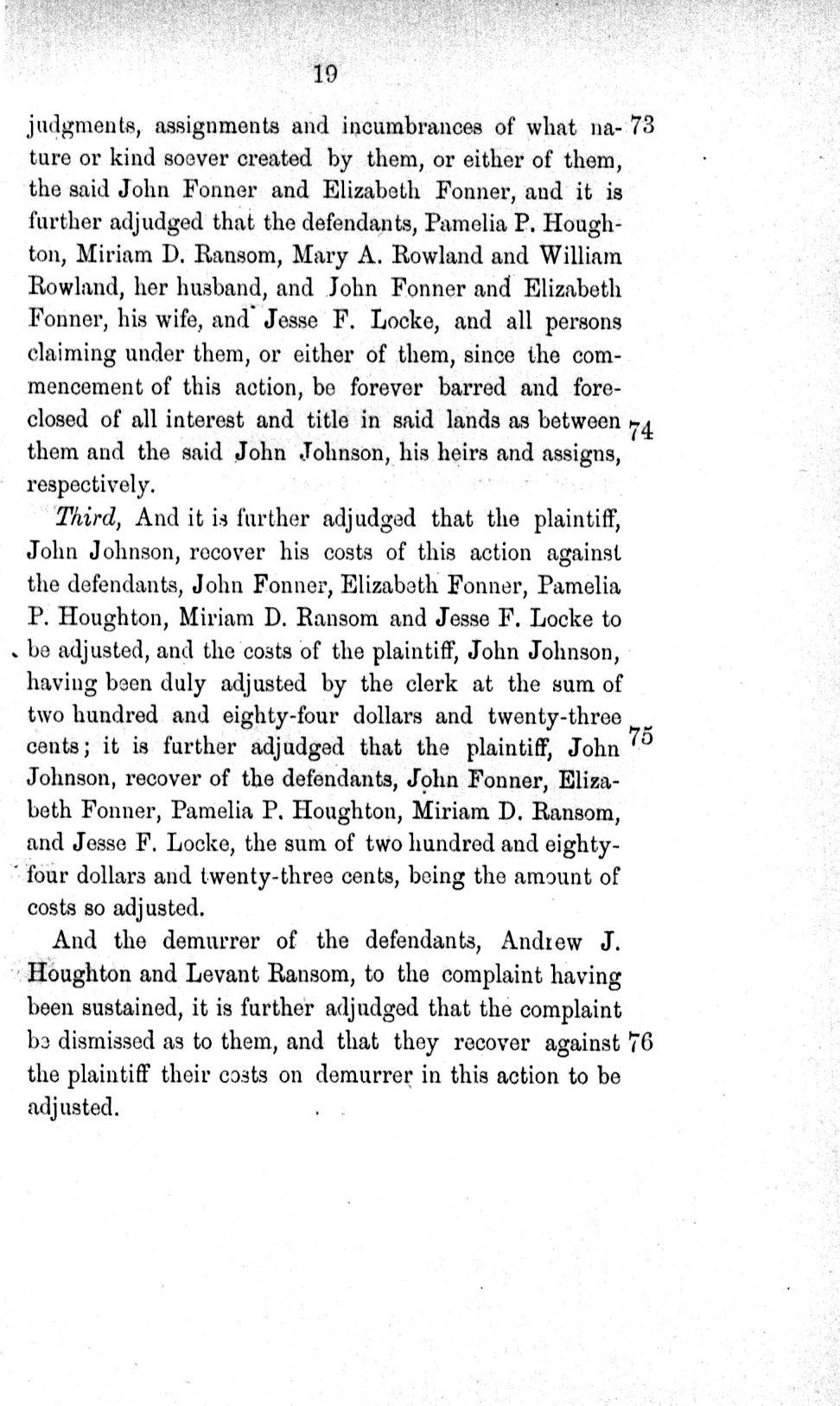
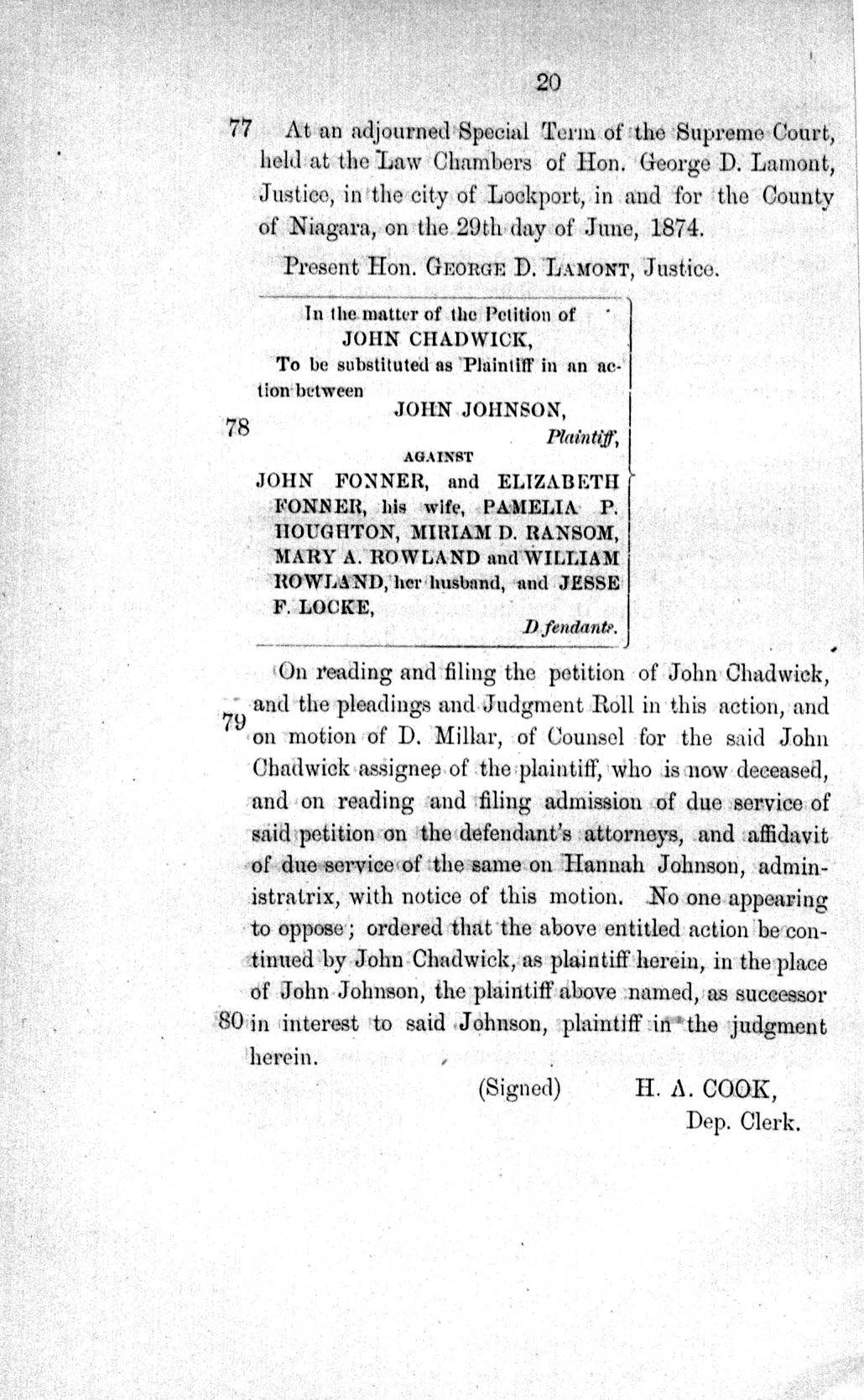
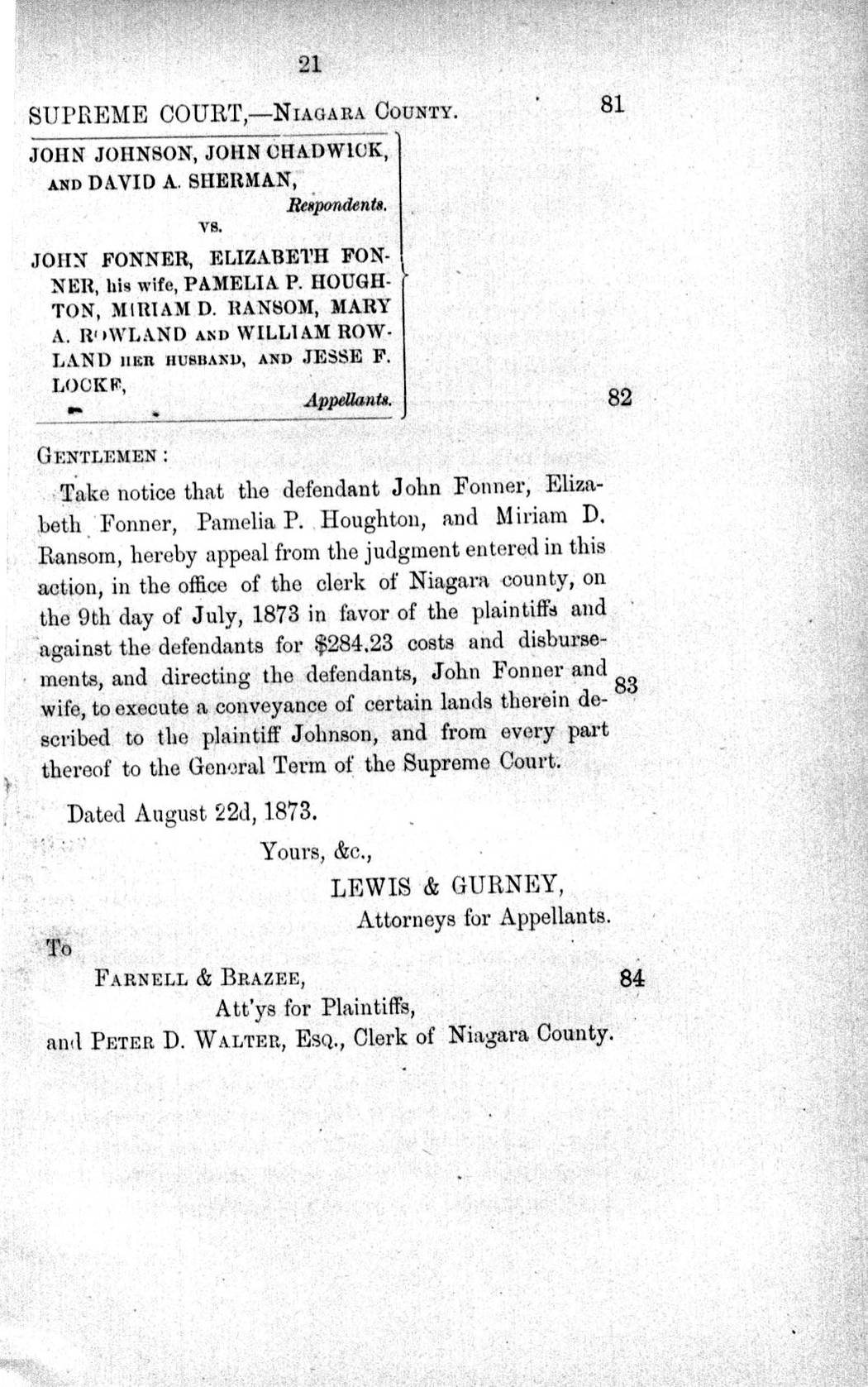
The judgment entered on the referee’s report, the order substituting John Chadwick after Johnson’s death, and the notice of appeal to General Term.
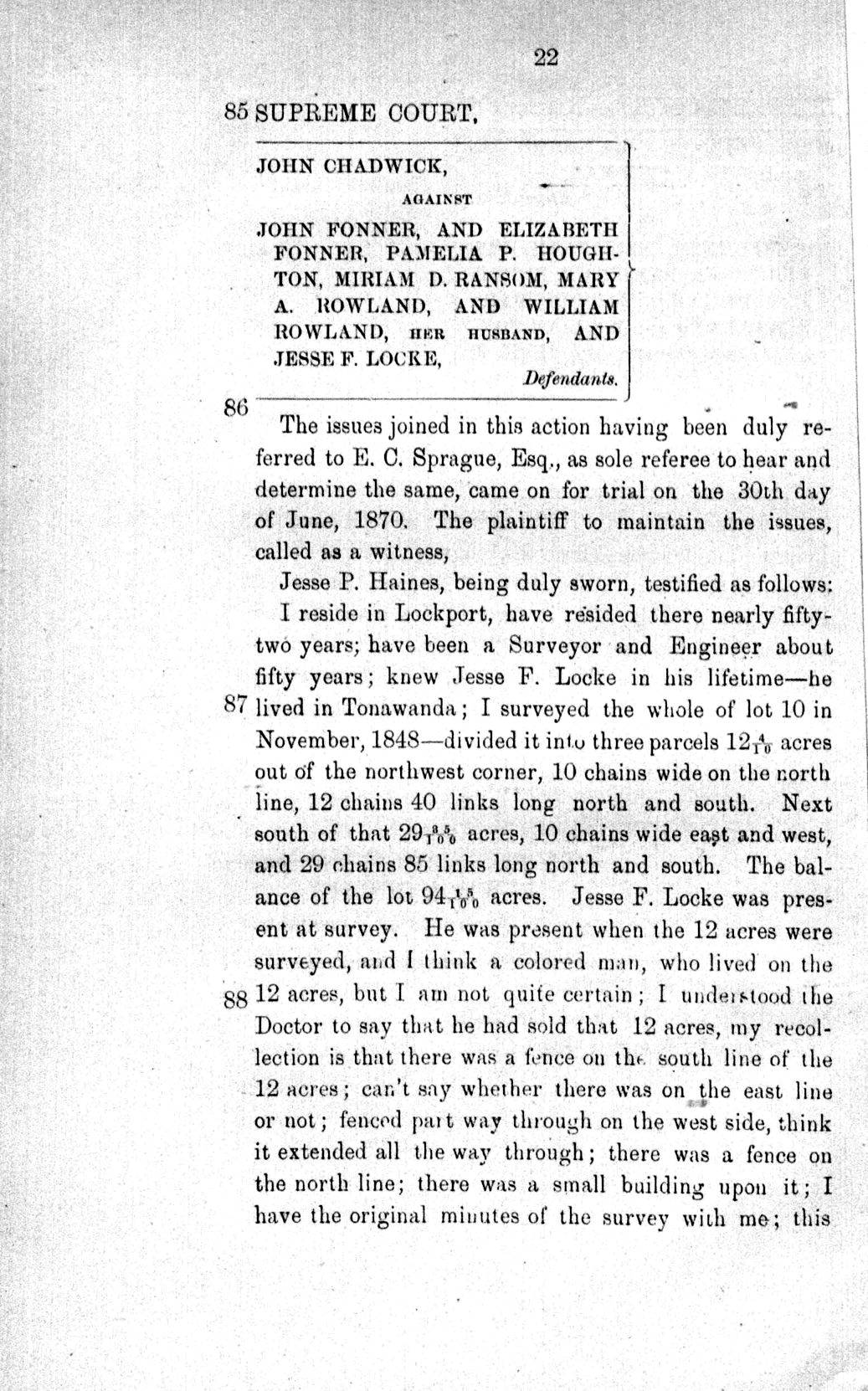
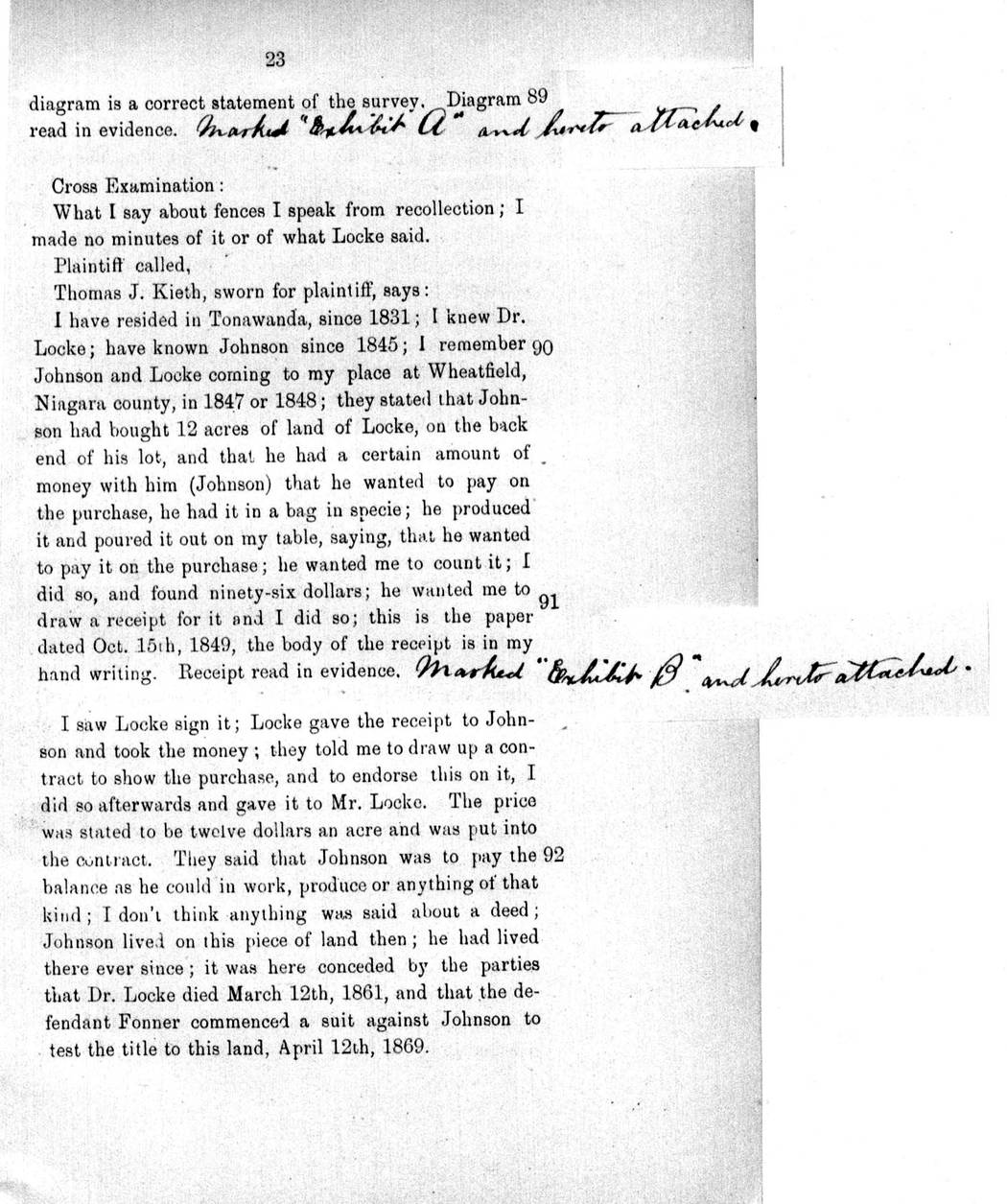
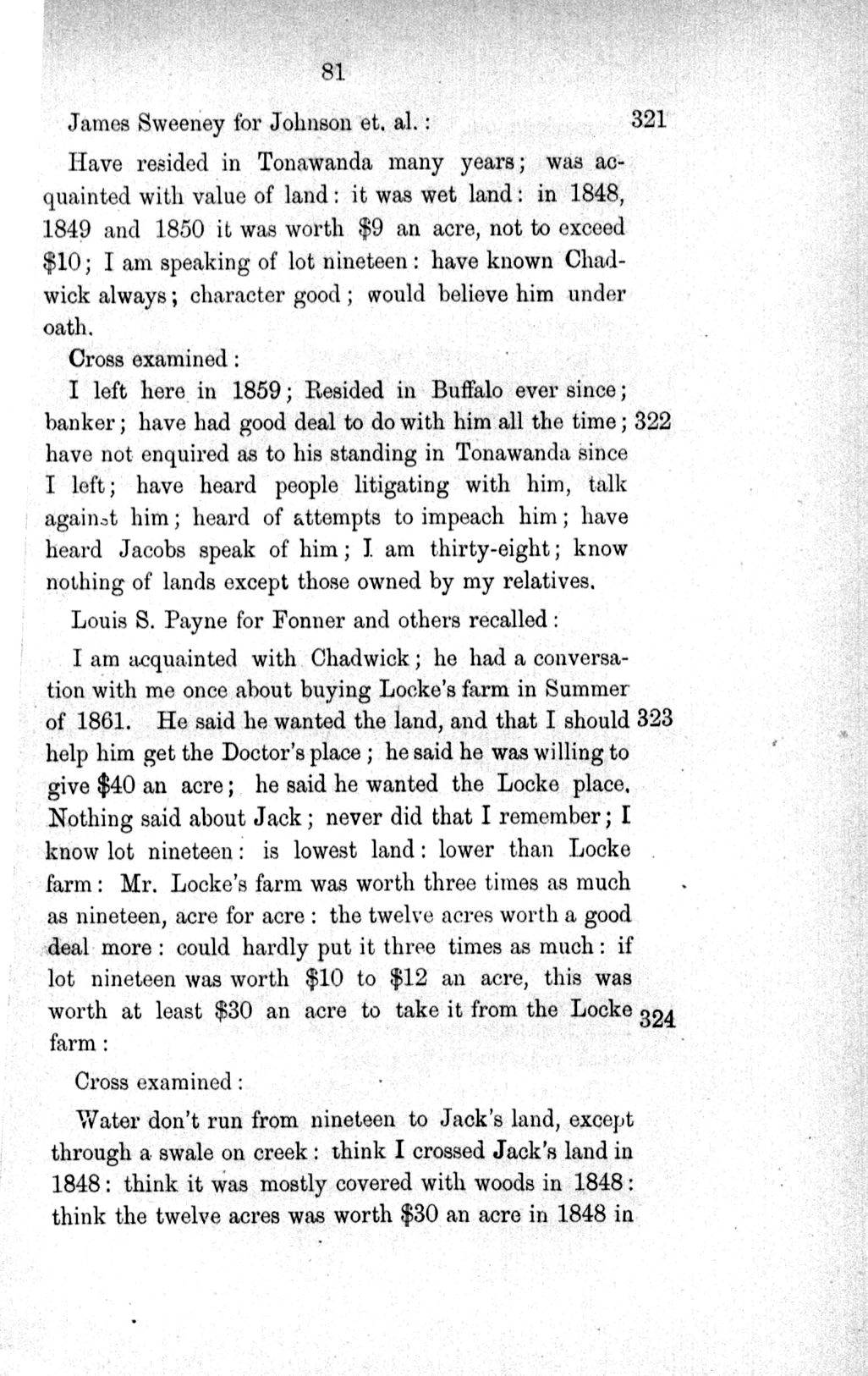
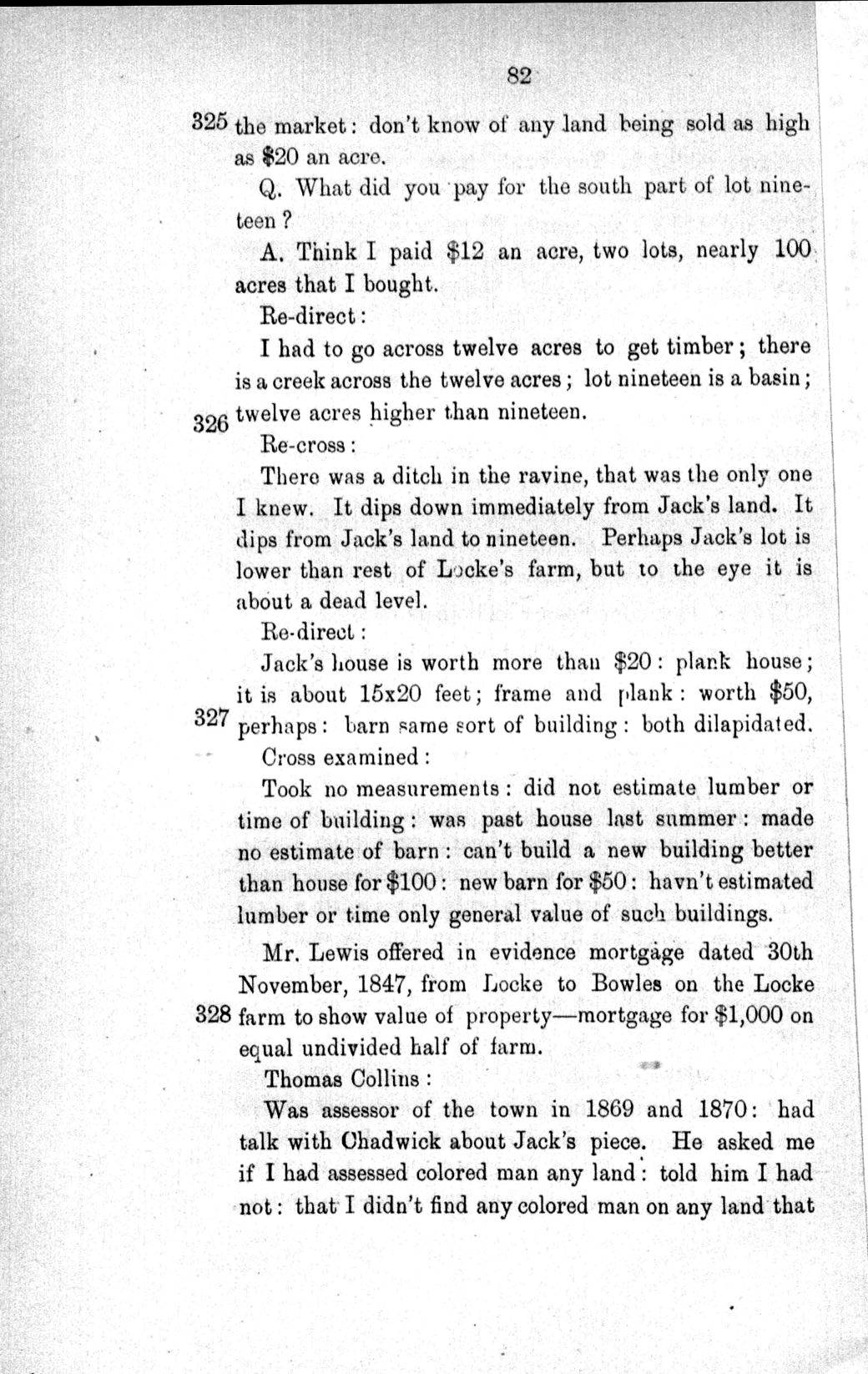
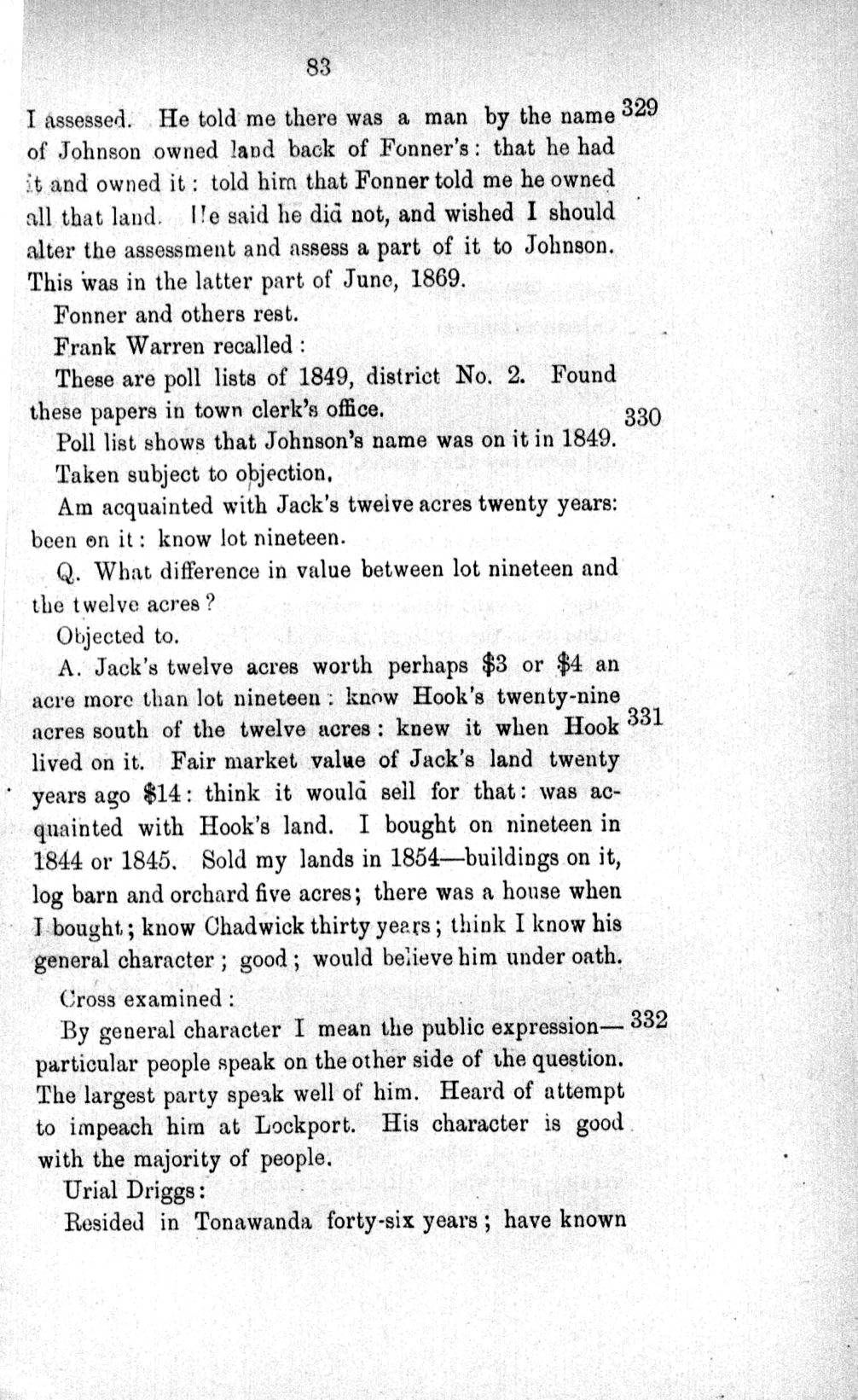
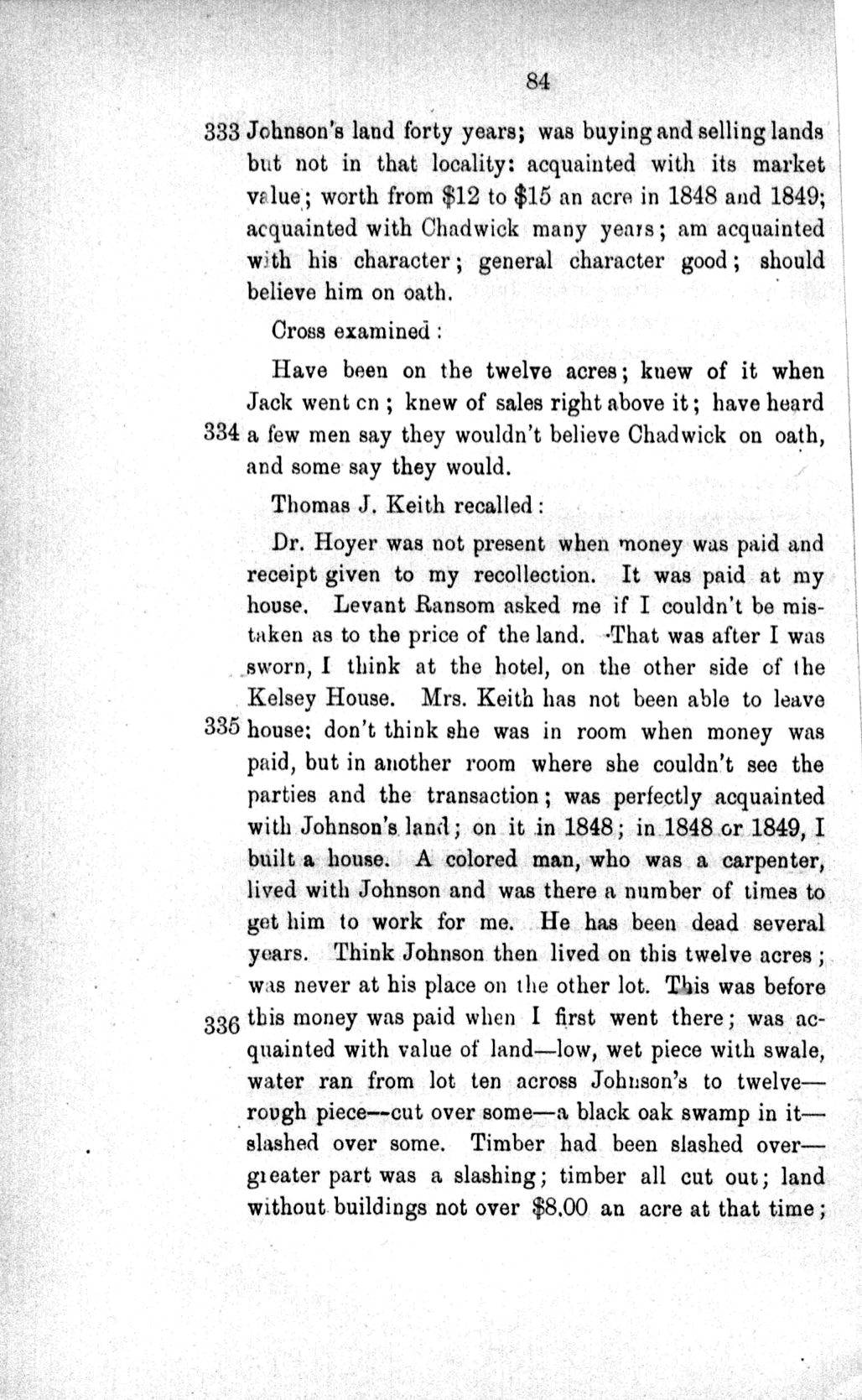
The Johnson-side proof begins on packet page 22 with surveyor Jesse P. Haines. It continues through Johnson’s recalled tax testimony before the plaintiff rests near the bottom of packet page 37.
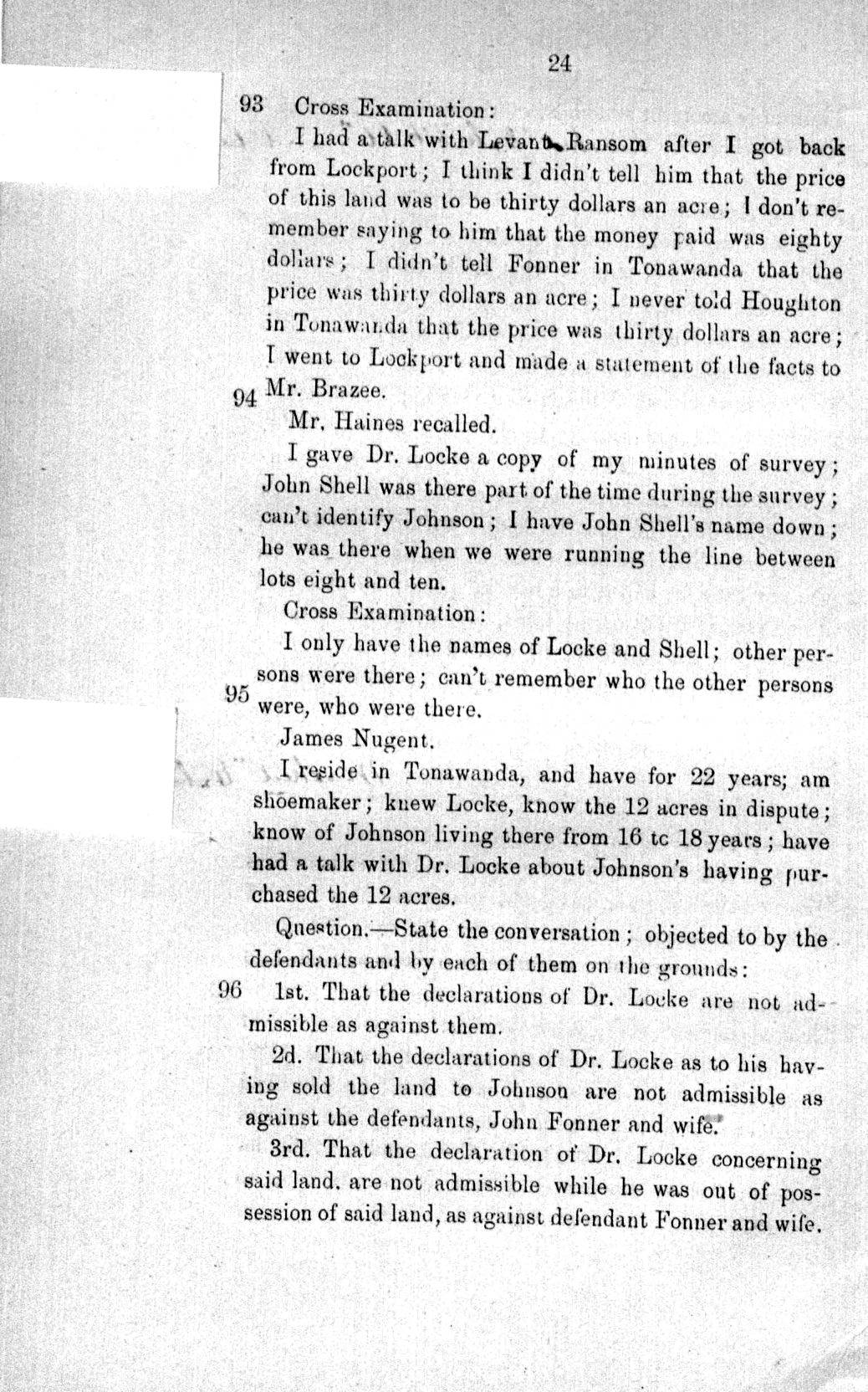
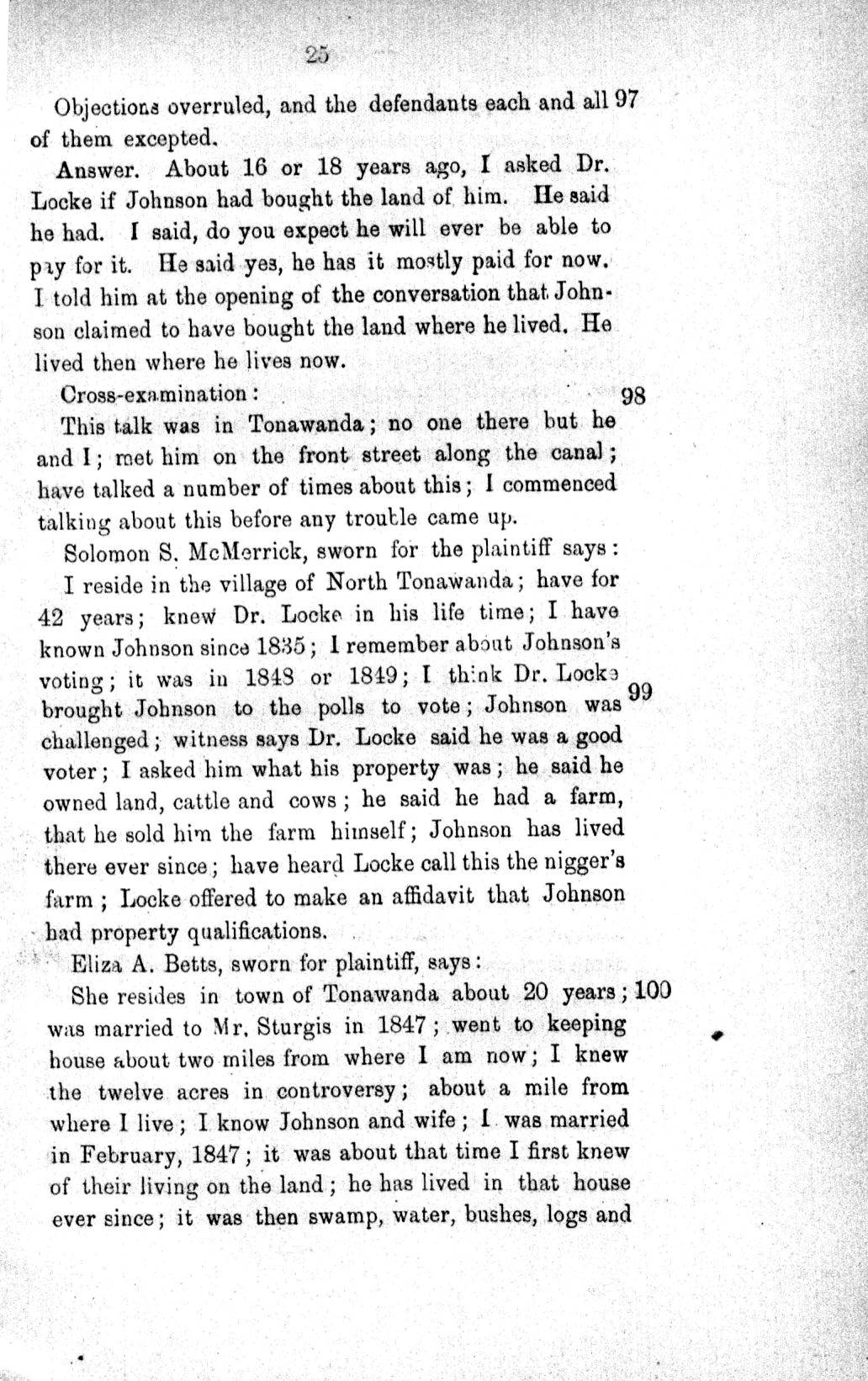
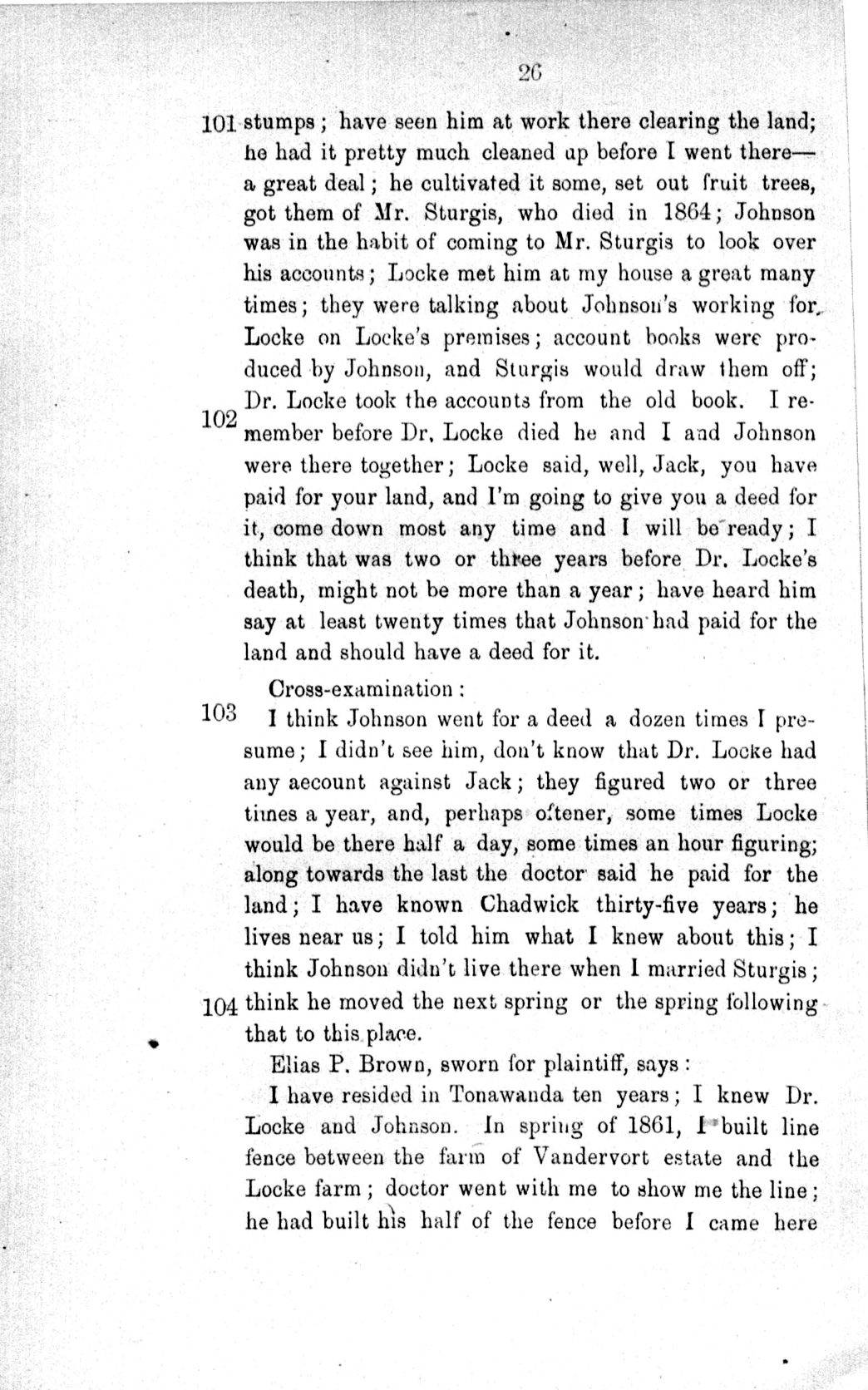
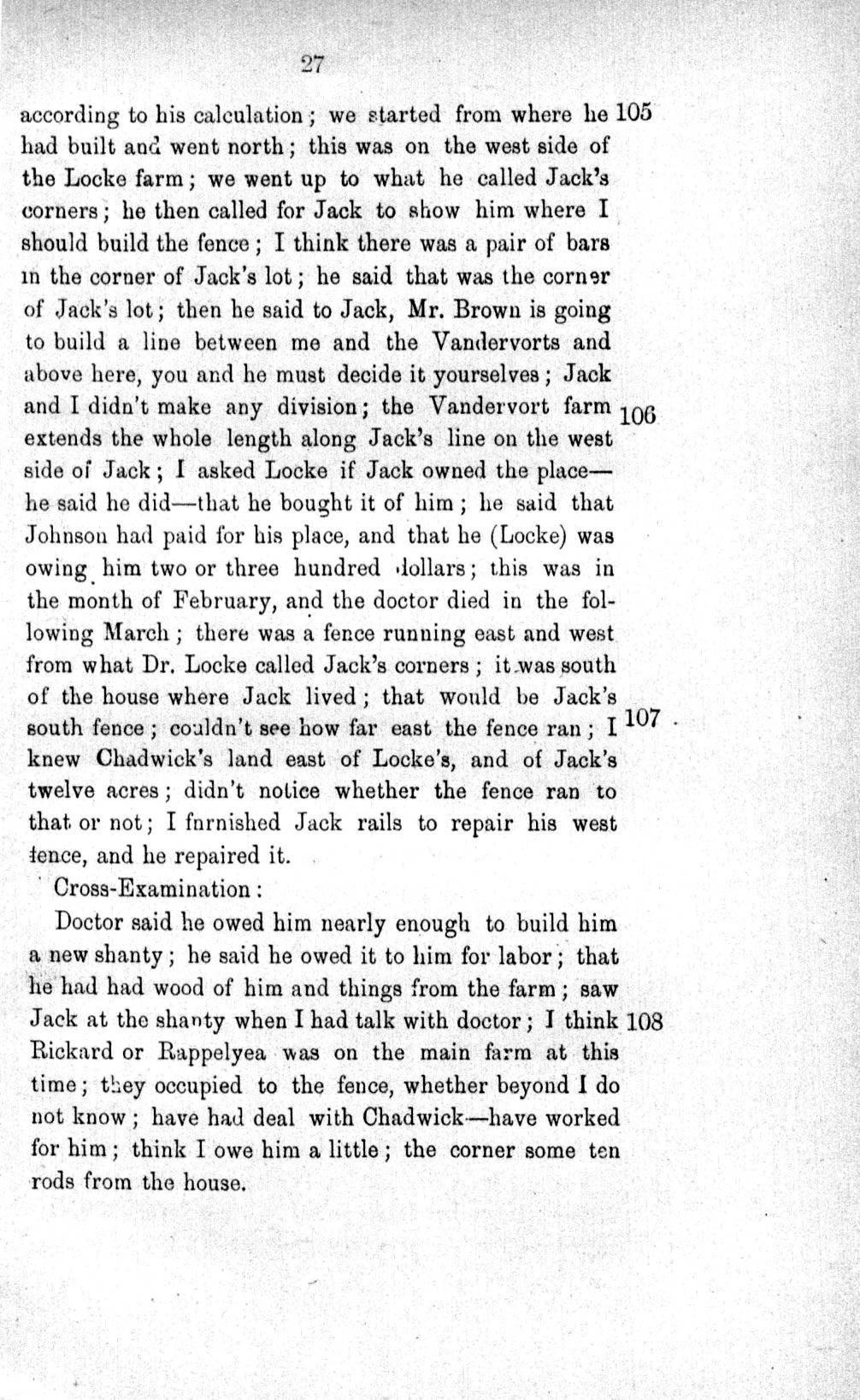
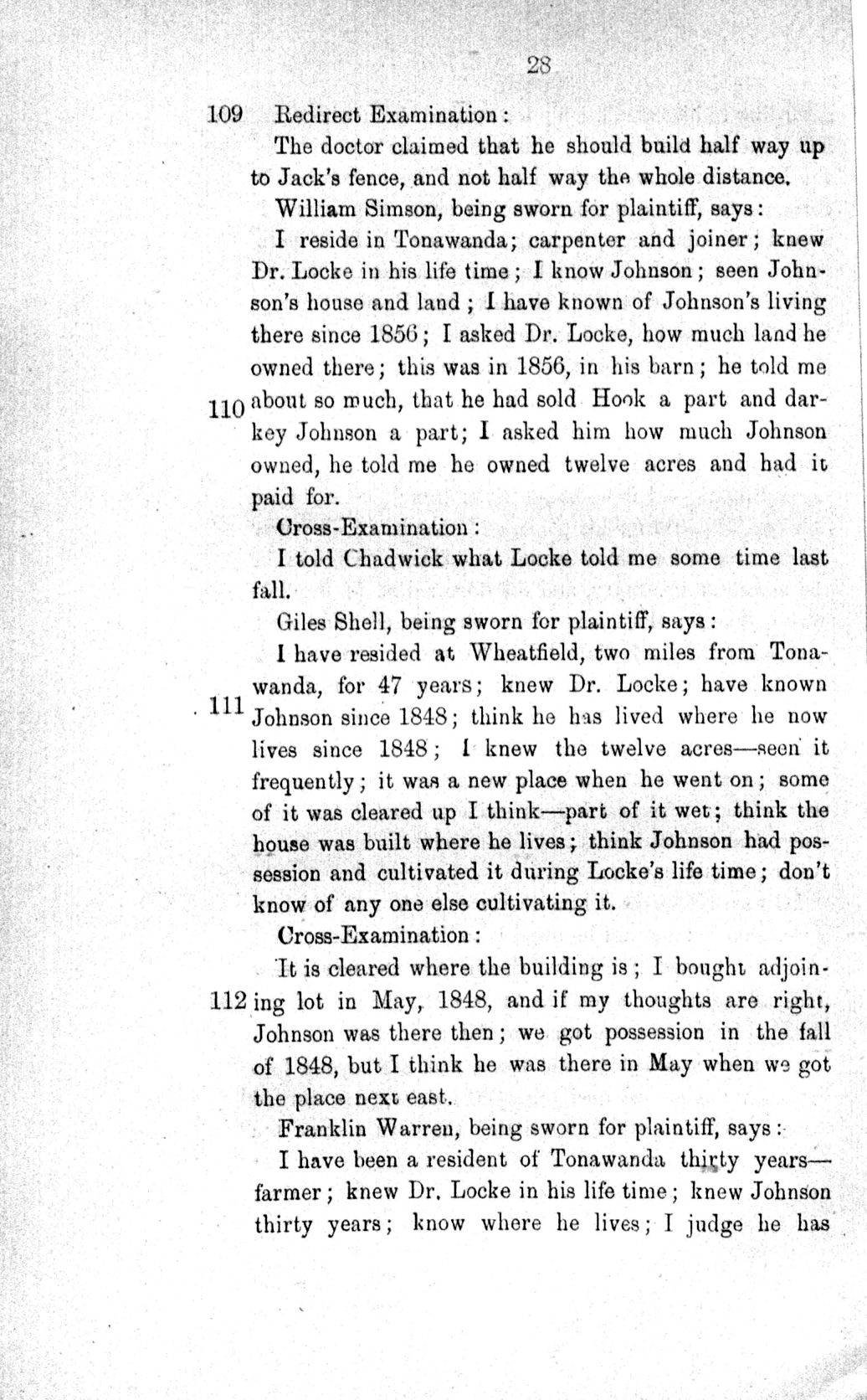
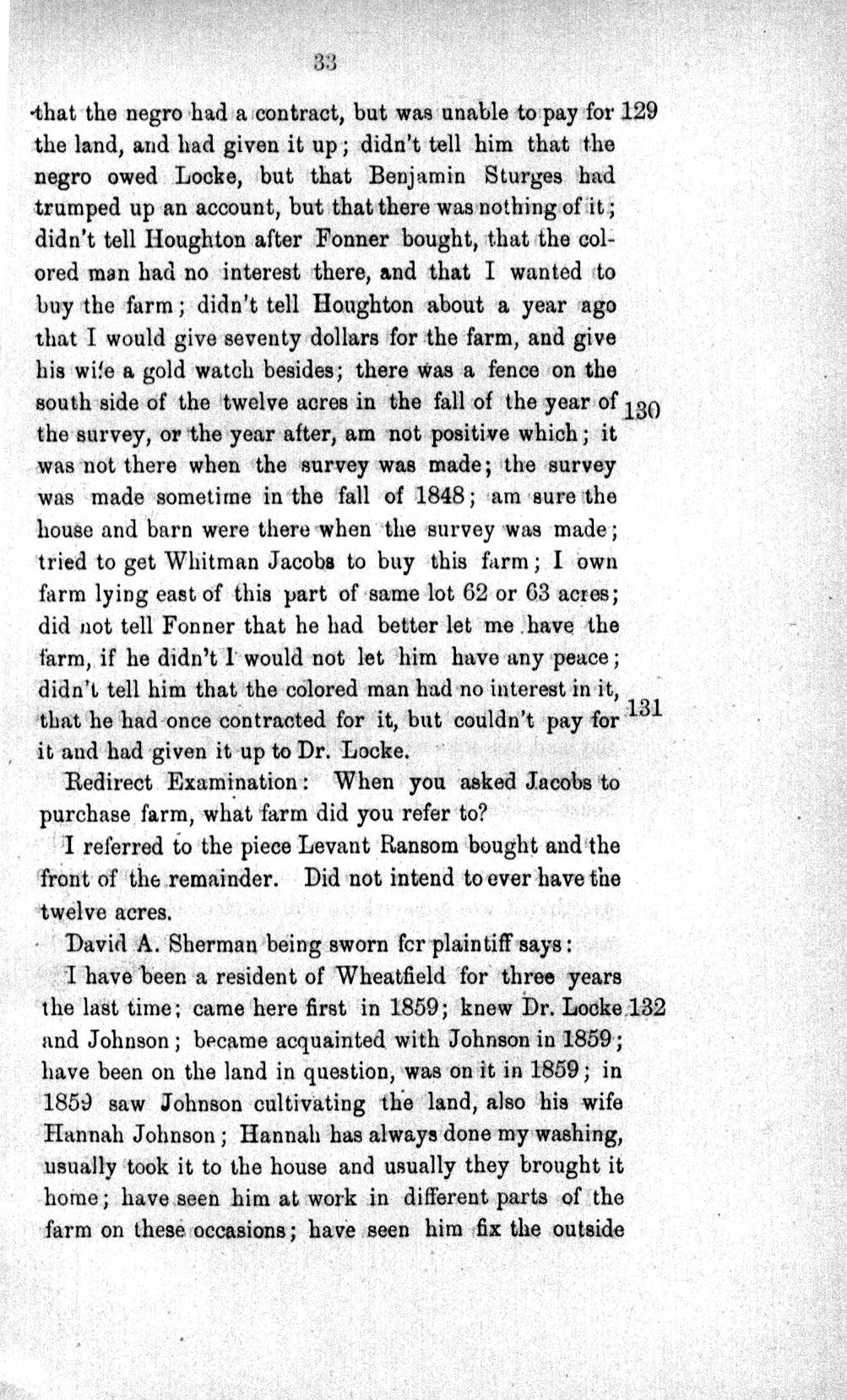
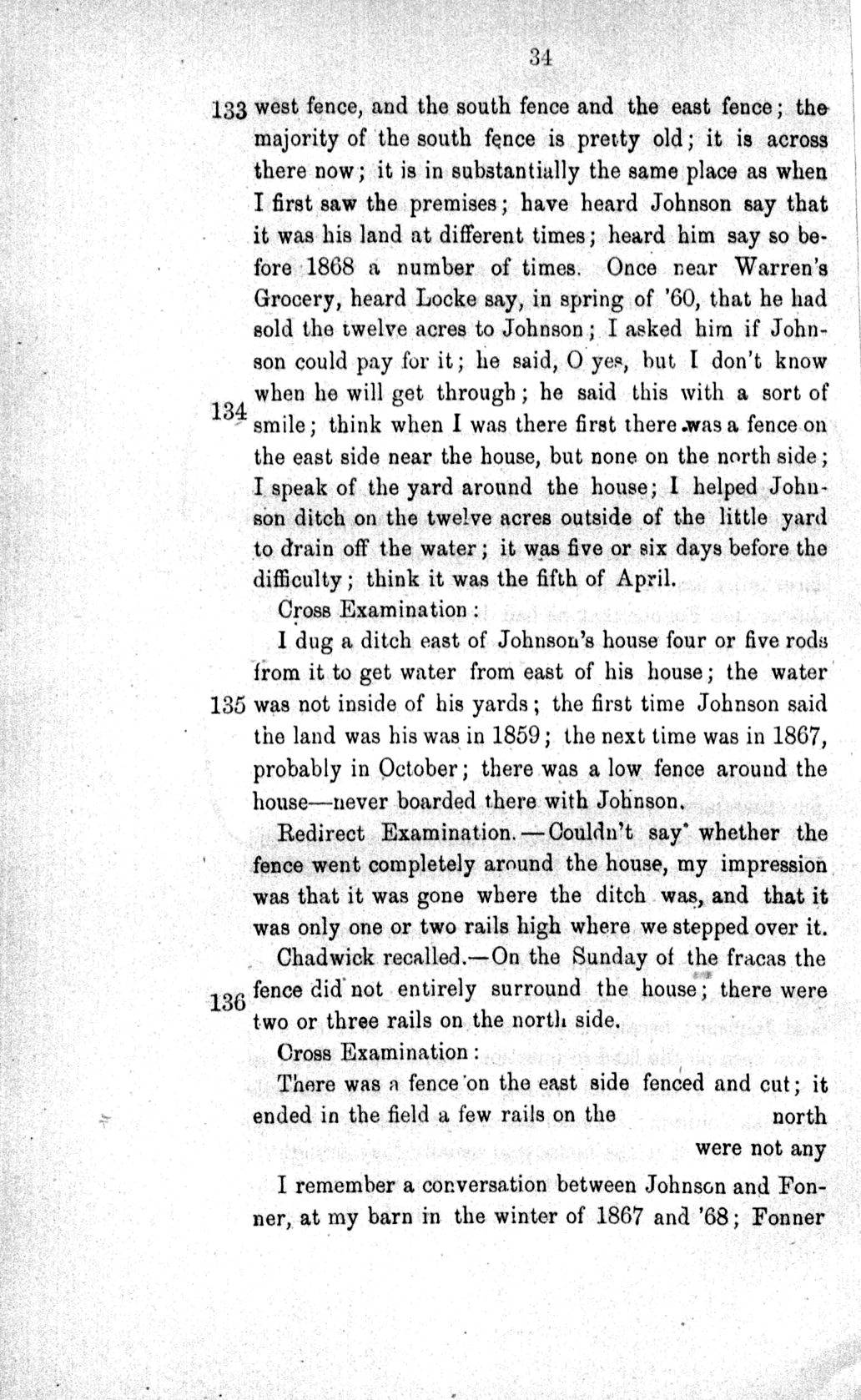
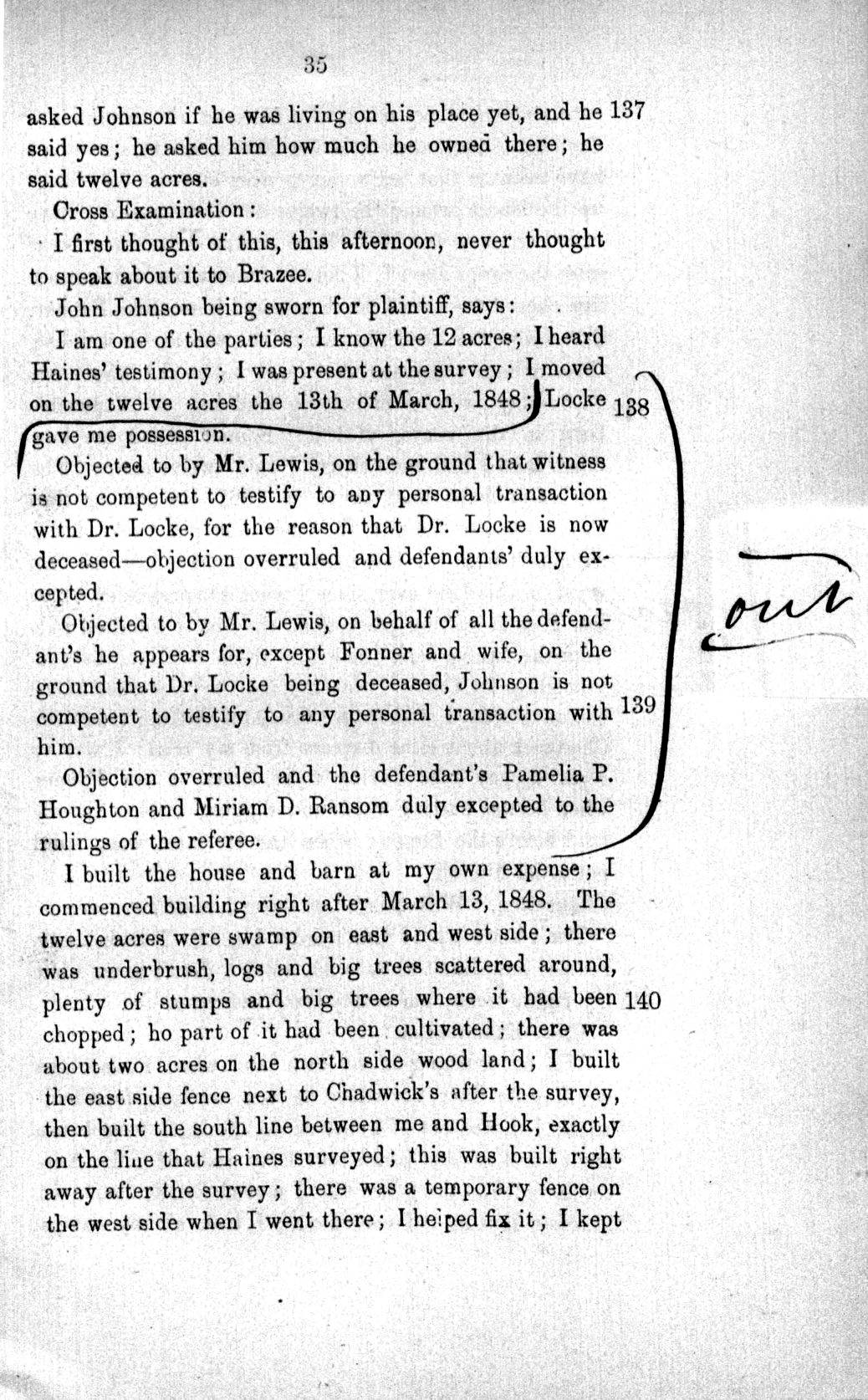
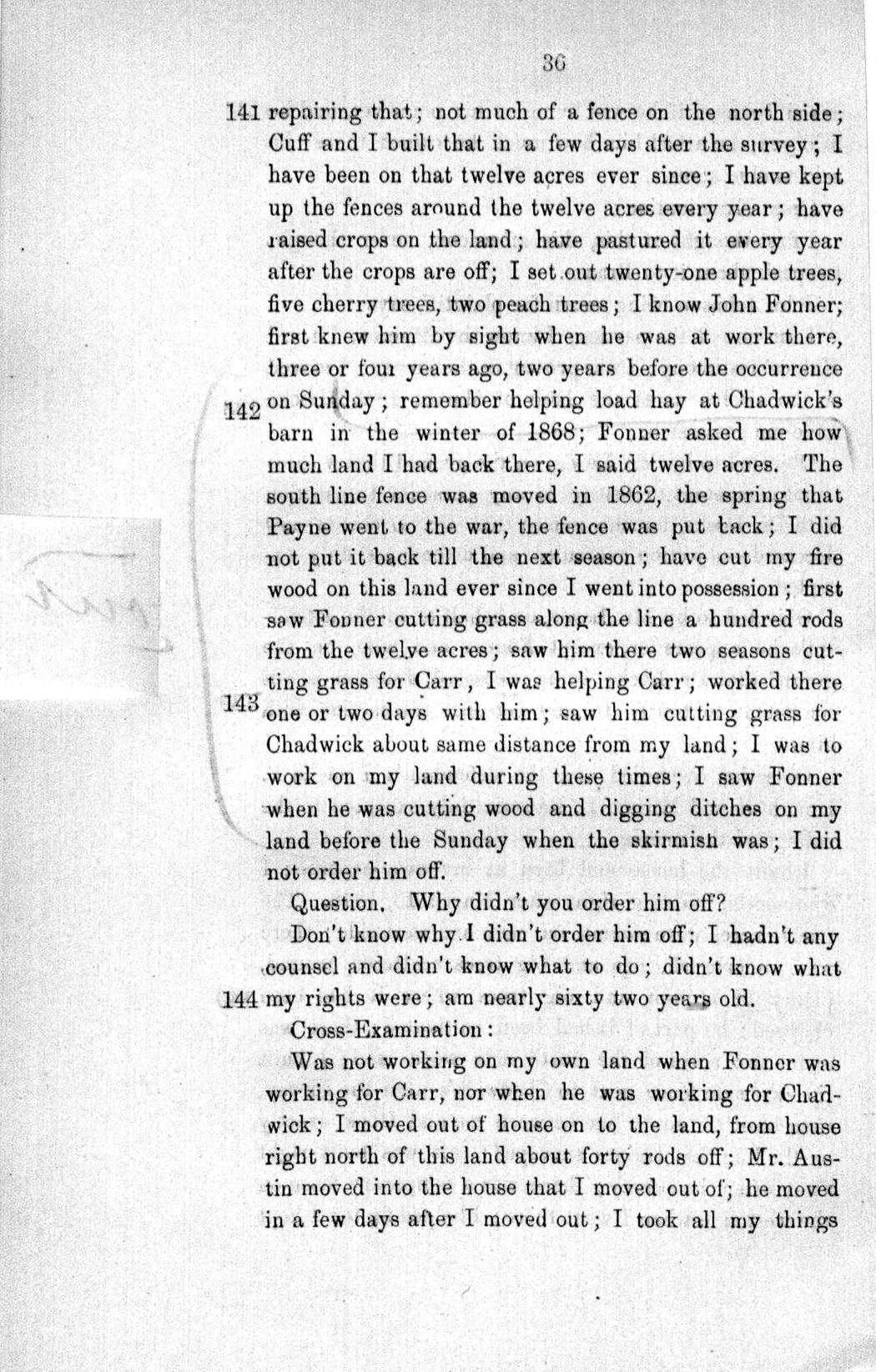
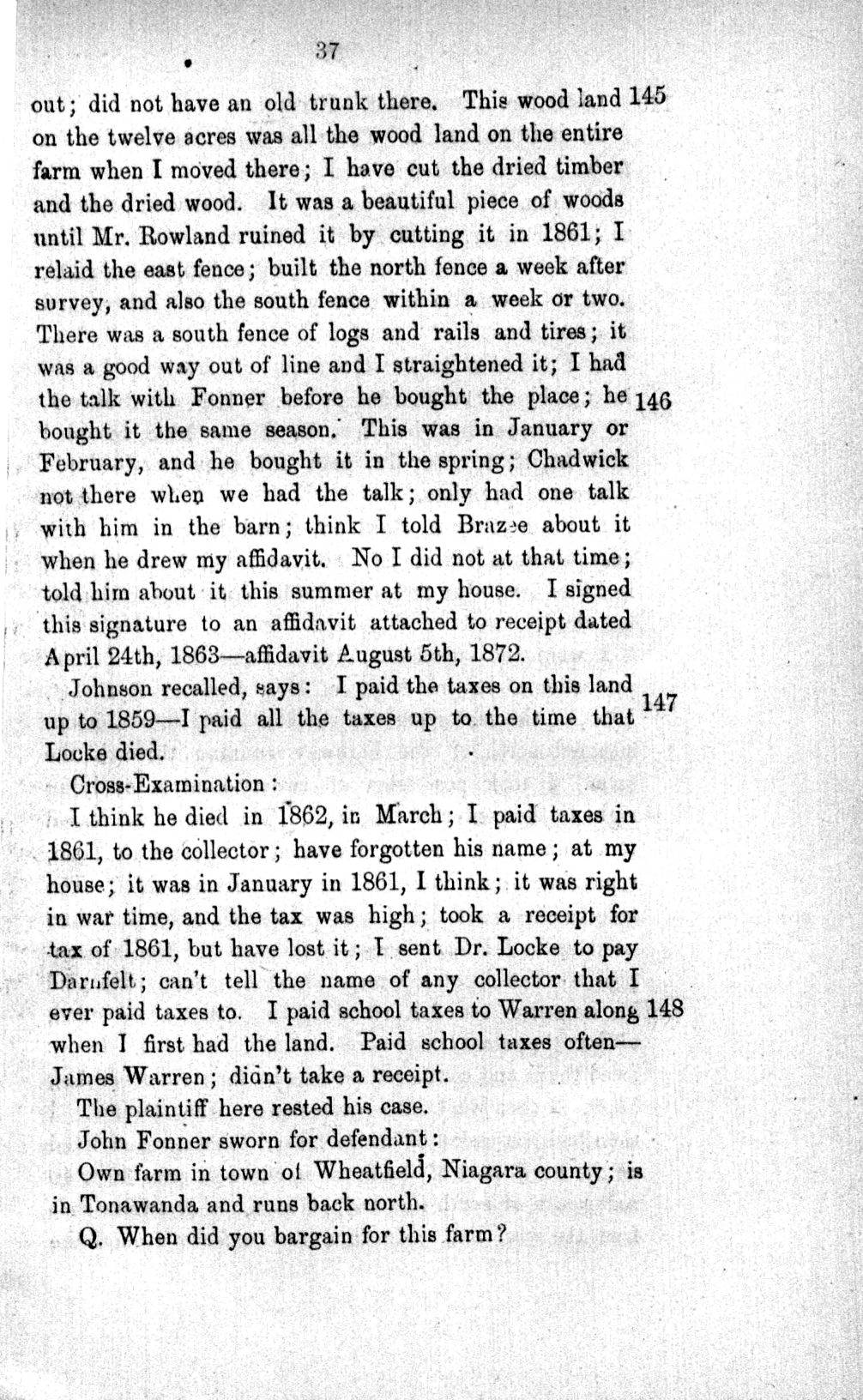
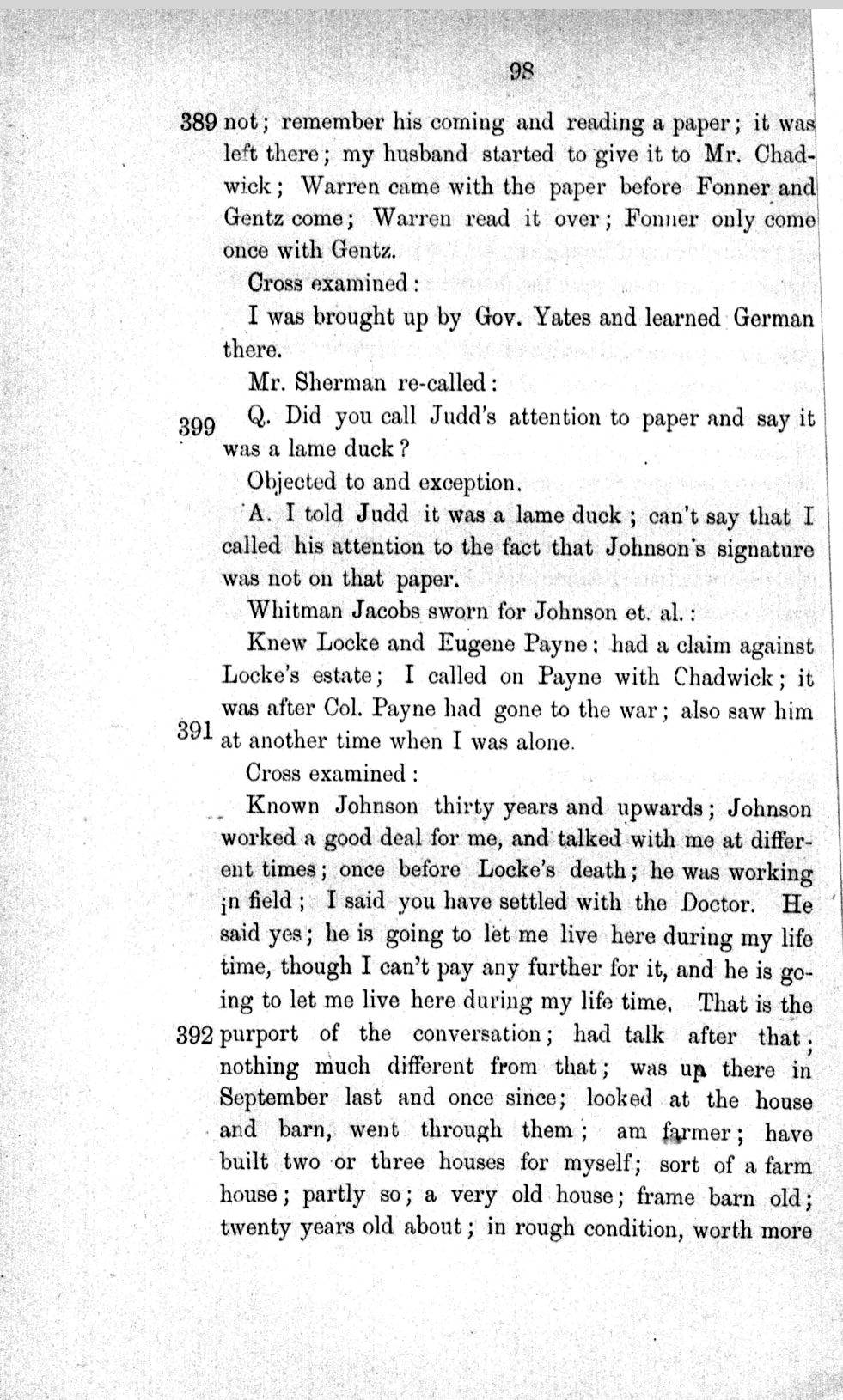
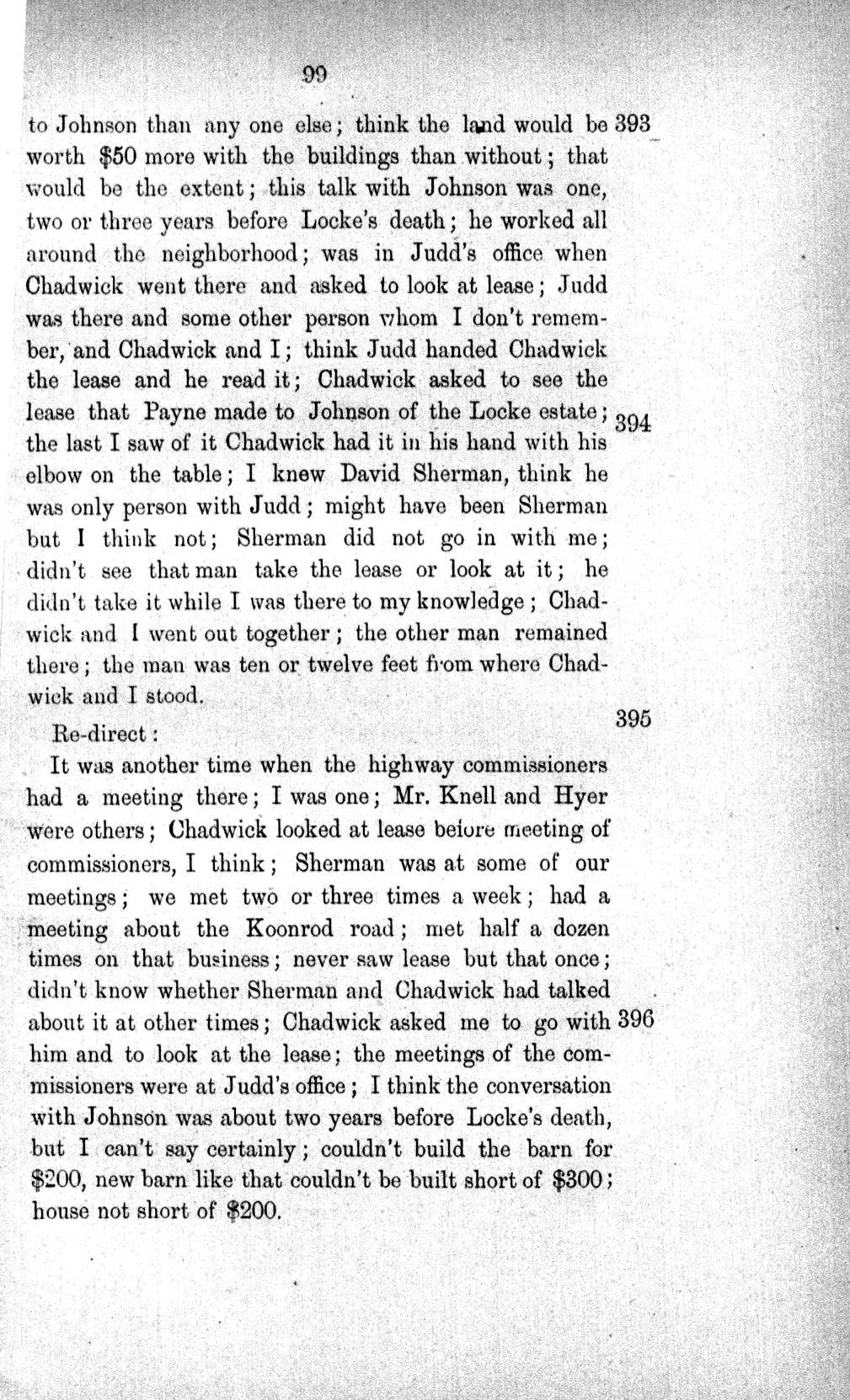
The Fonner and Locke-heir side begins with John Fonner at the bottom of packet page 37 and continues through the defense witness run. The main run is fully underway on packet page 38.
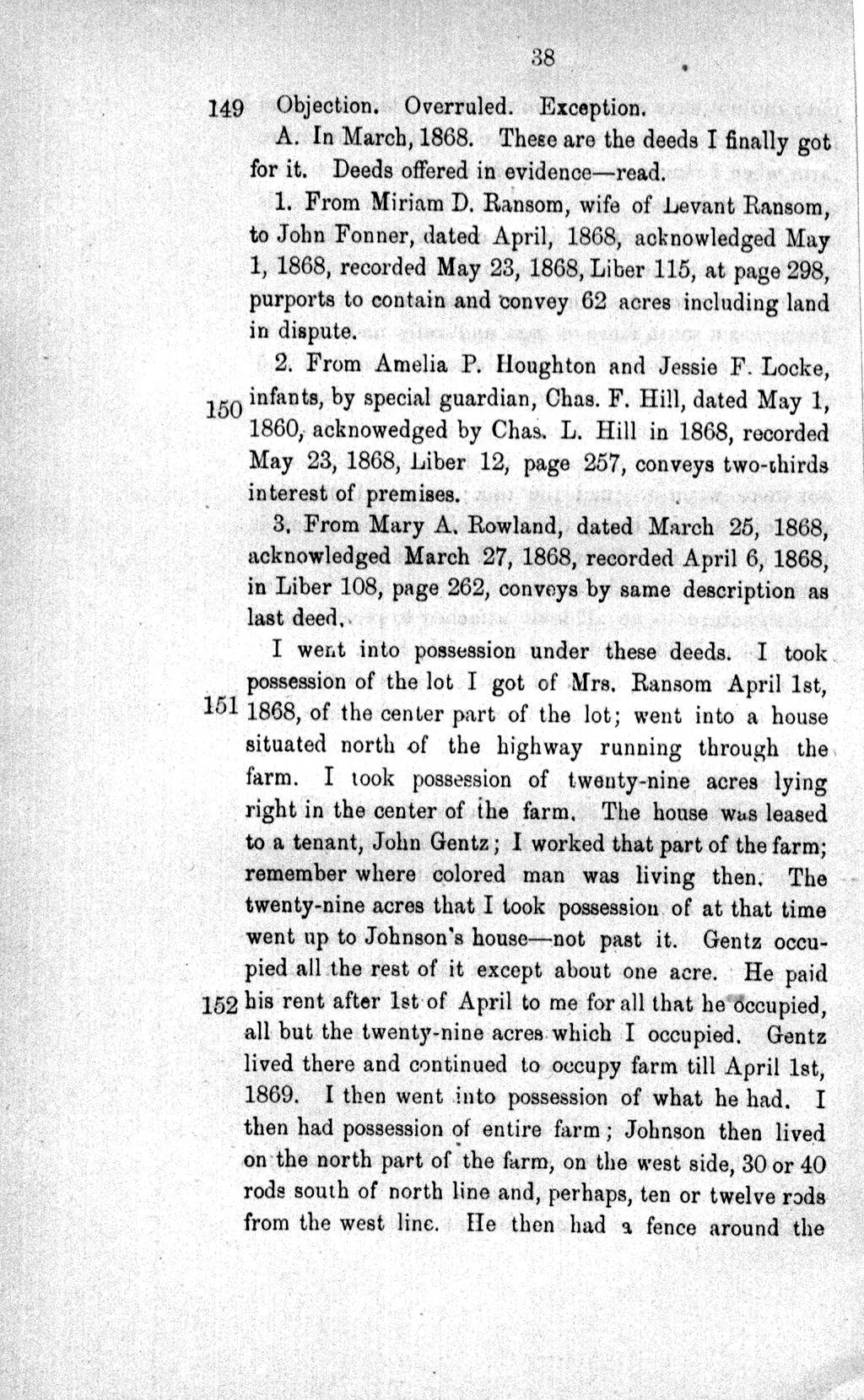
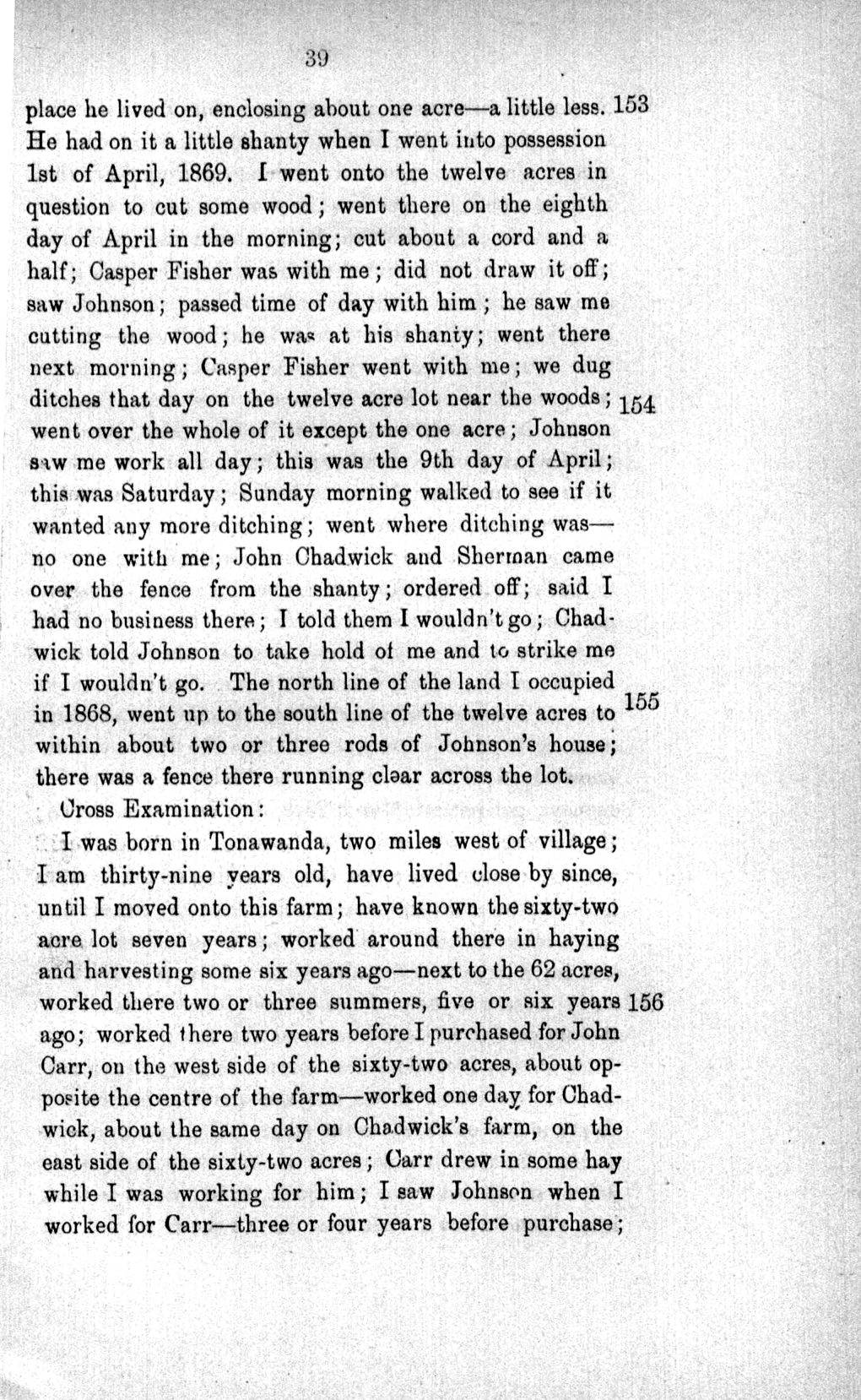
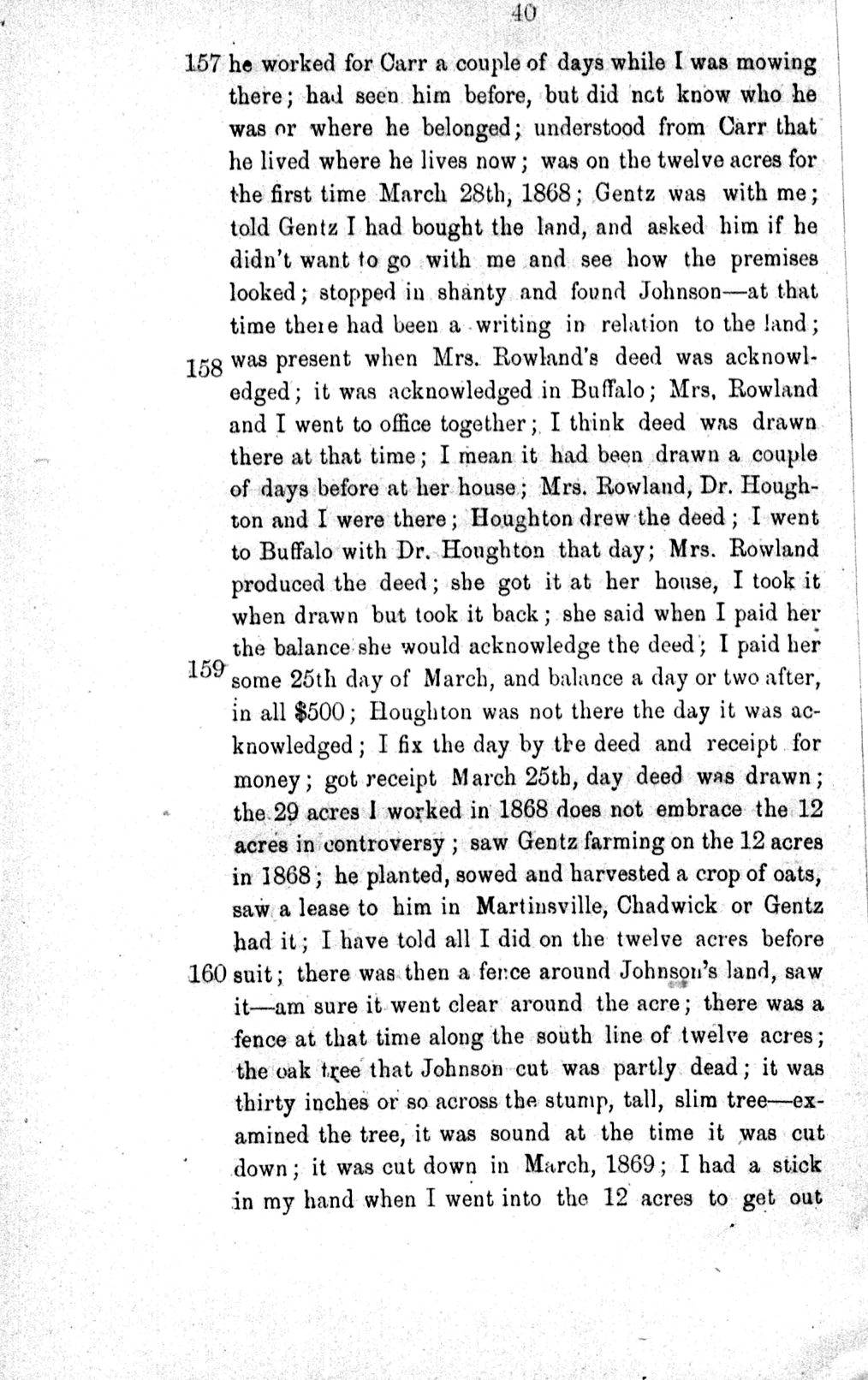
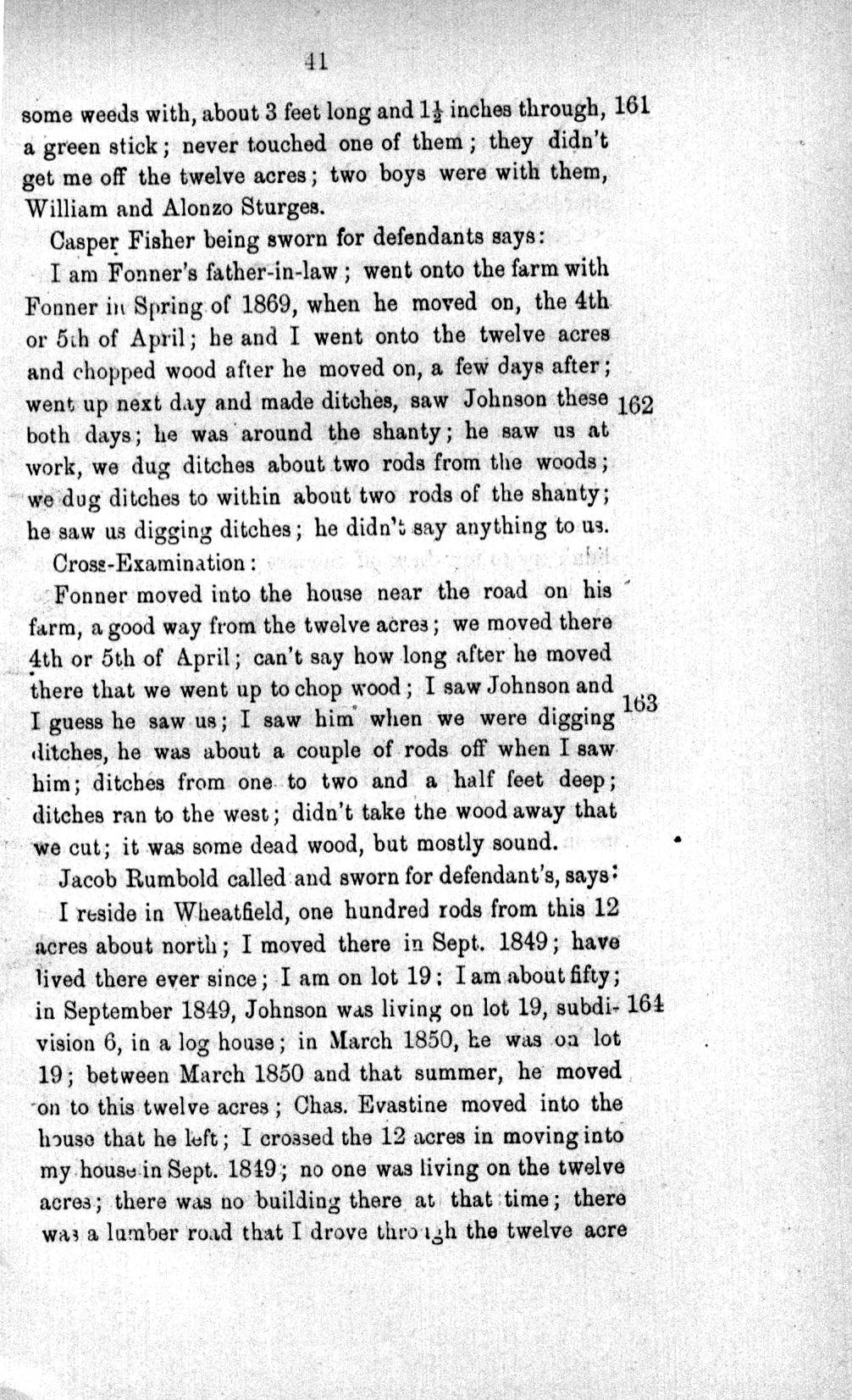
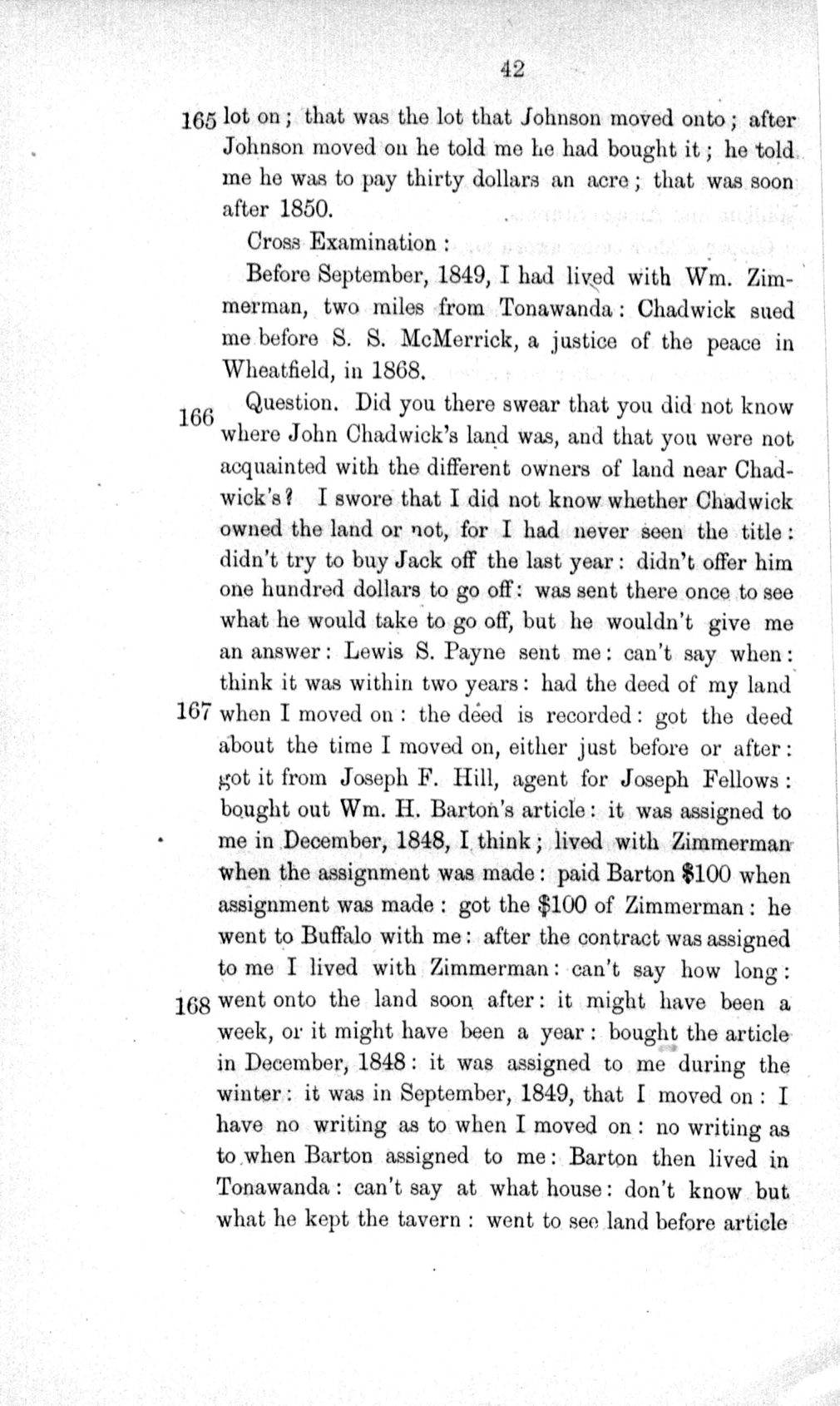
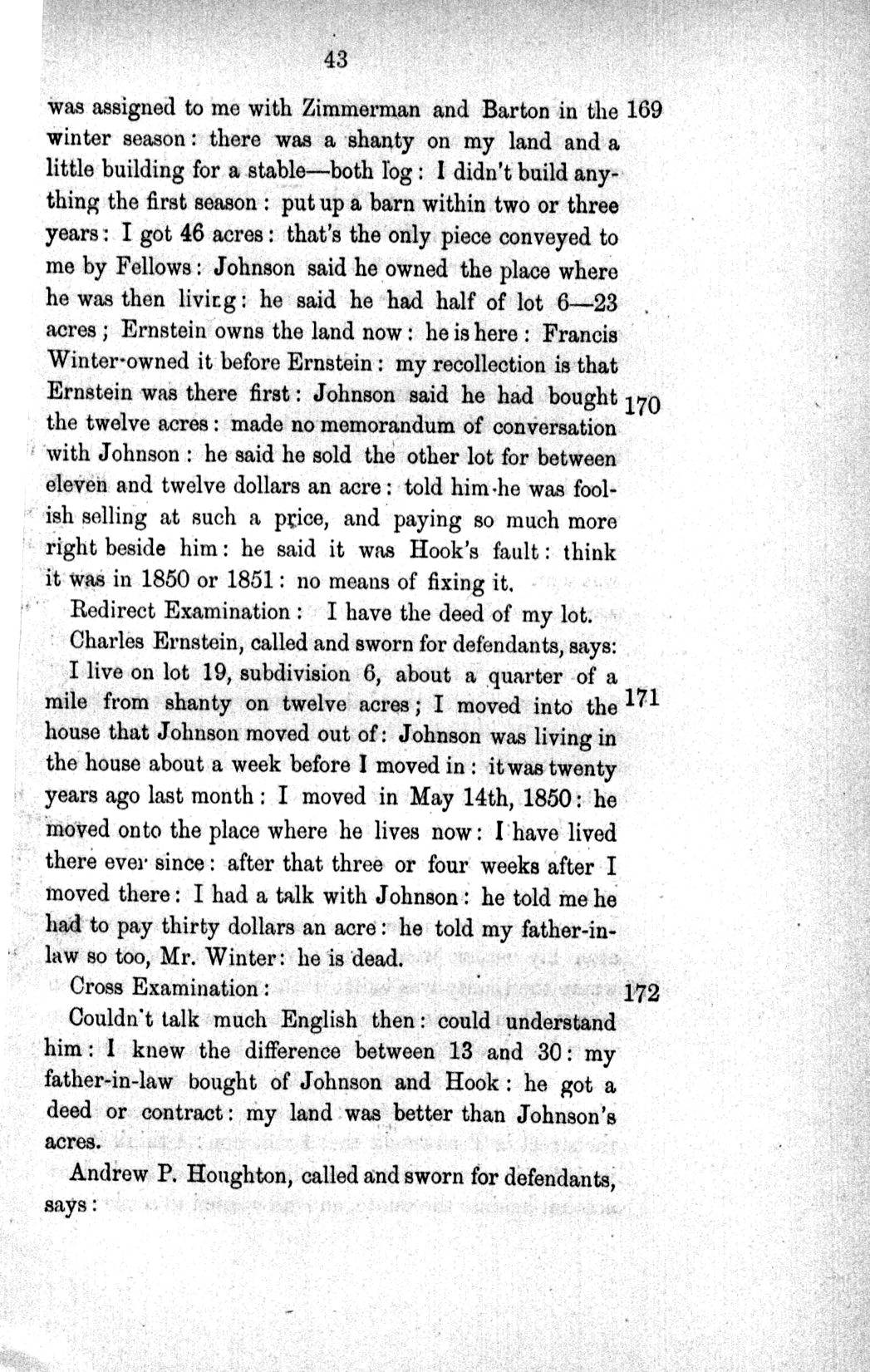
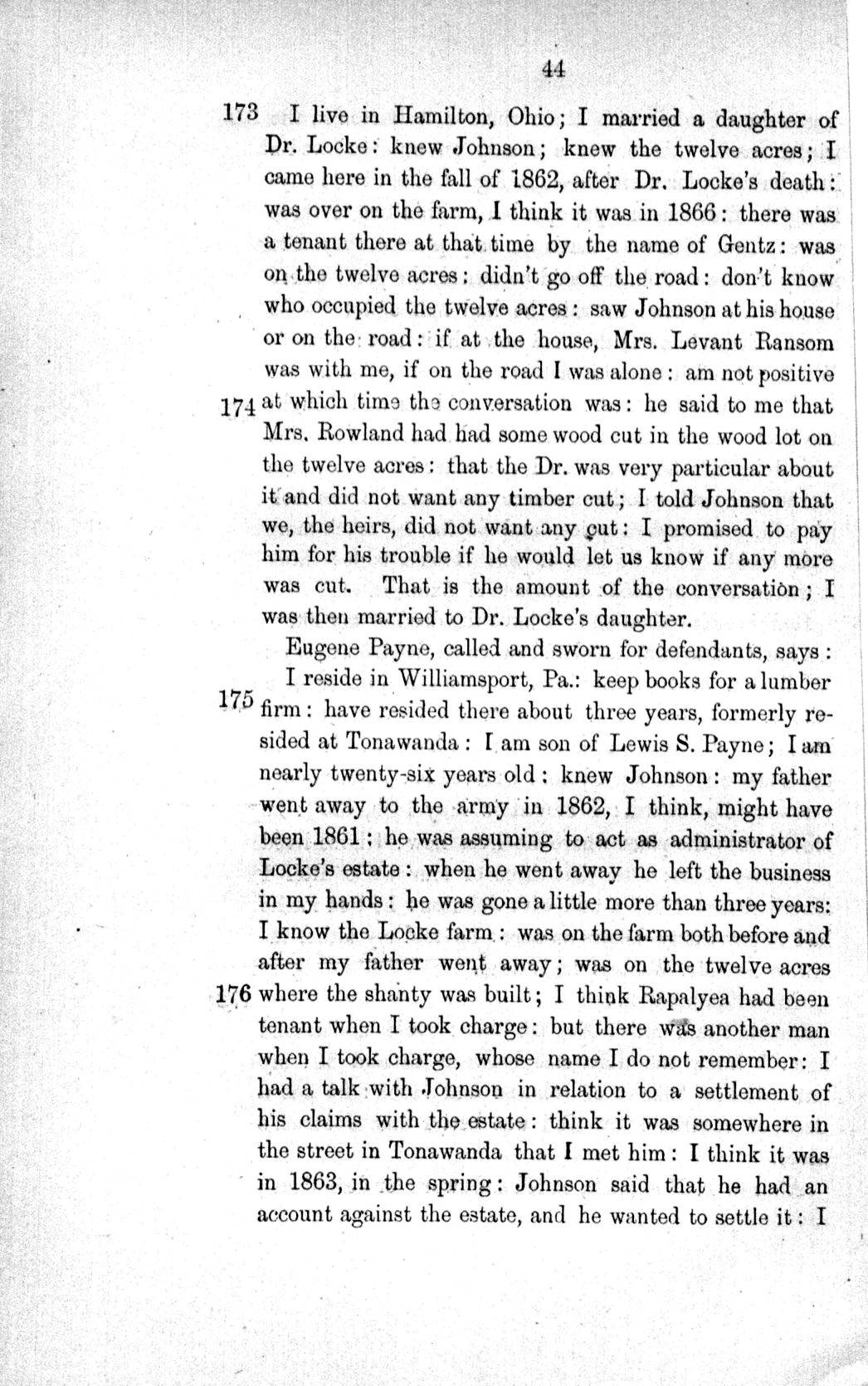
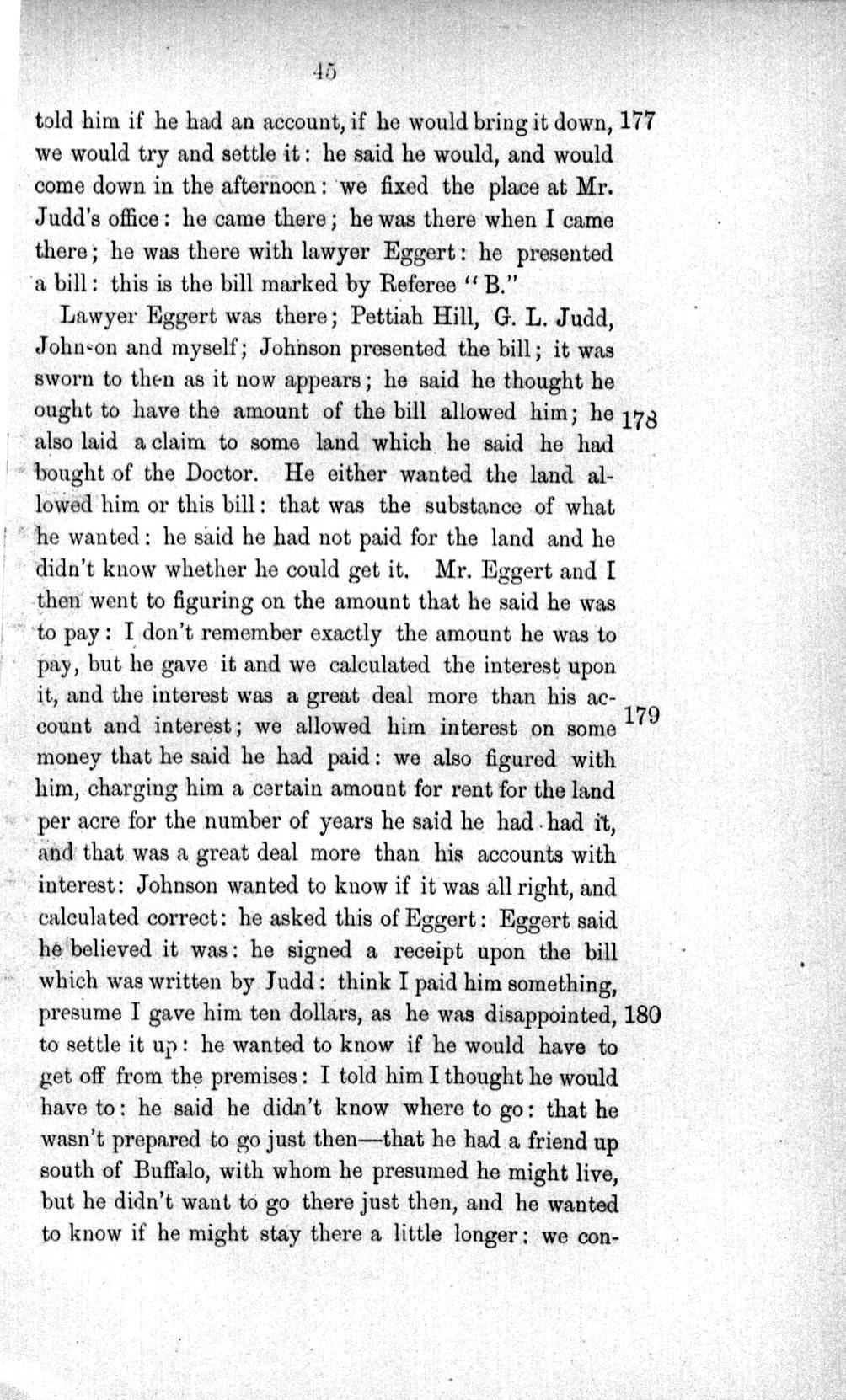
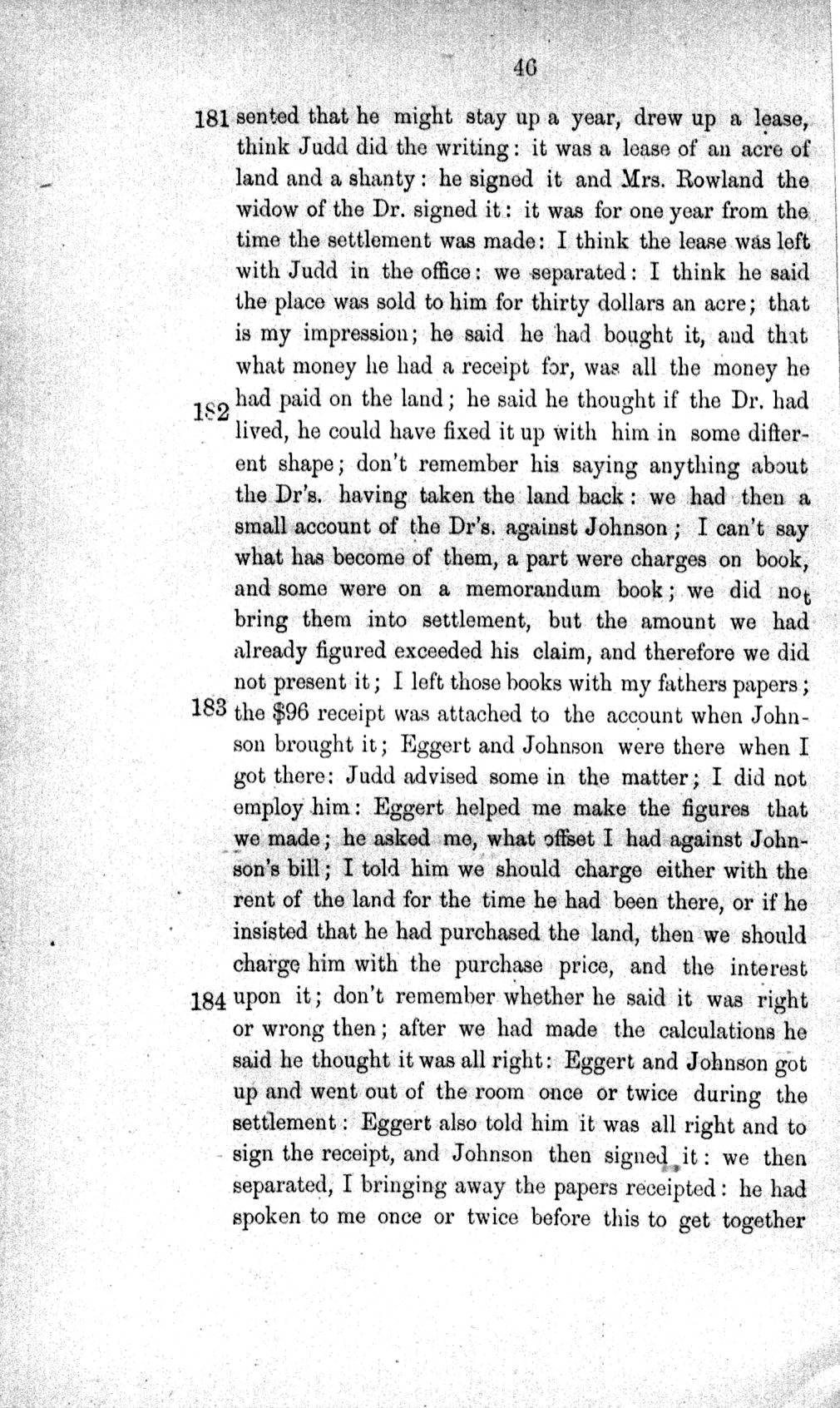
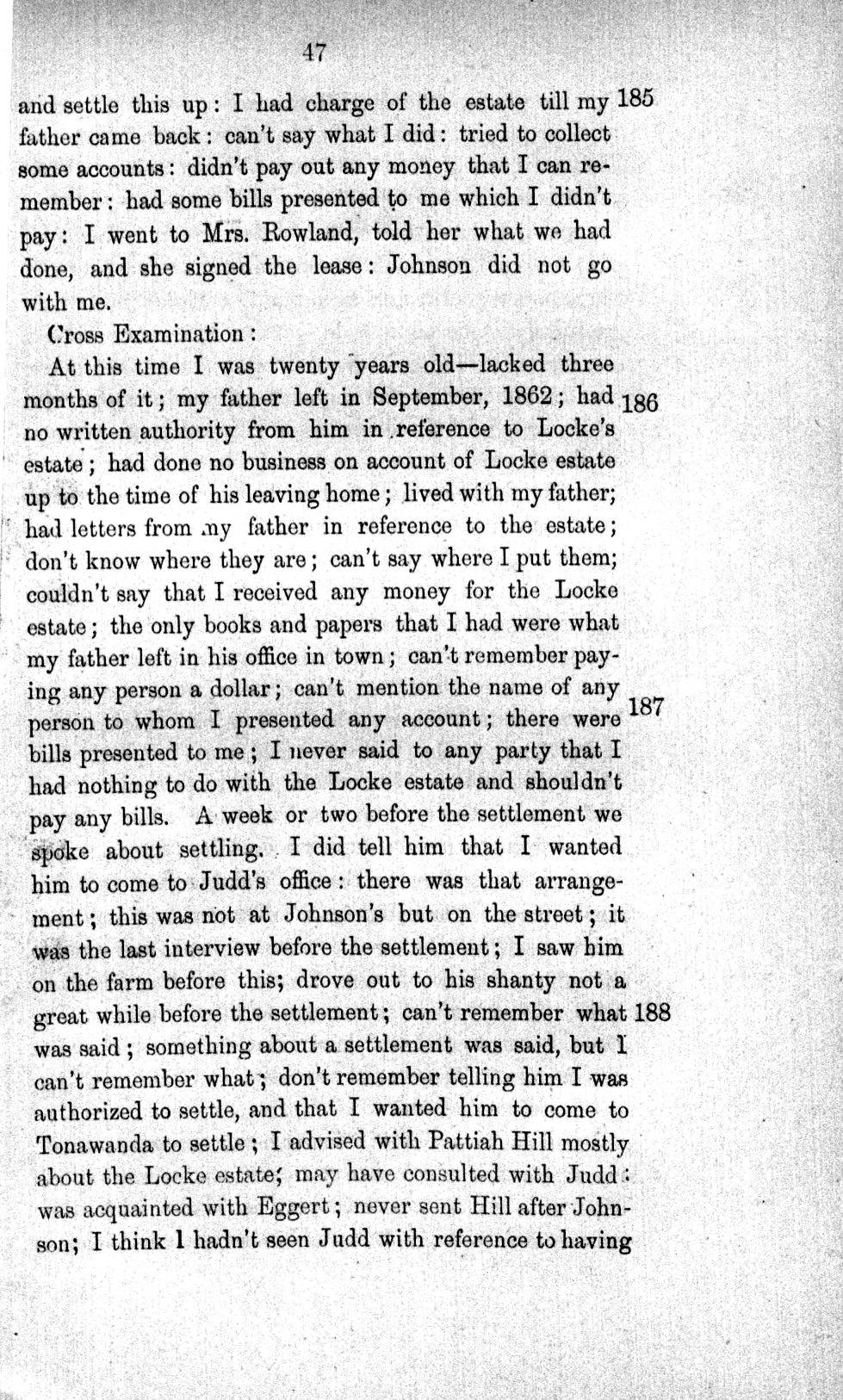
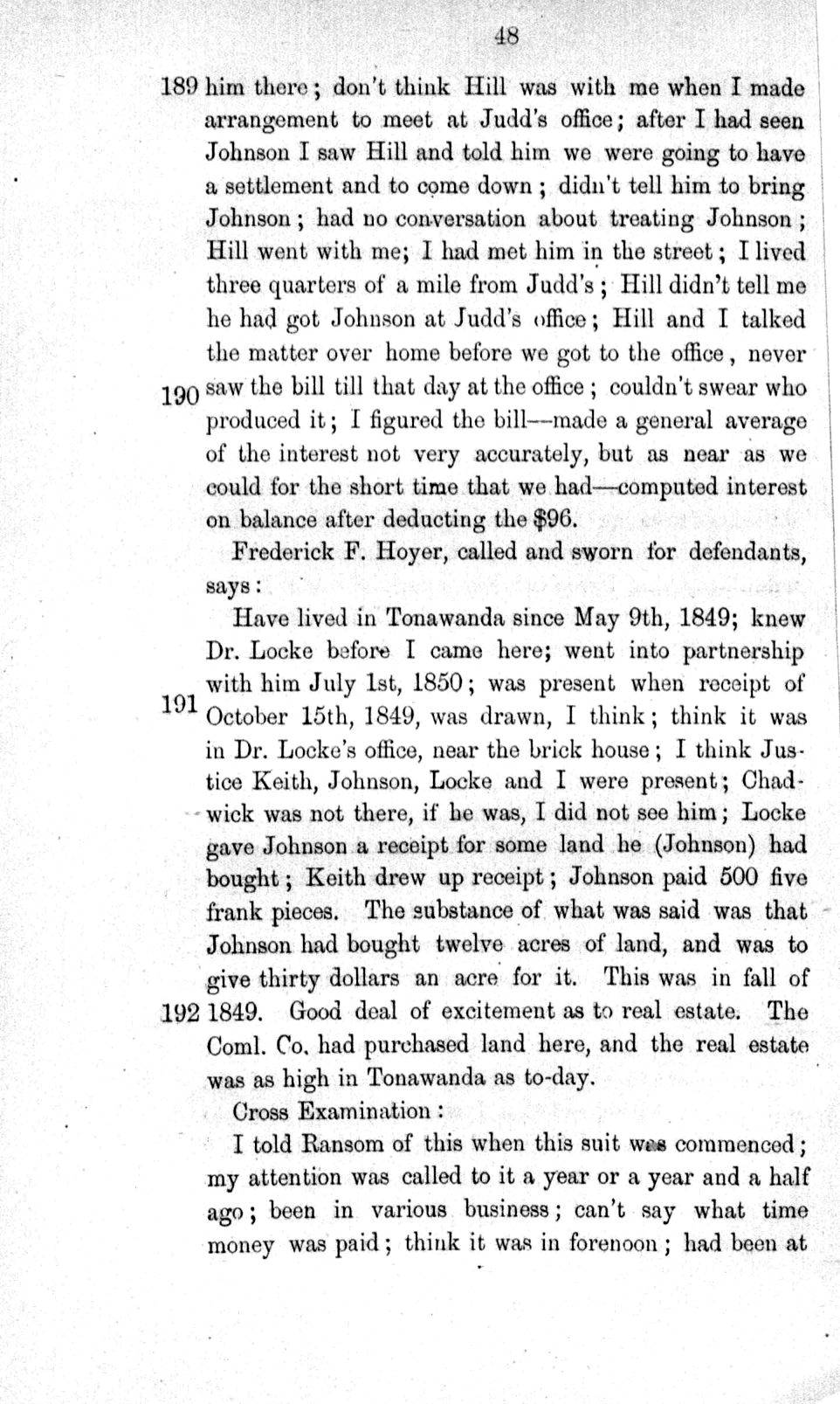
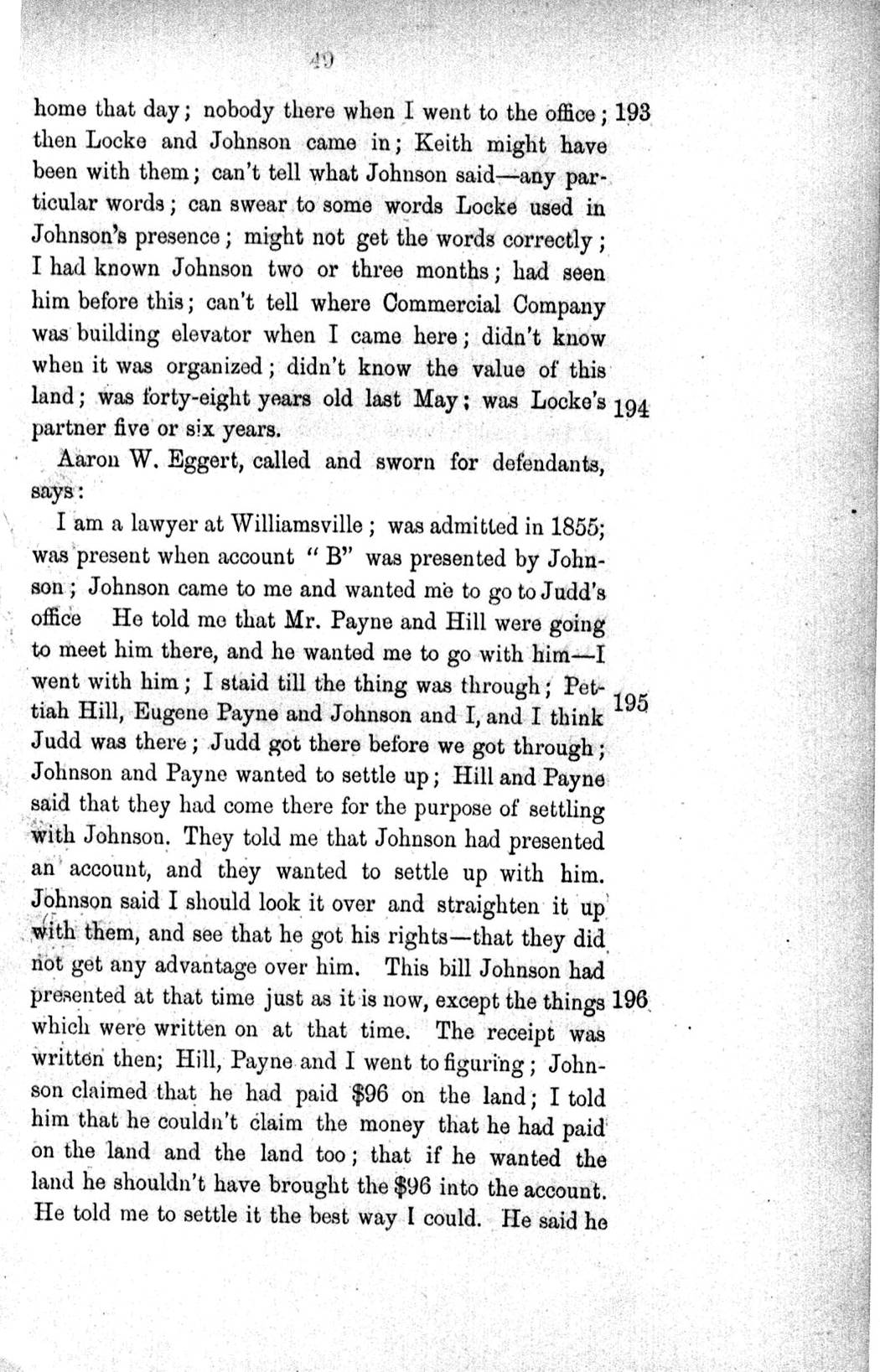
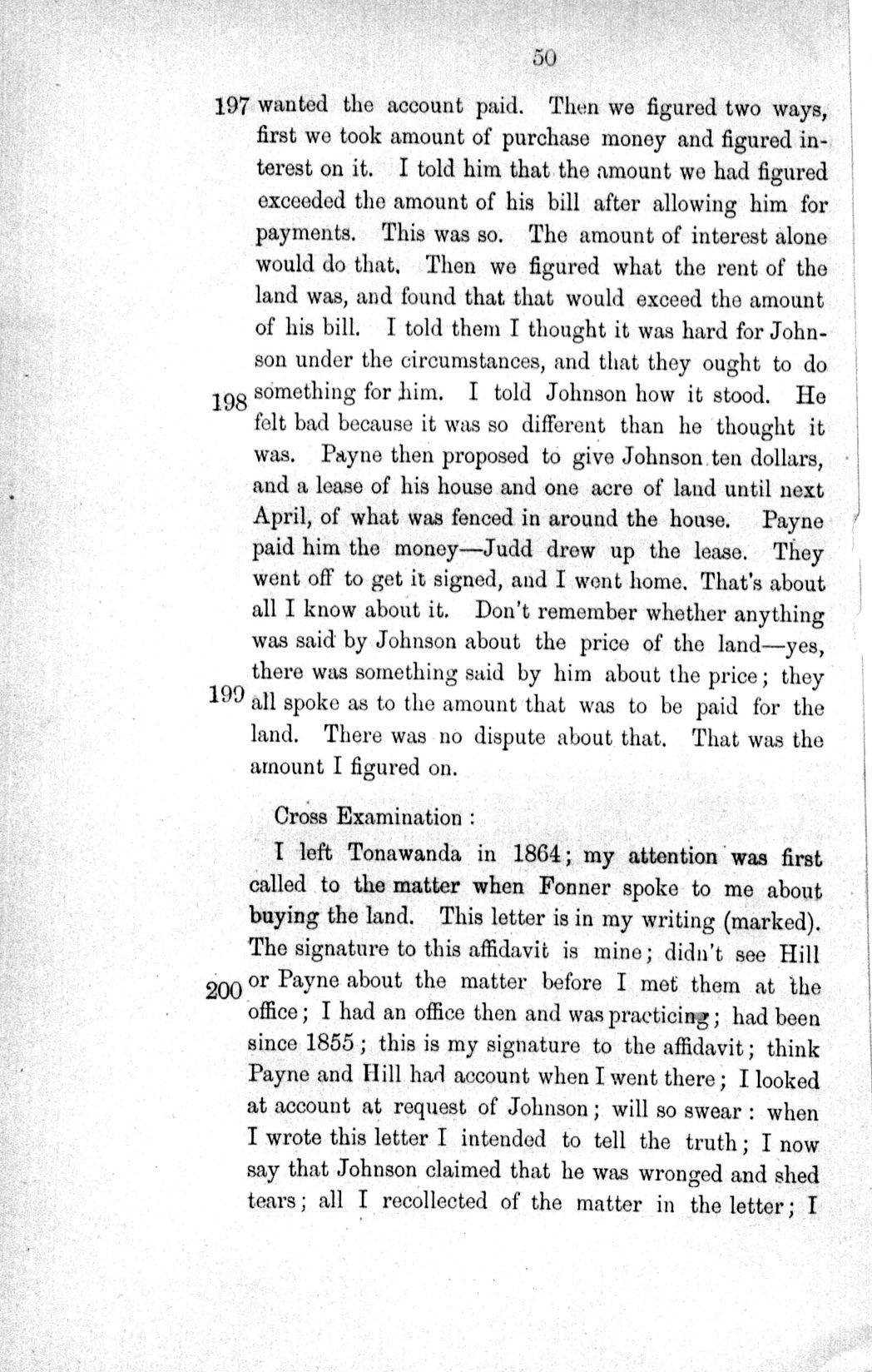
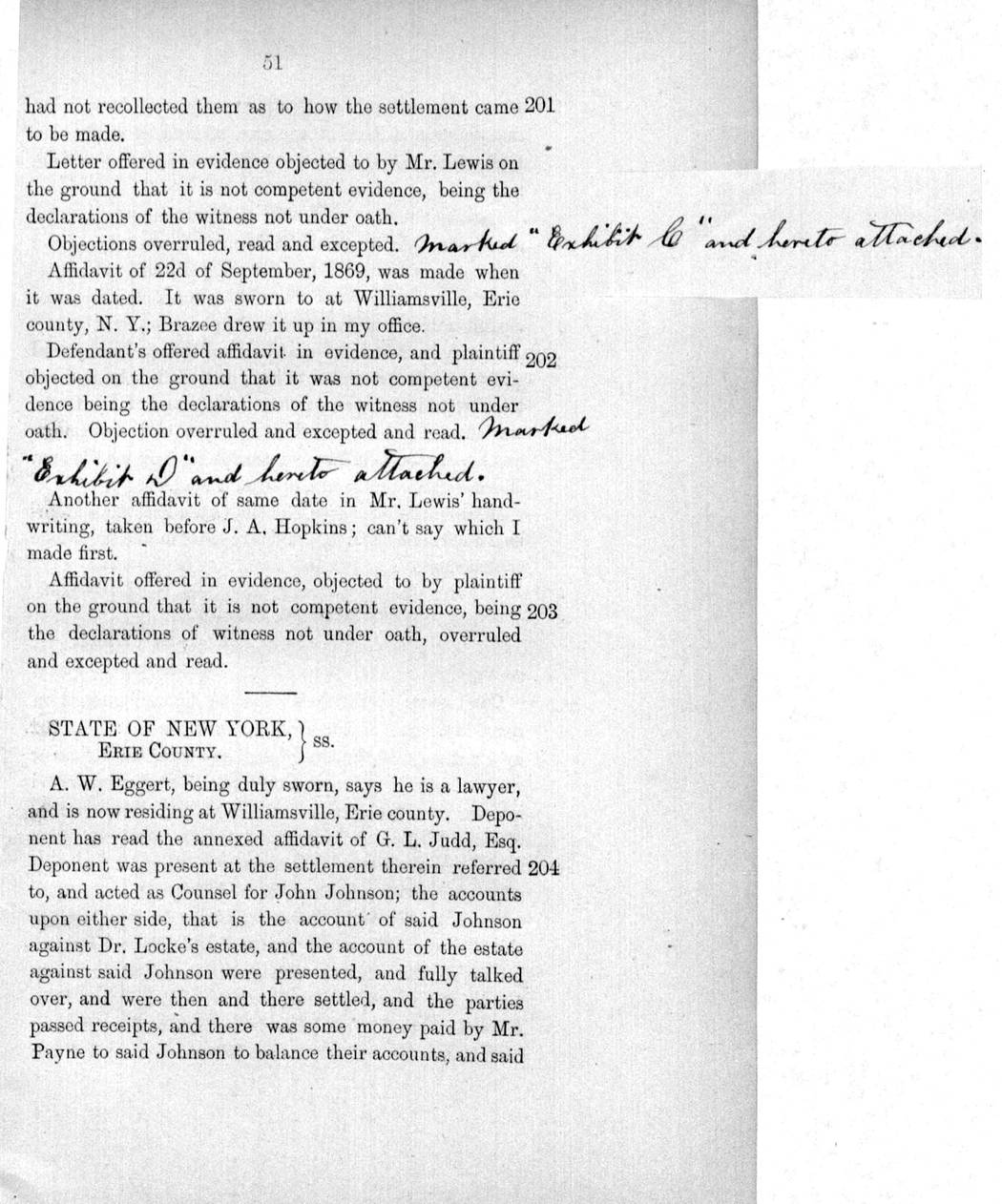
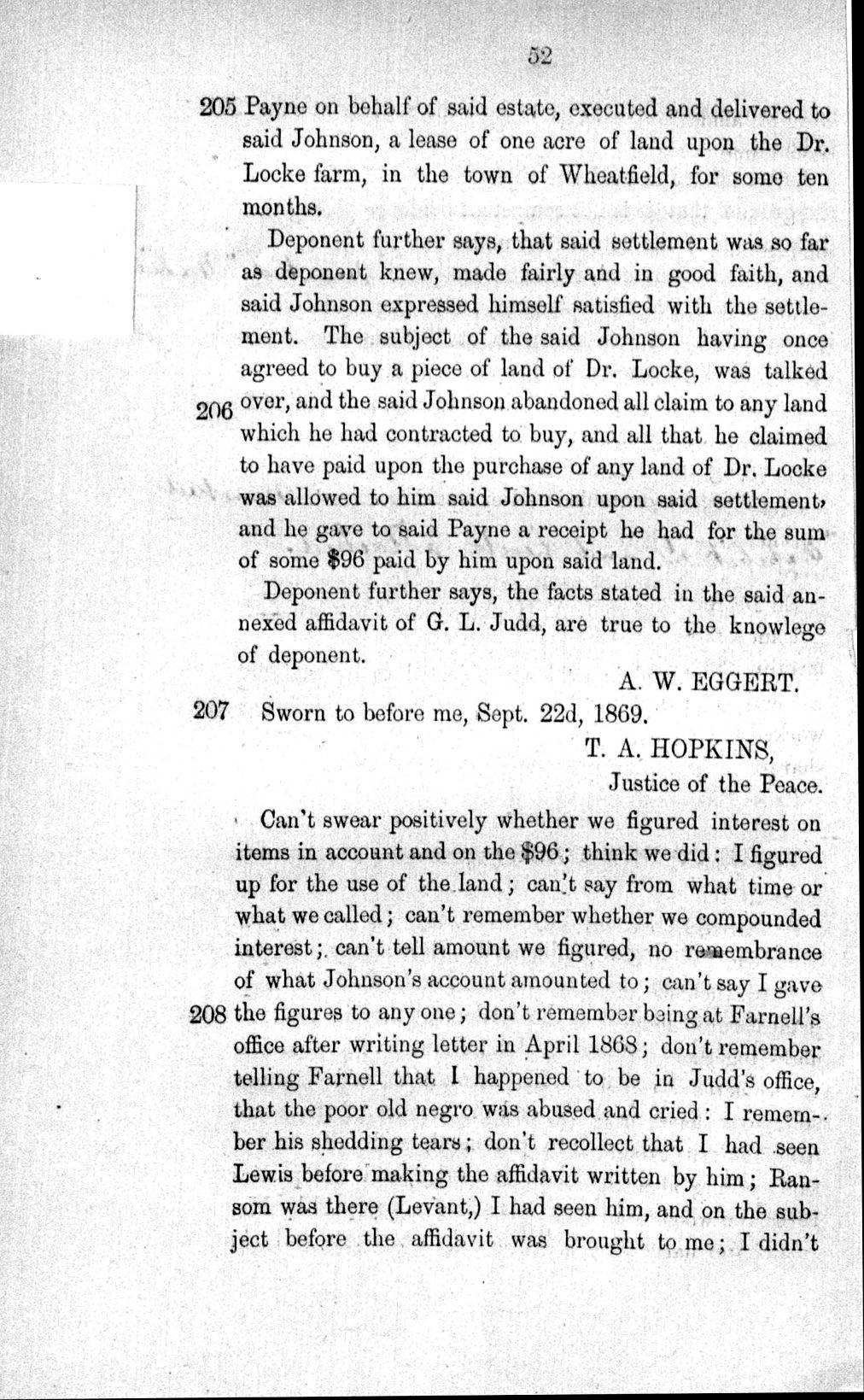
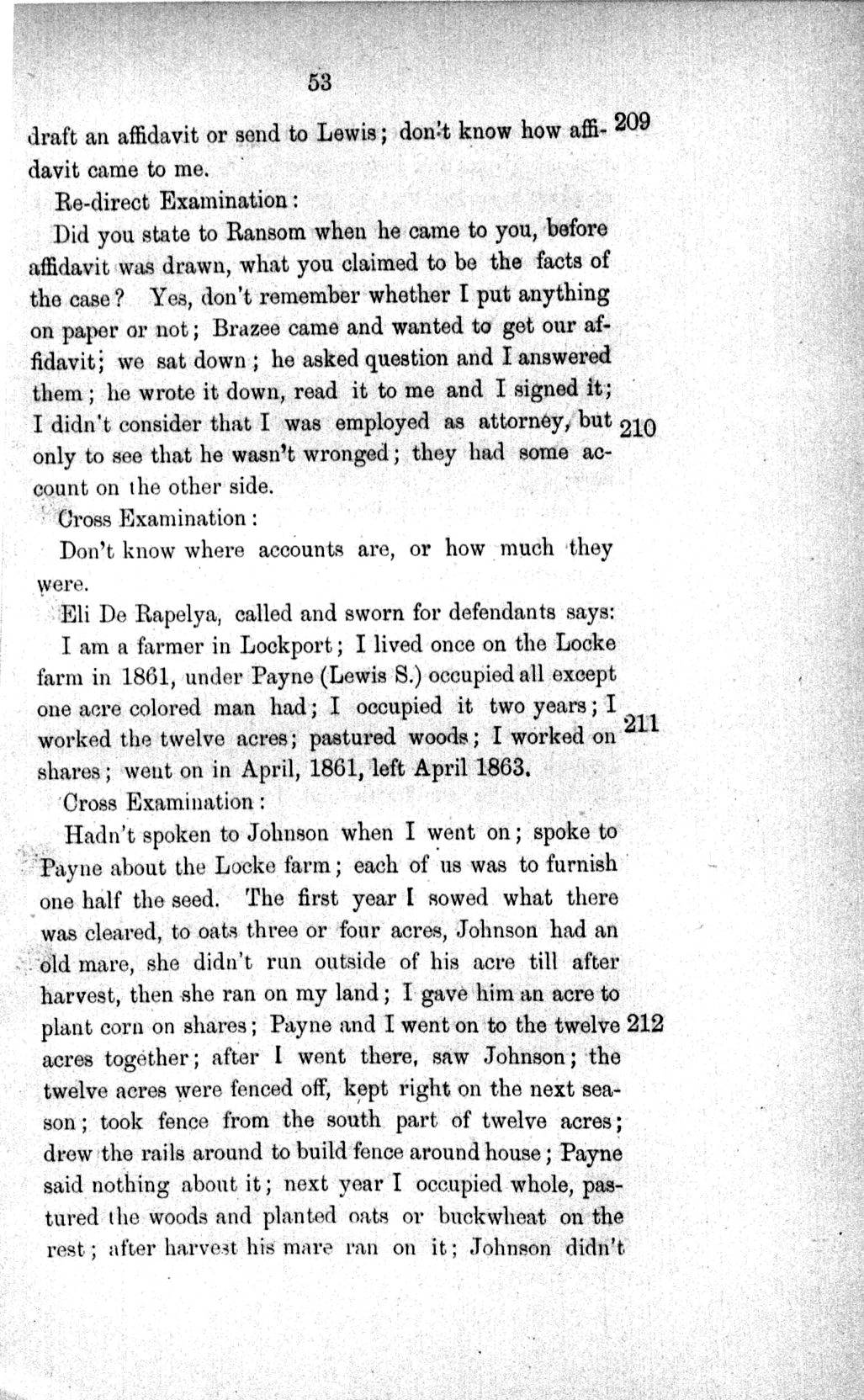
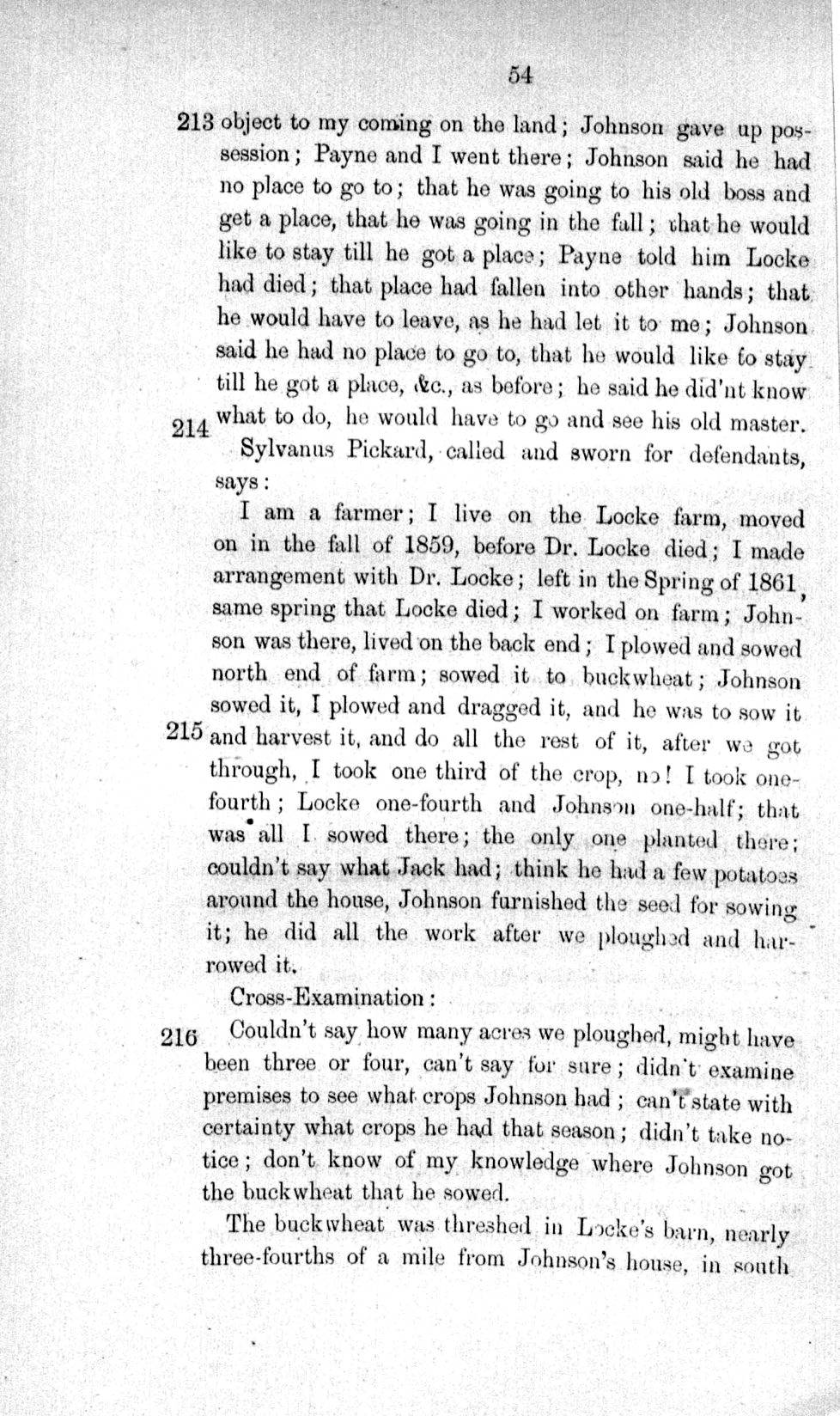
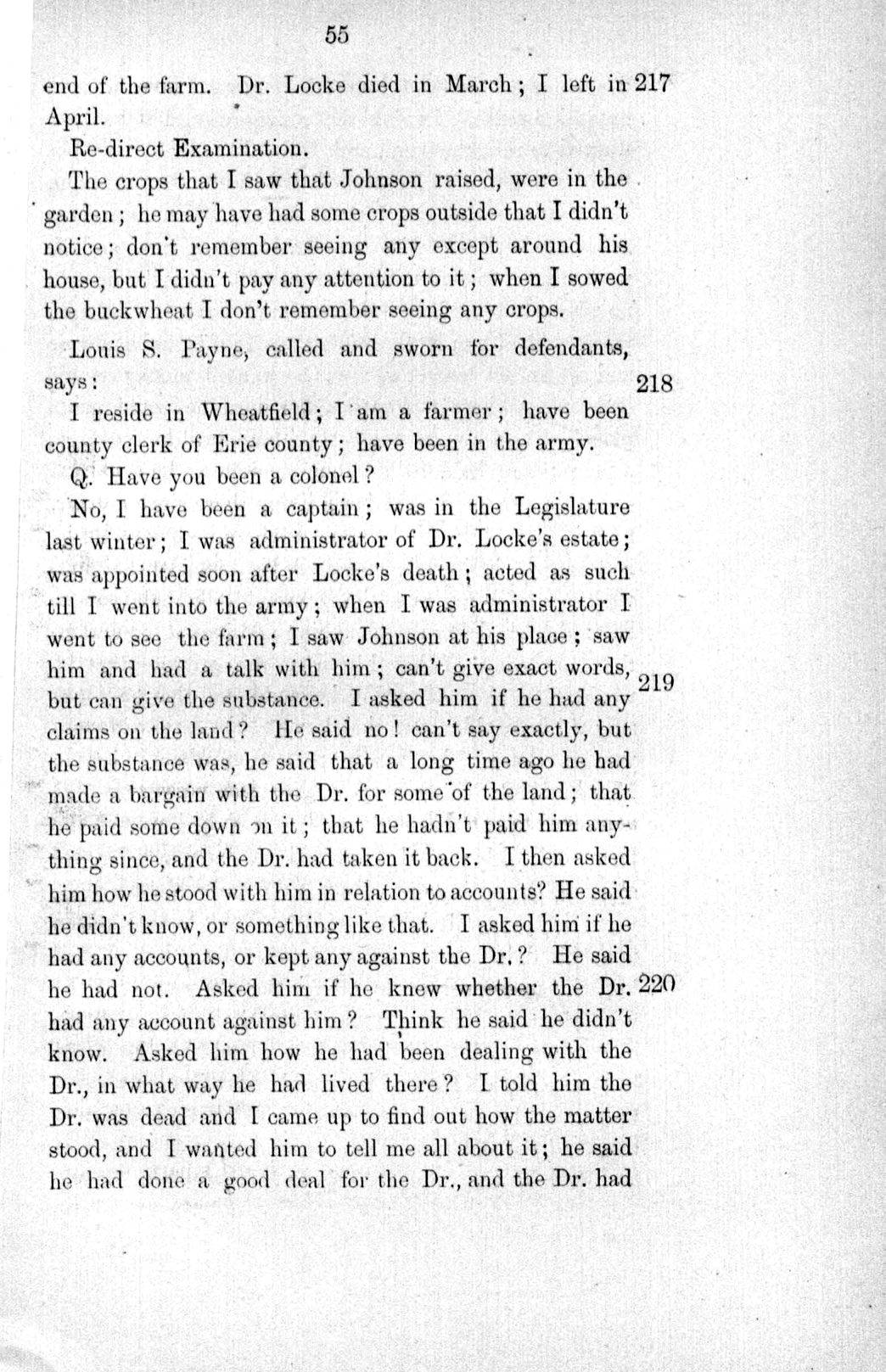
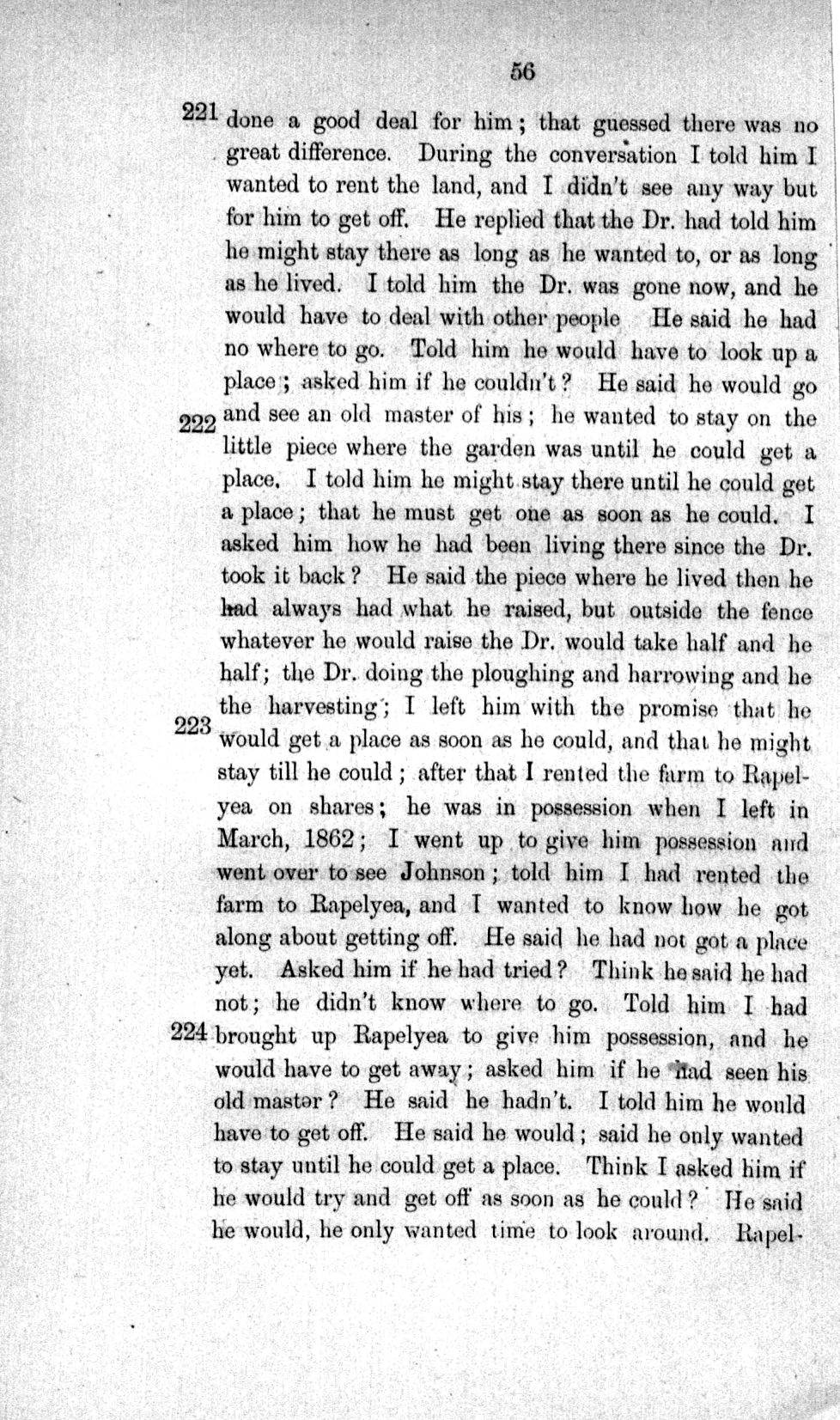
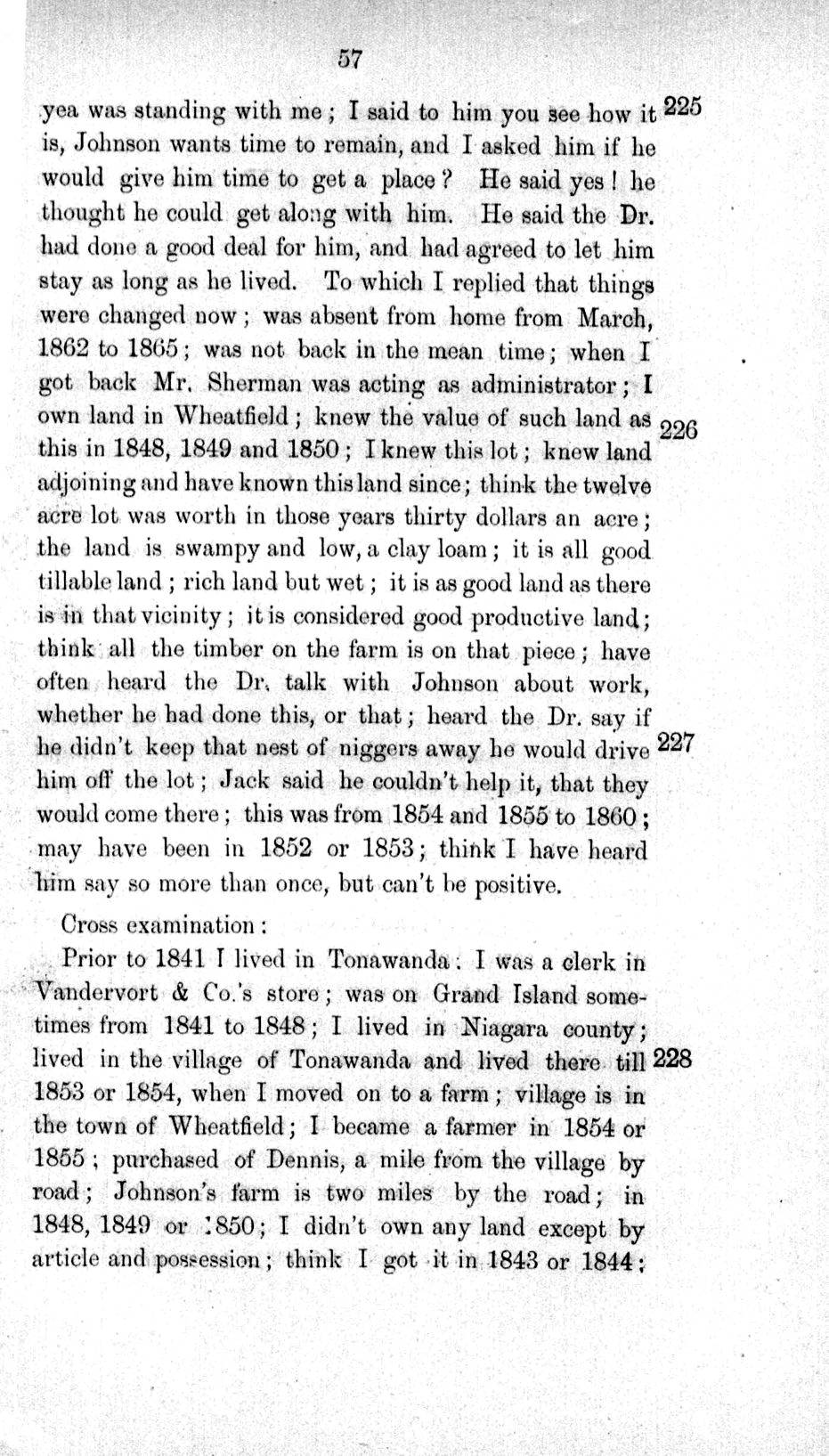
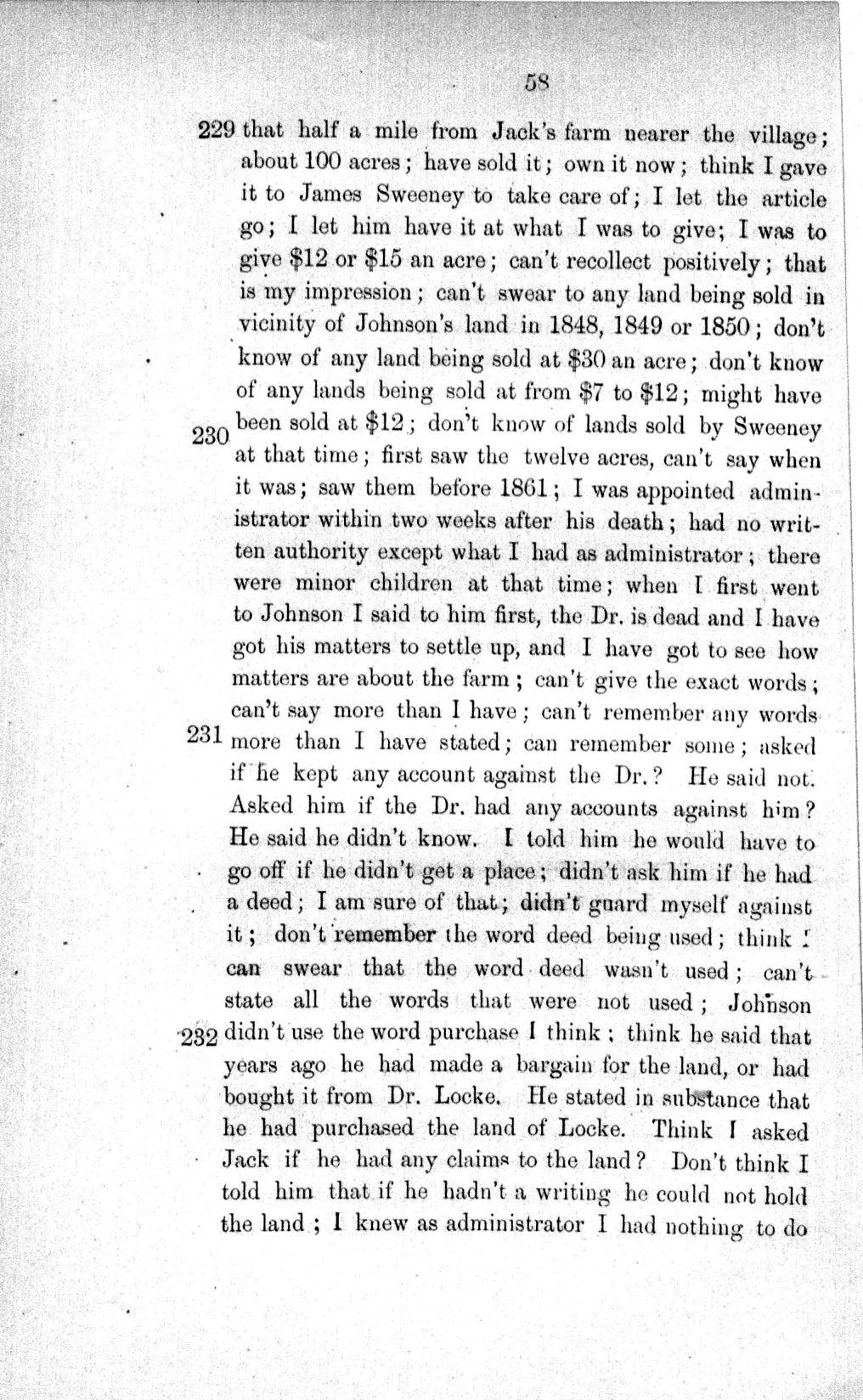
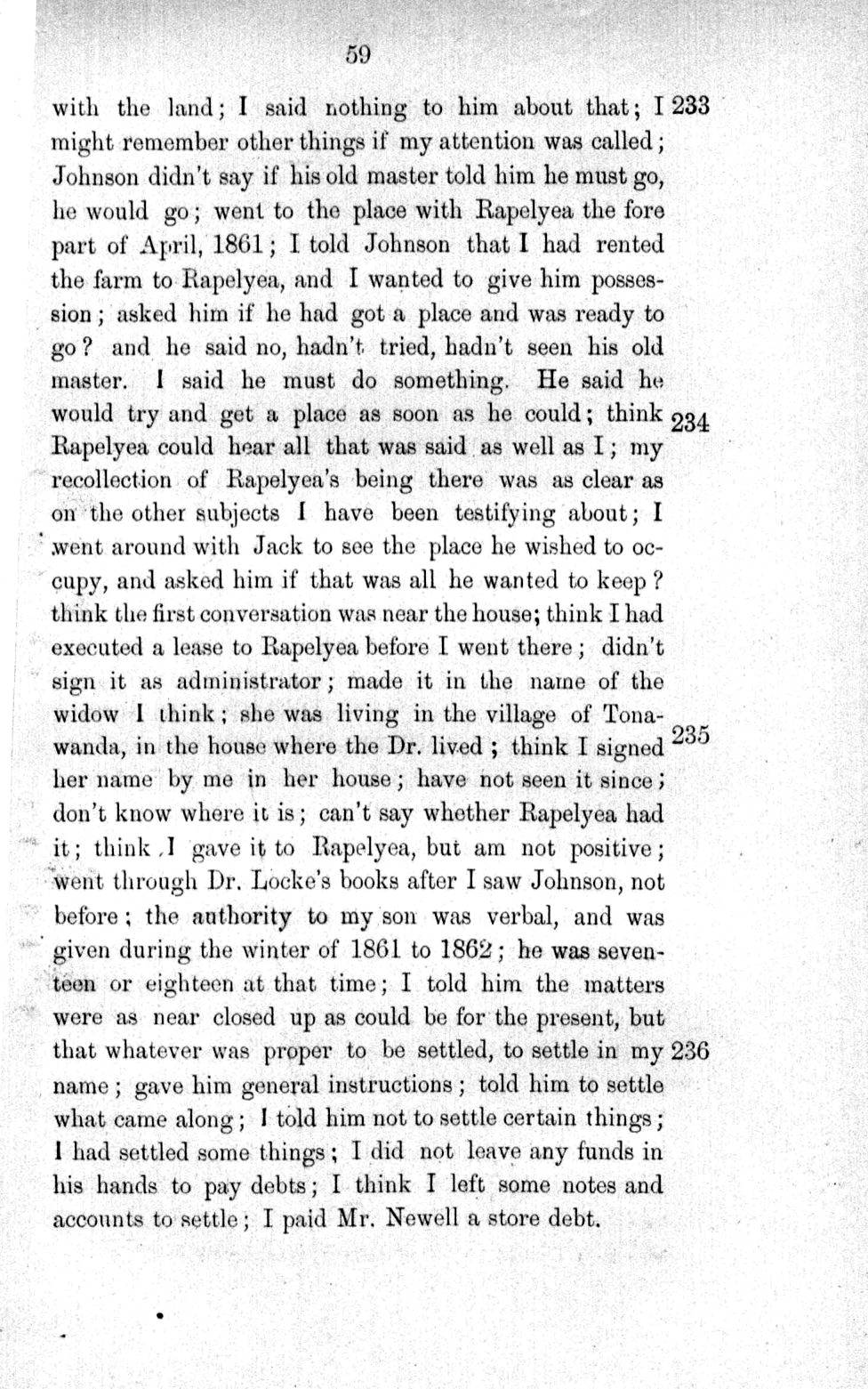
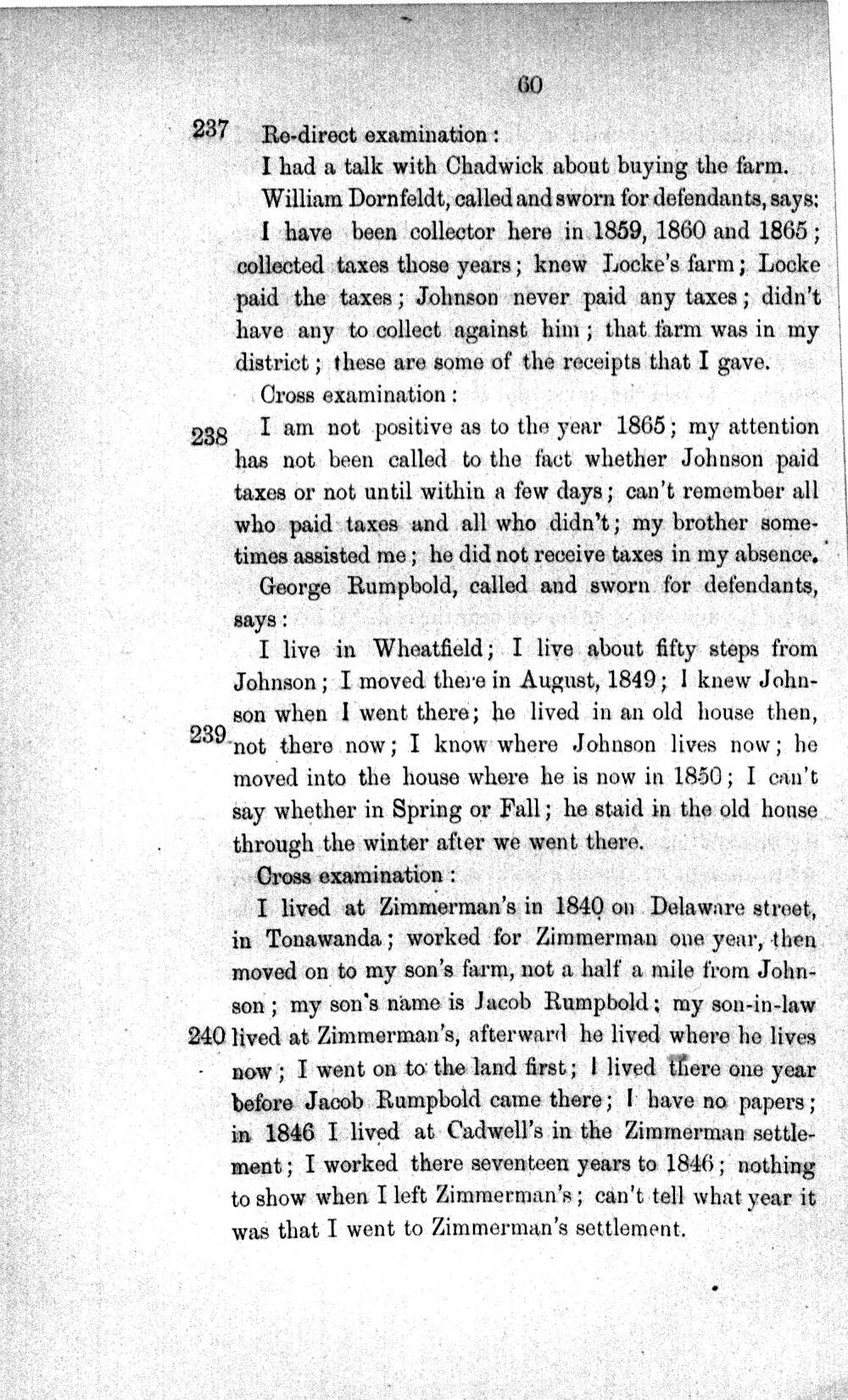
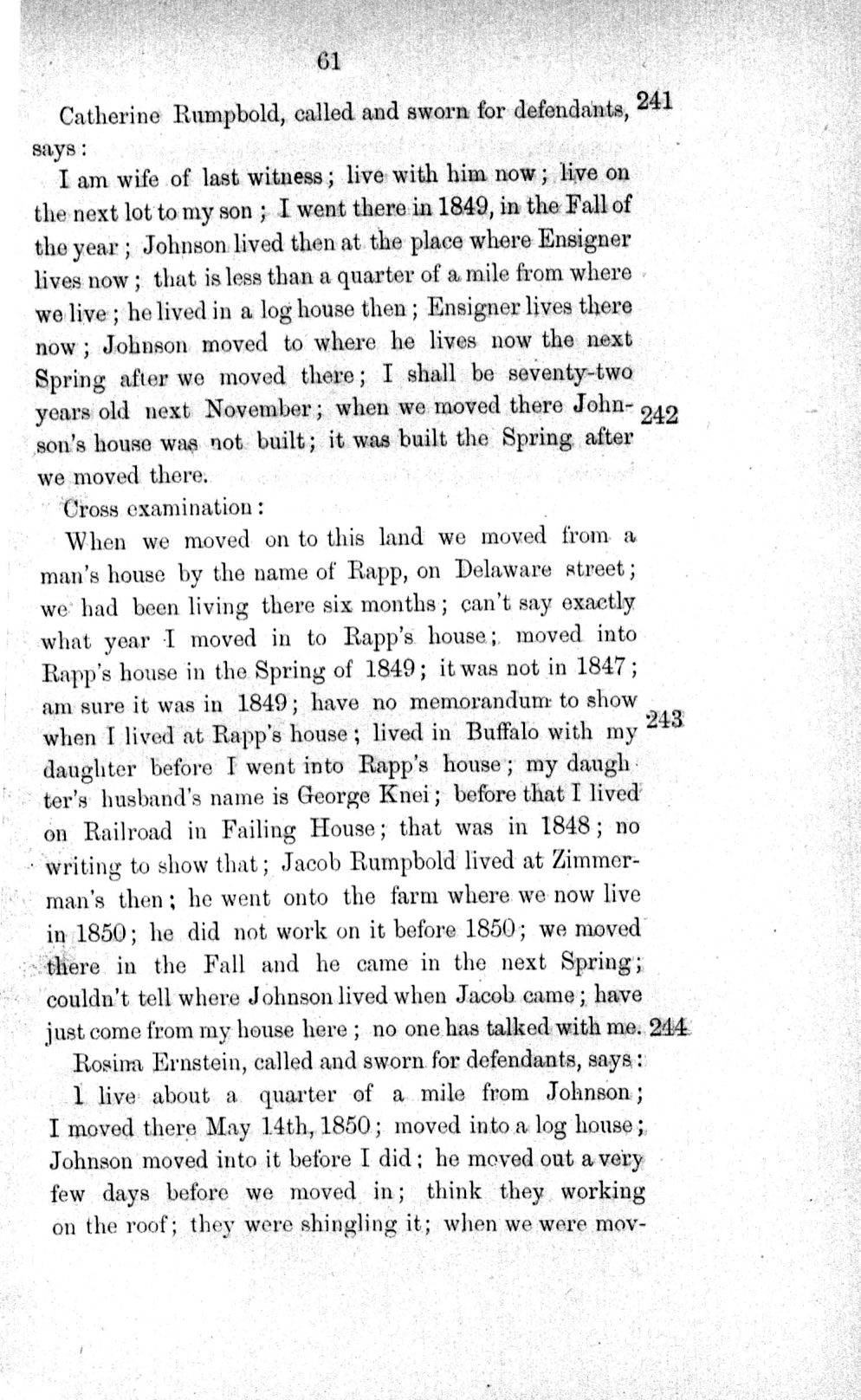
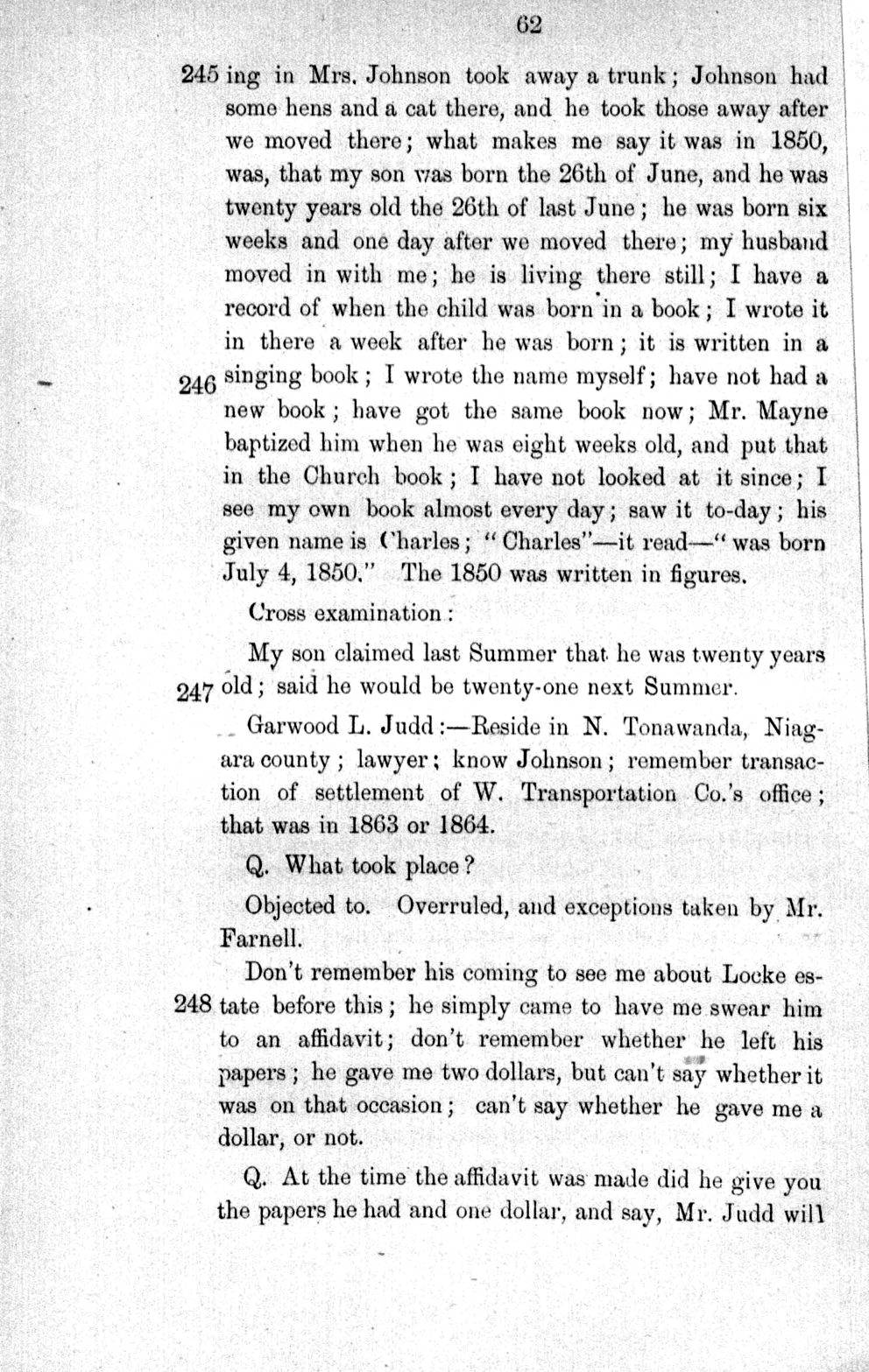
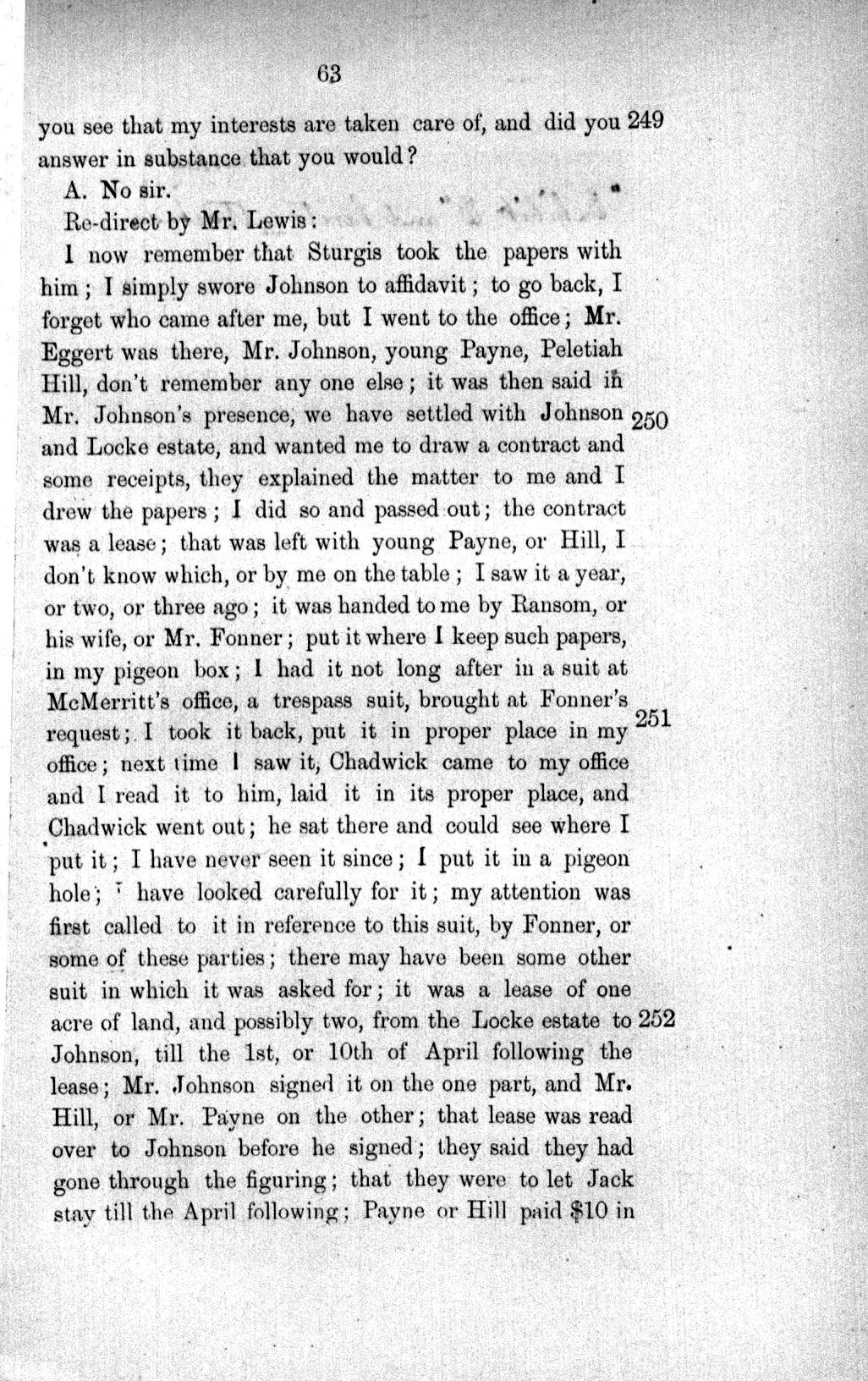
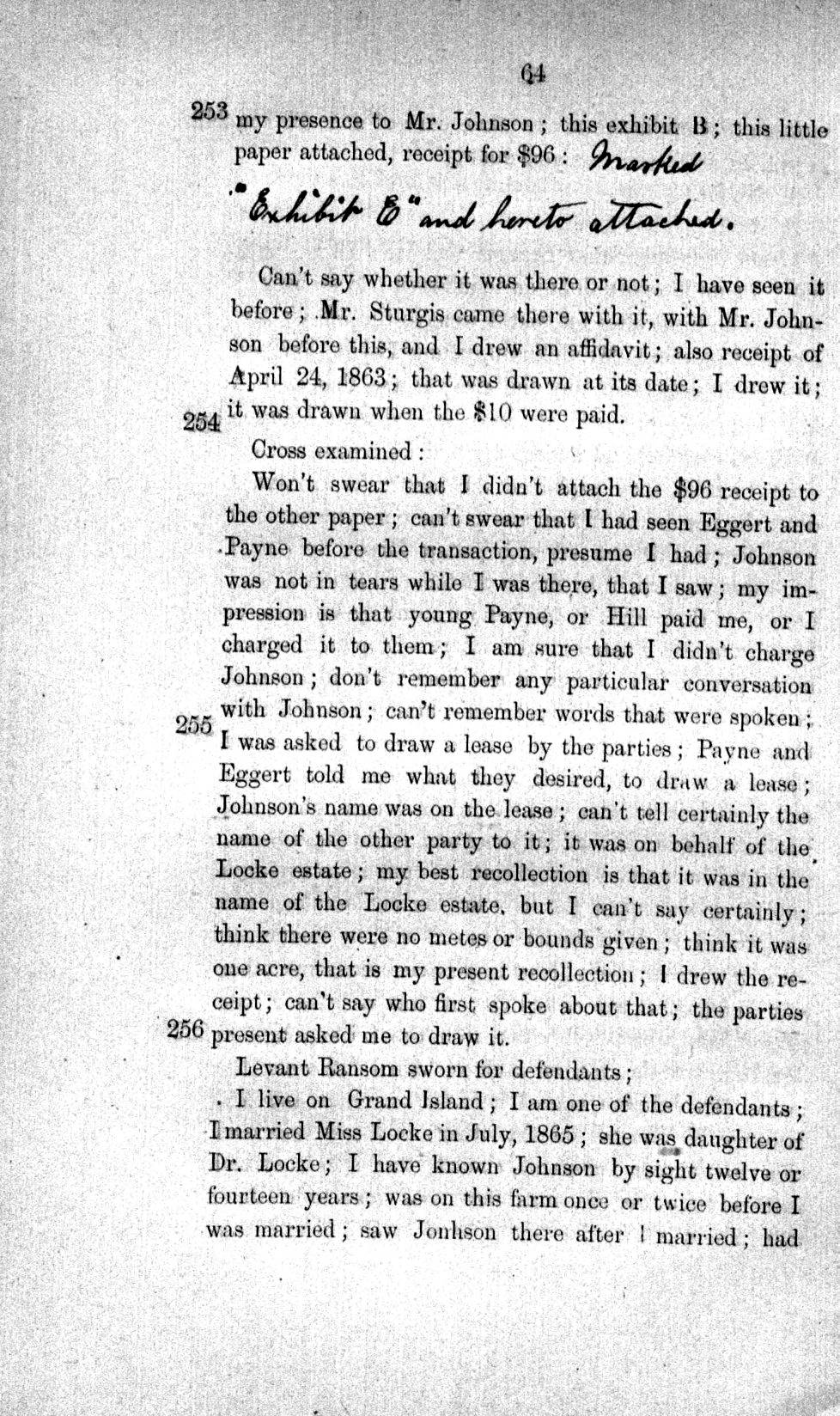
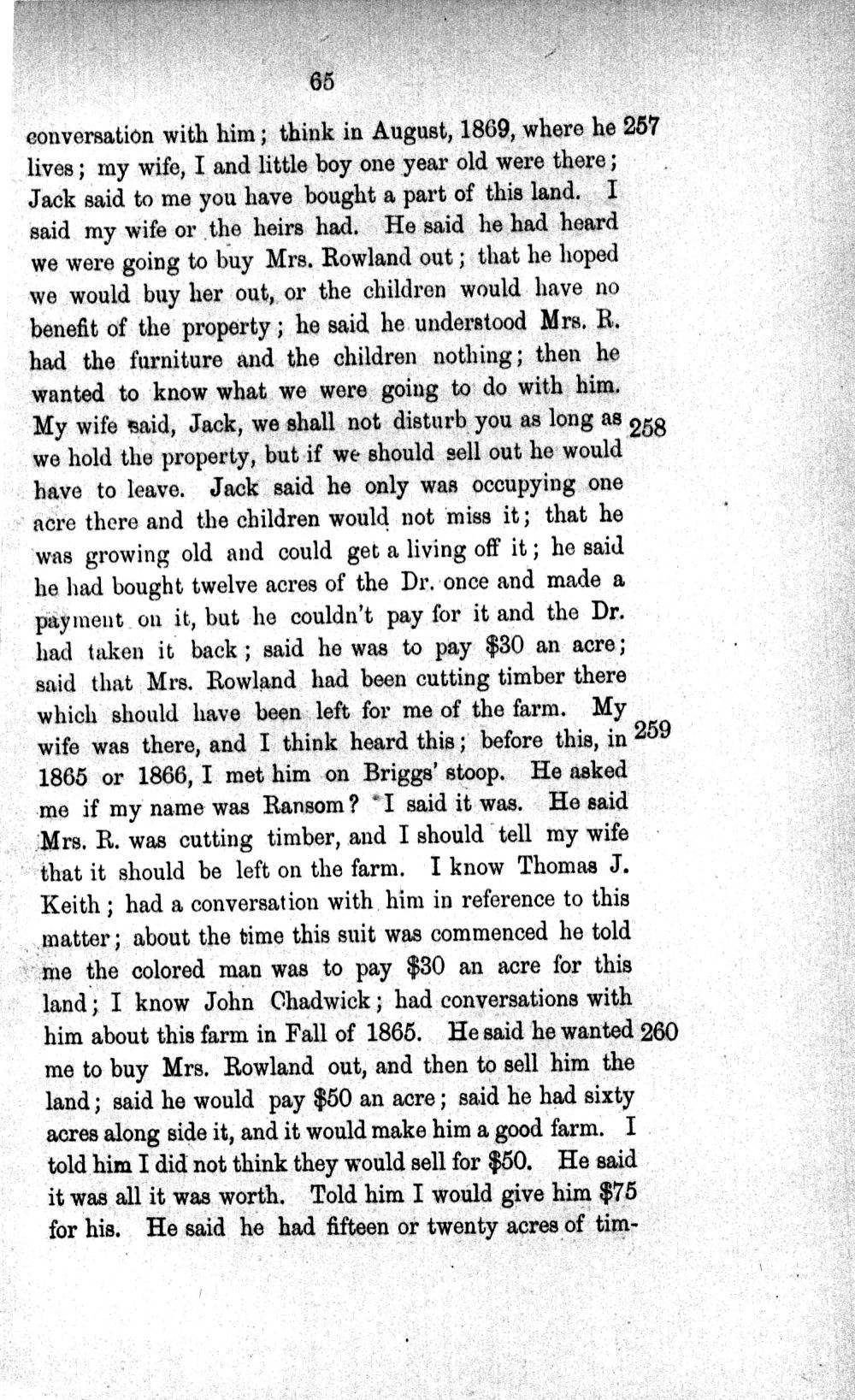
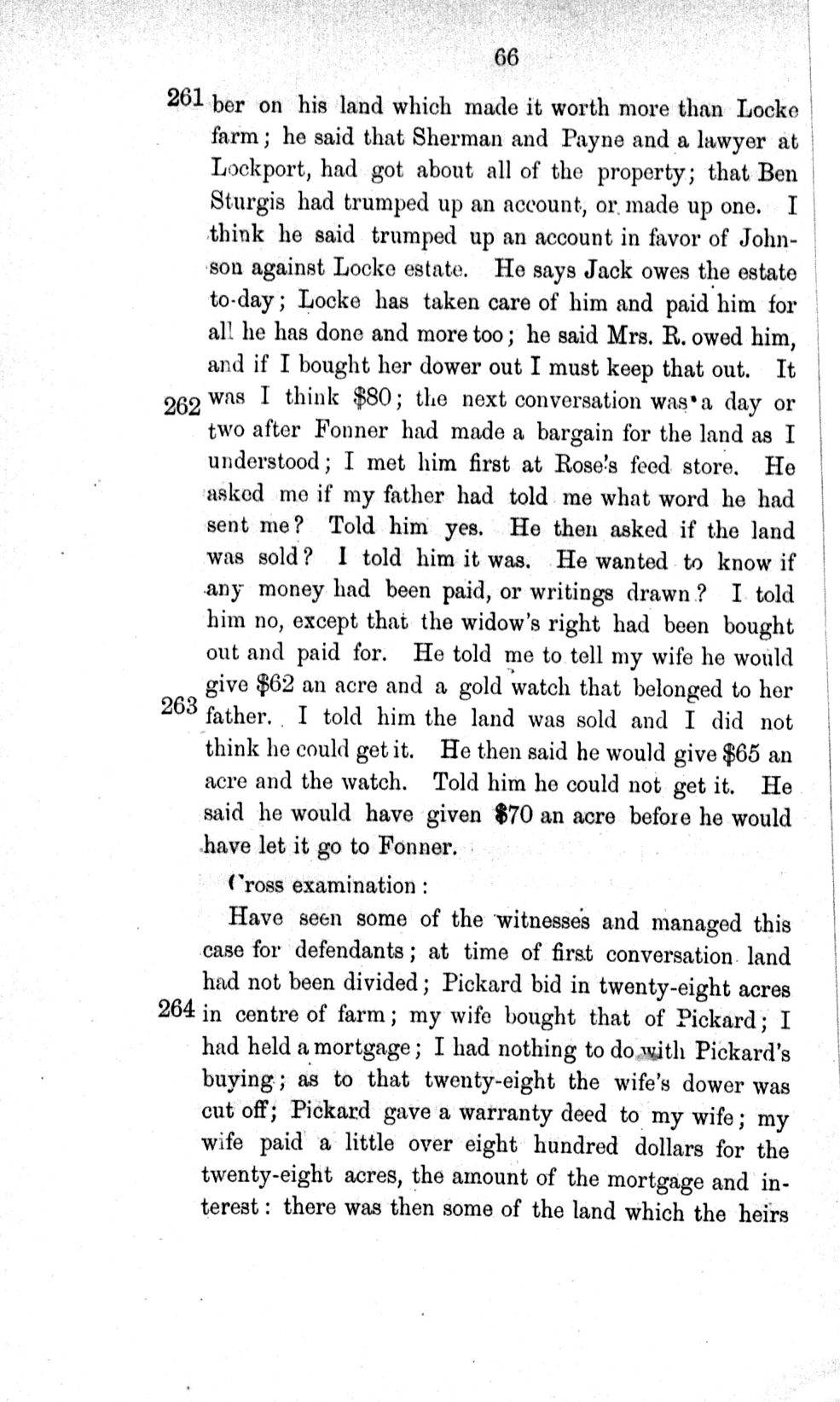
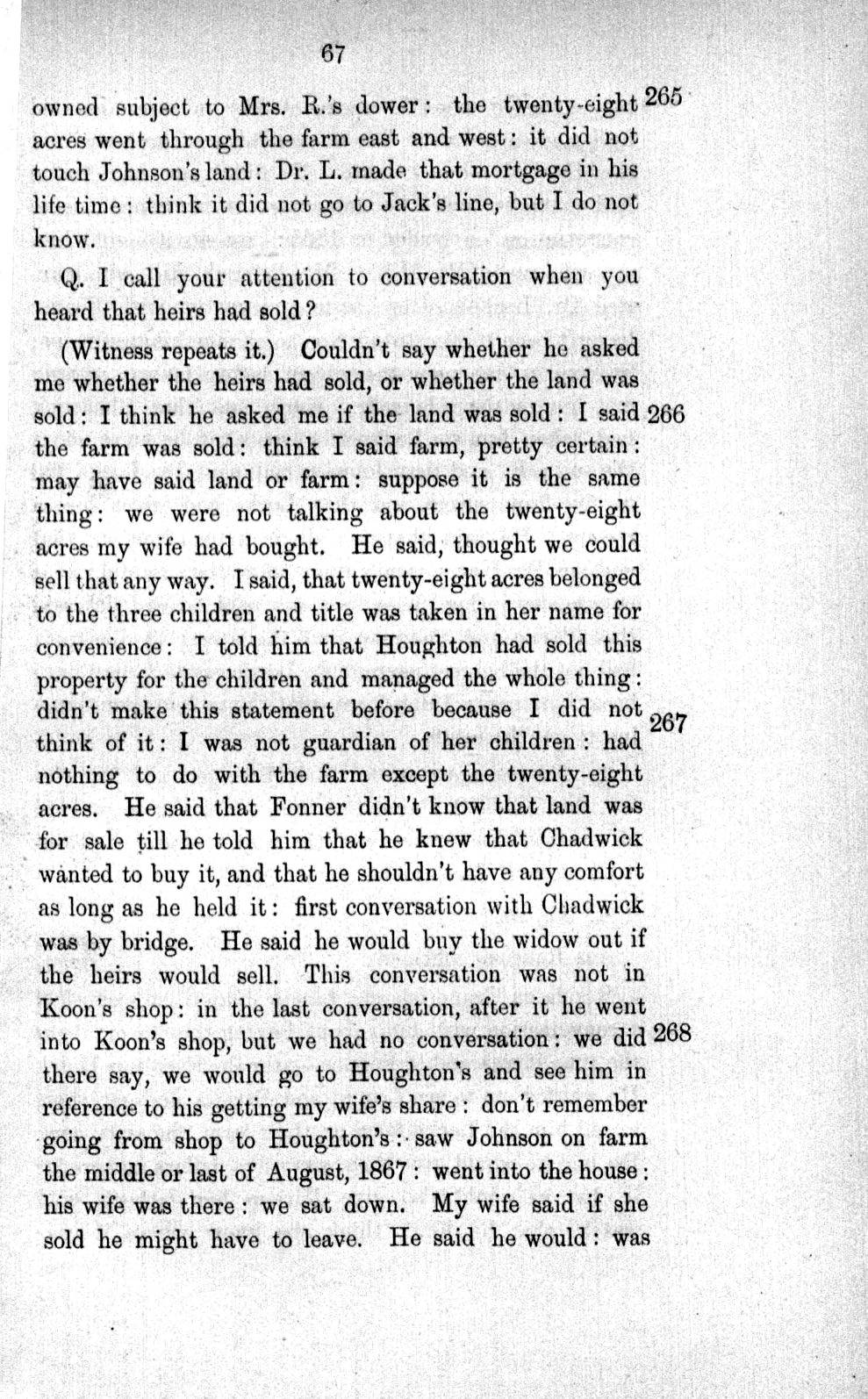
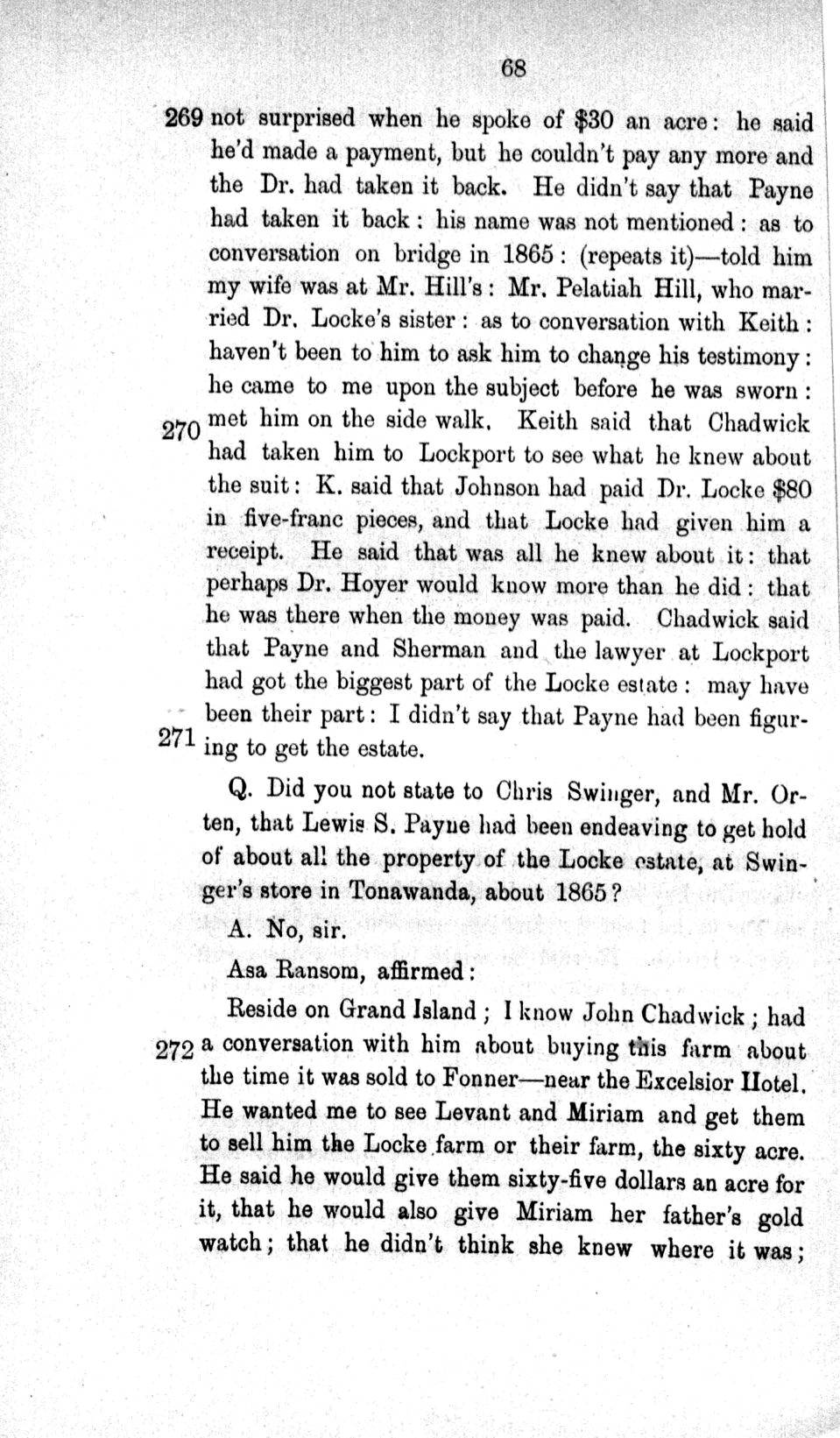
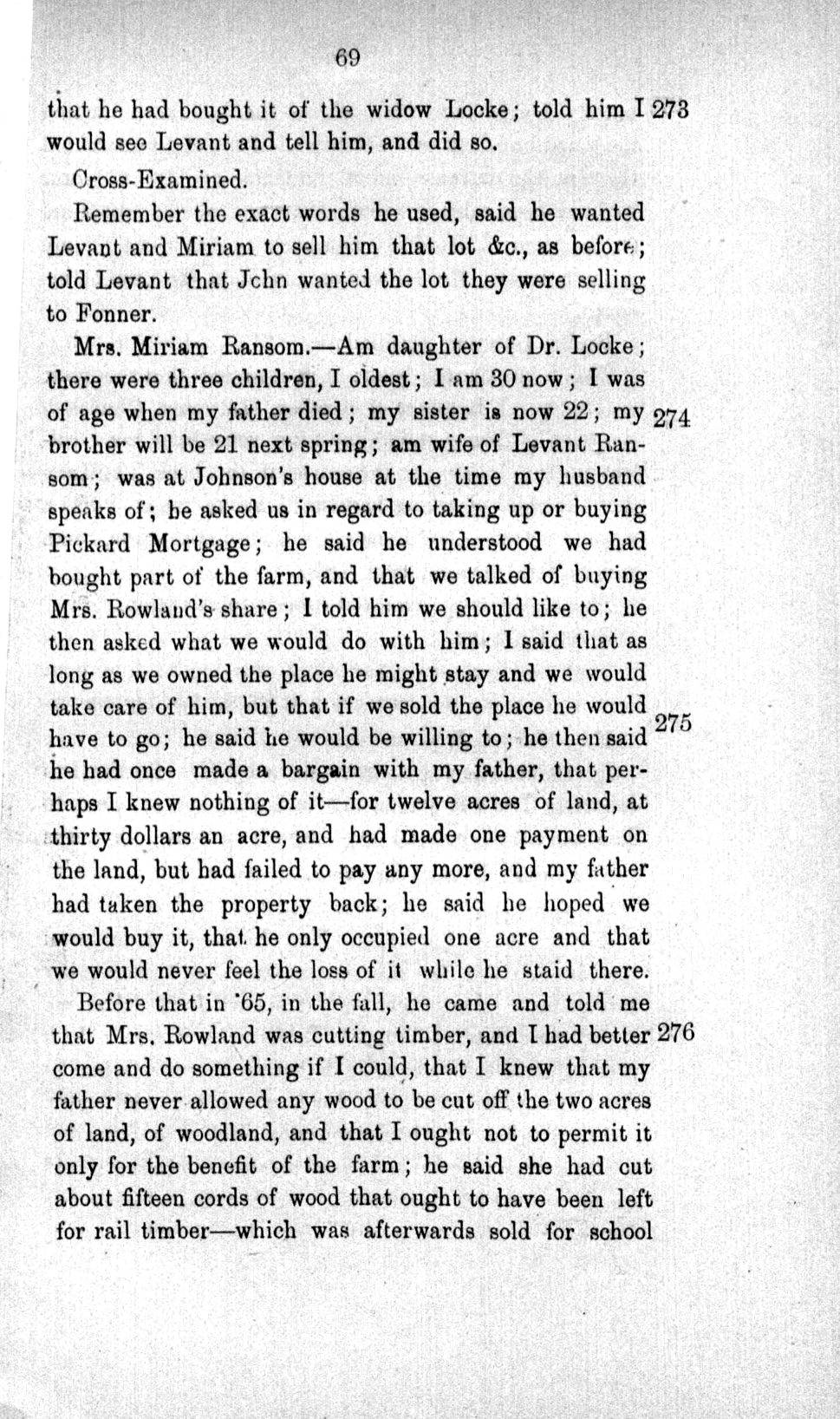
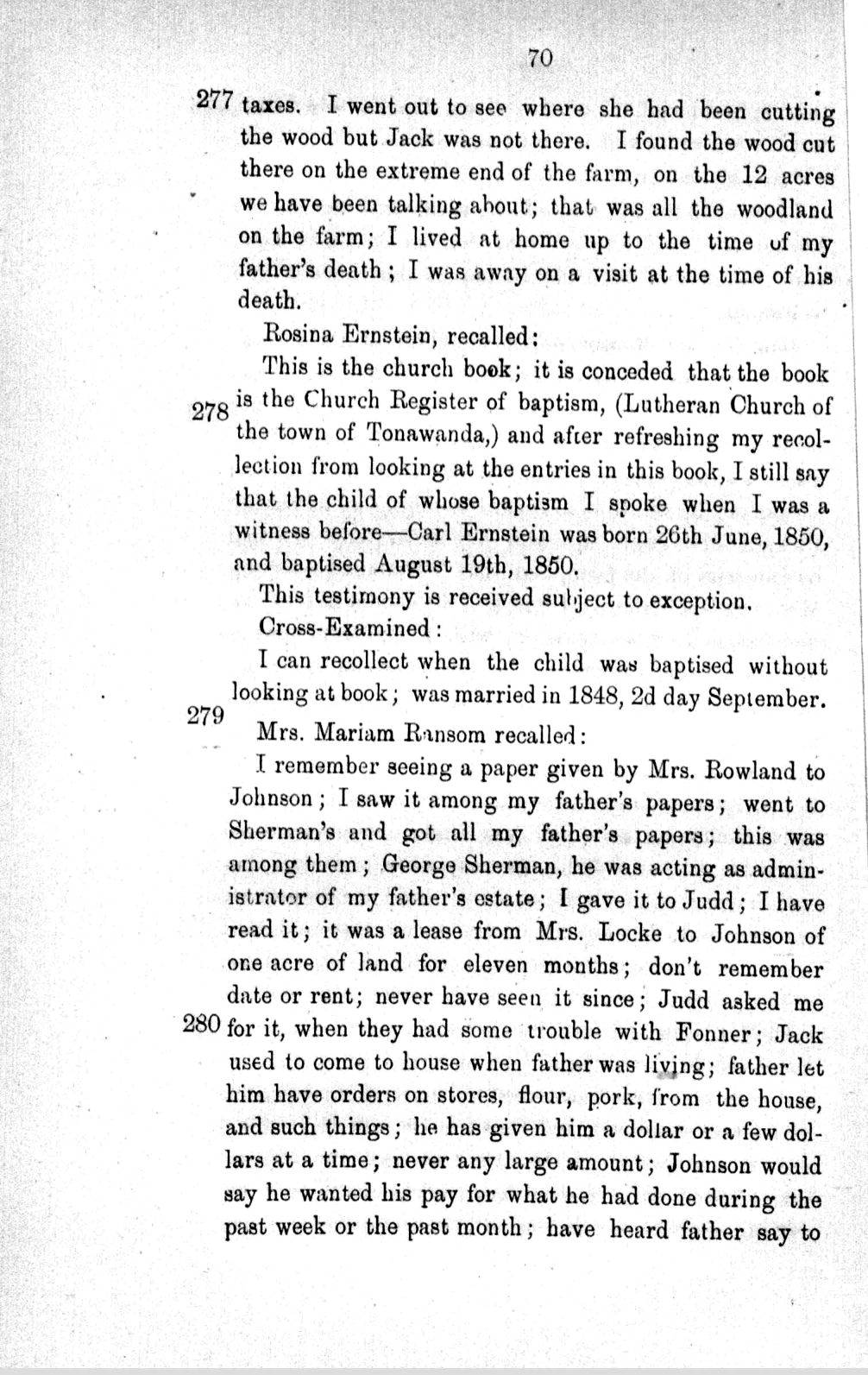
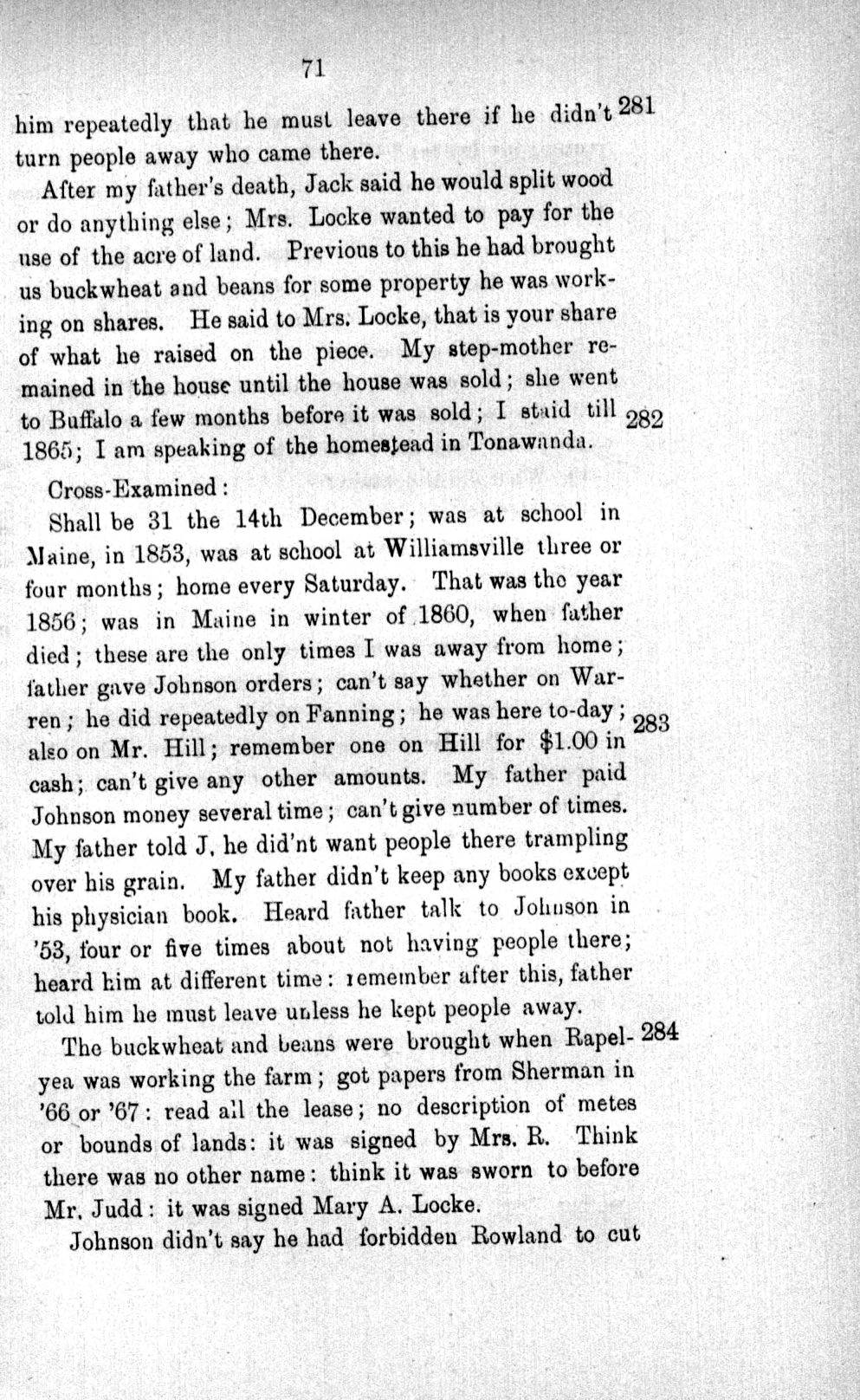
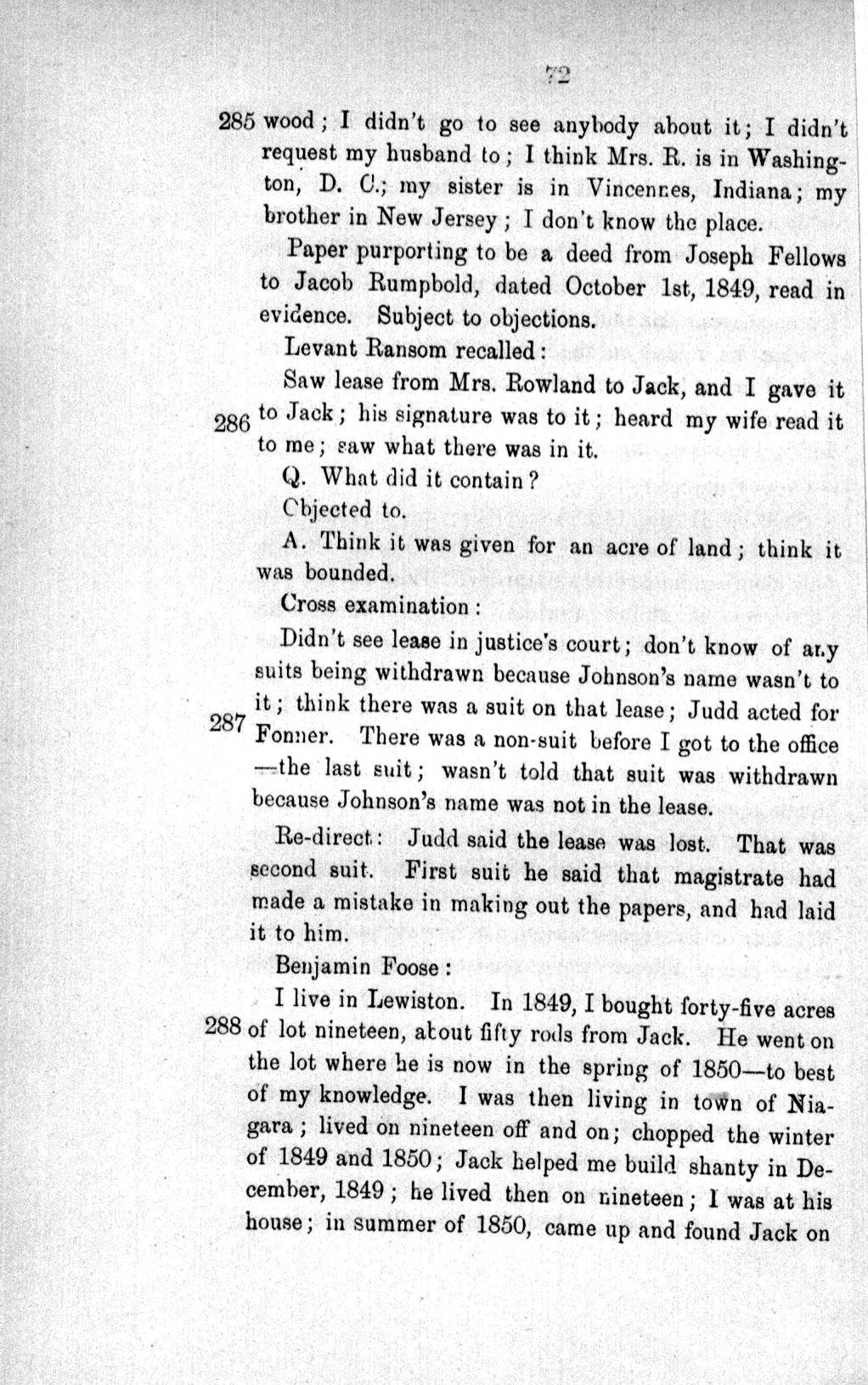
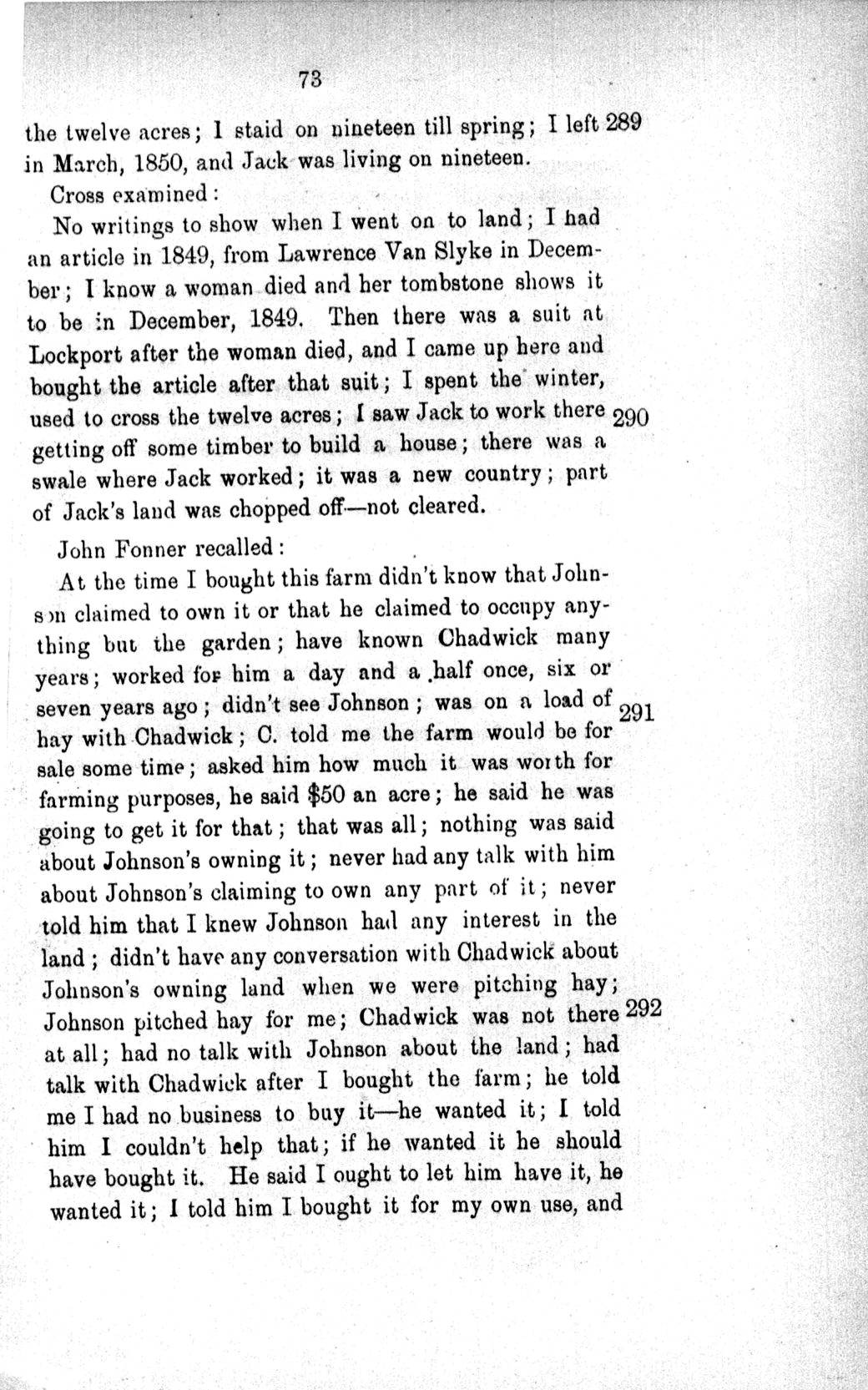
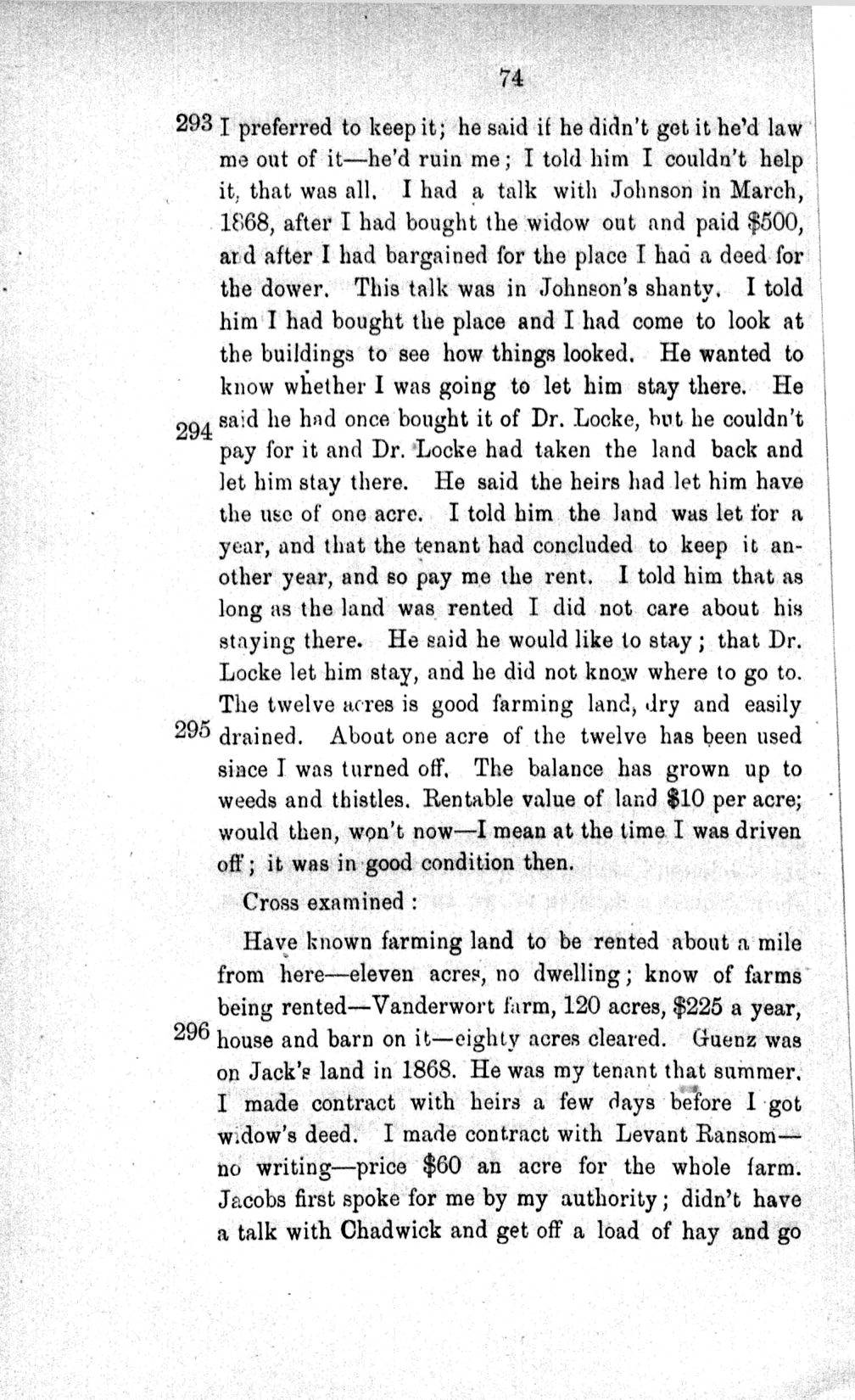
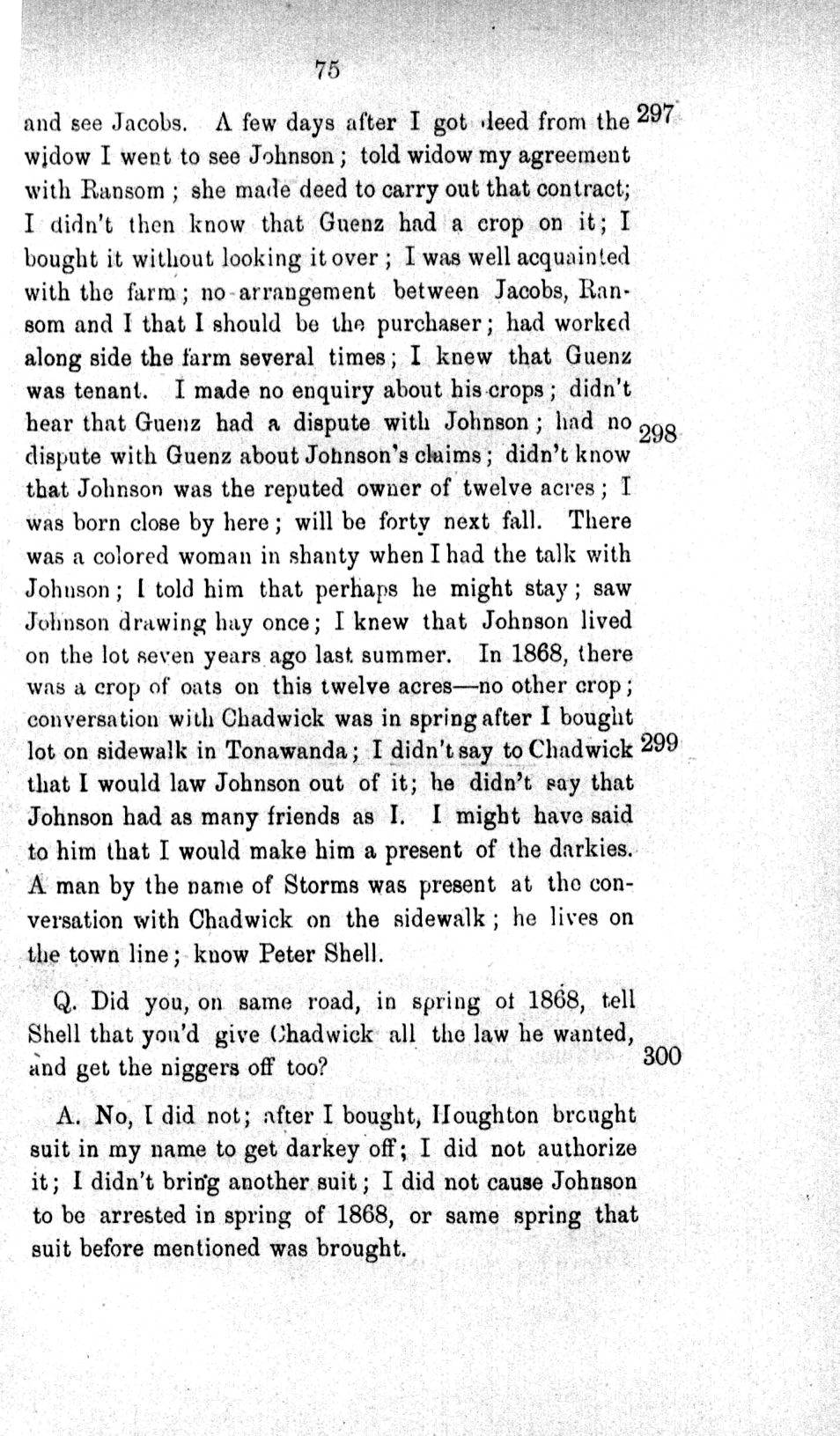
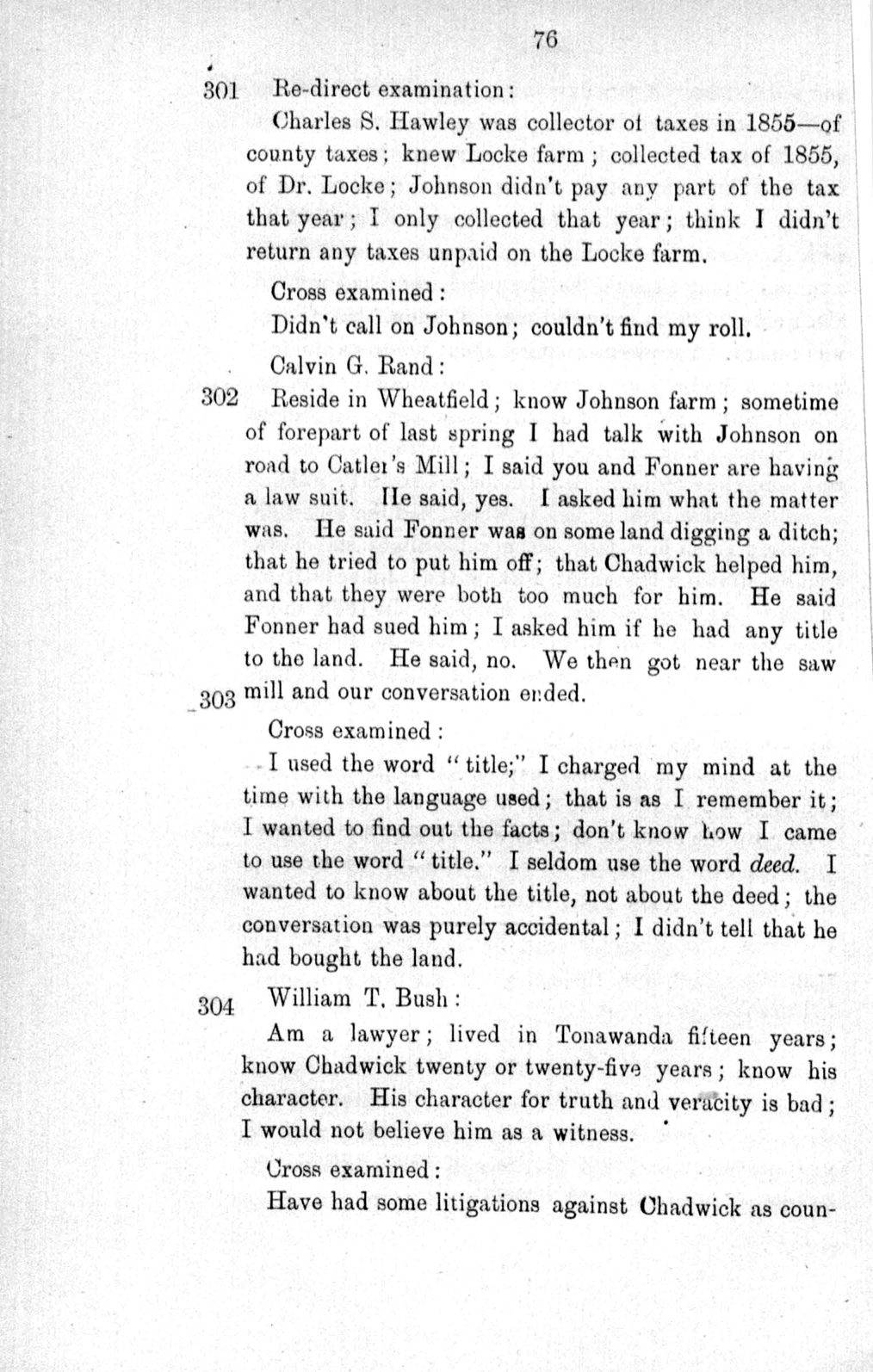
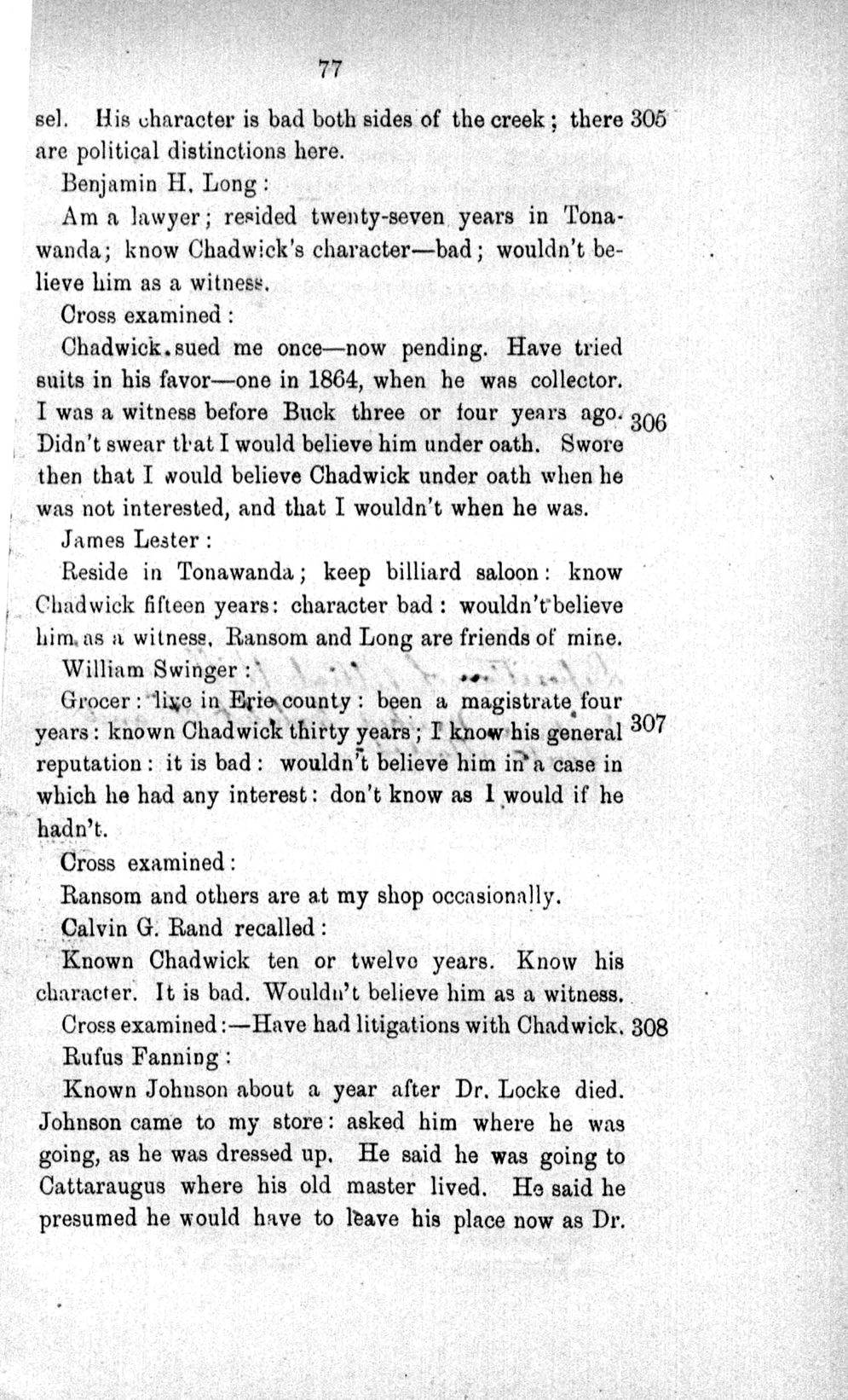
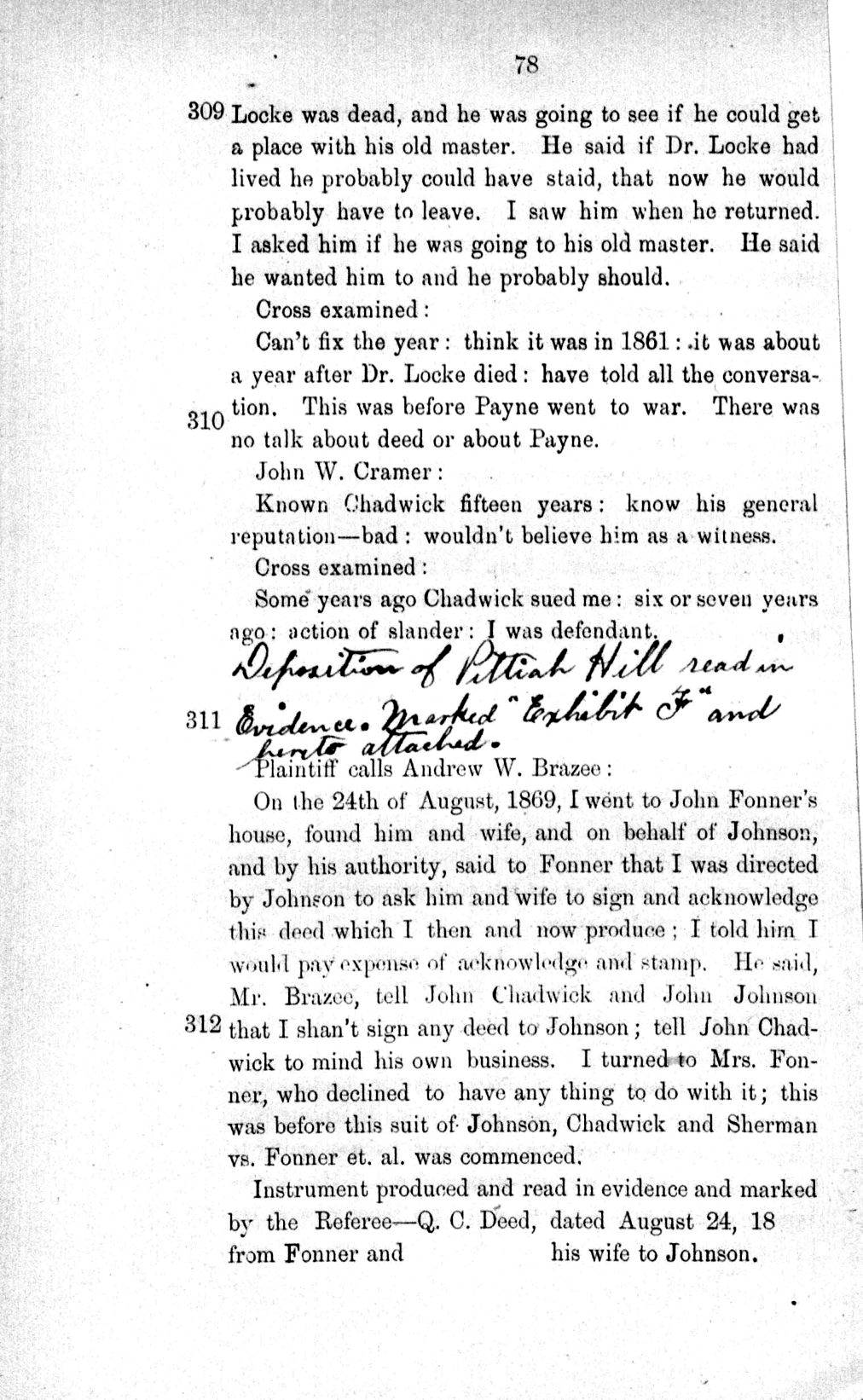
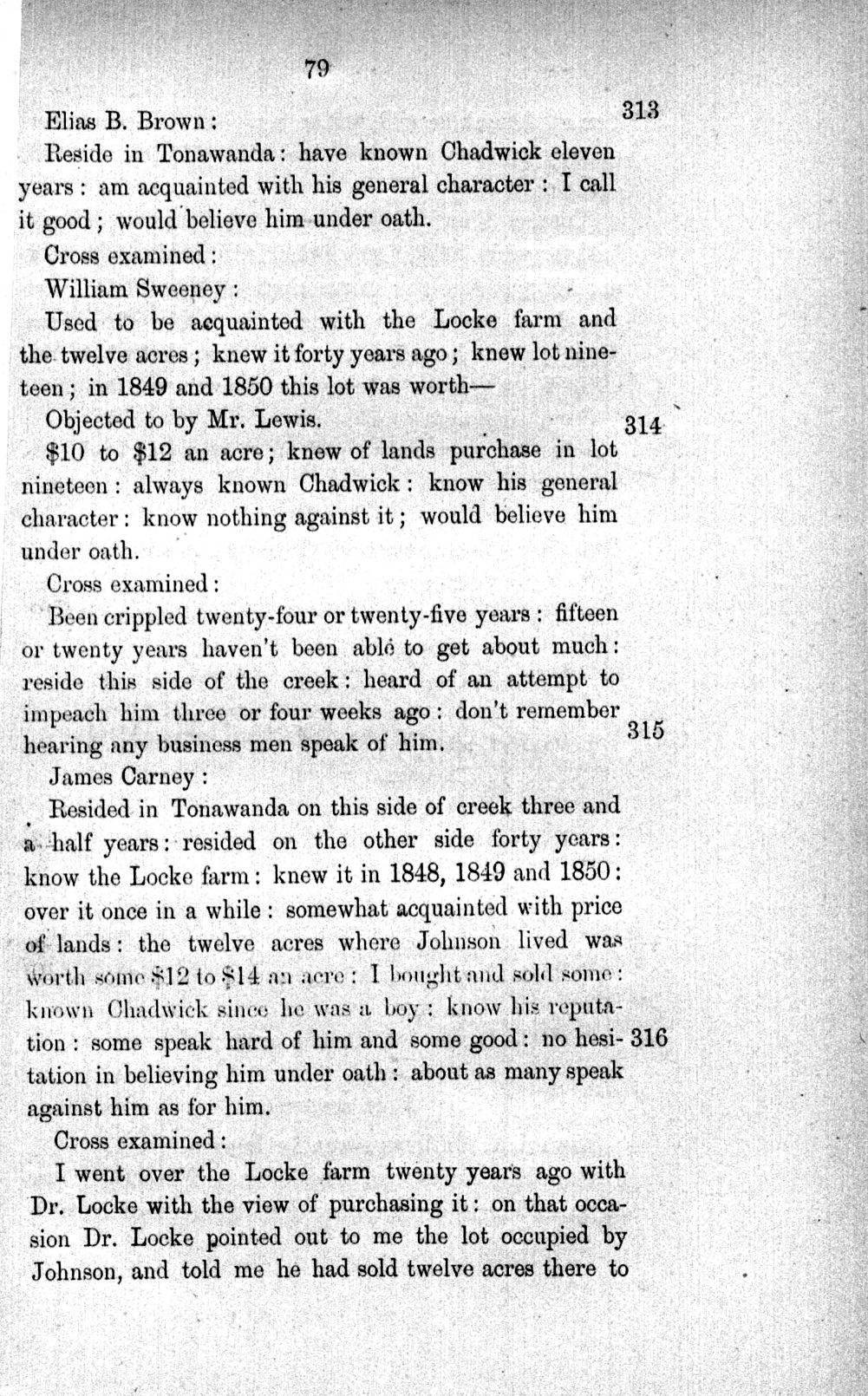
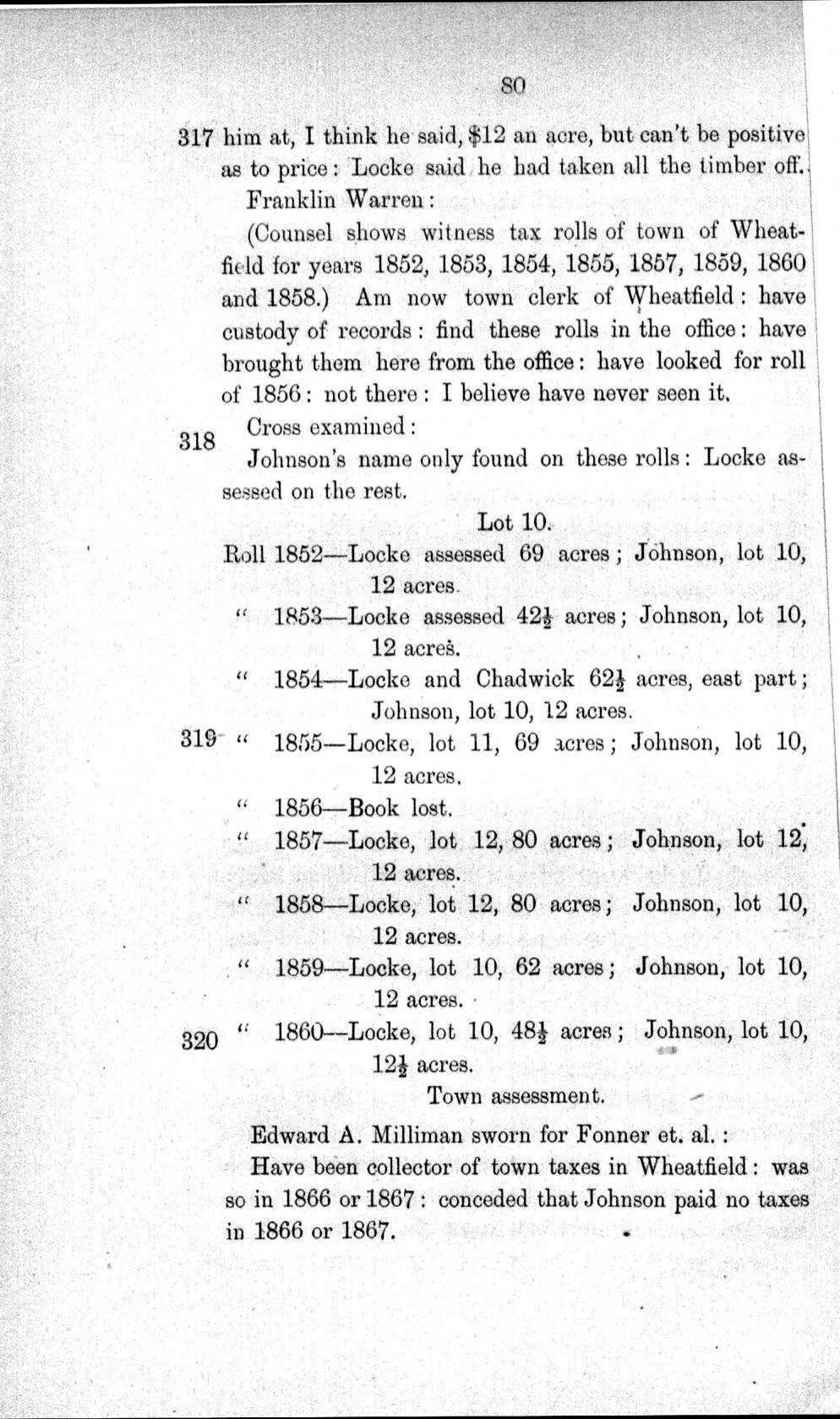
Further proof after the initial defense witness run, including recalled witnesses, character testimony, tax evidence, exhibit references, and additional testimony returning to the central conflicts over possession, payment, and notice.
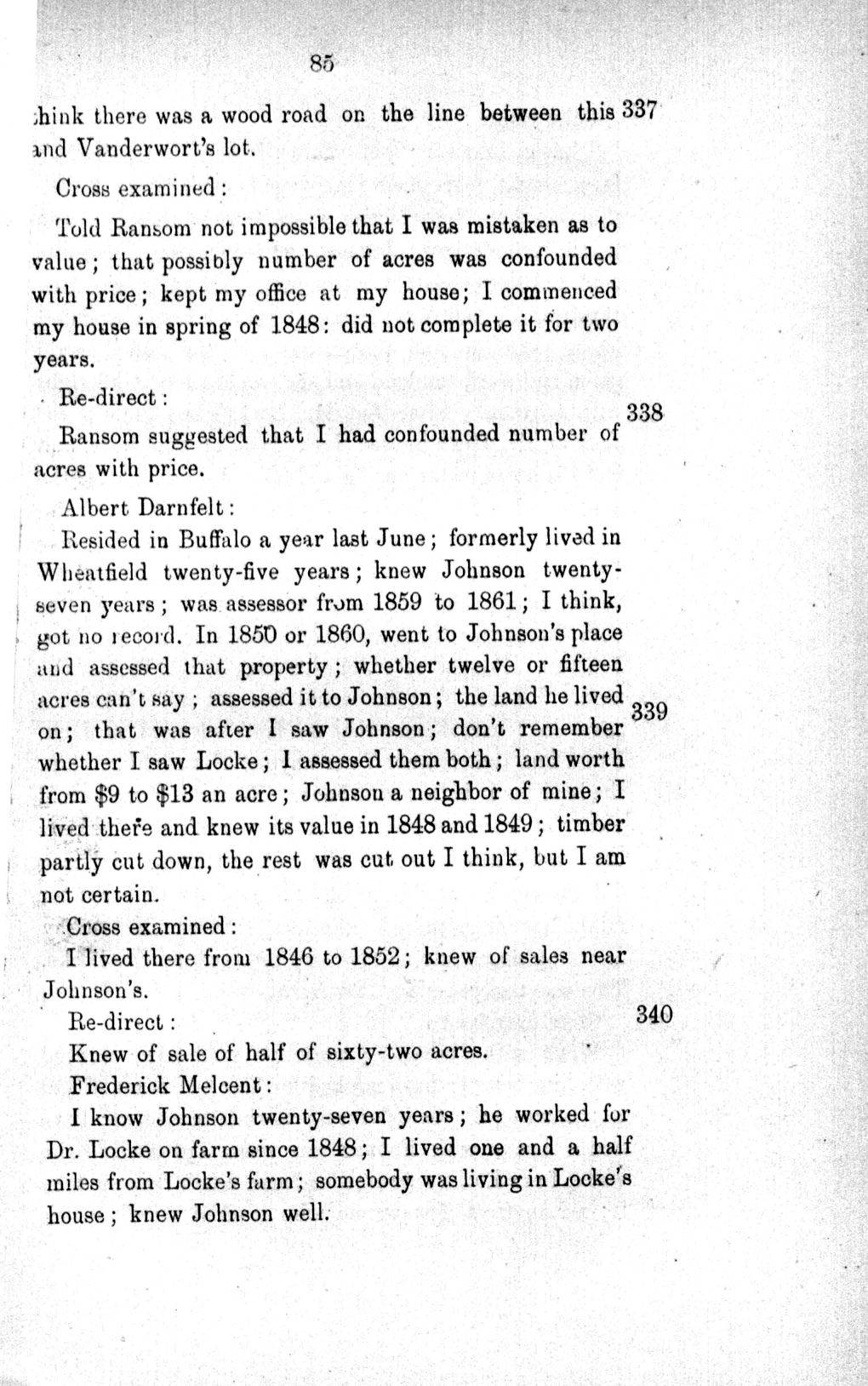
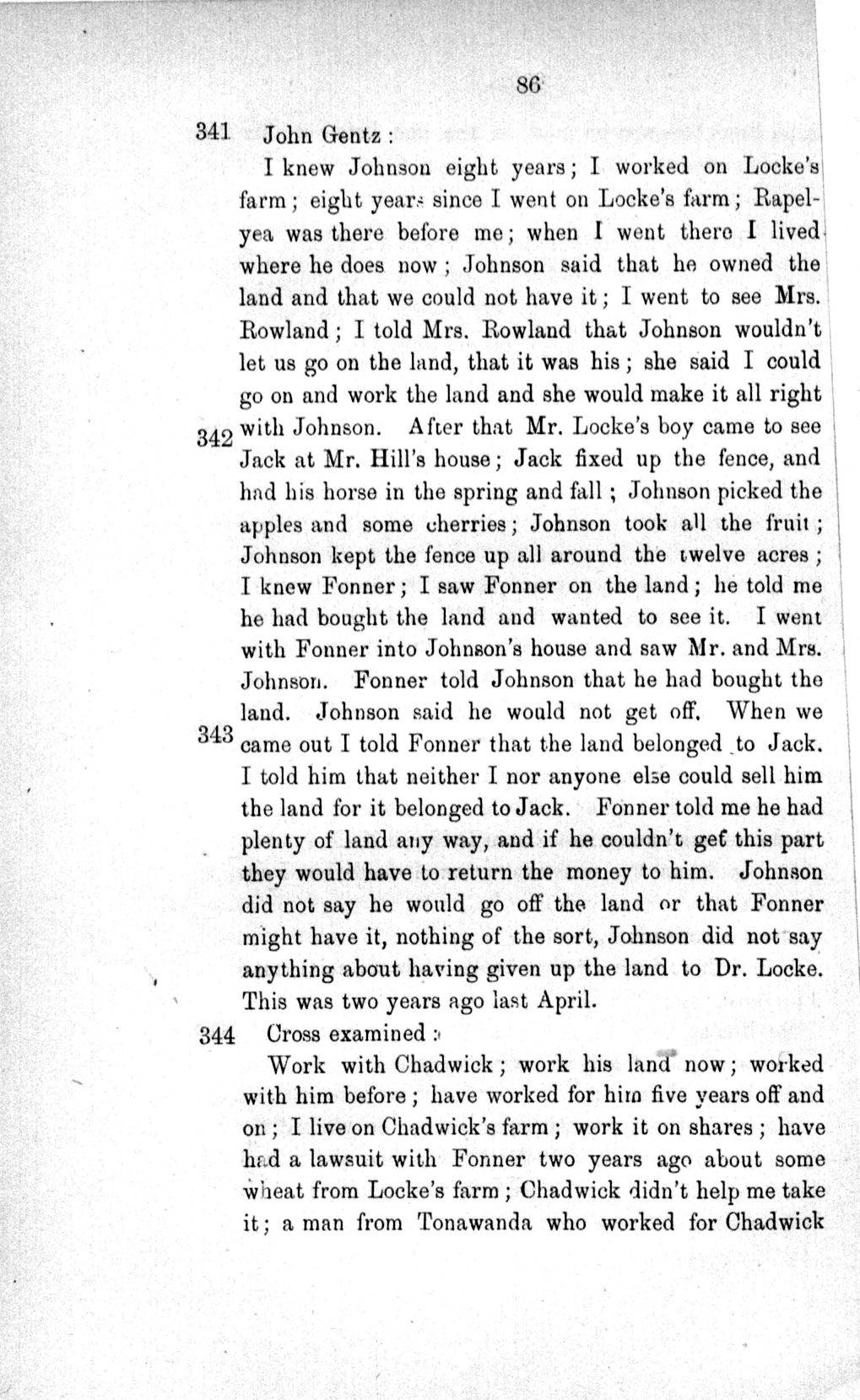
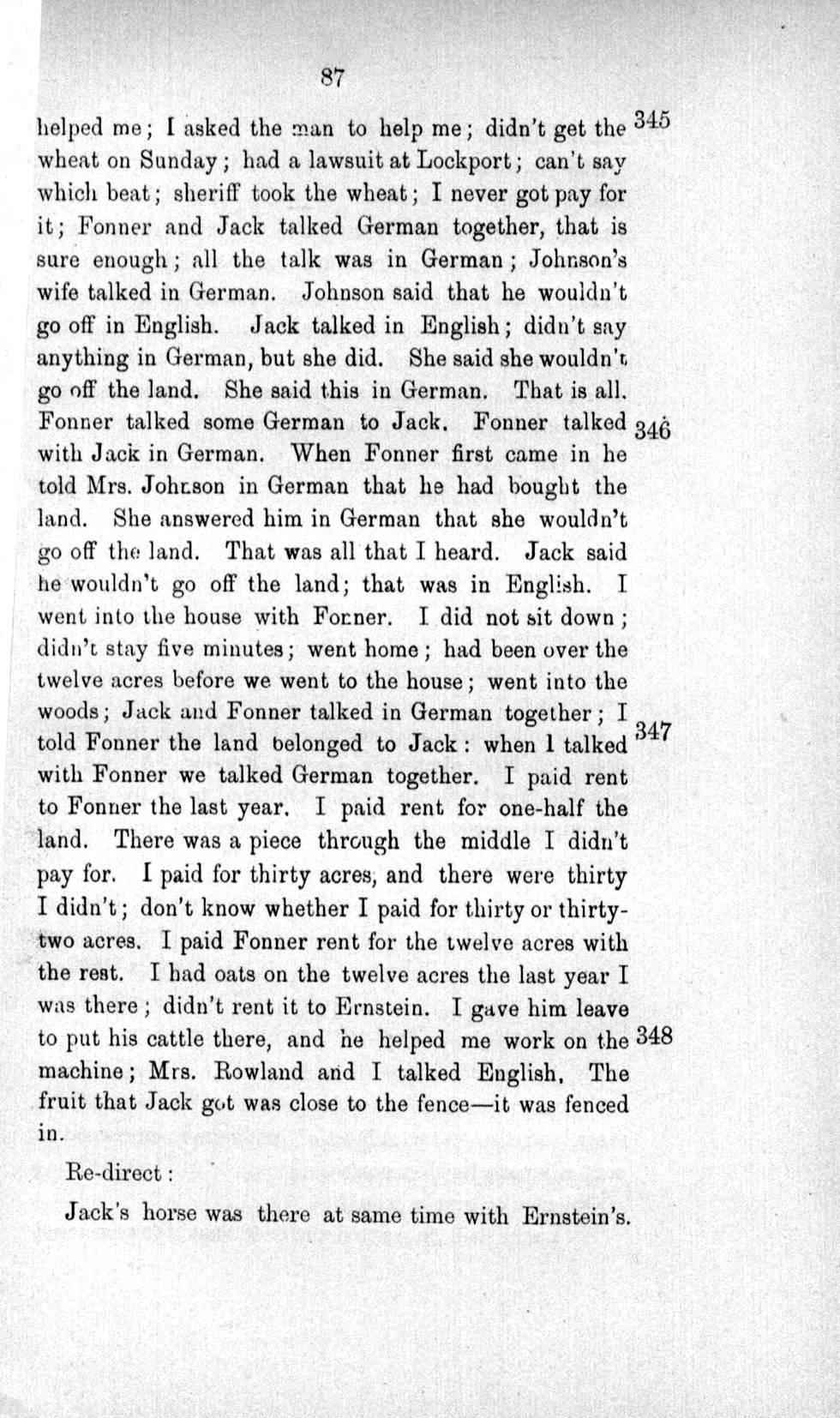
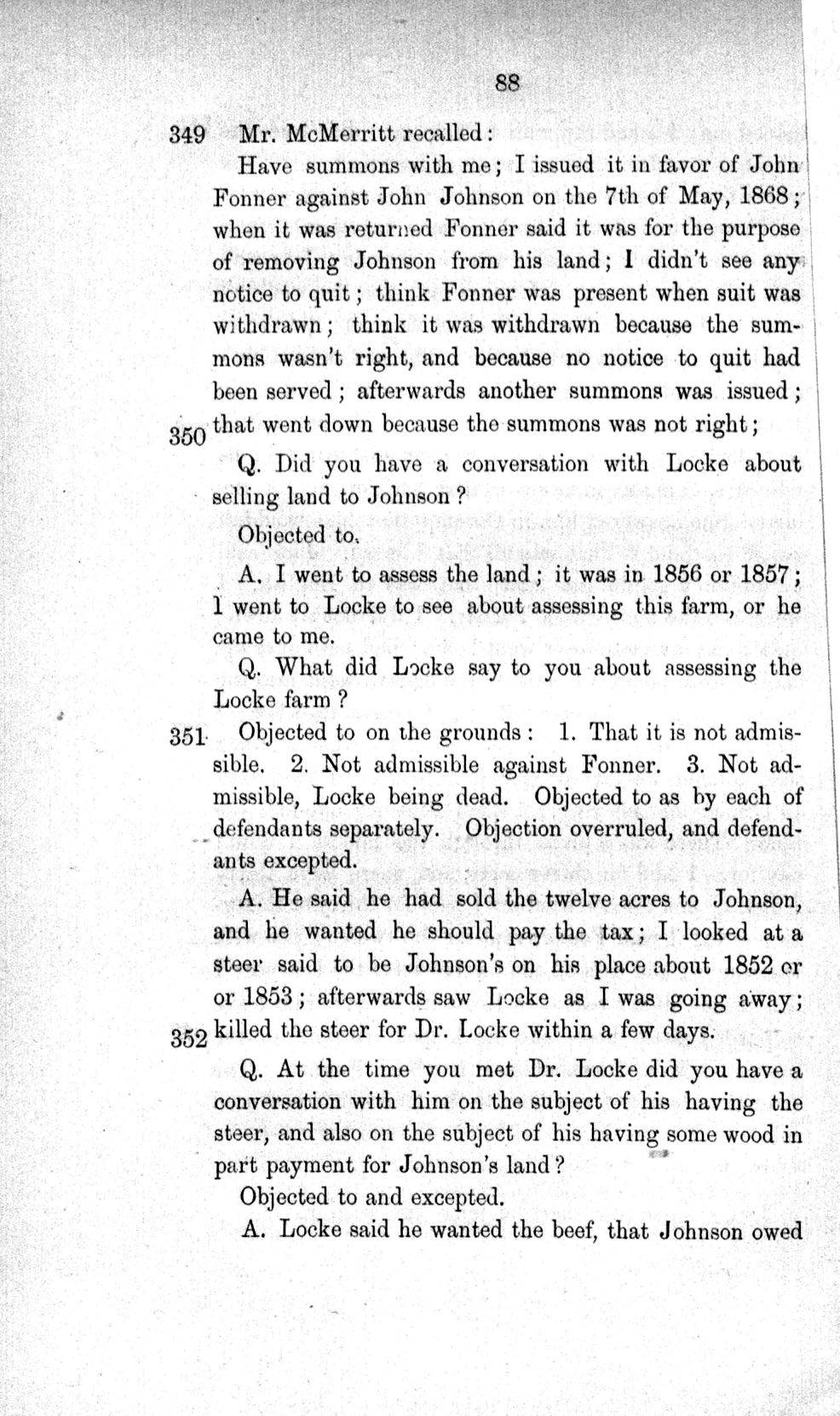
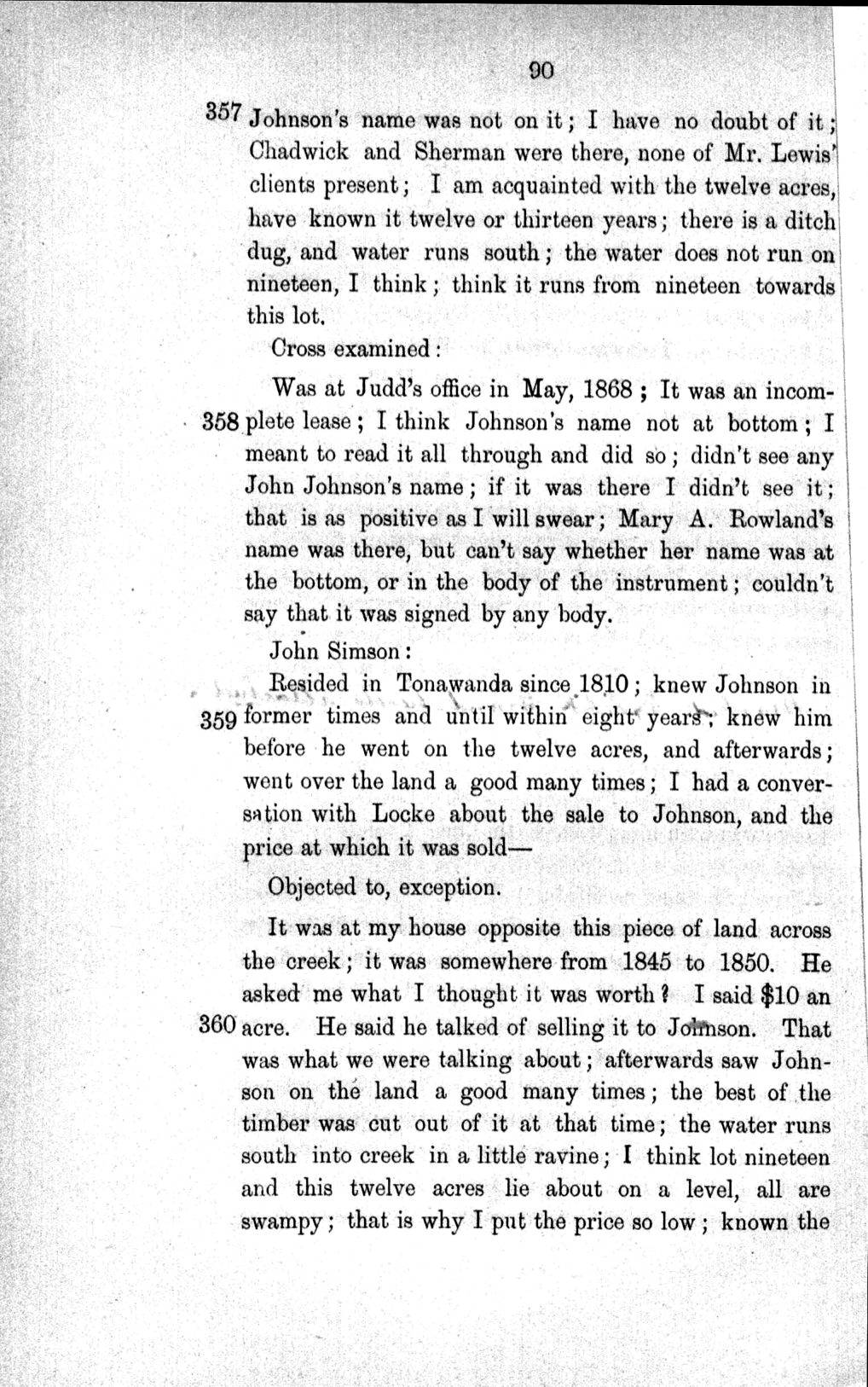
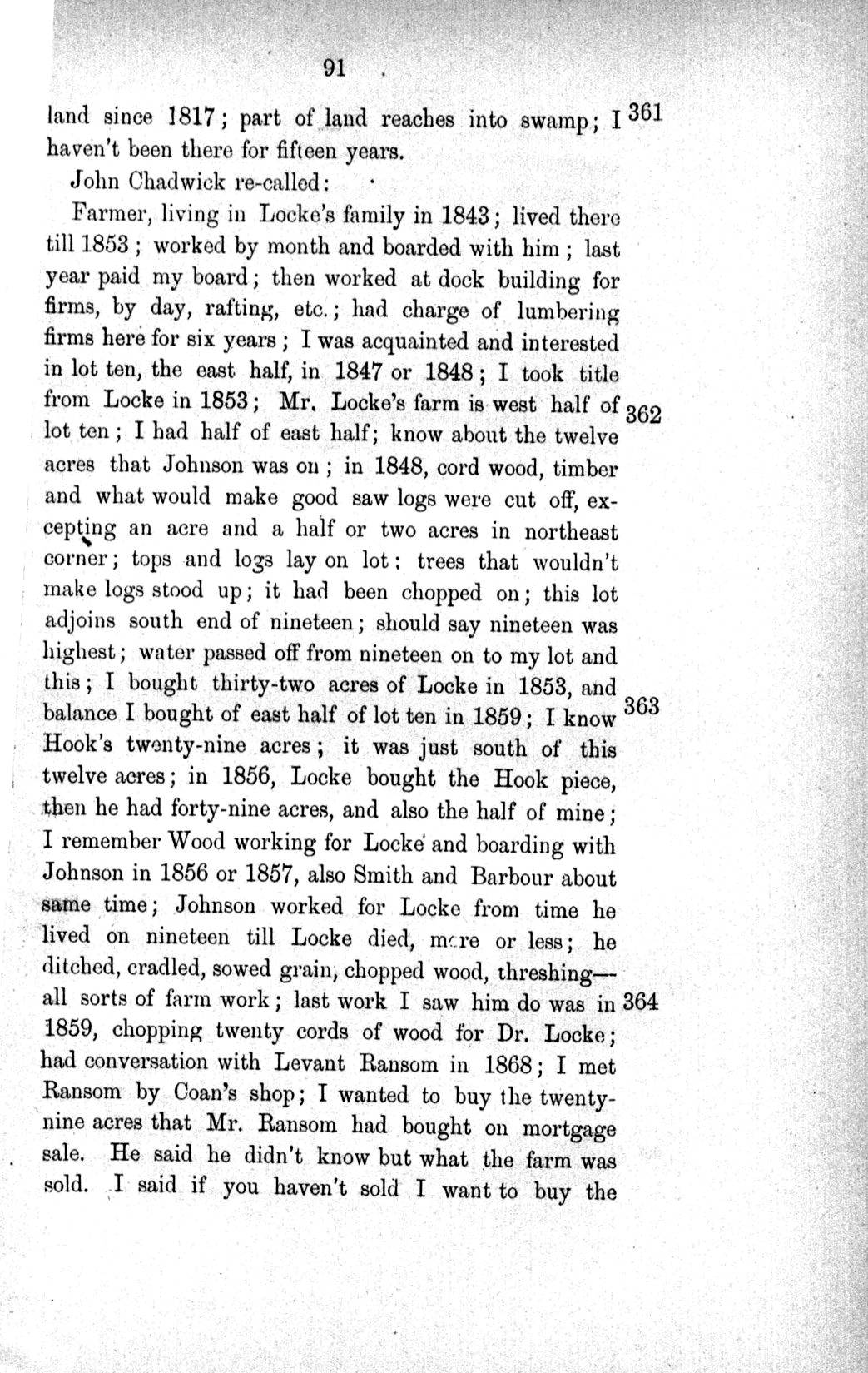
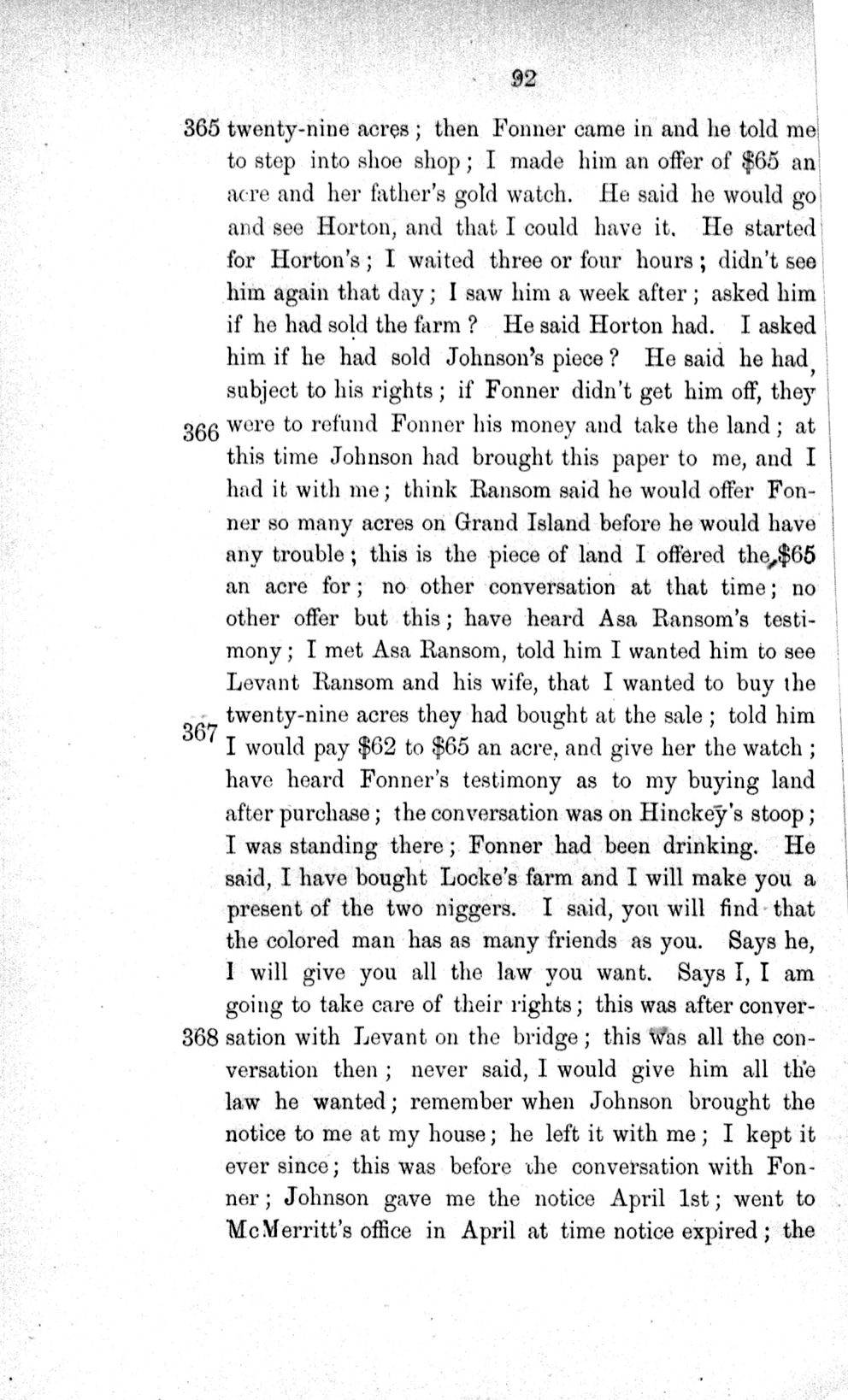
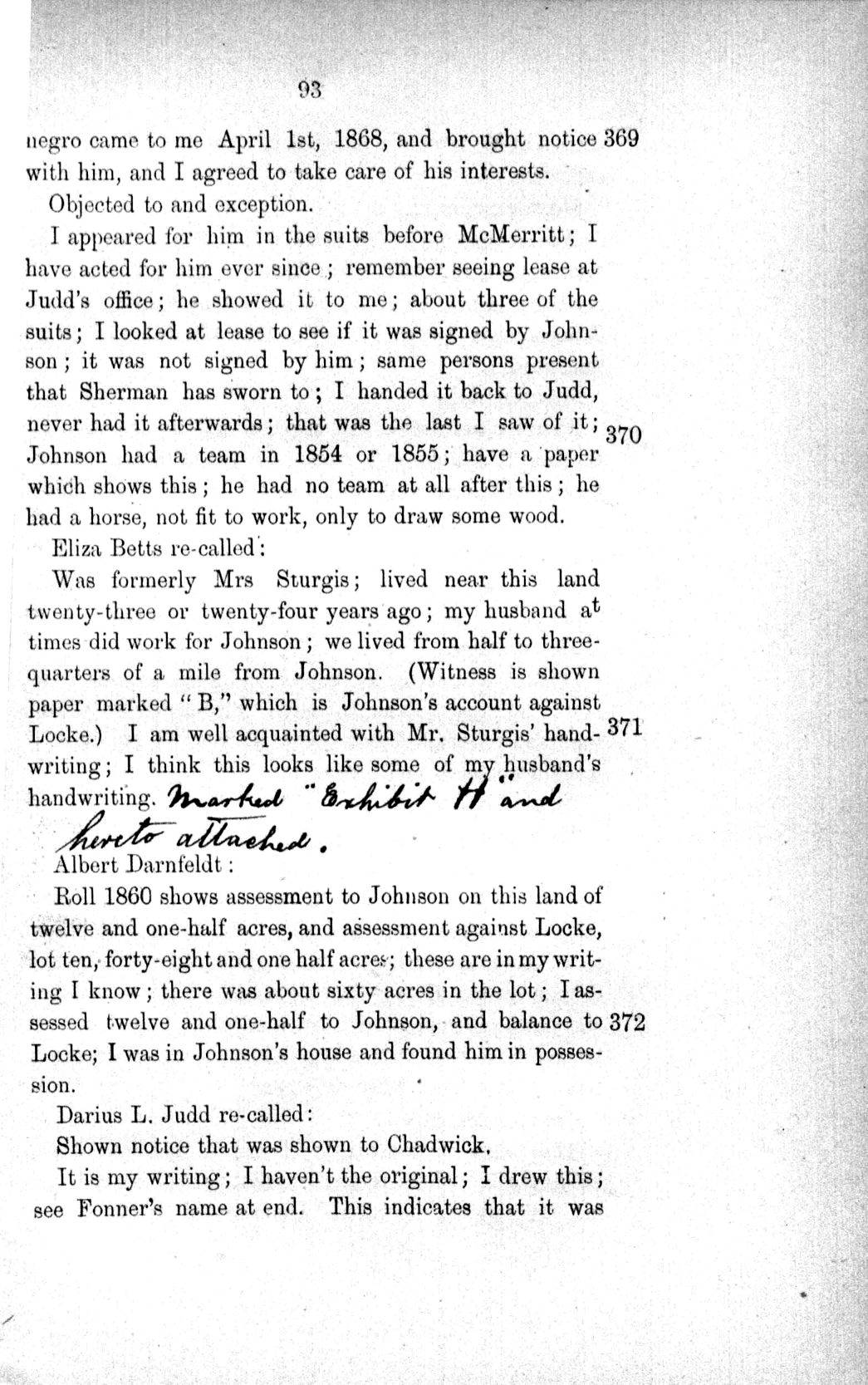
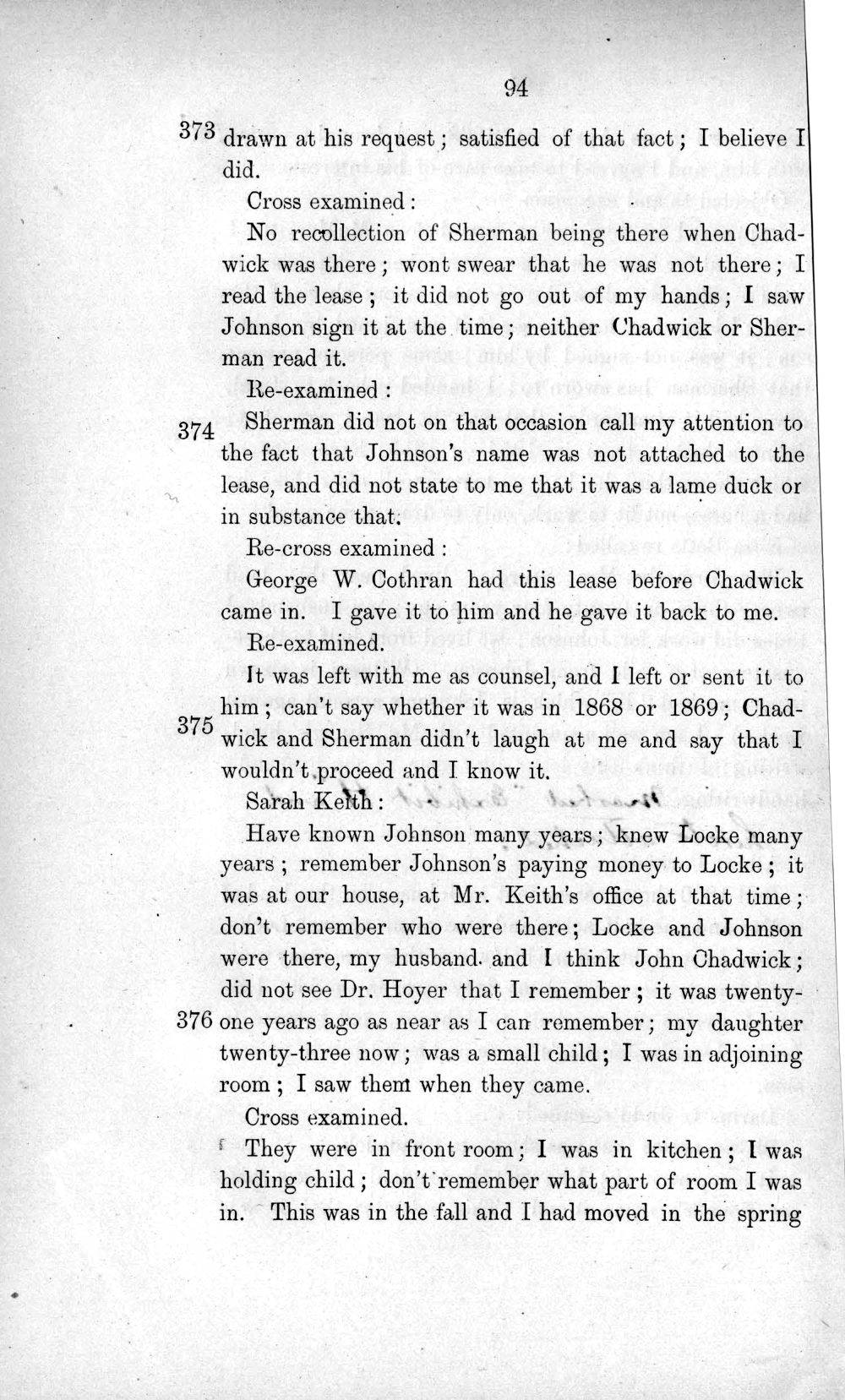
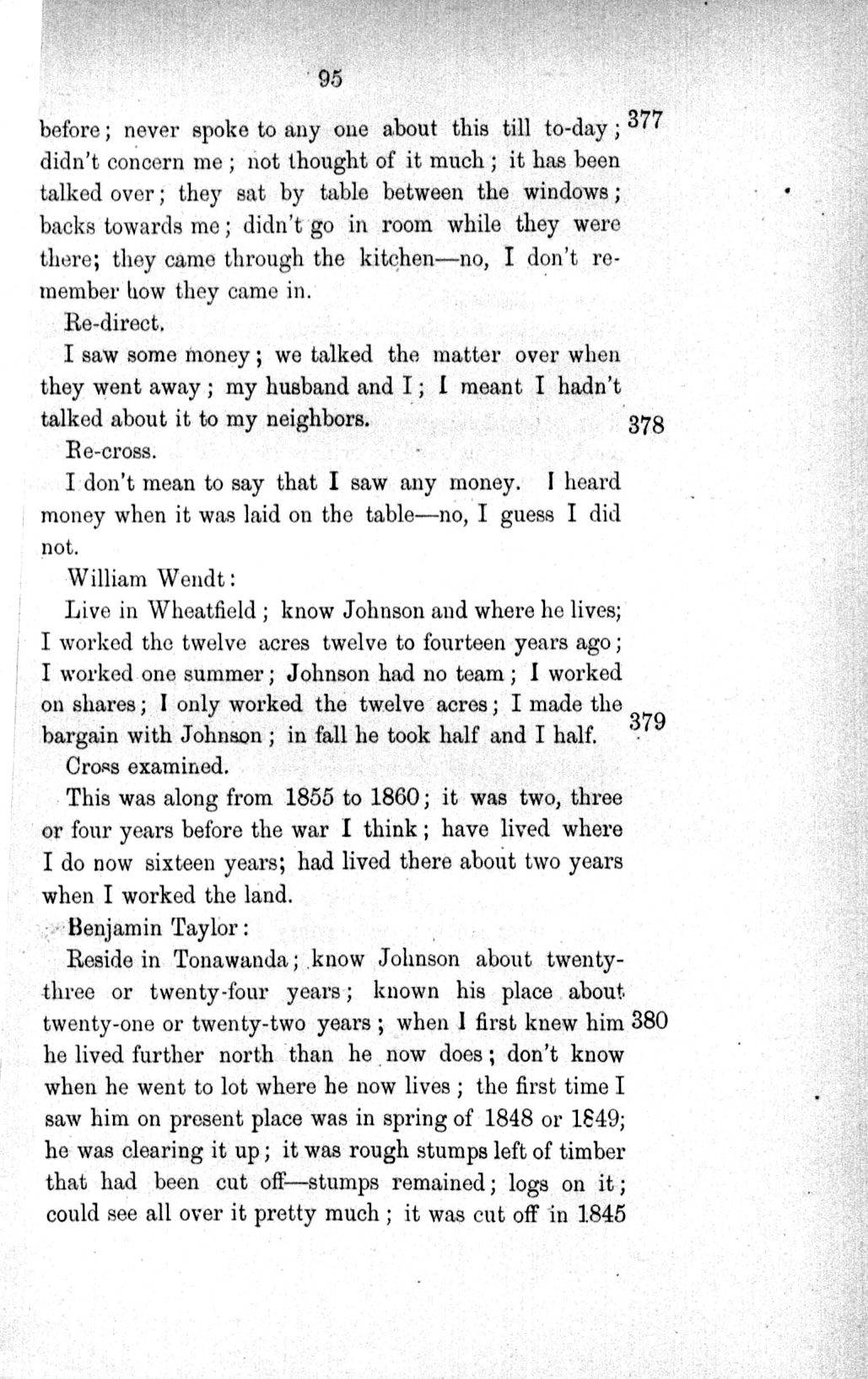
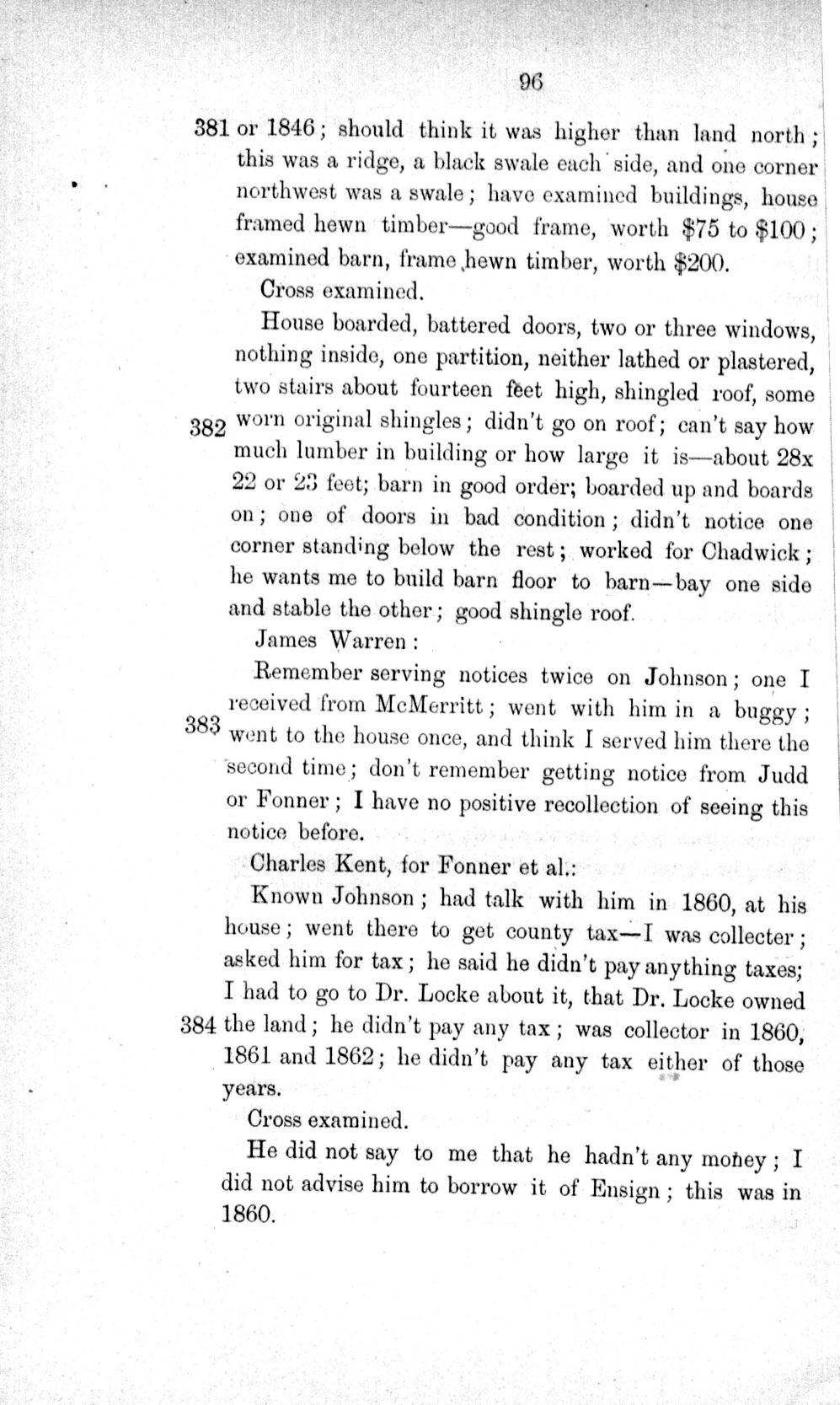
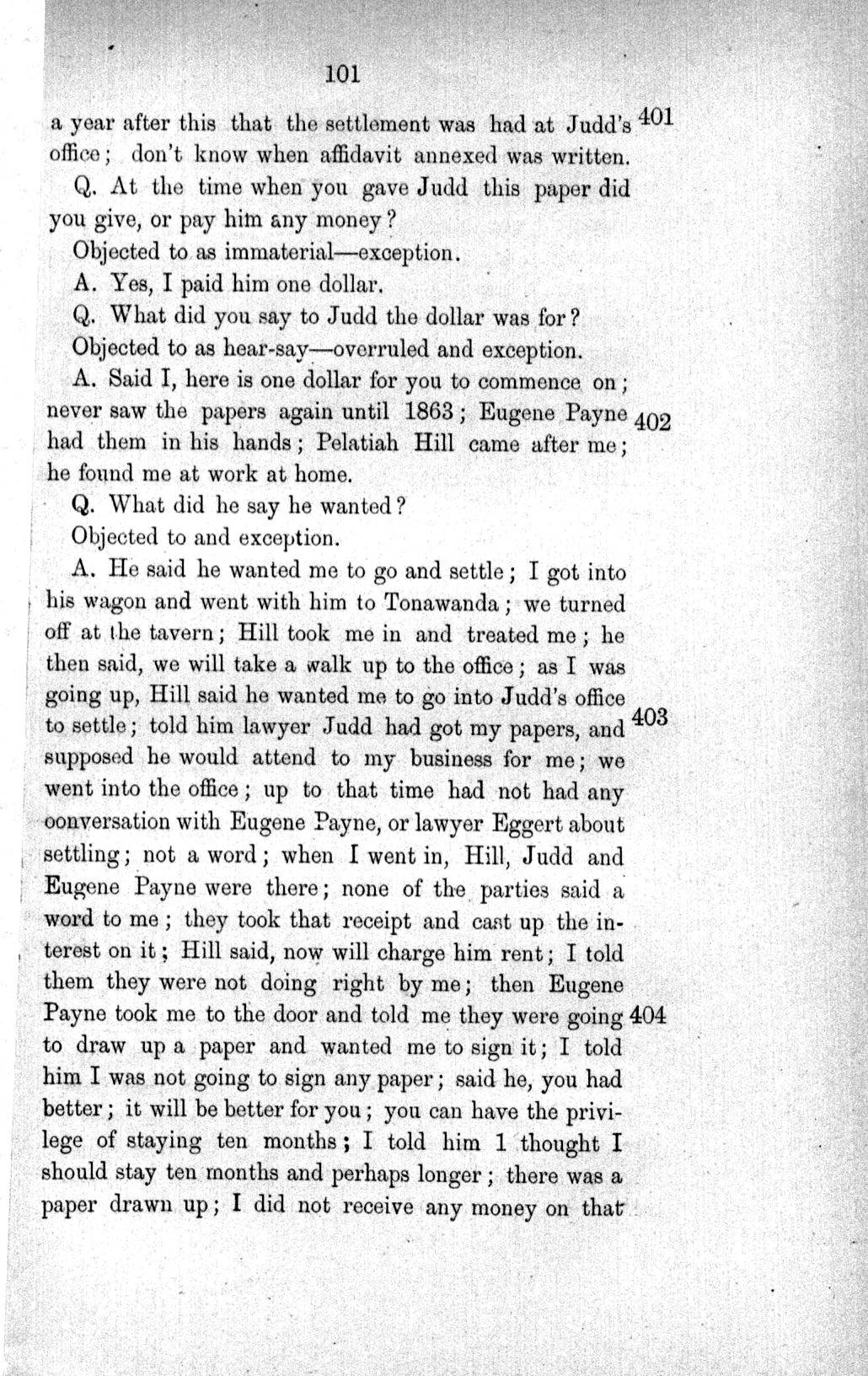
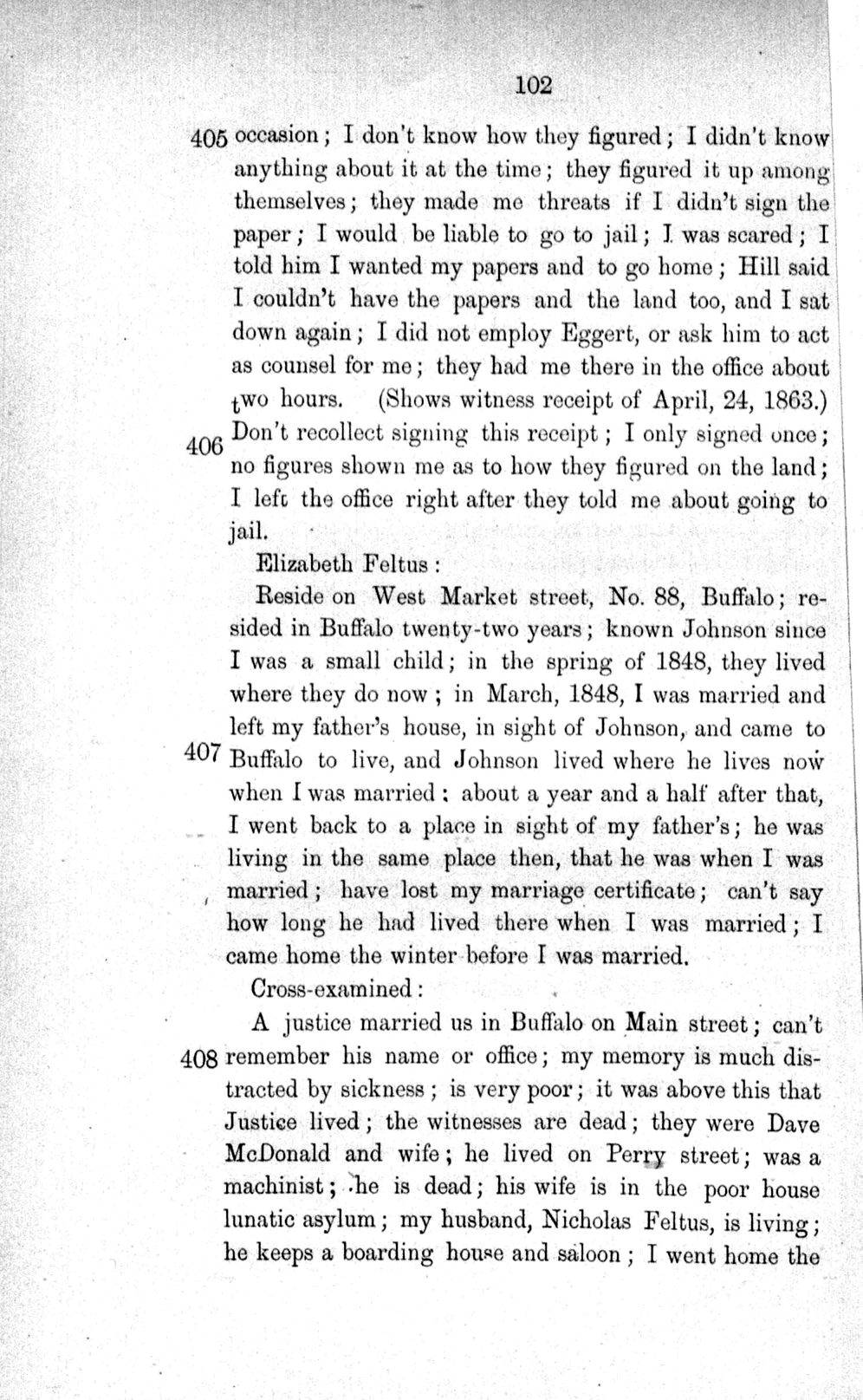
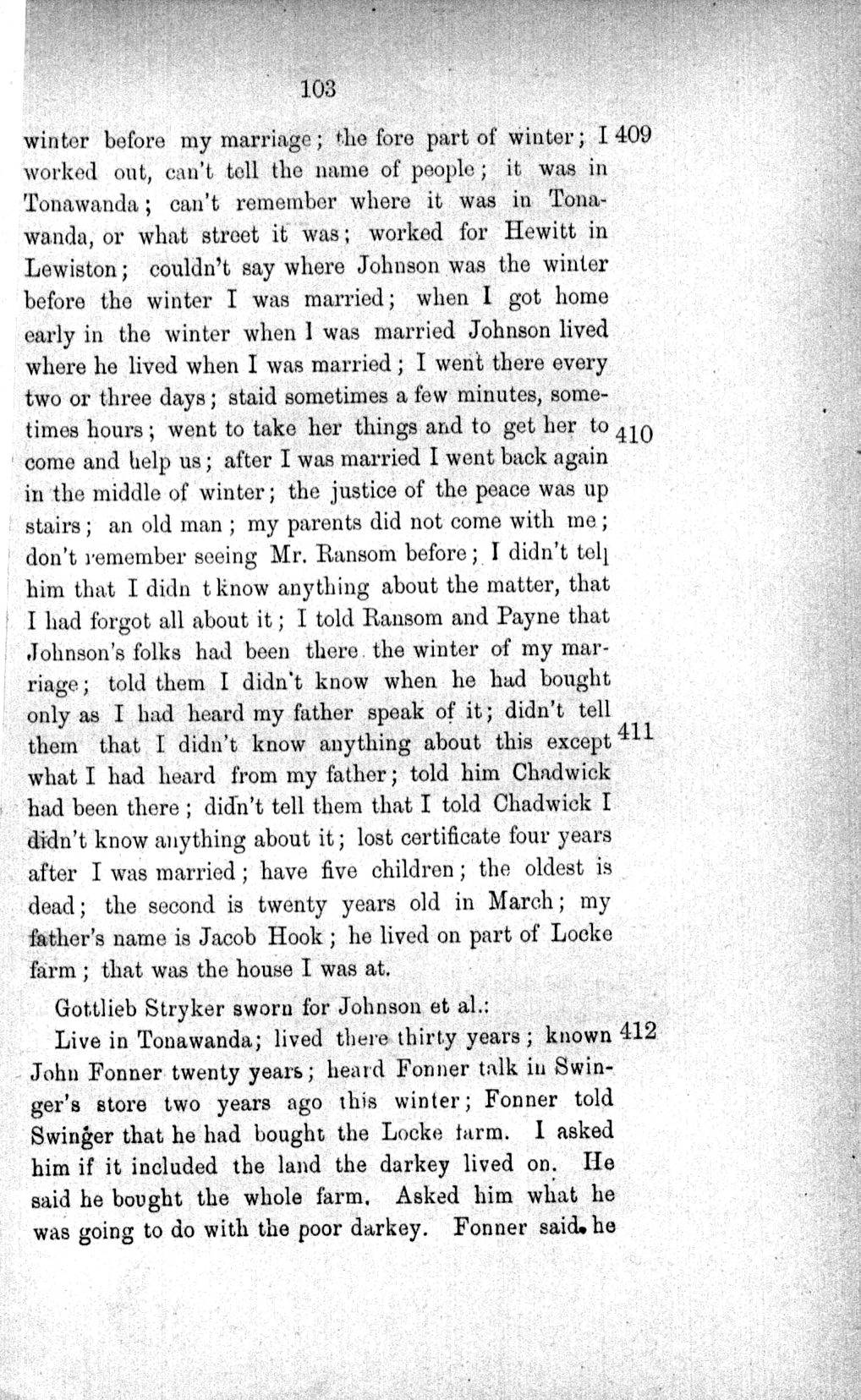
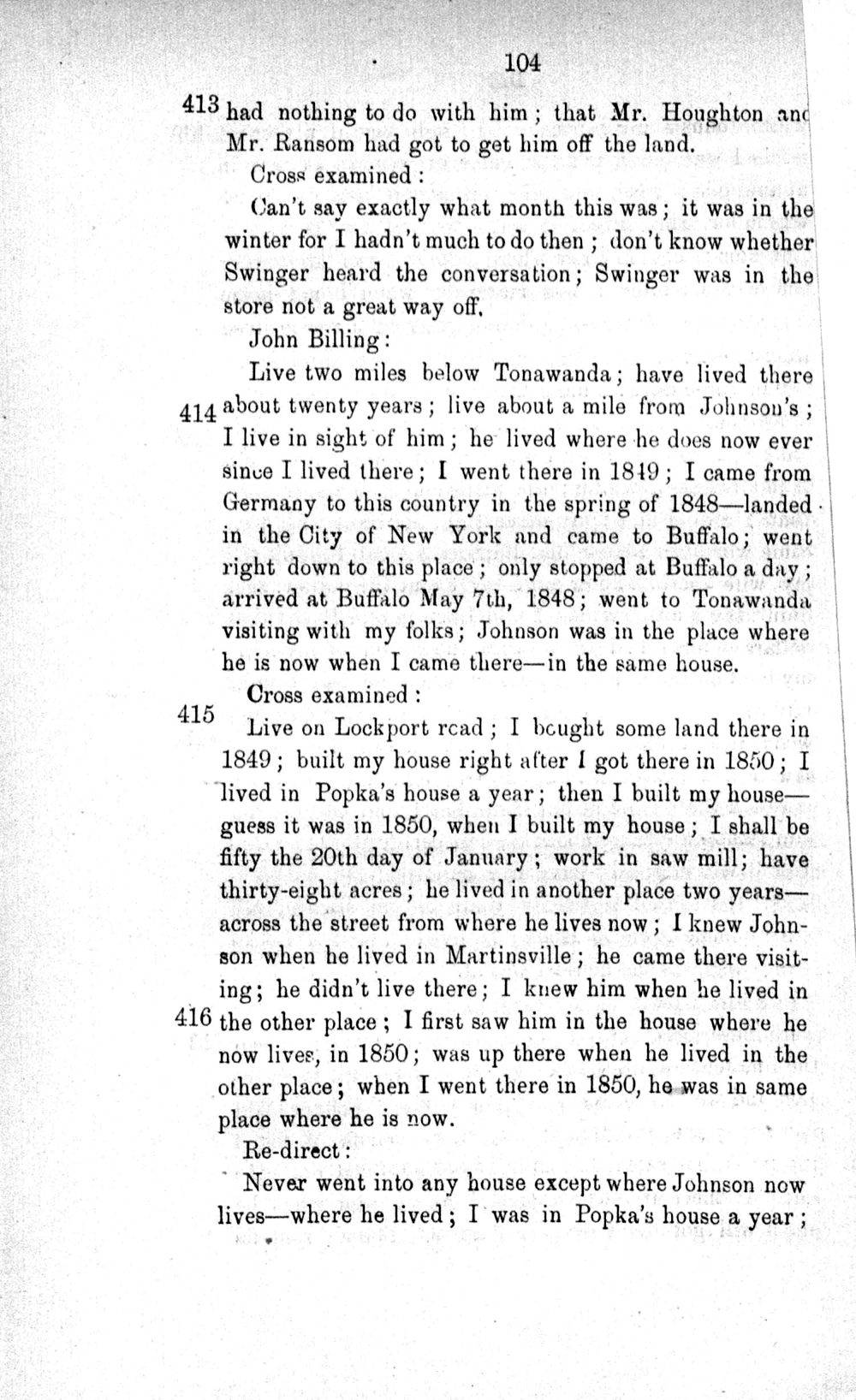
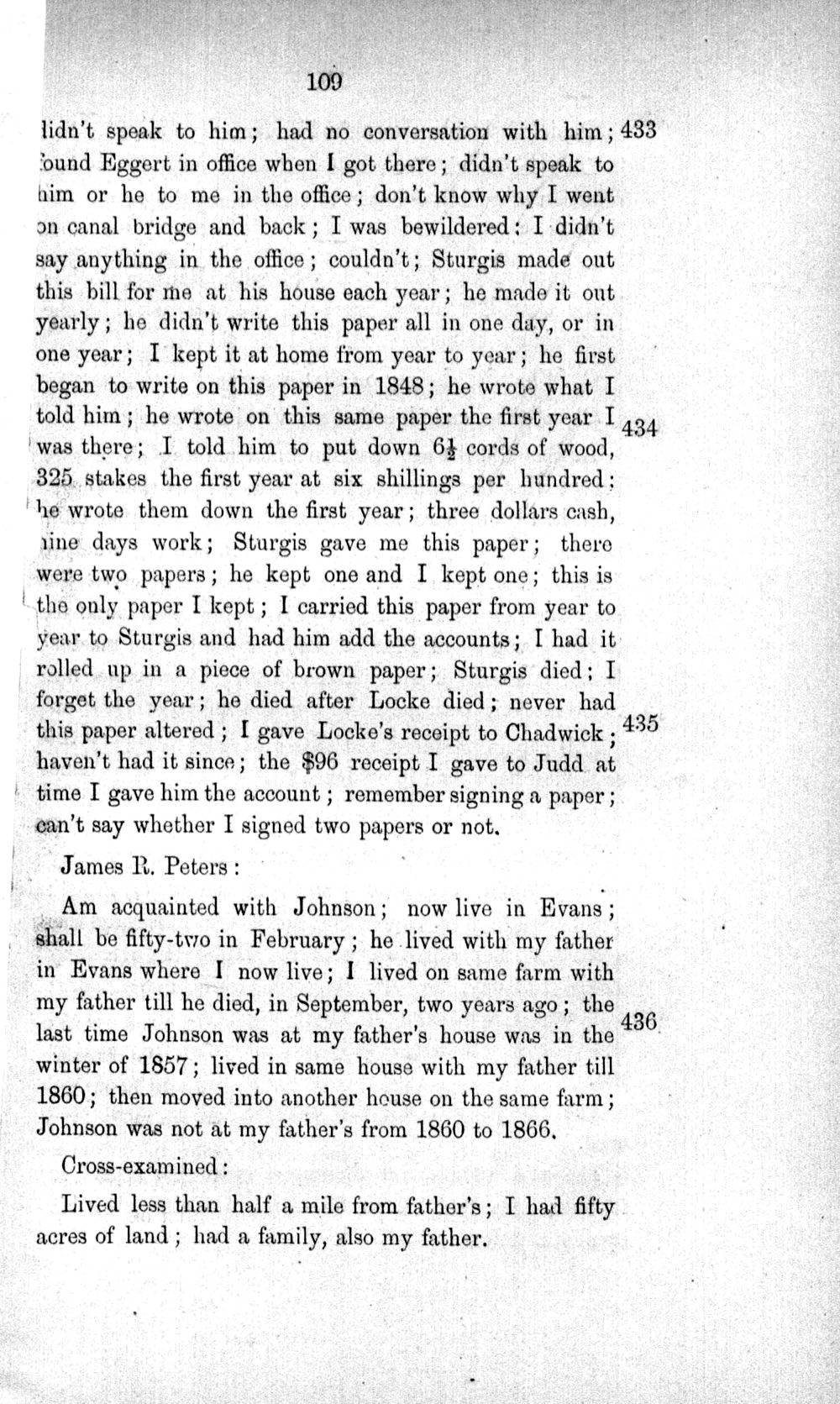
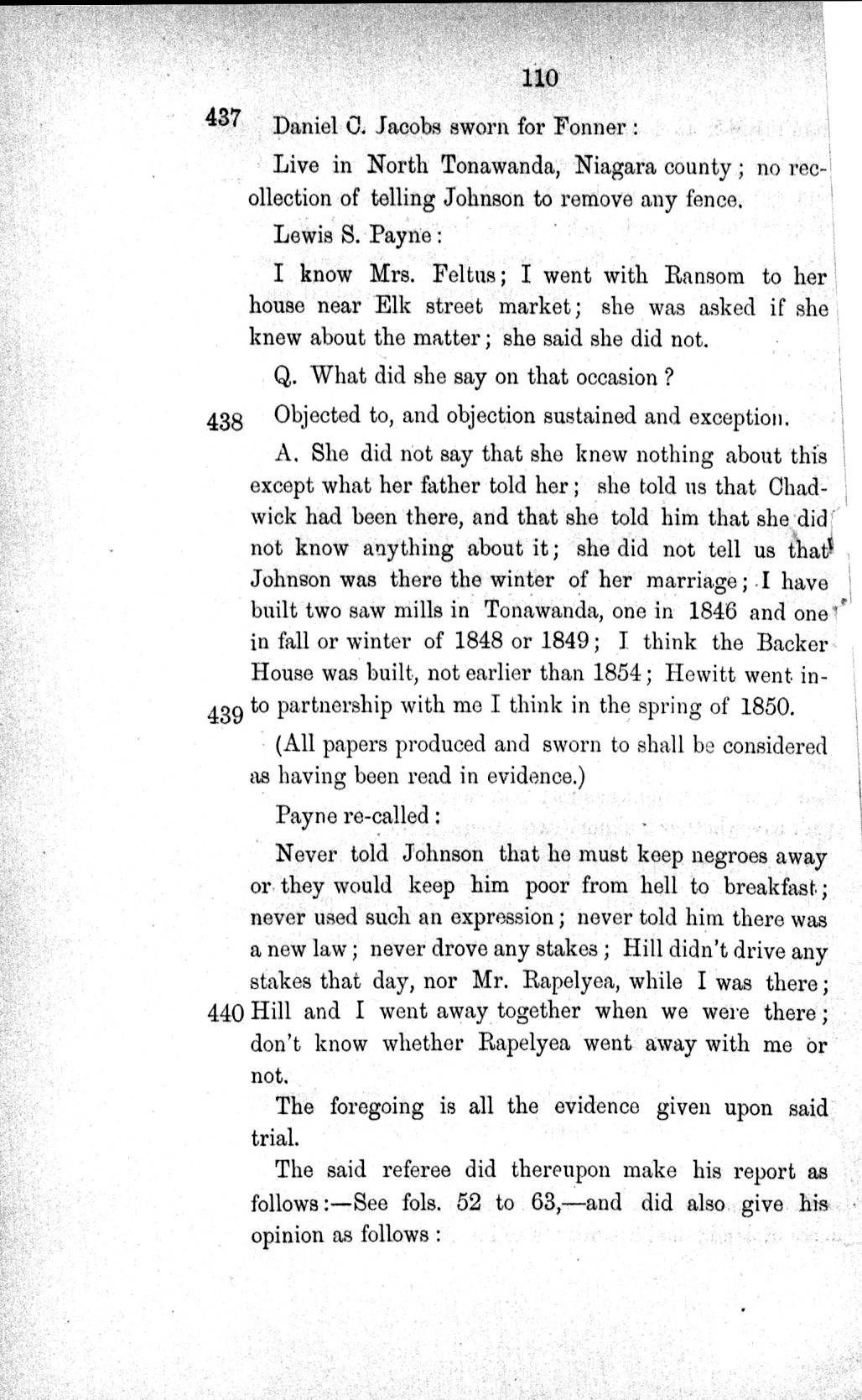
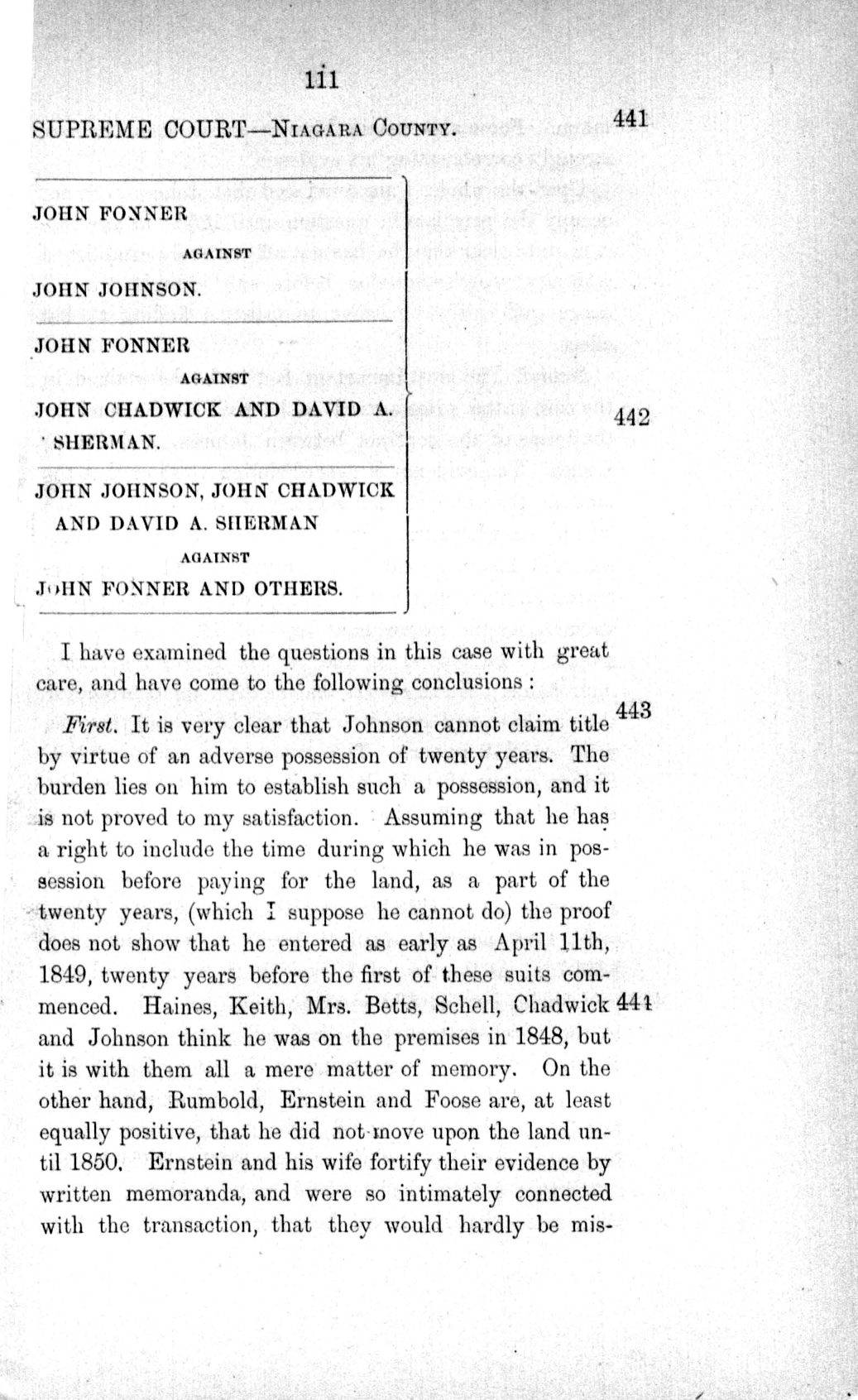
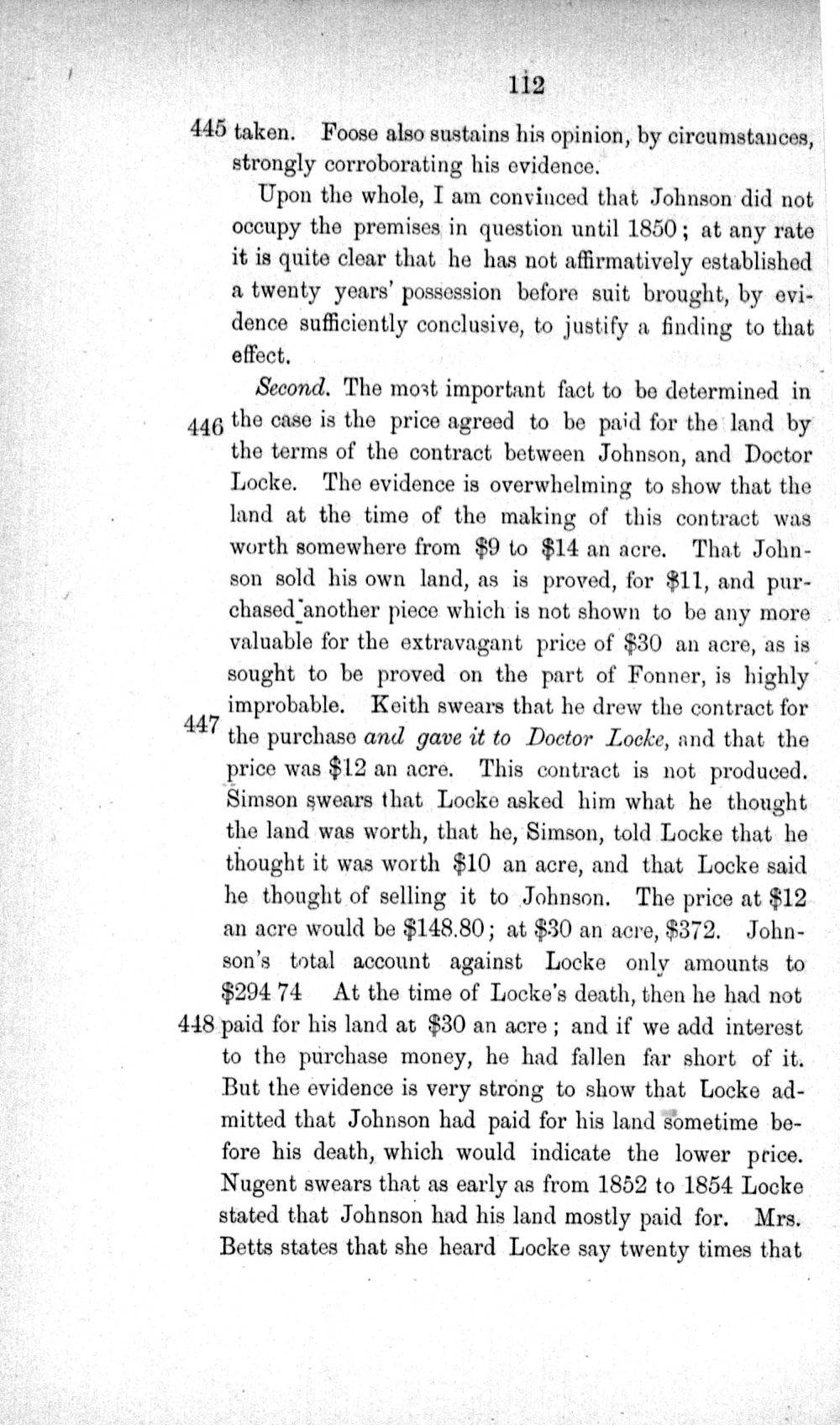
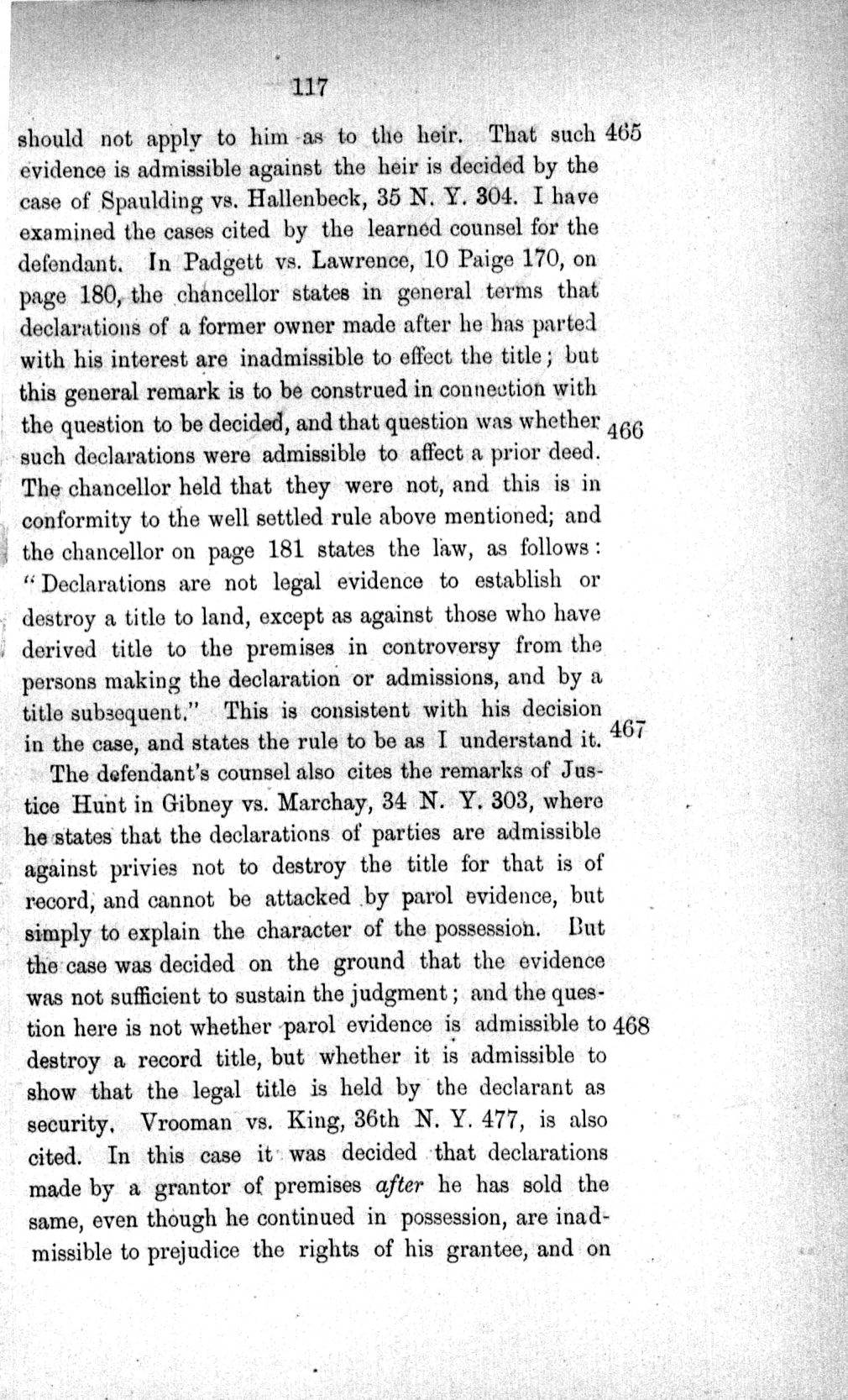
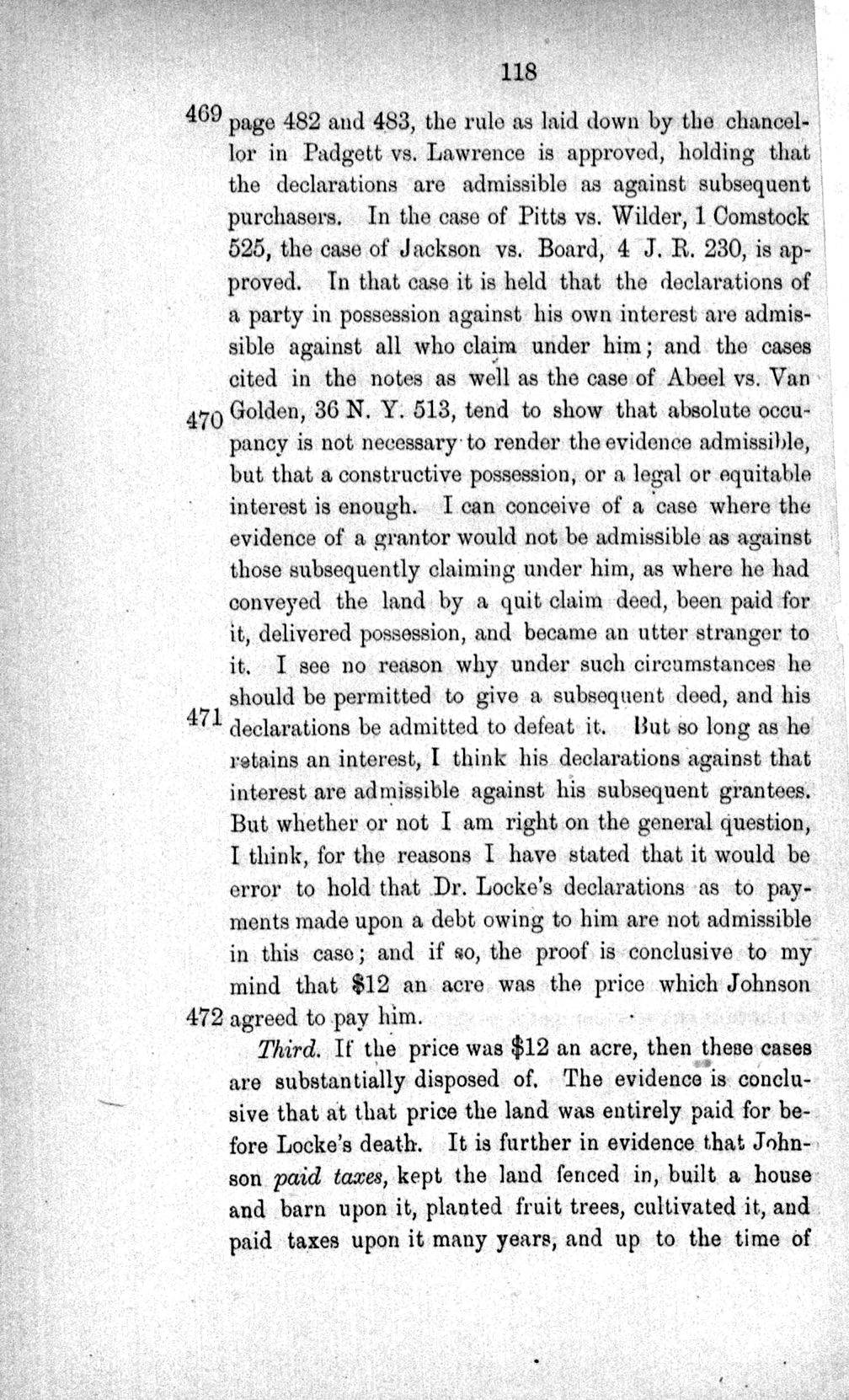
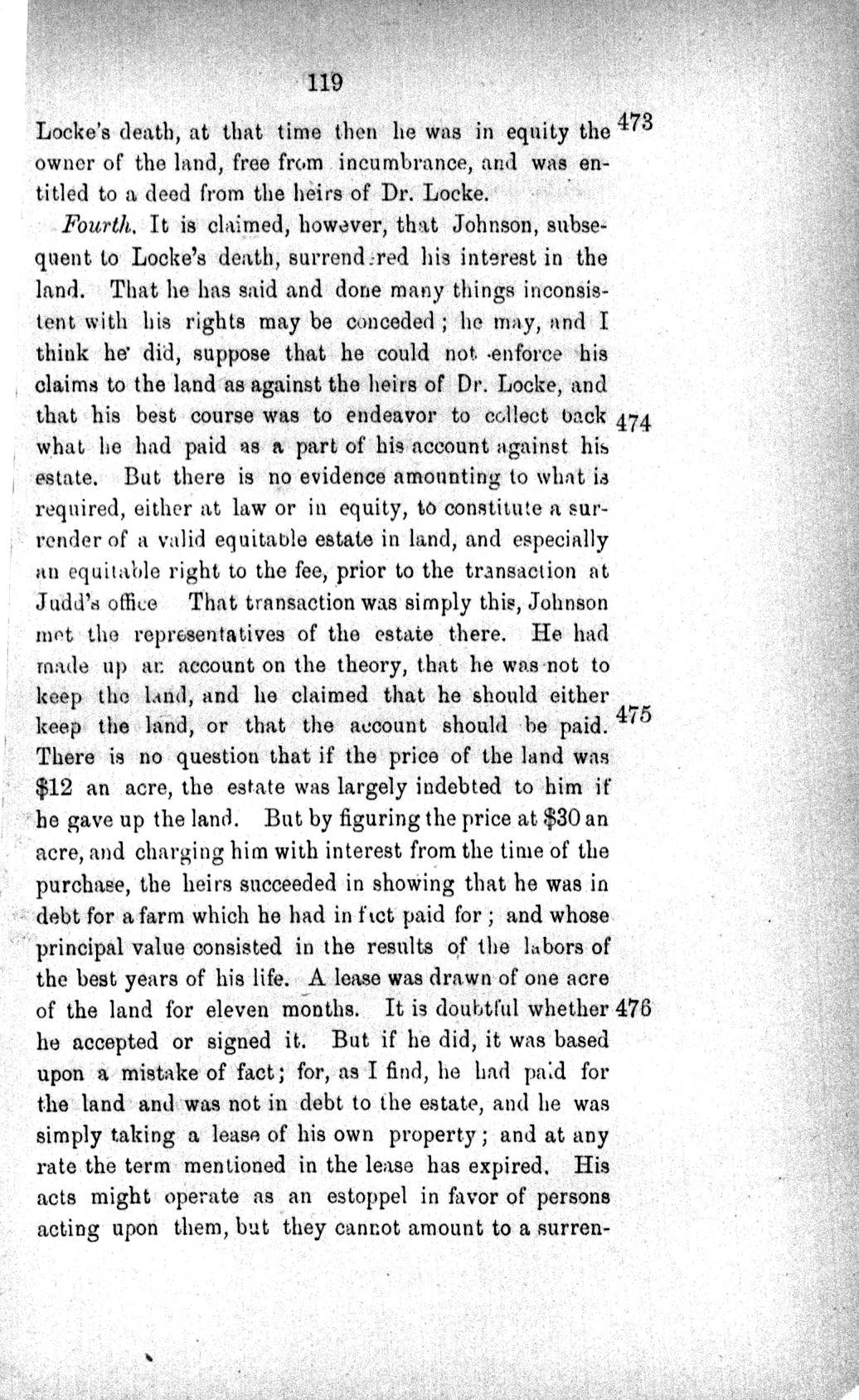
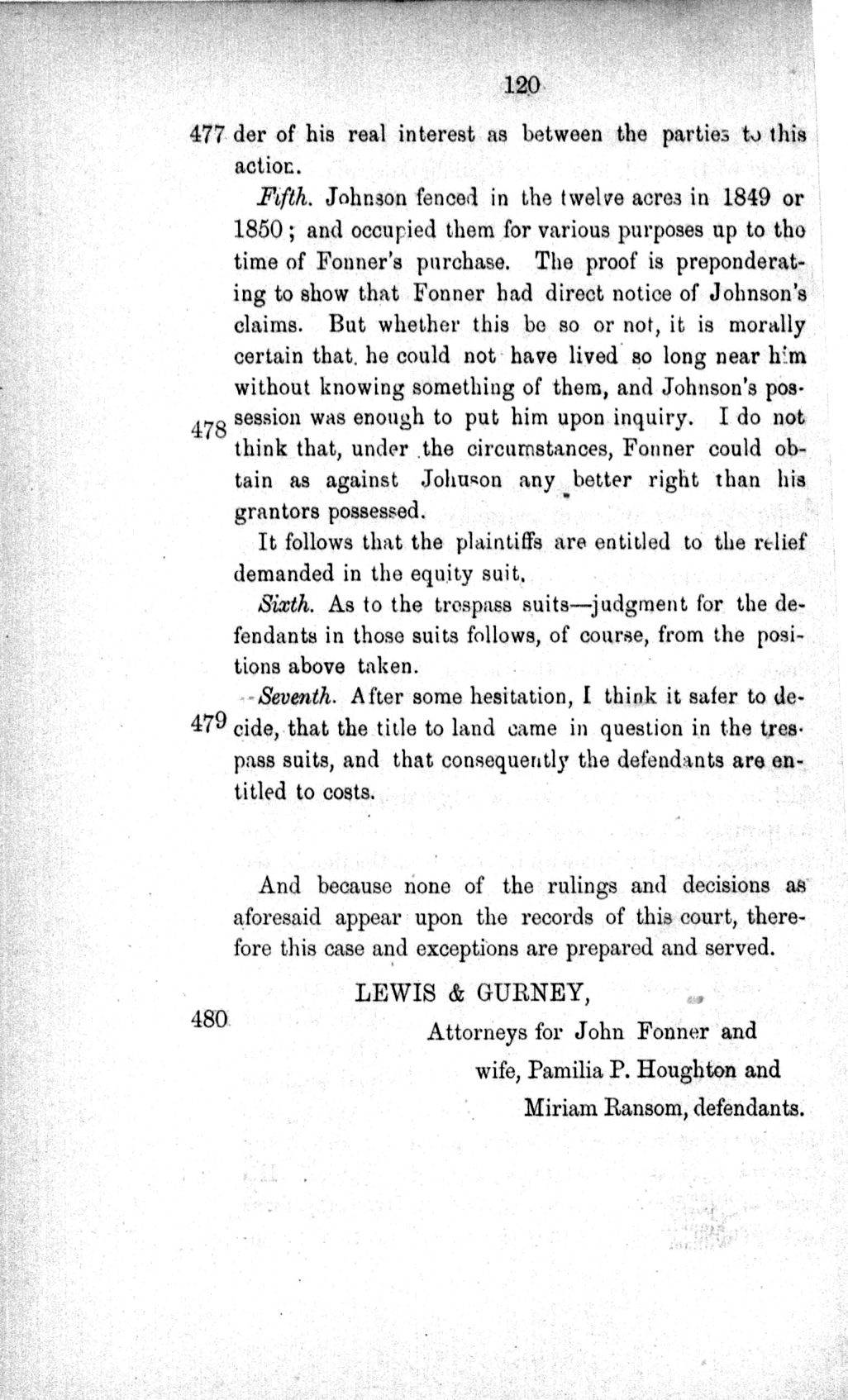
The referee’s written opinion, later judgment and appellate material, and the notice of appeal to the Court of Appeals. This section begins on packet page 111, not scan page 111.
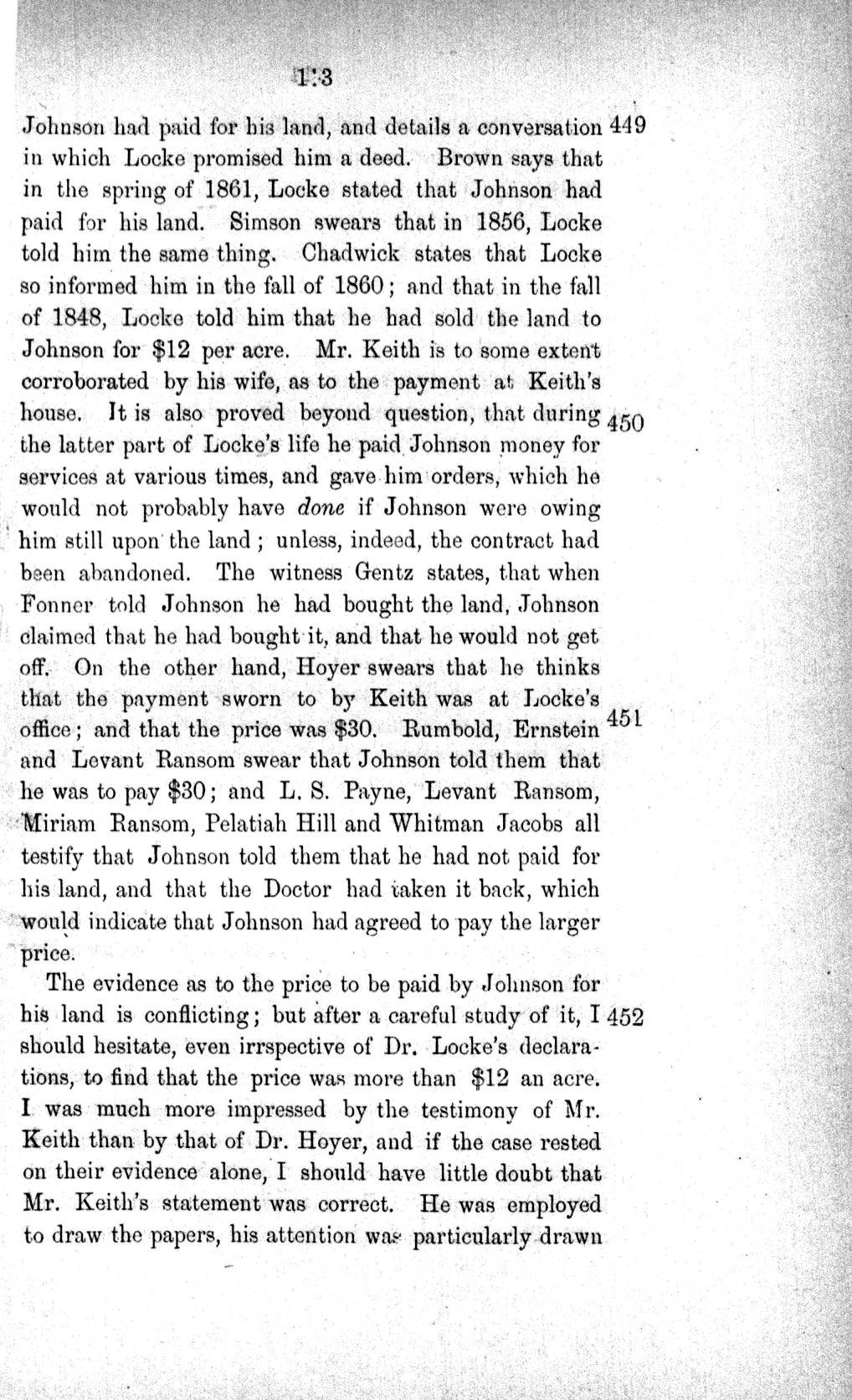
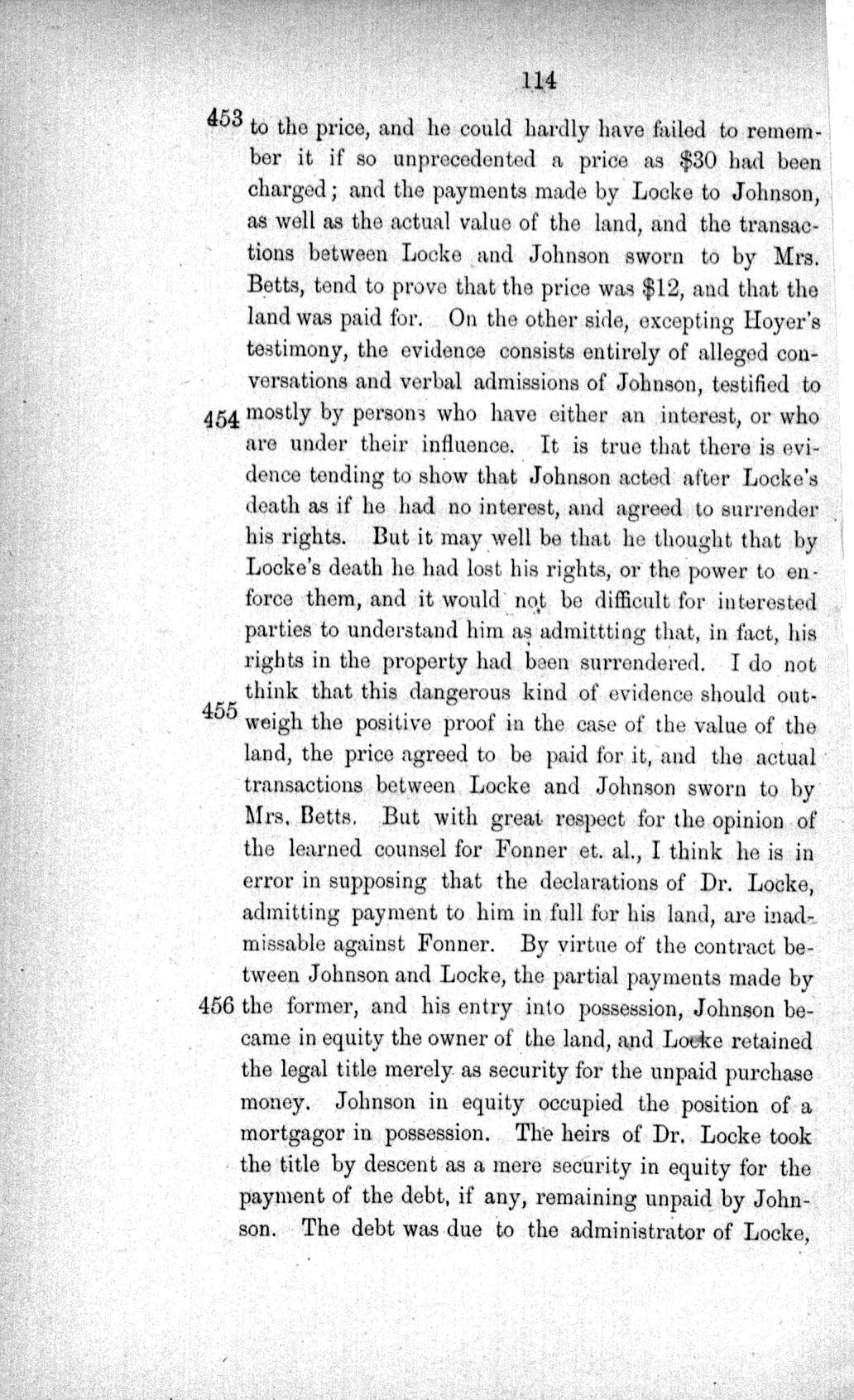
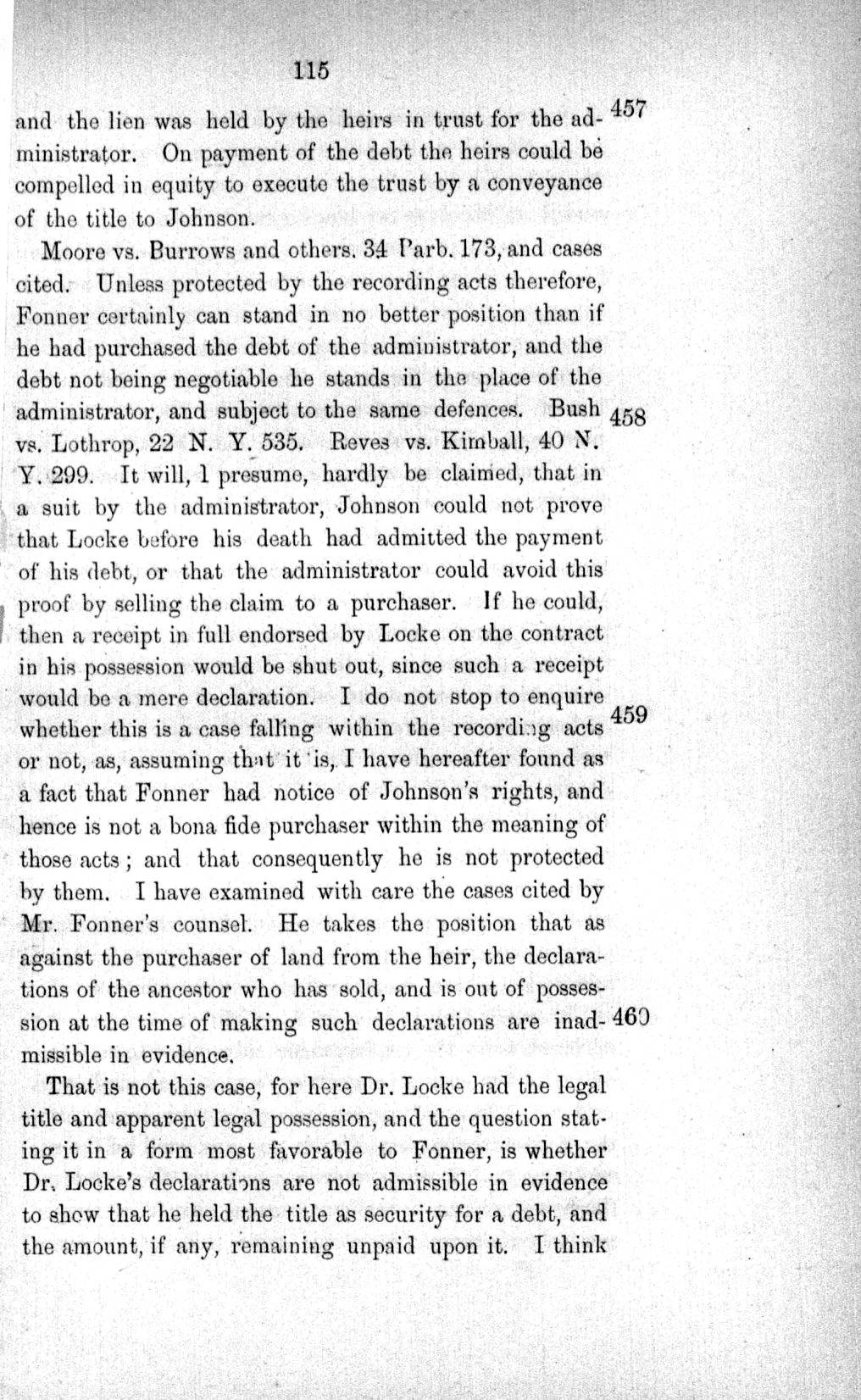
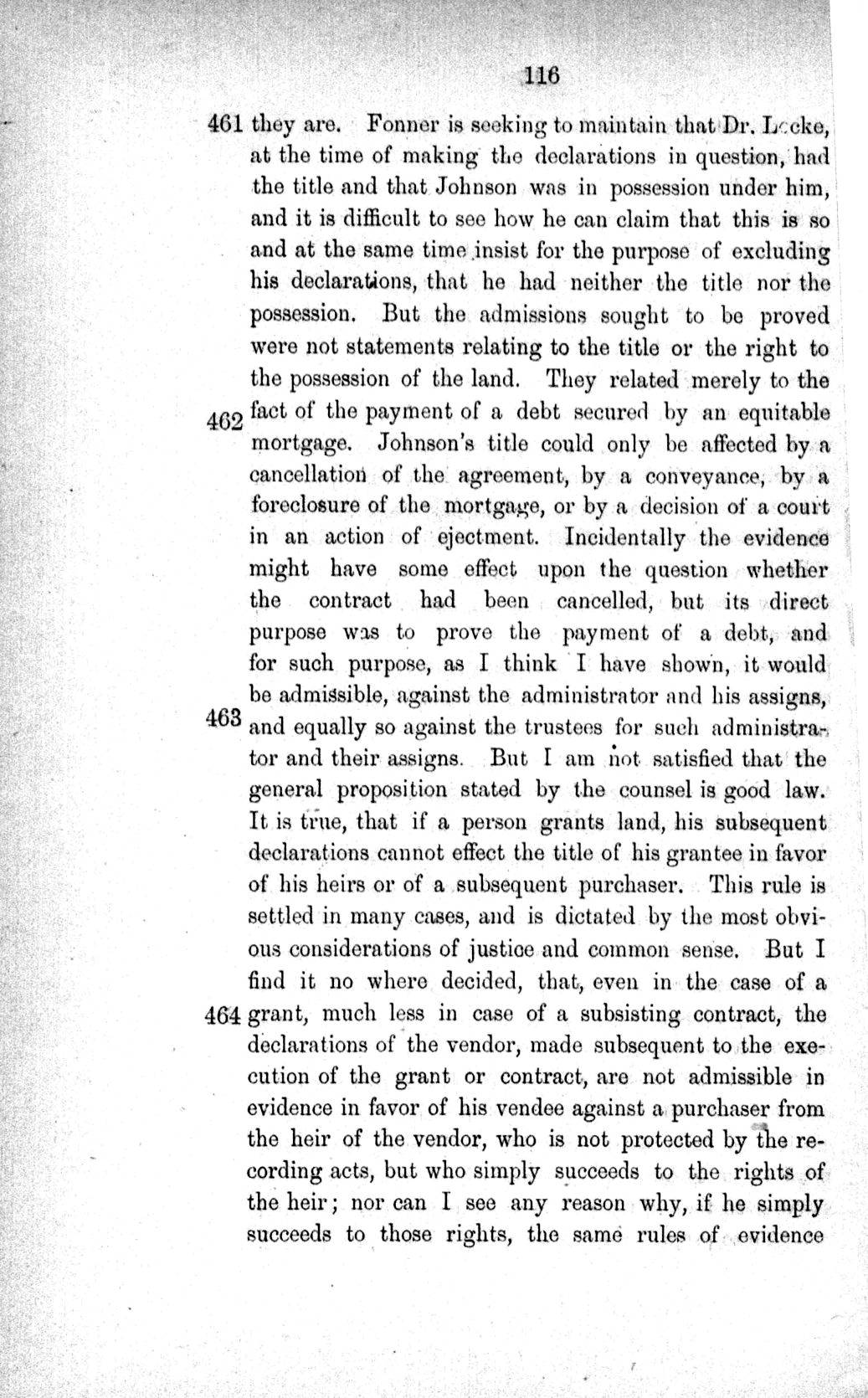
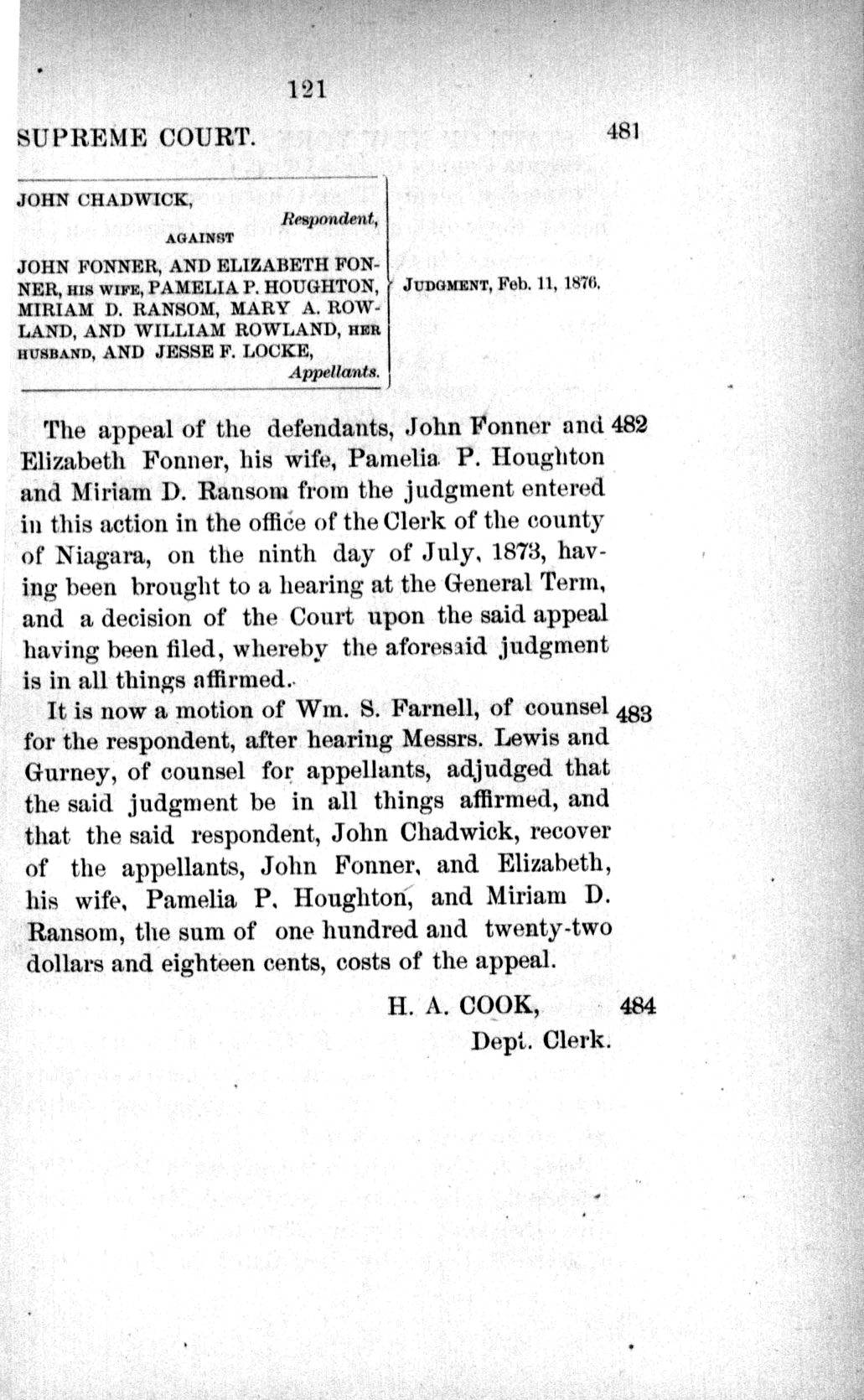
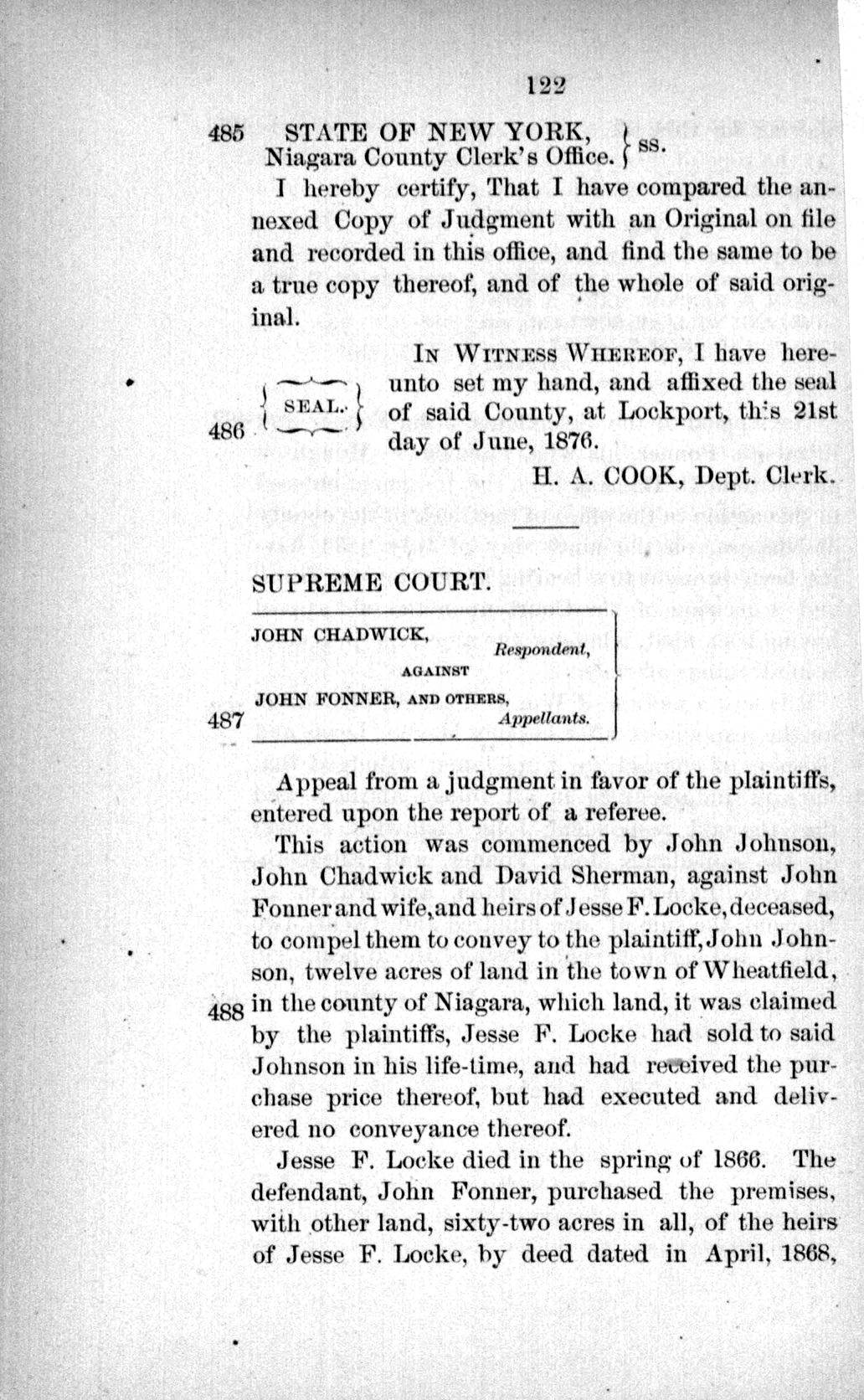
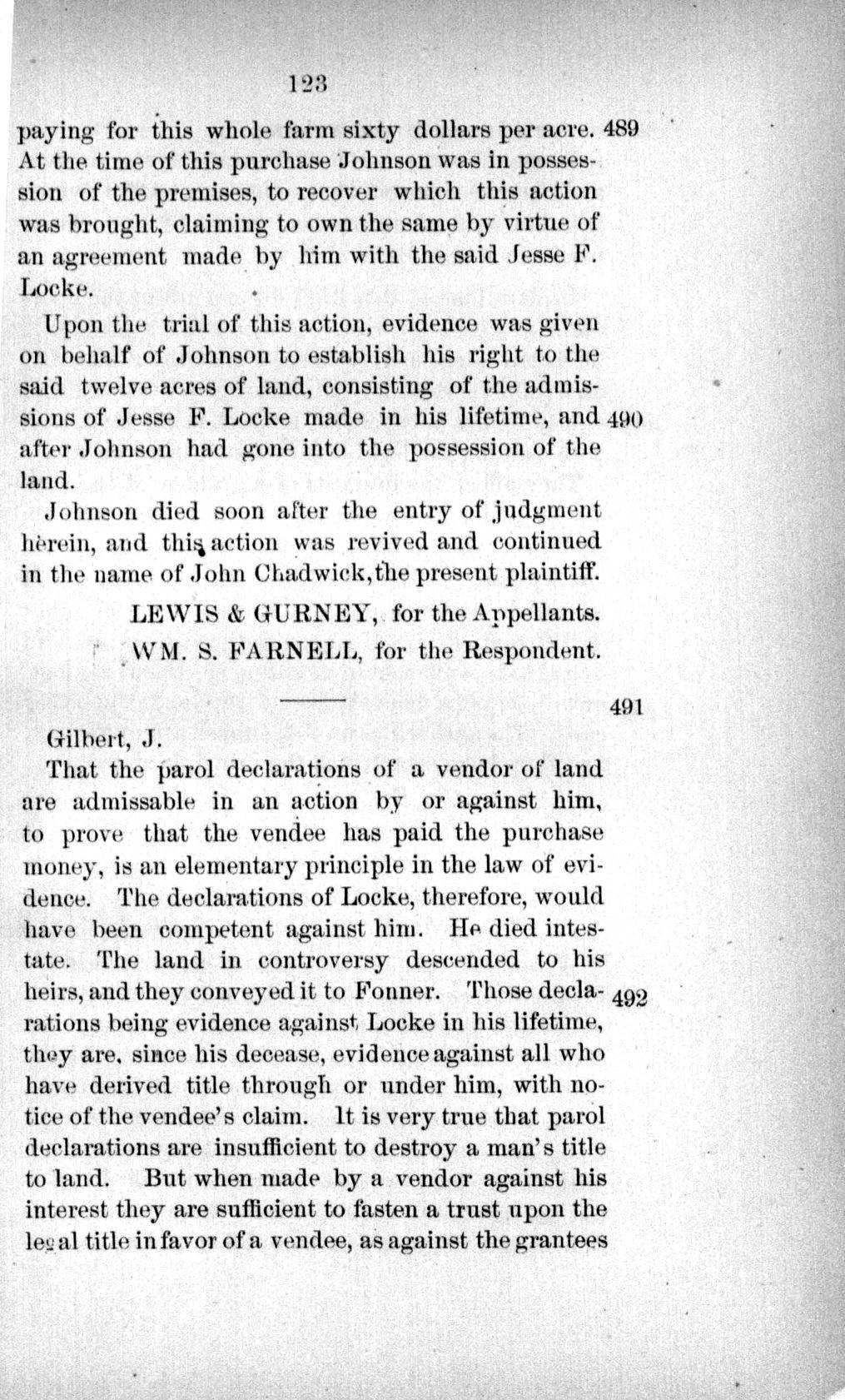
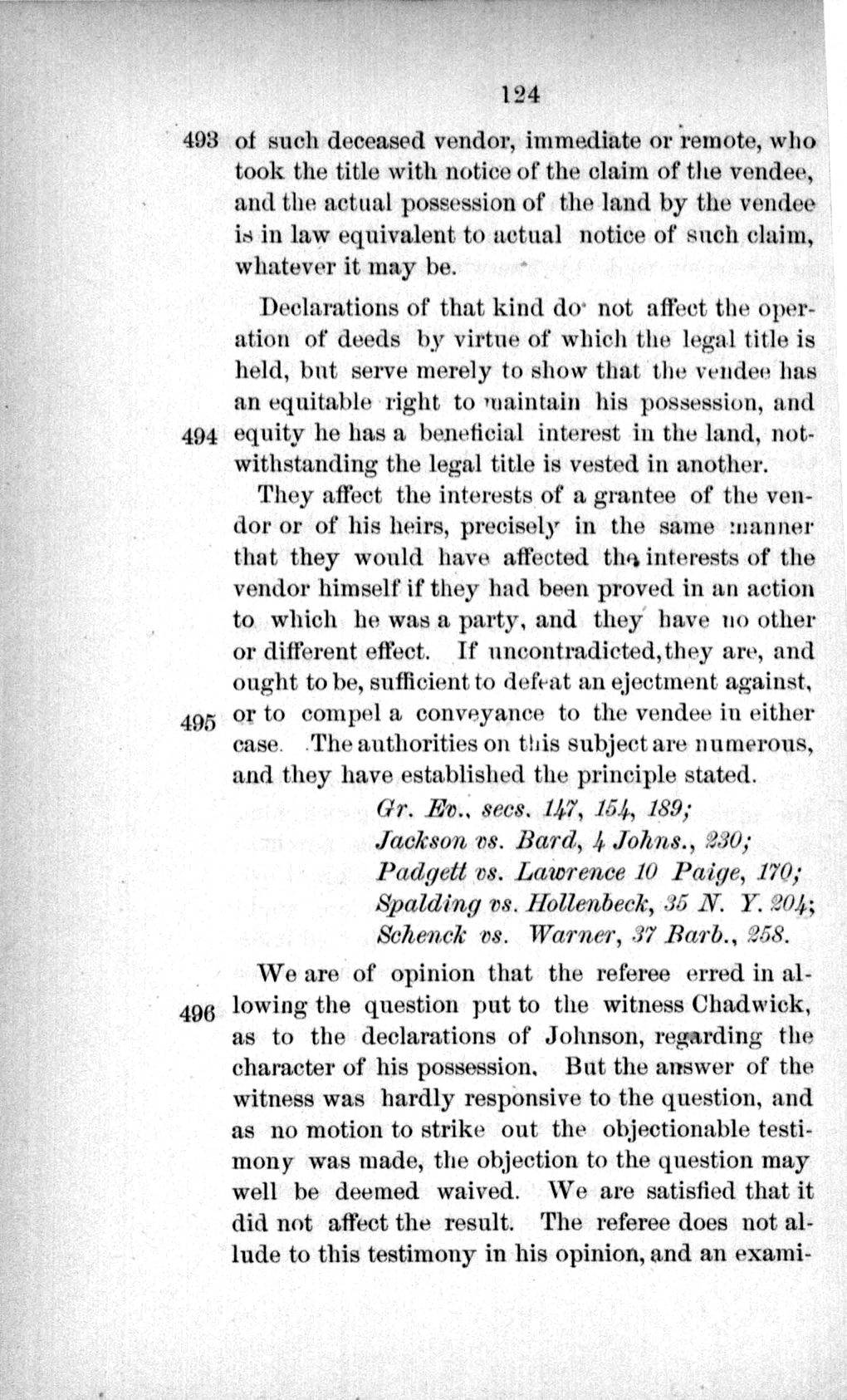
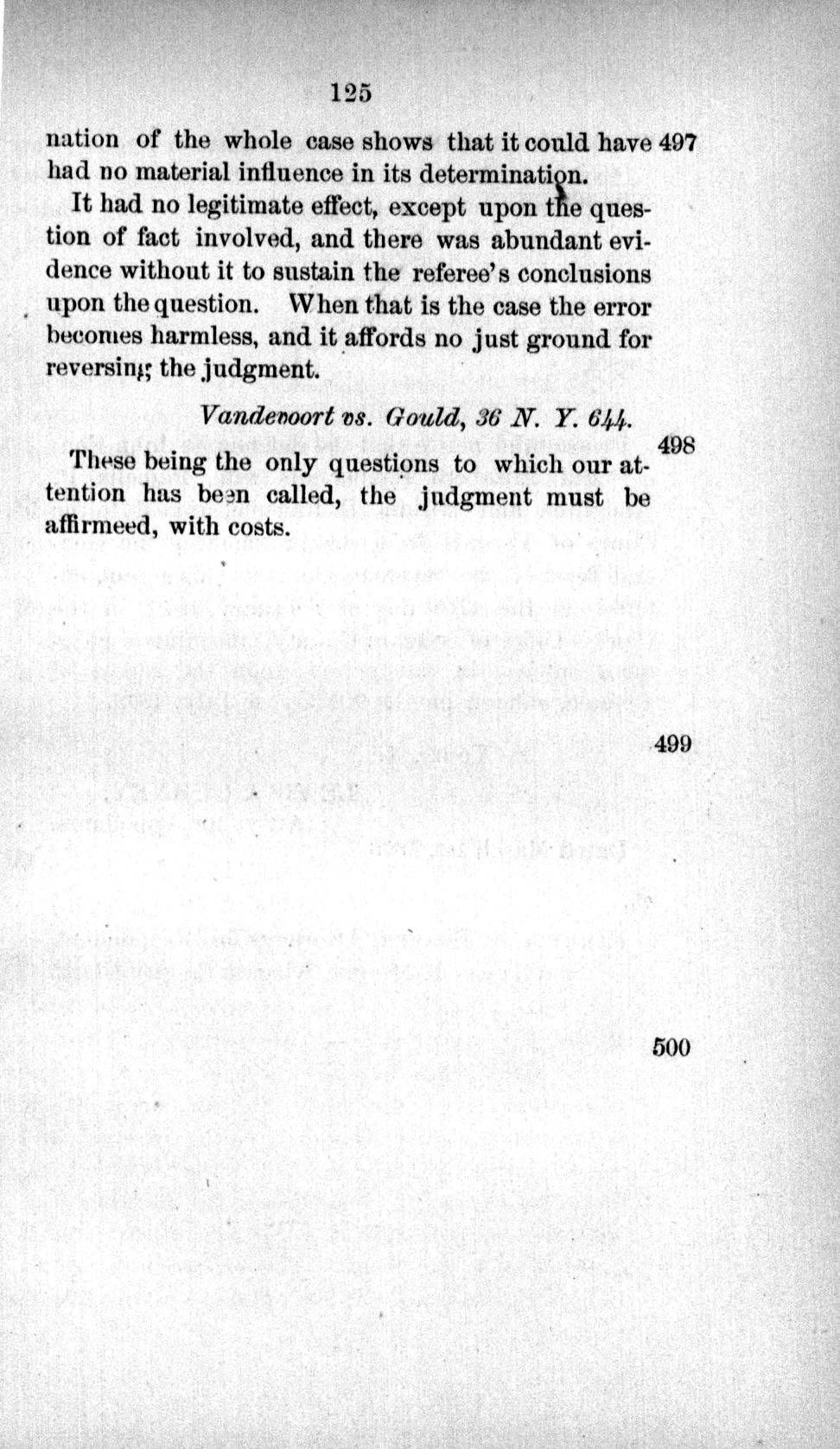
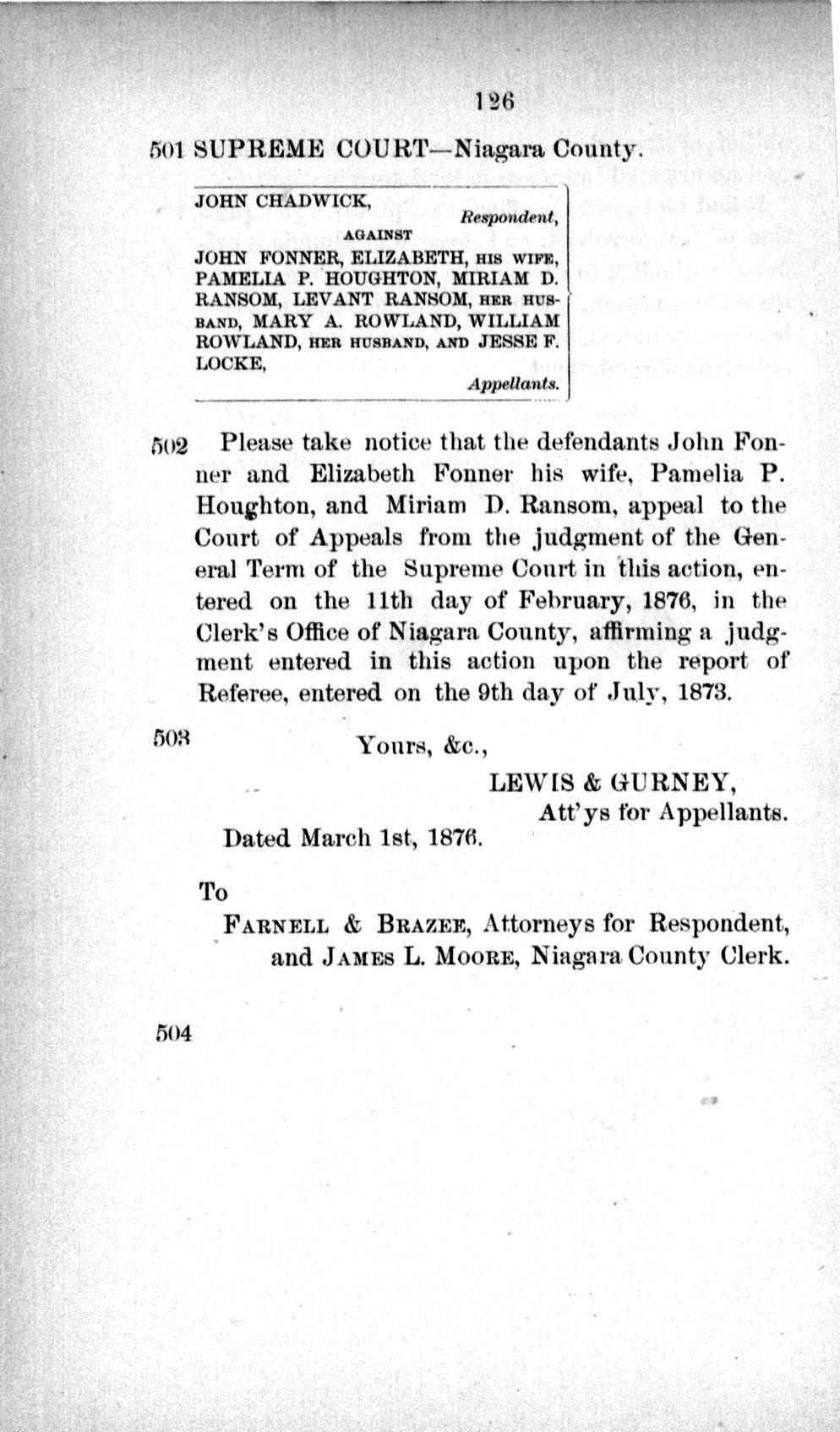
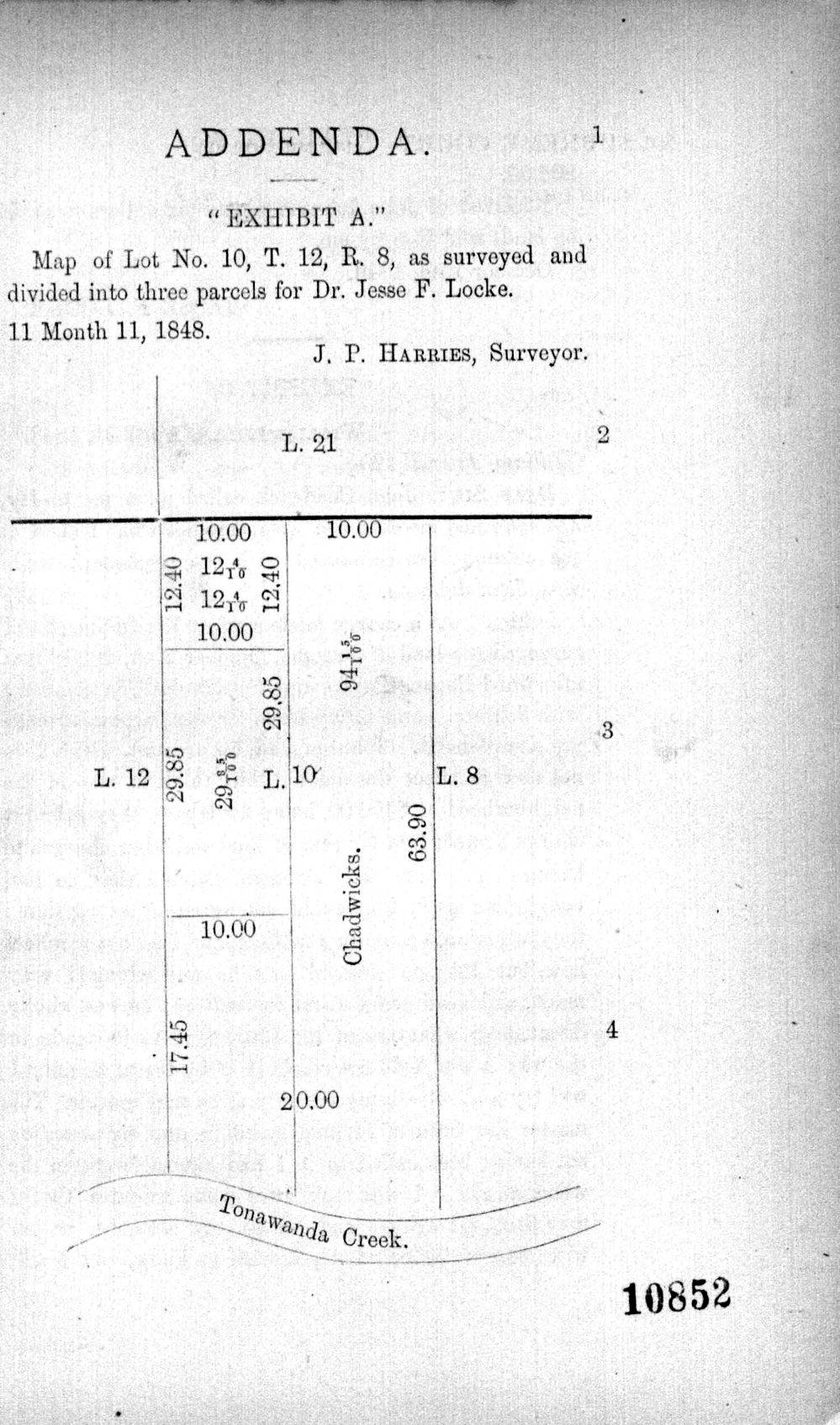
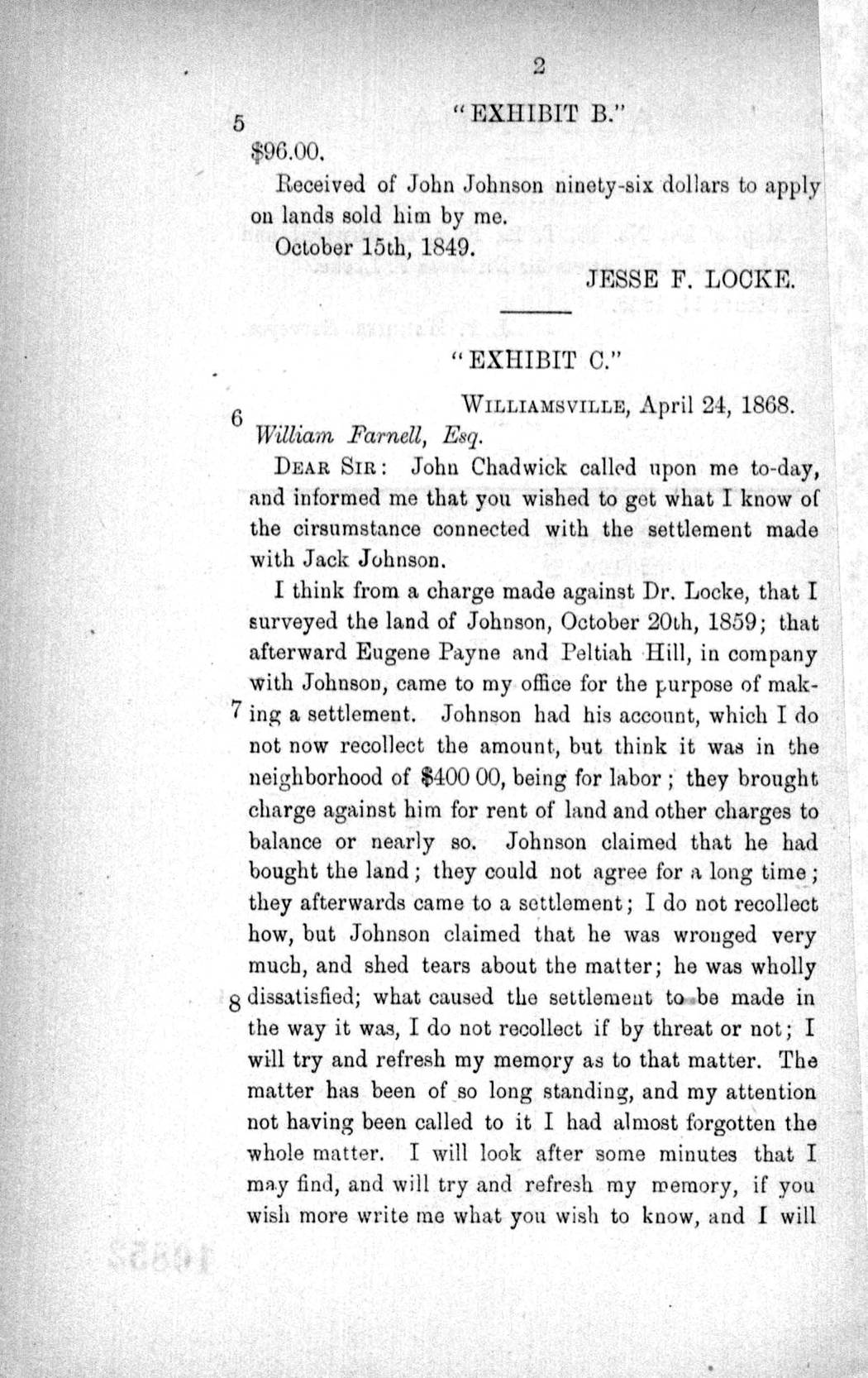
Supplemental exhibit material, including the map of Lot 10 and related papers attached after the main case text.
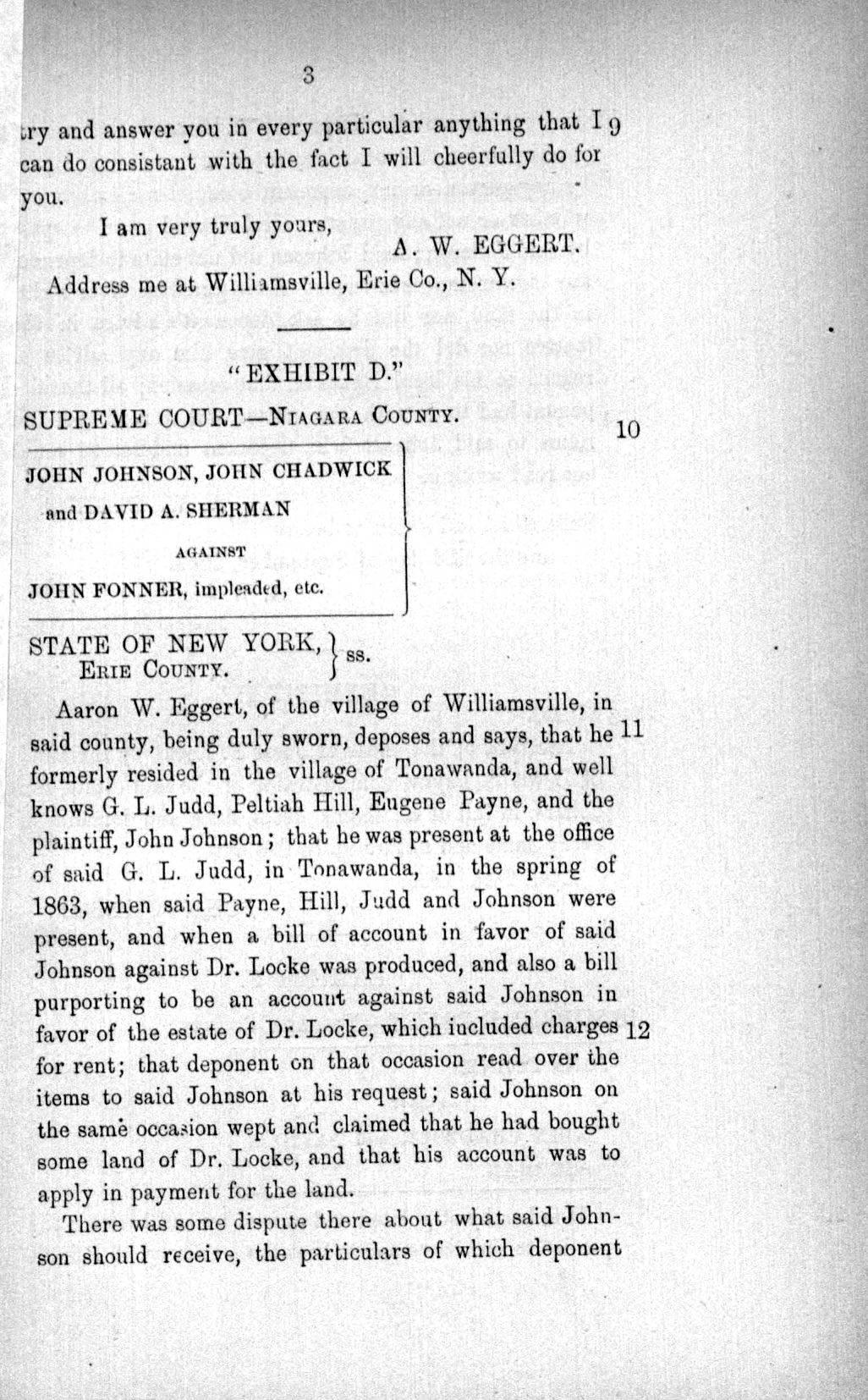
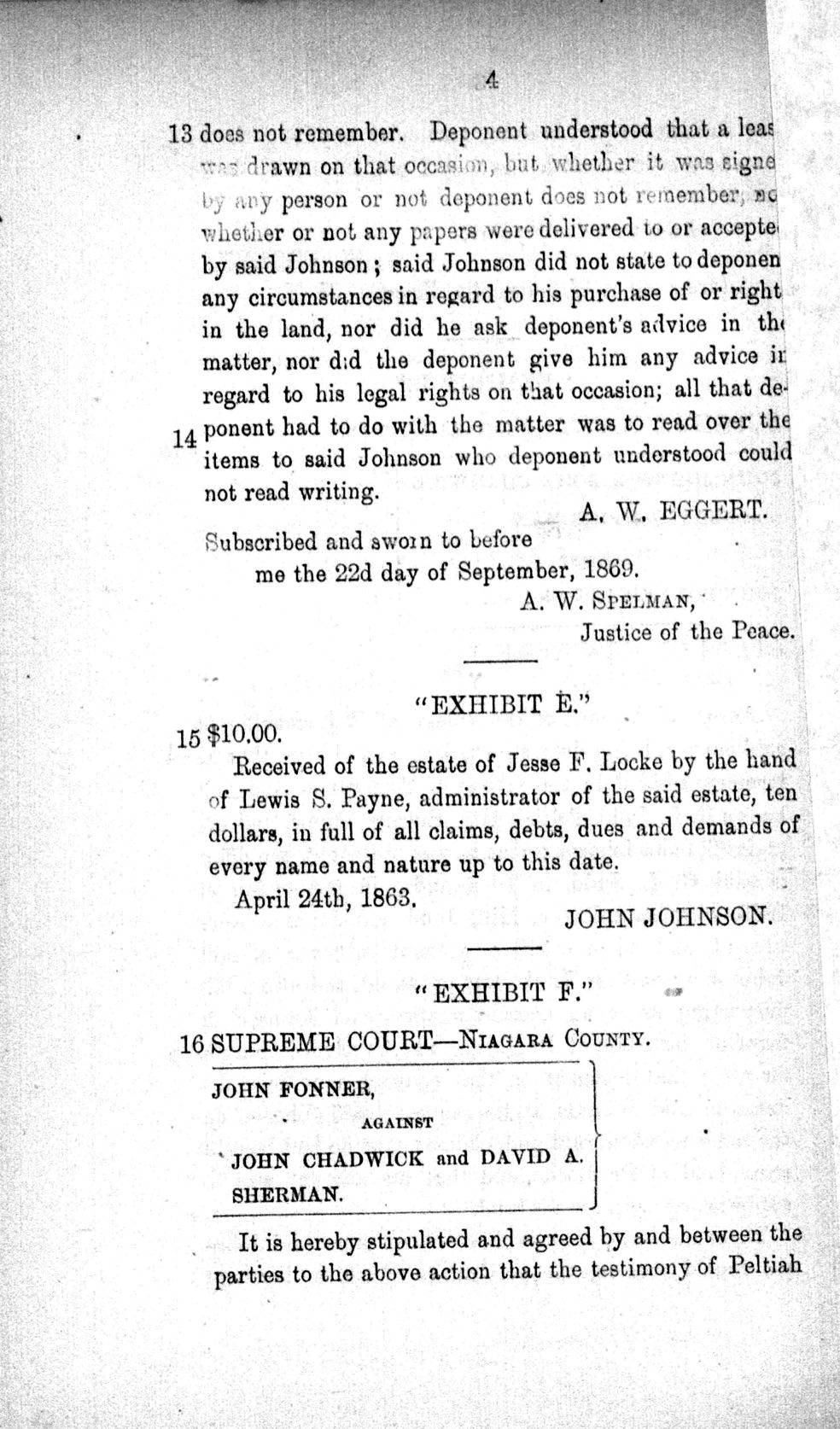
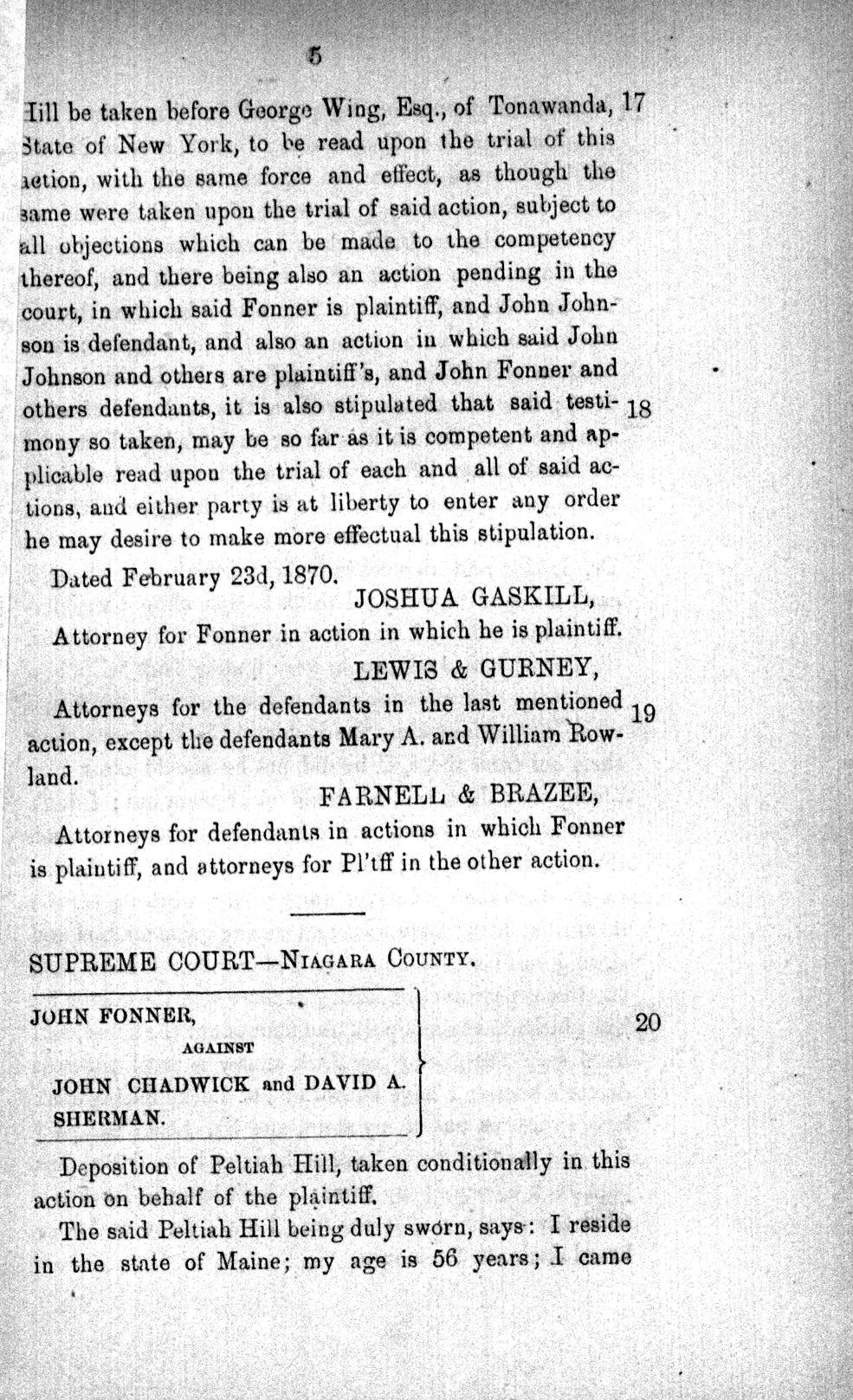
The written conditional deposition of Peltiah Hill and related certification material. Hill’s testimony begins on the lower part of addenda page 5.
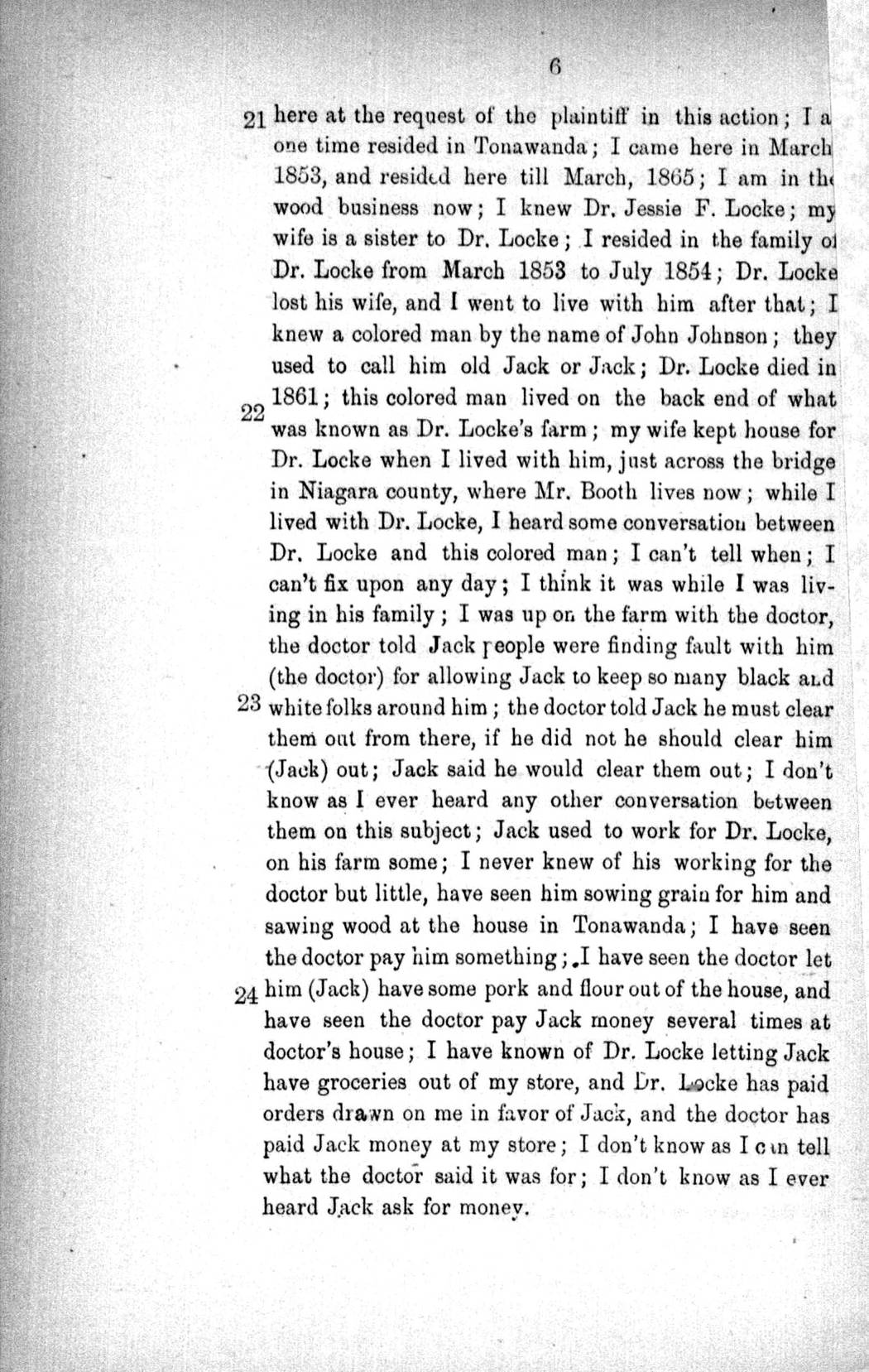
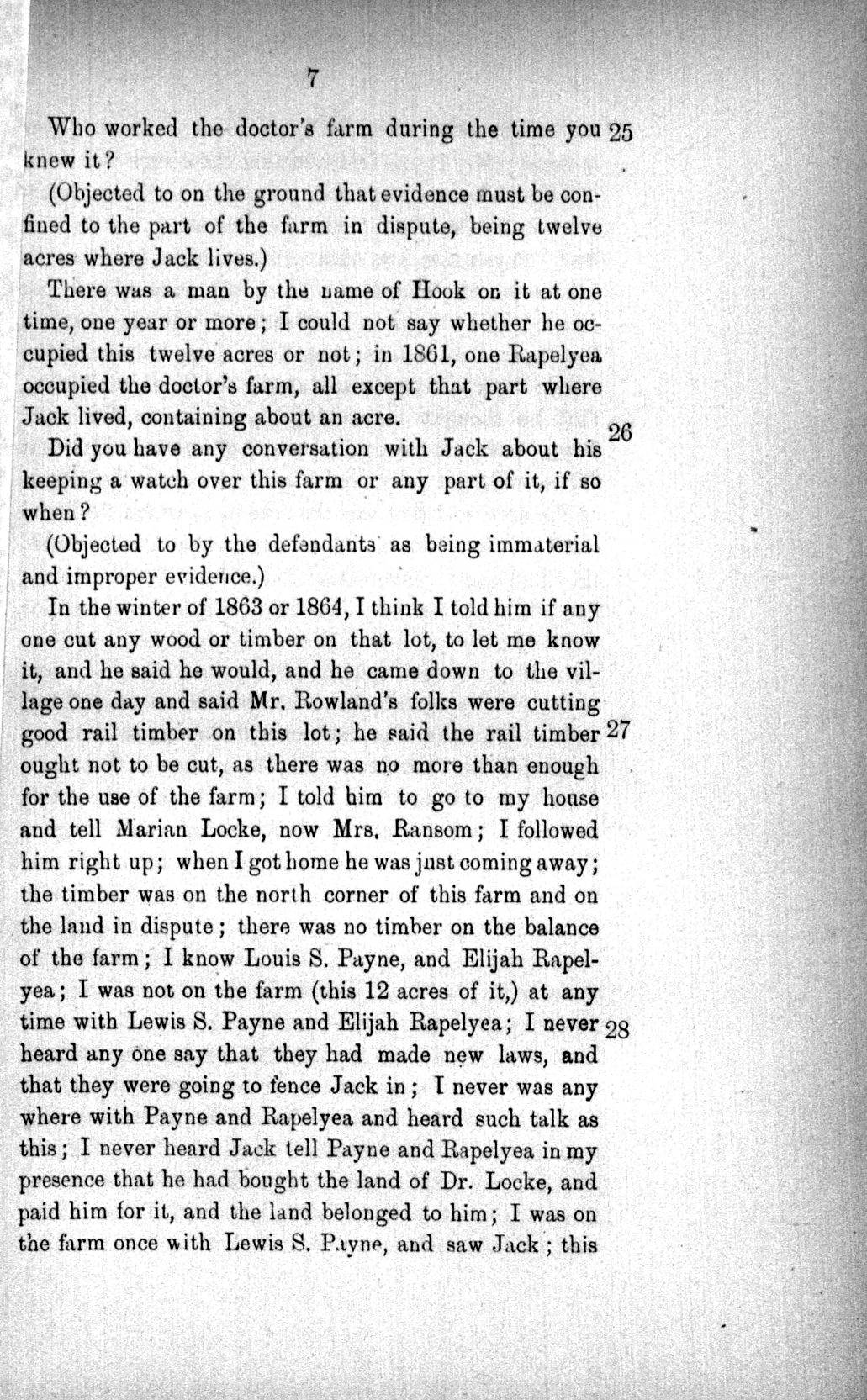
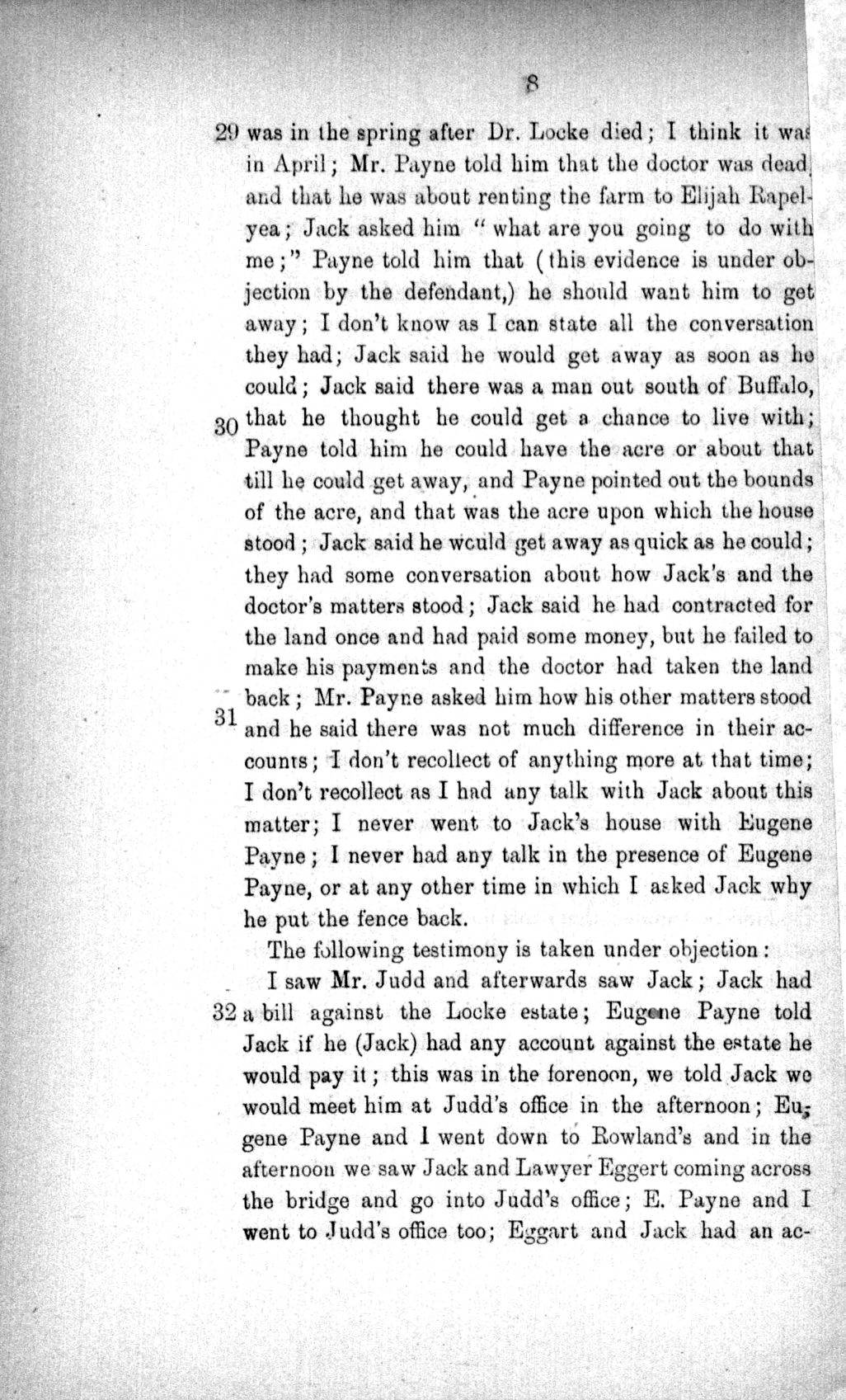
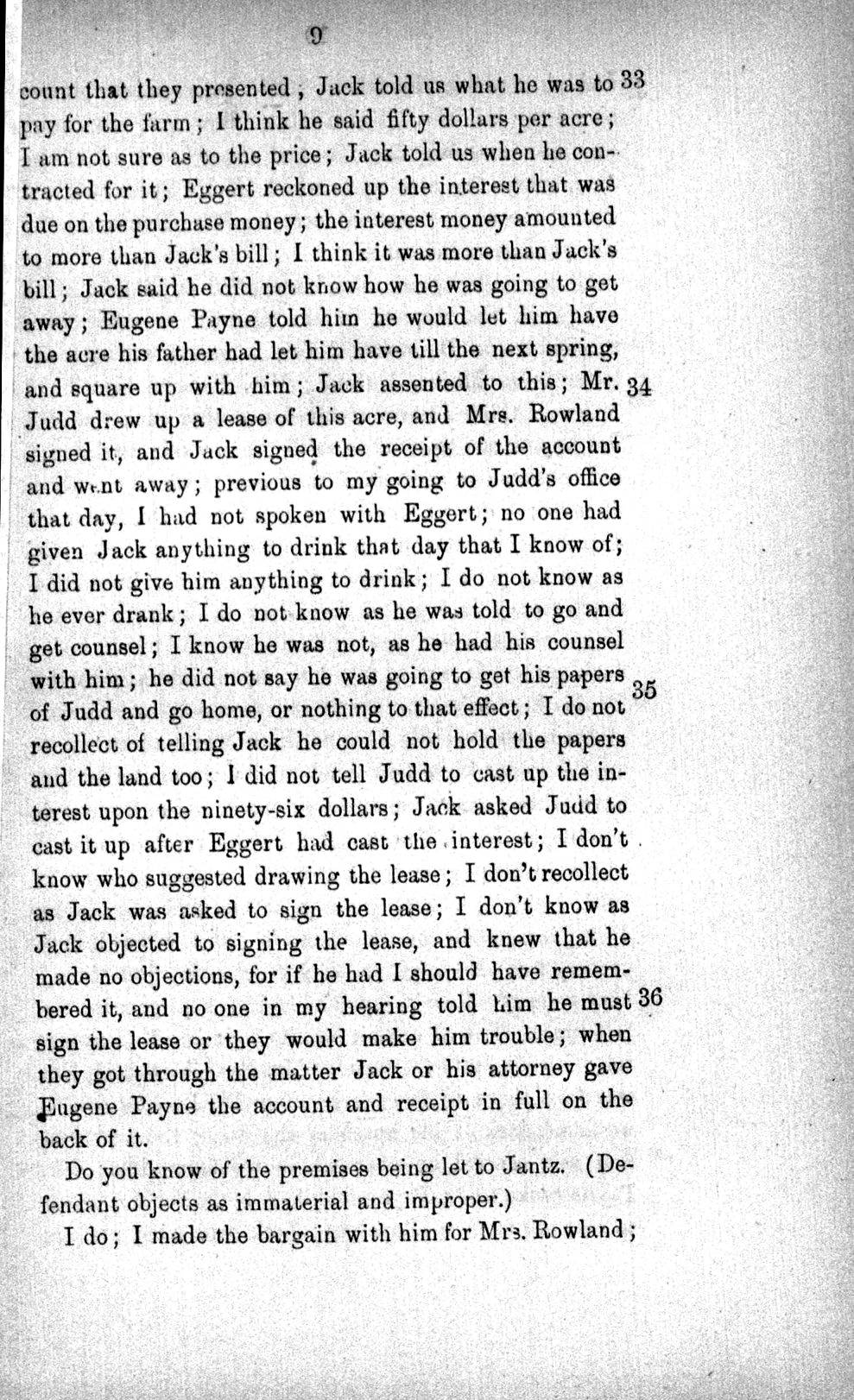
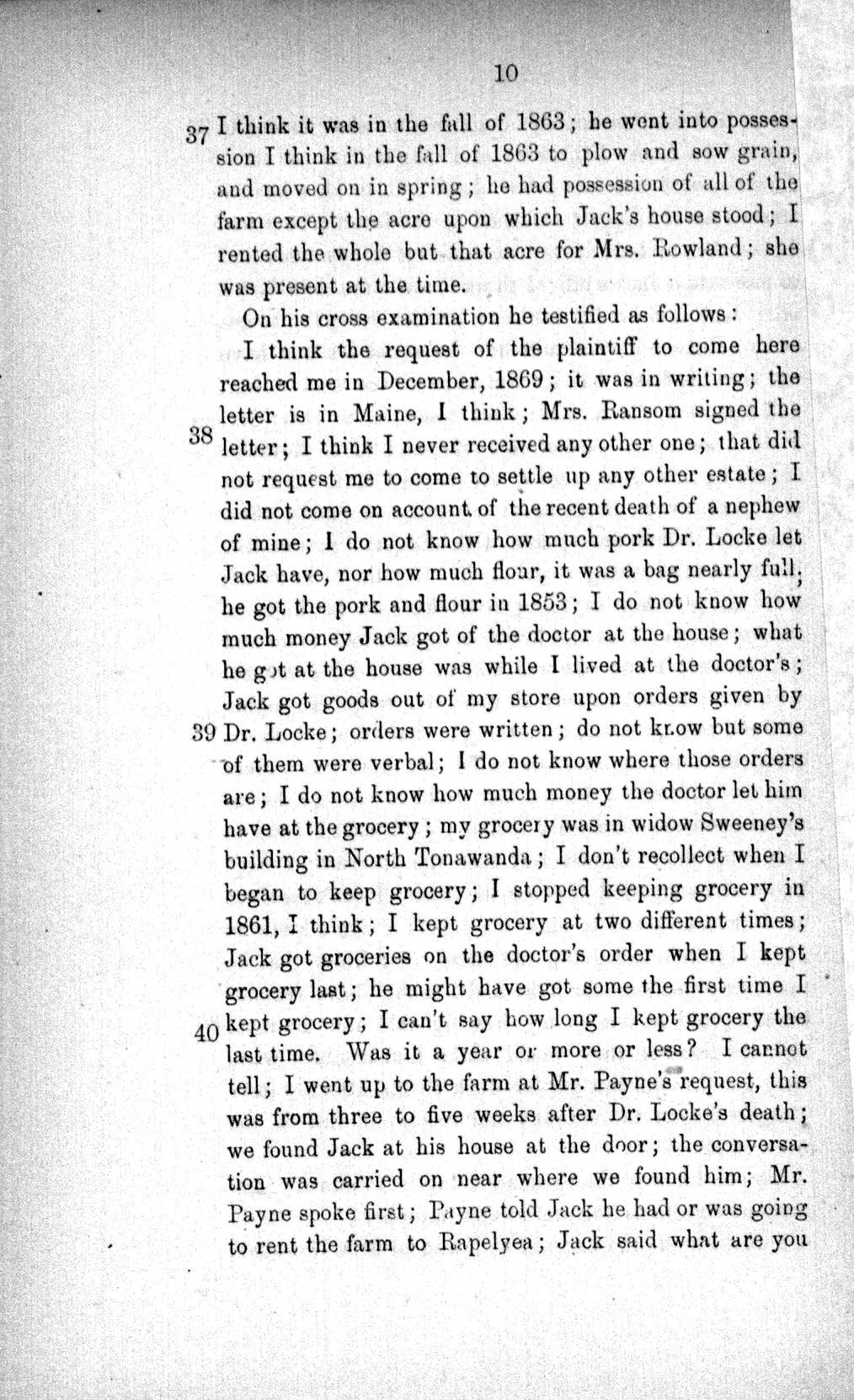
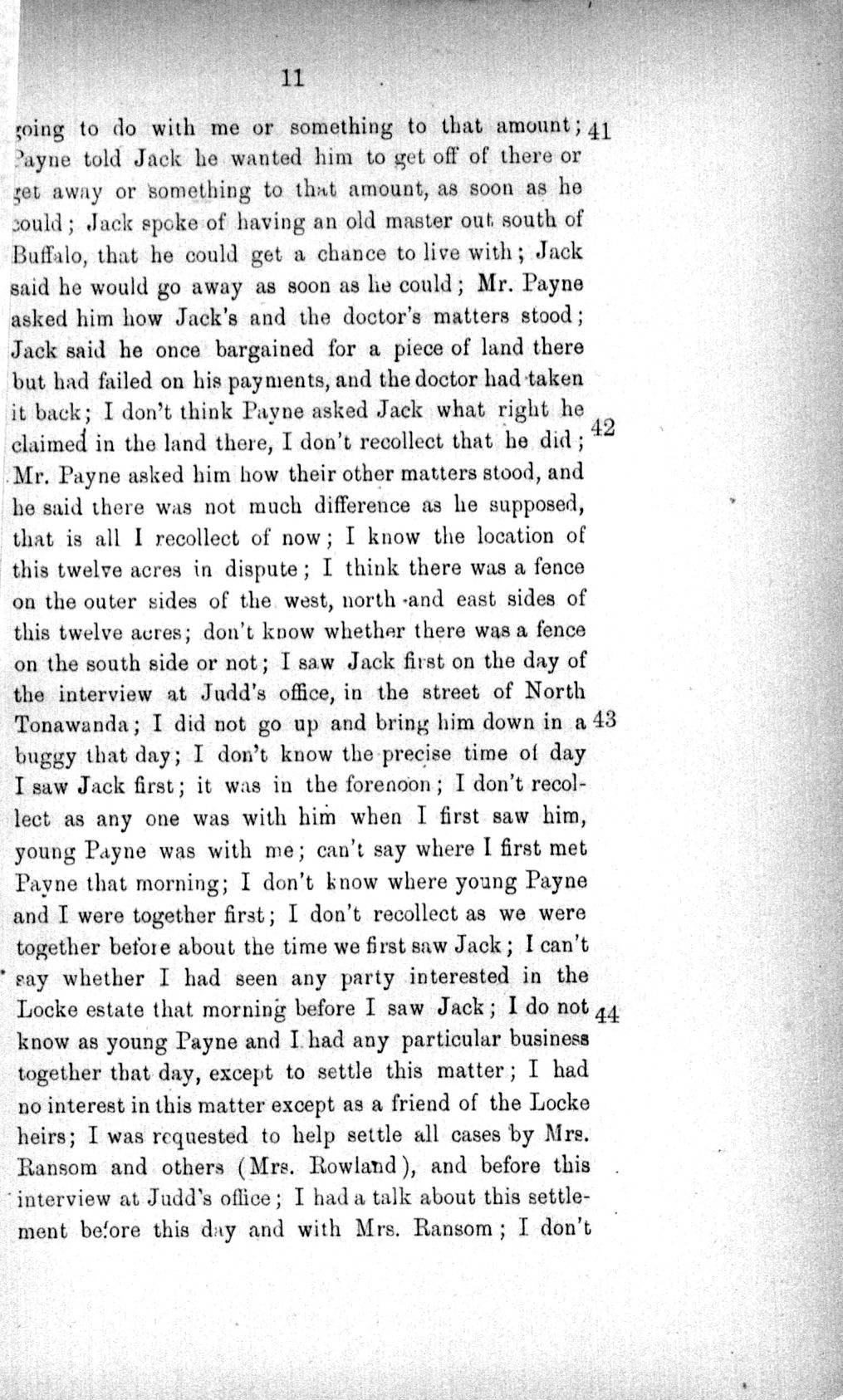
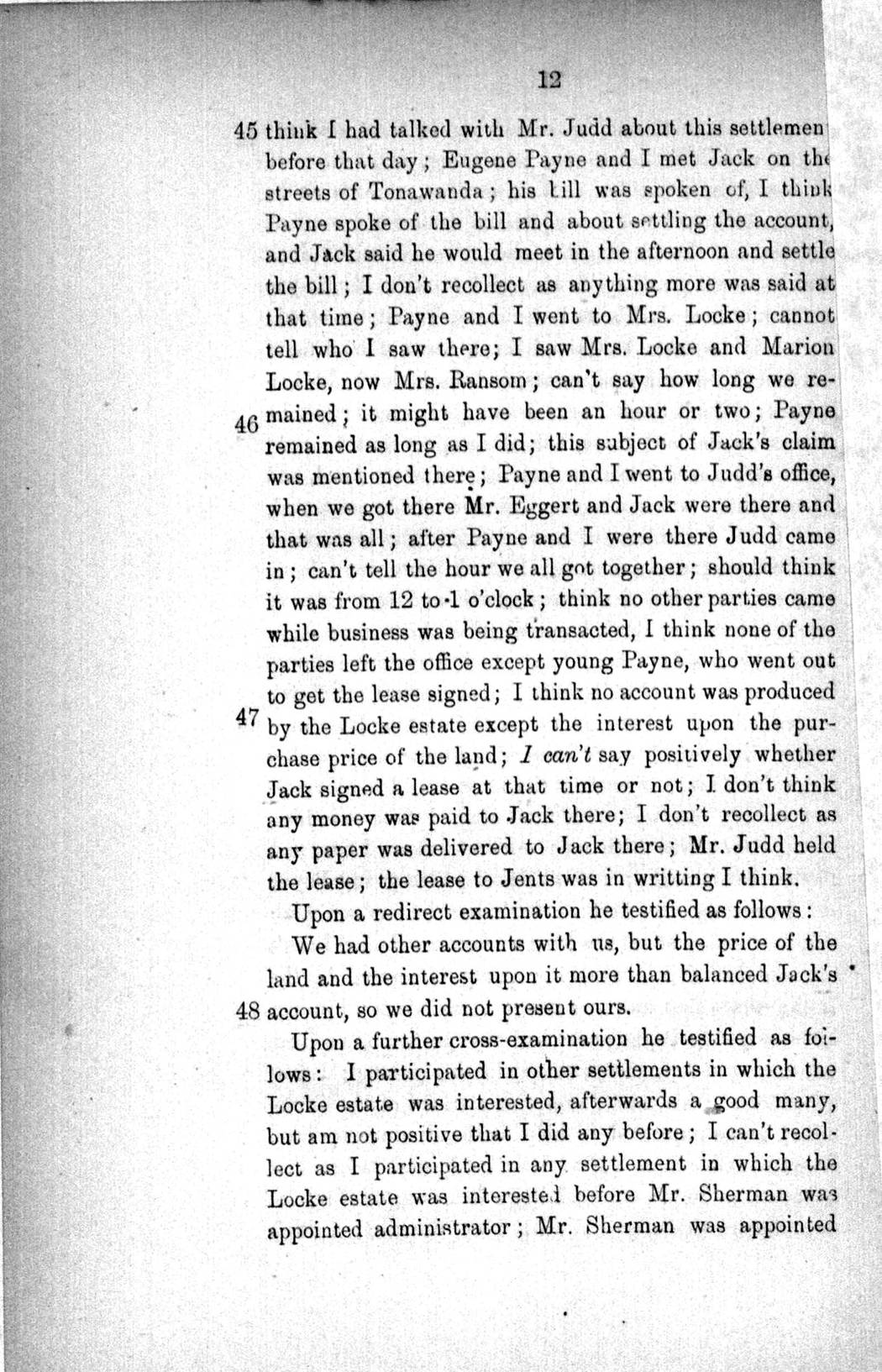
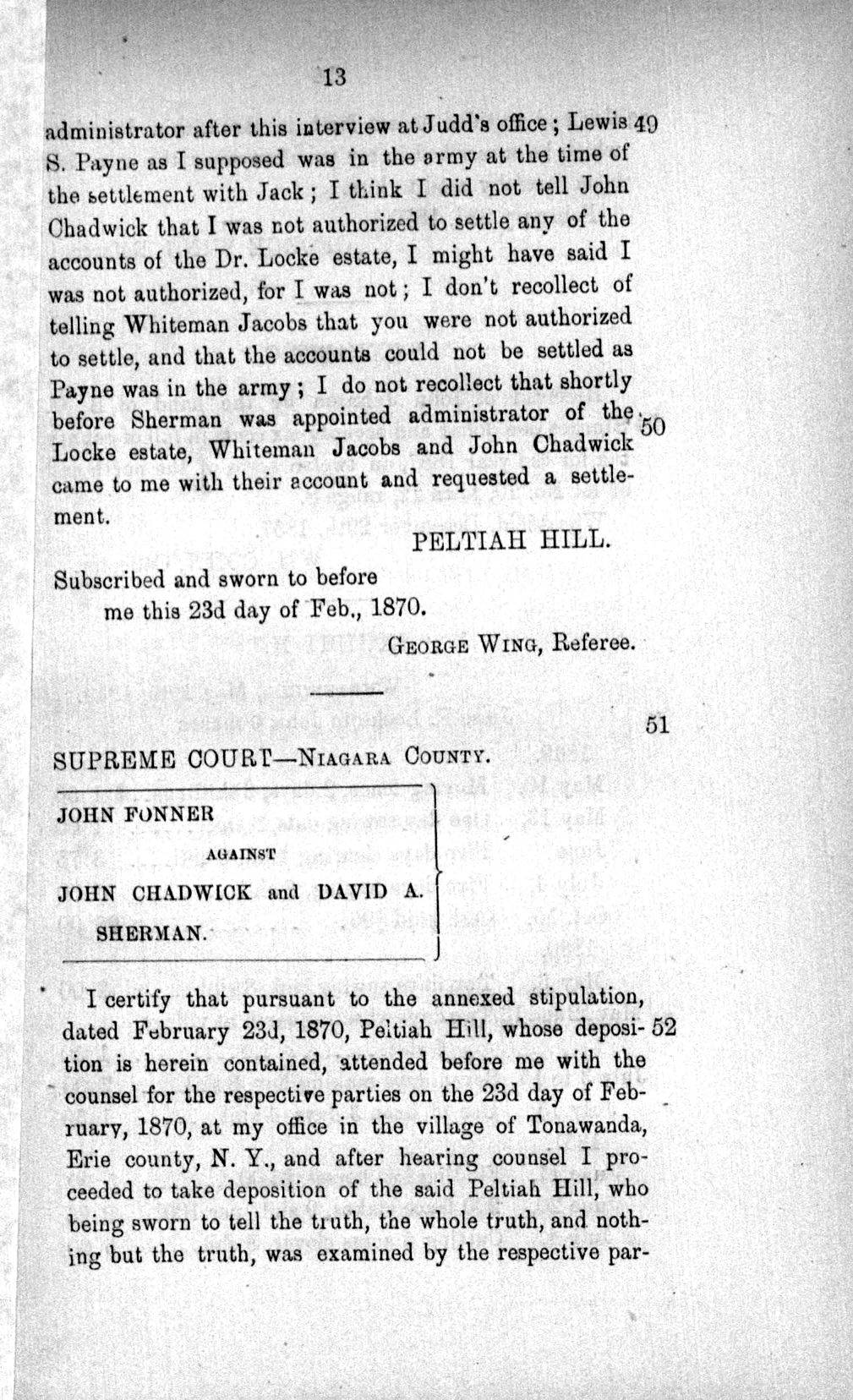
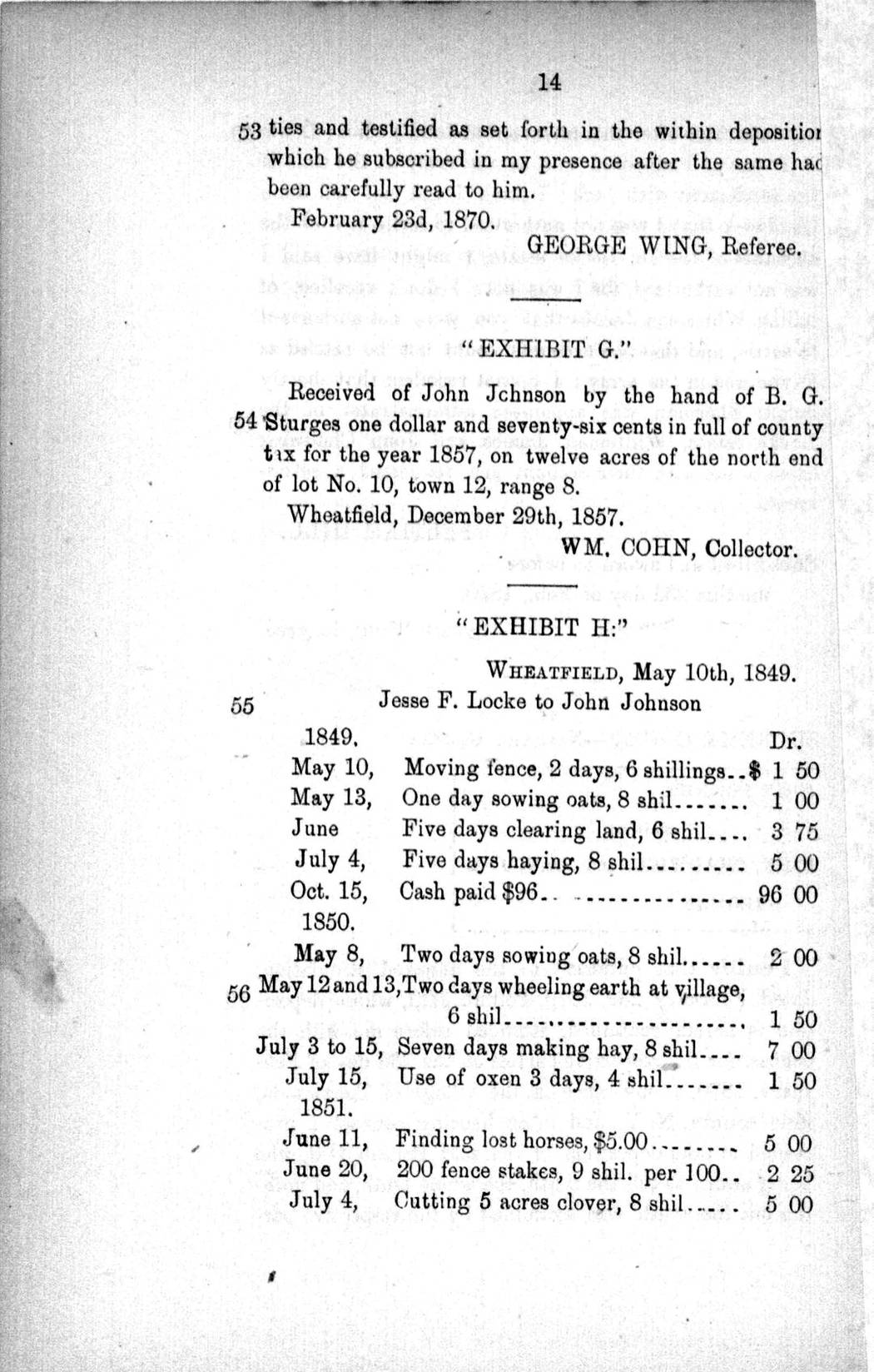
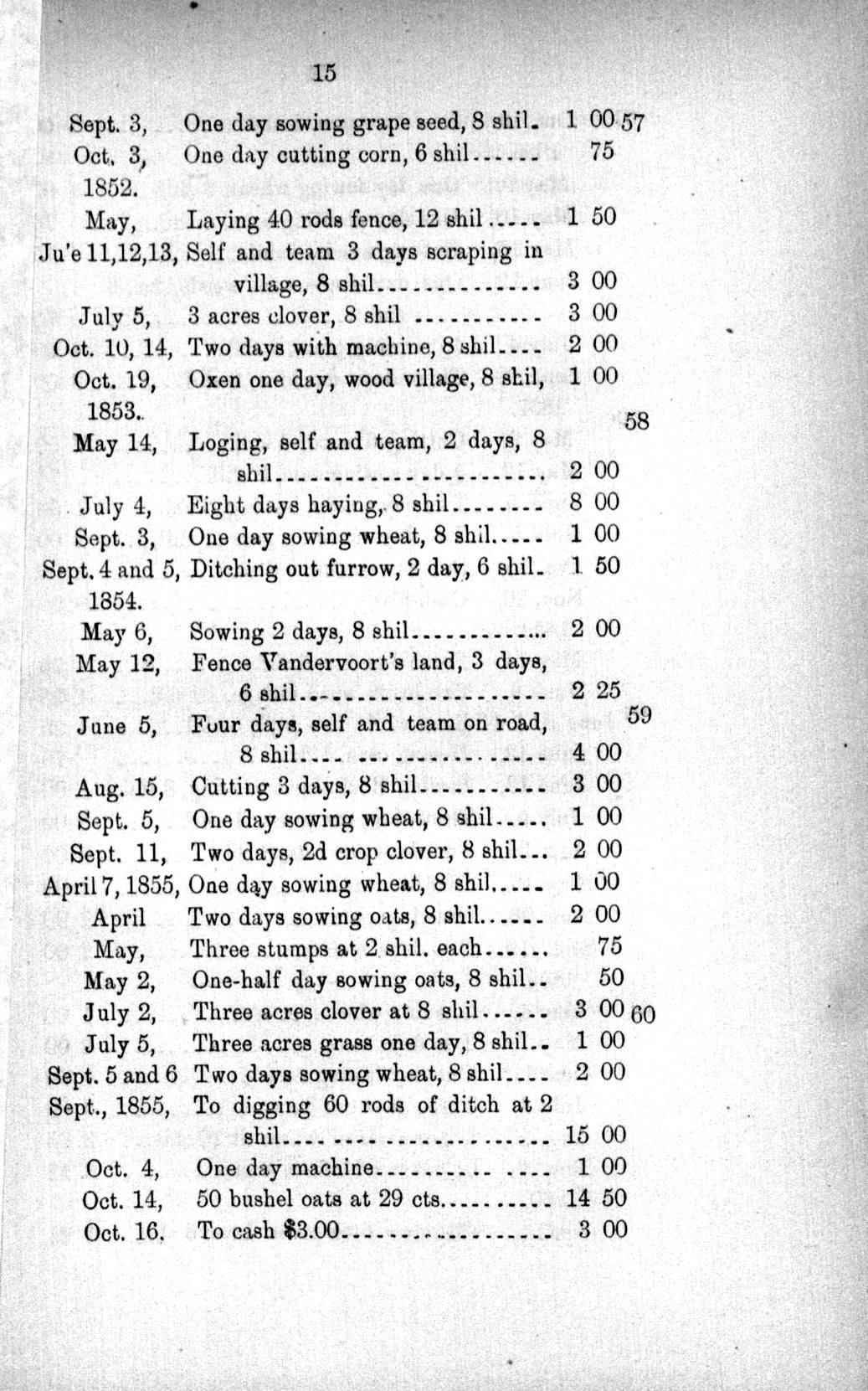
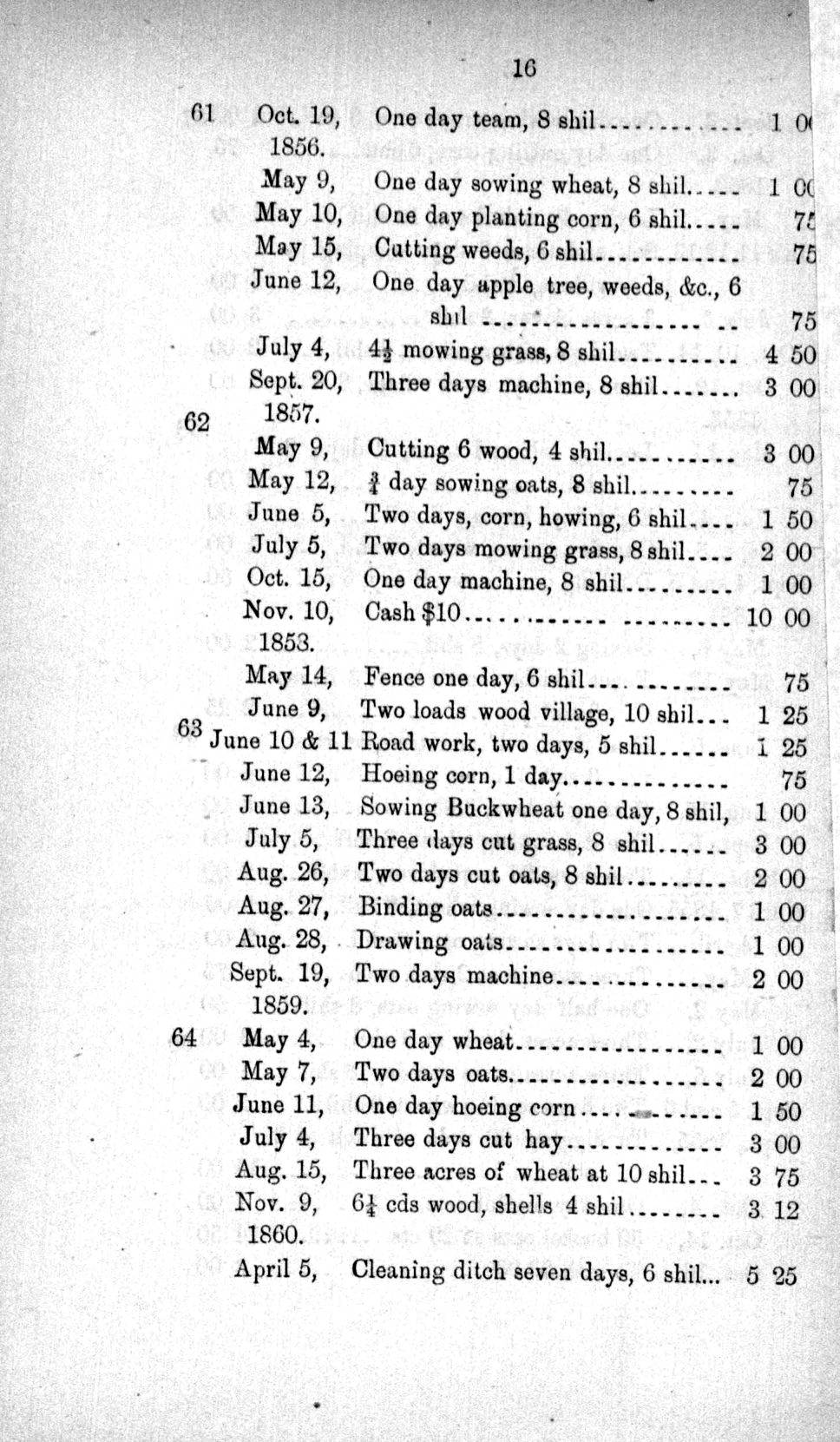
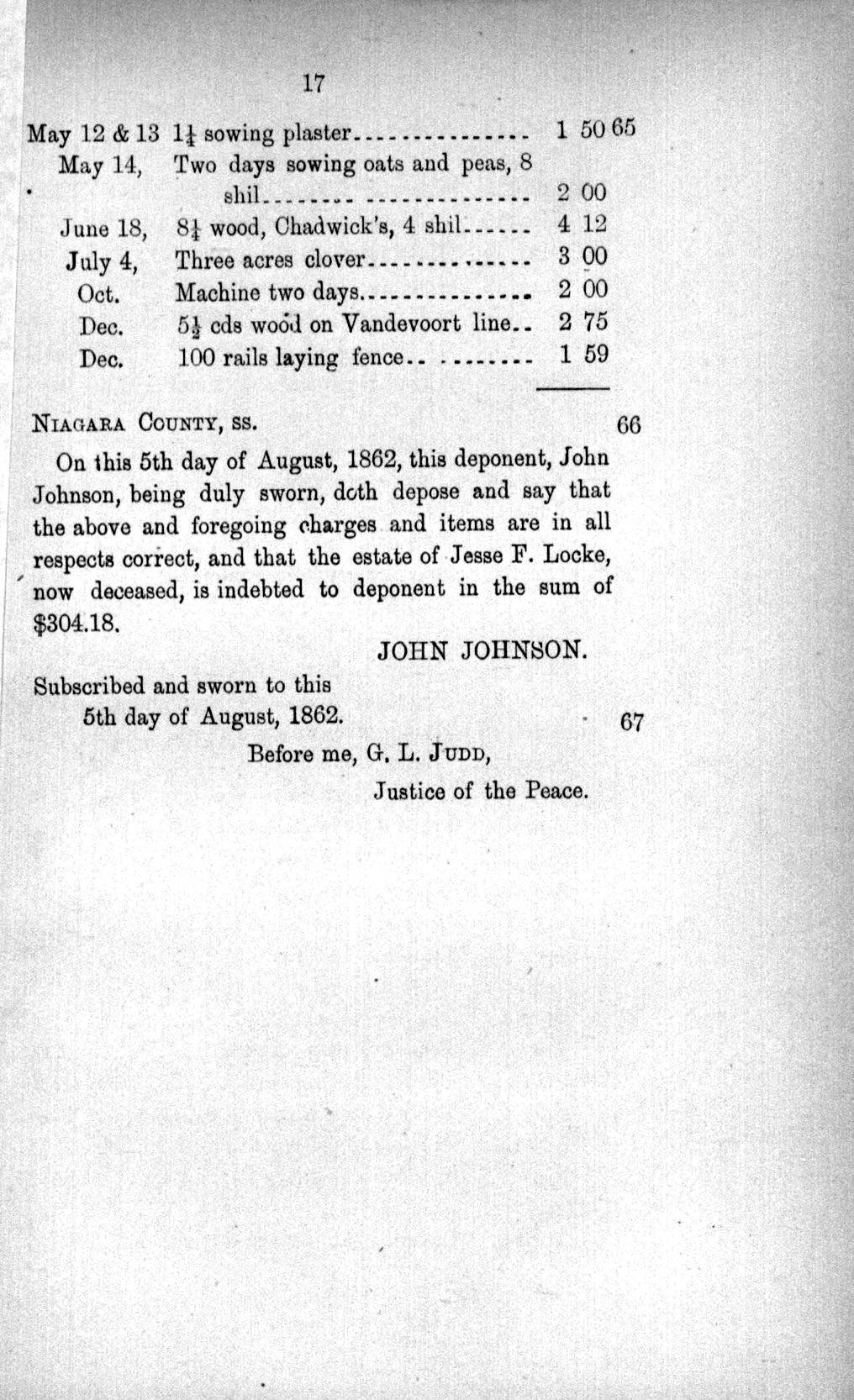
Account material tied to Johnson’s labor and dealings with Locke. These pages matter because the case was not simply about one cash payment, but also about labor, wood, services, and a running rural account.
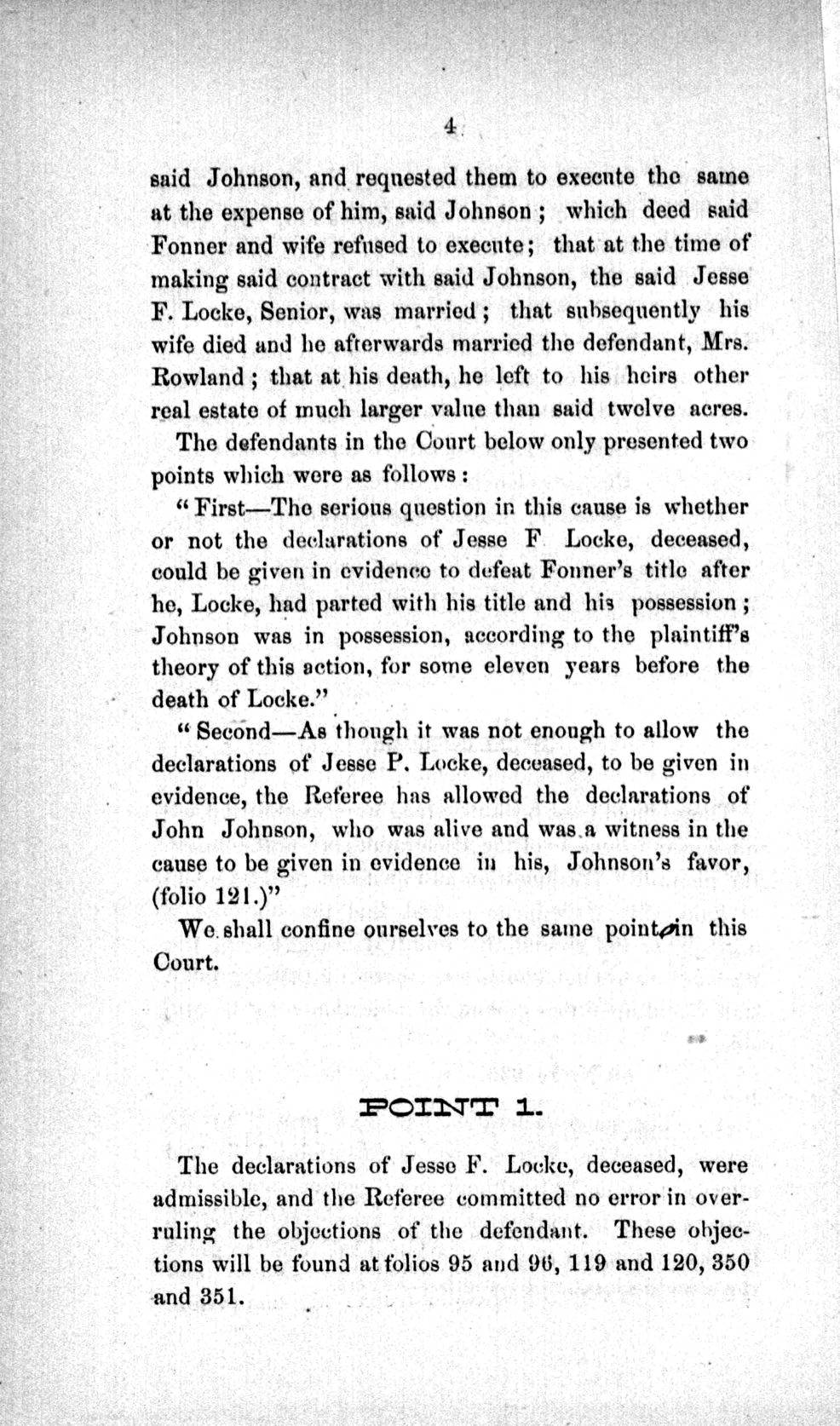
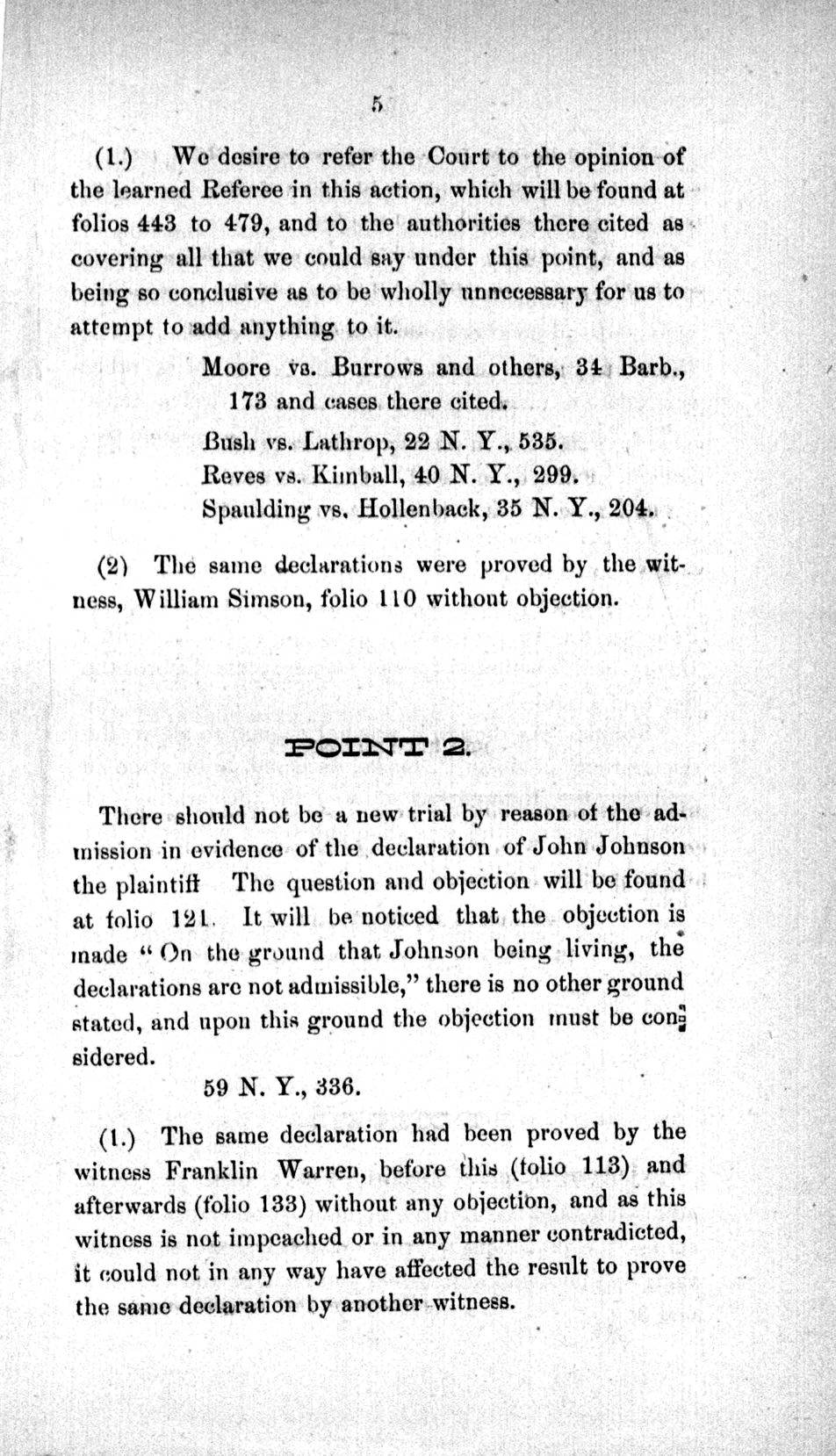
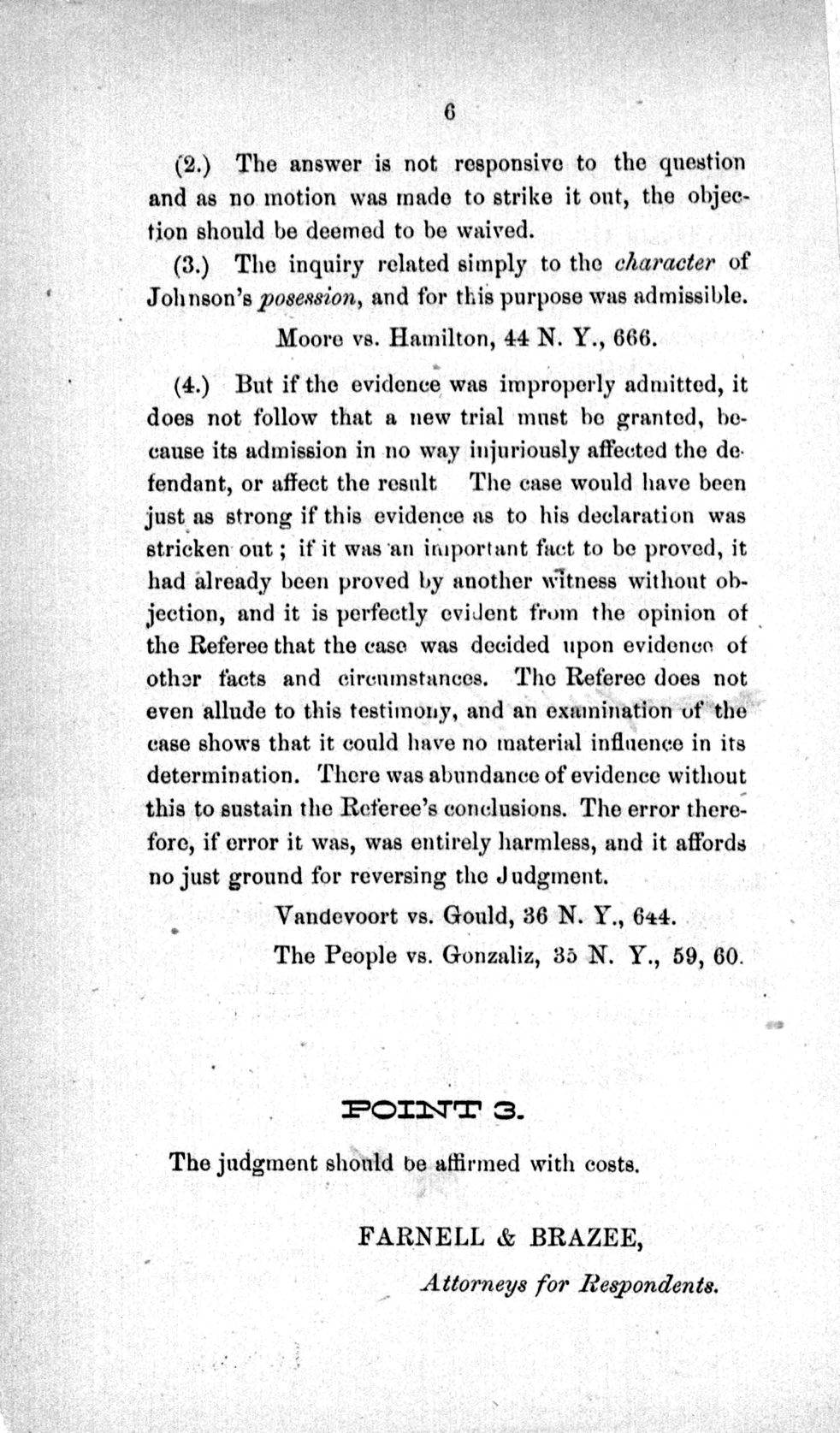
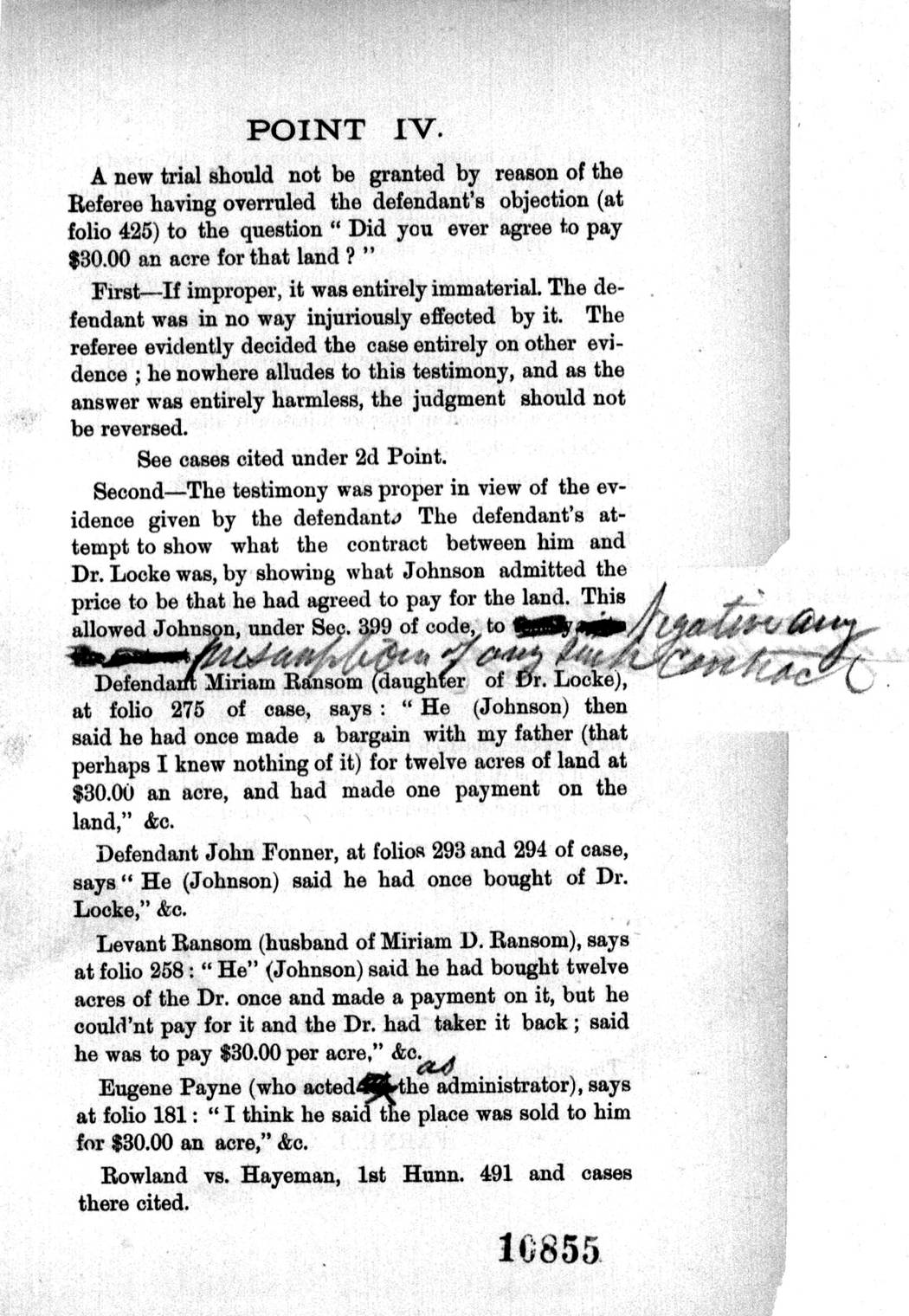
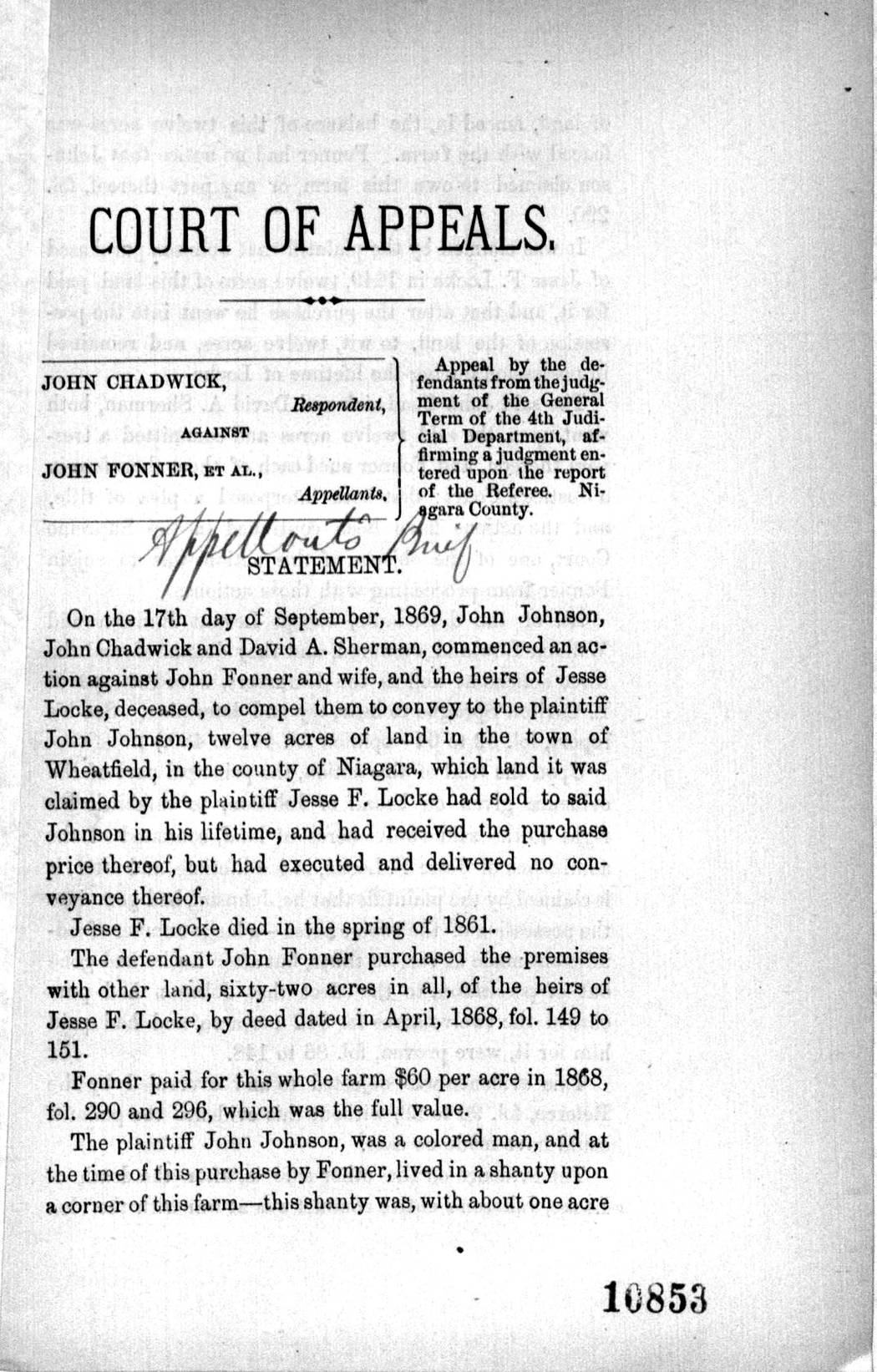
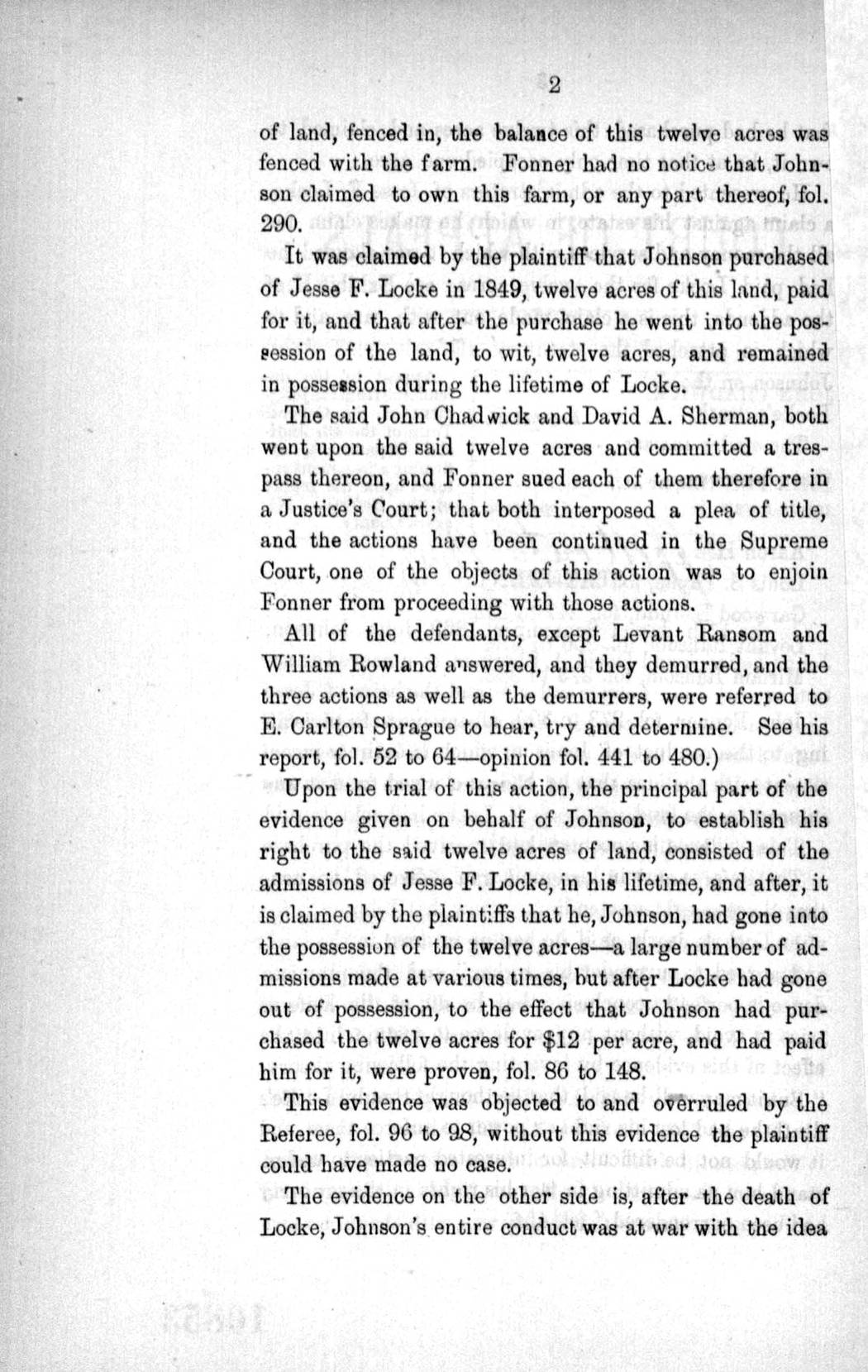
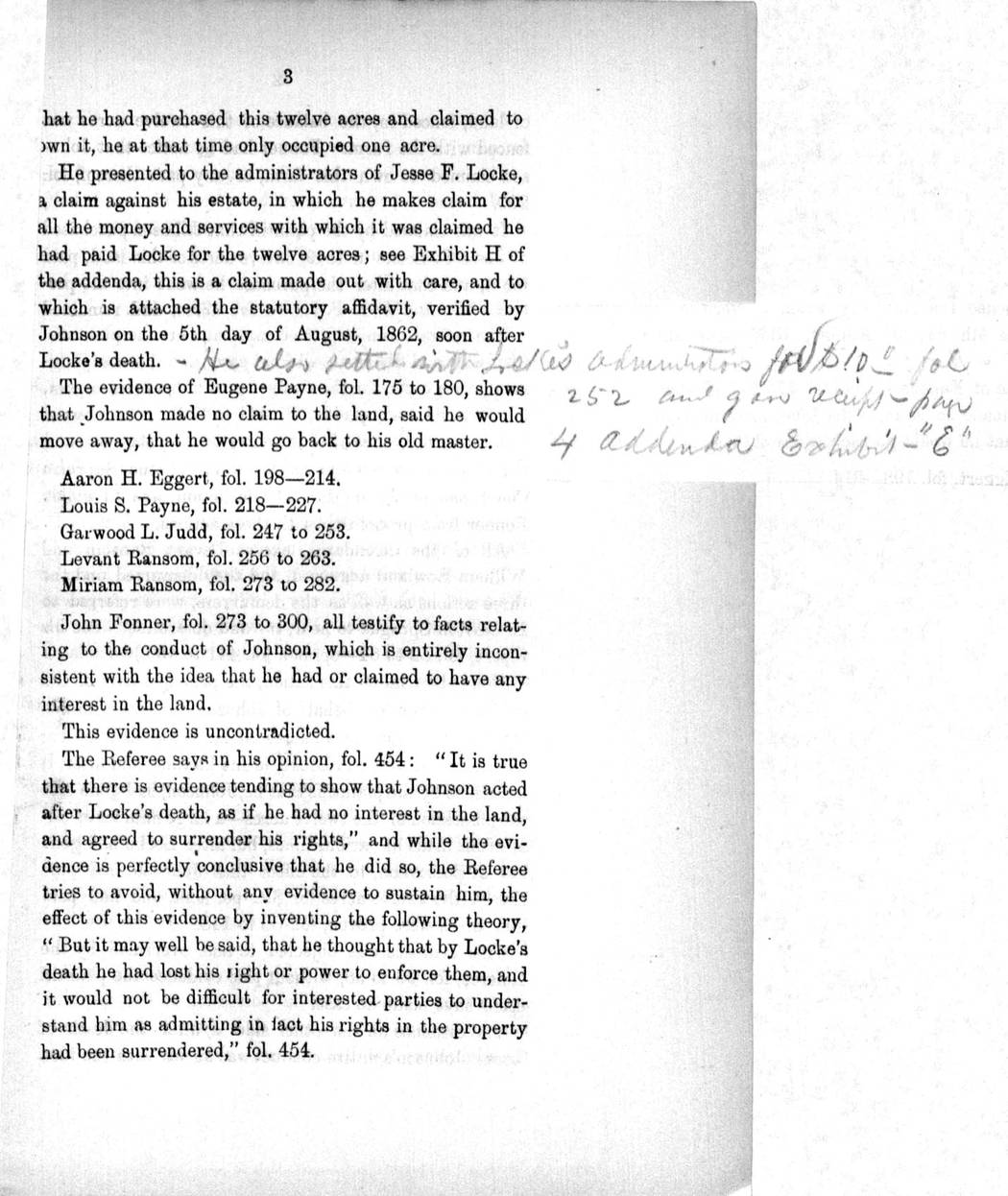
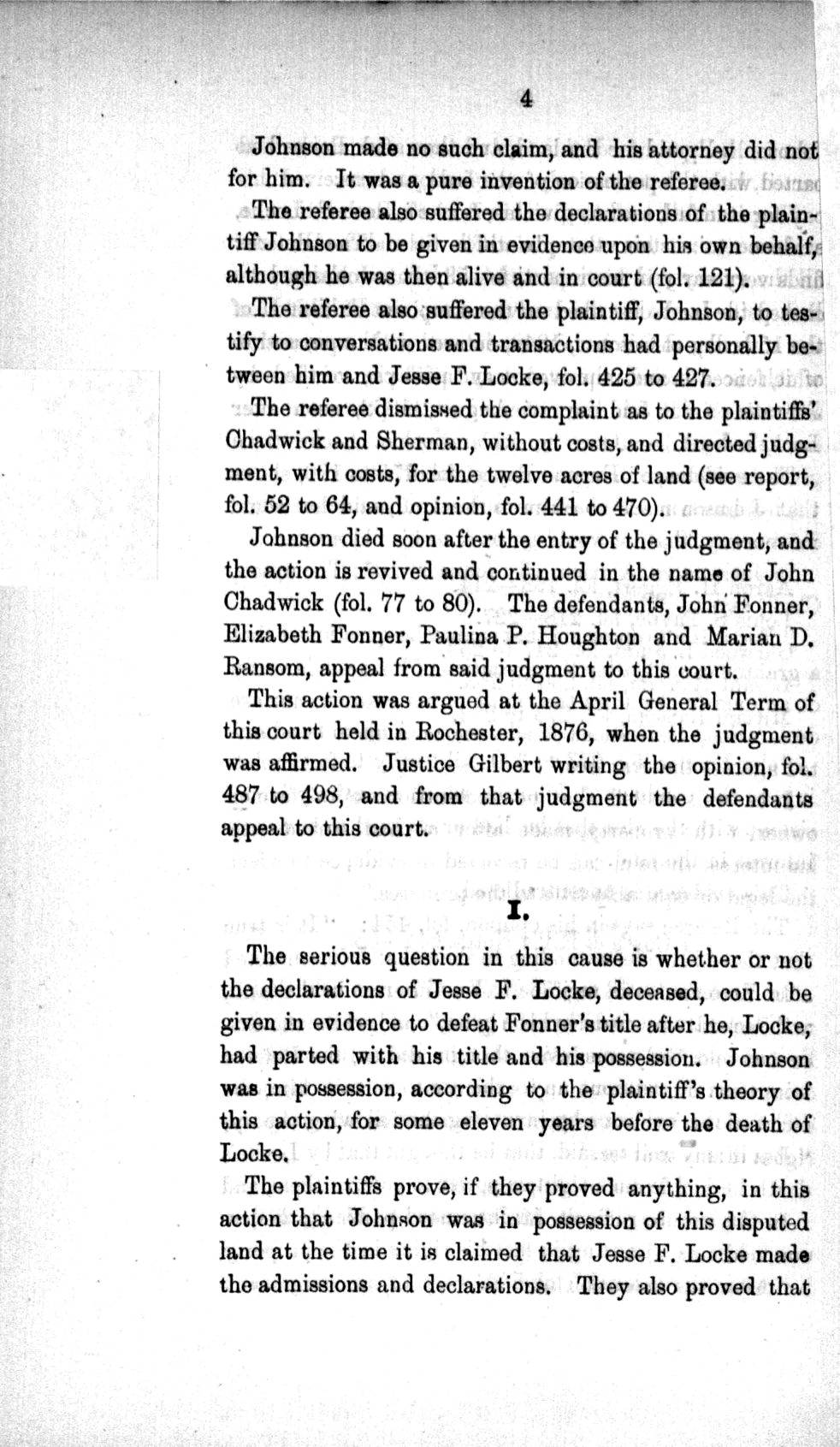
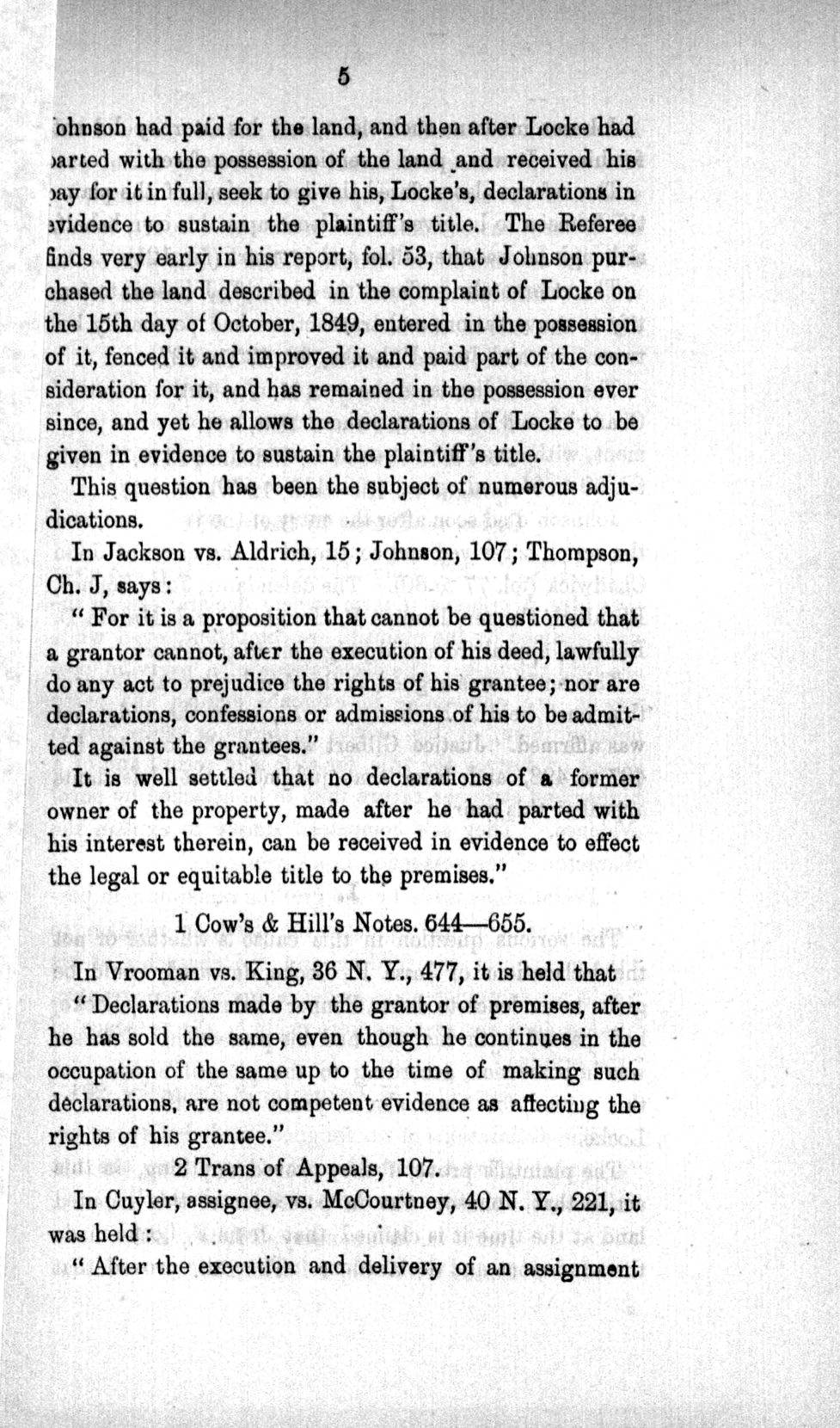
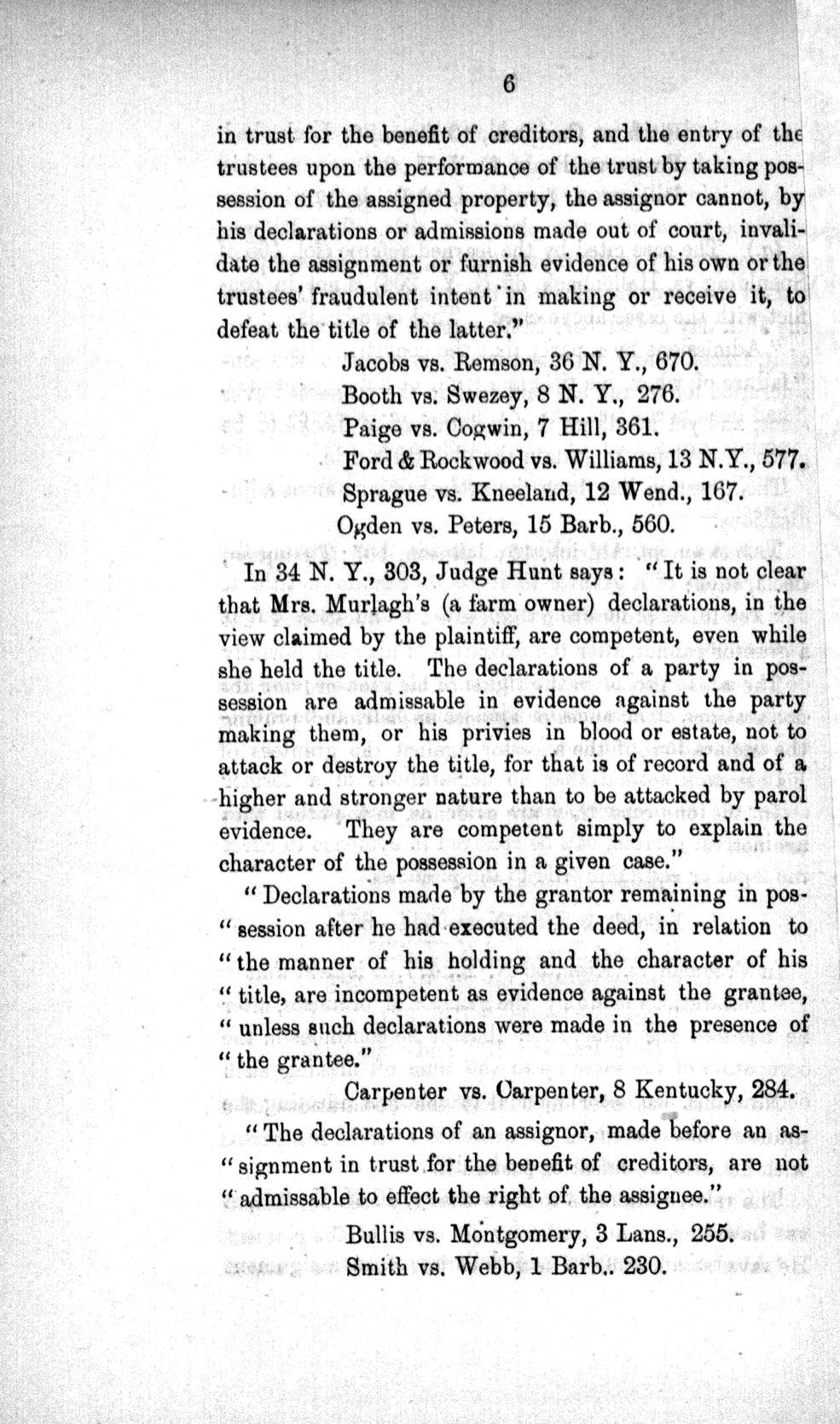
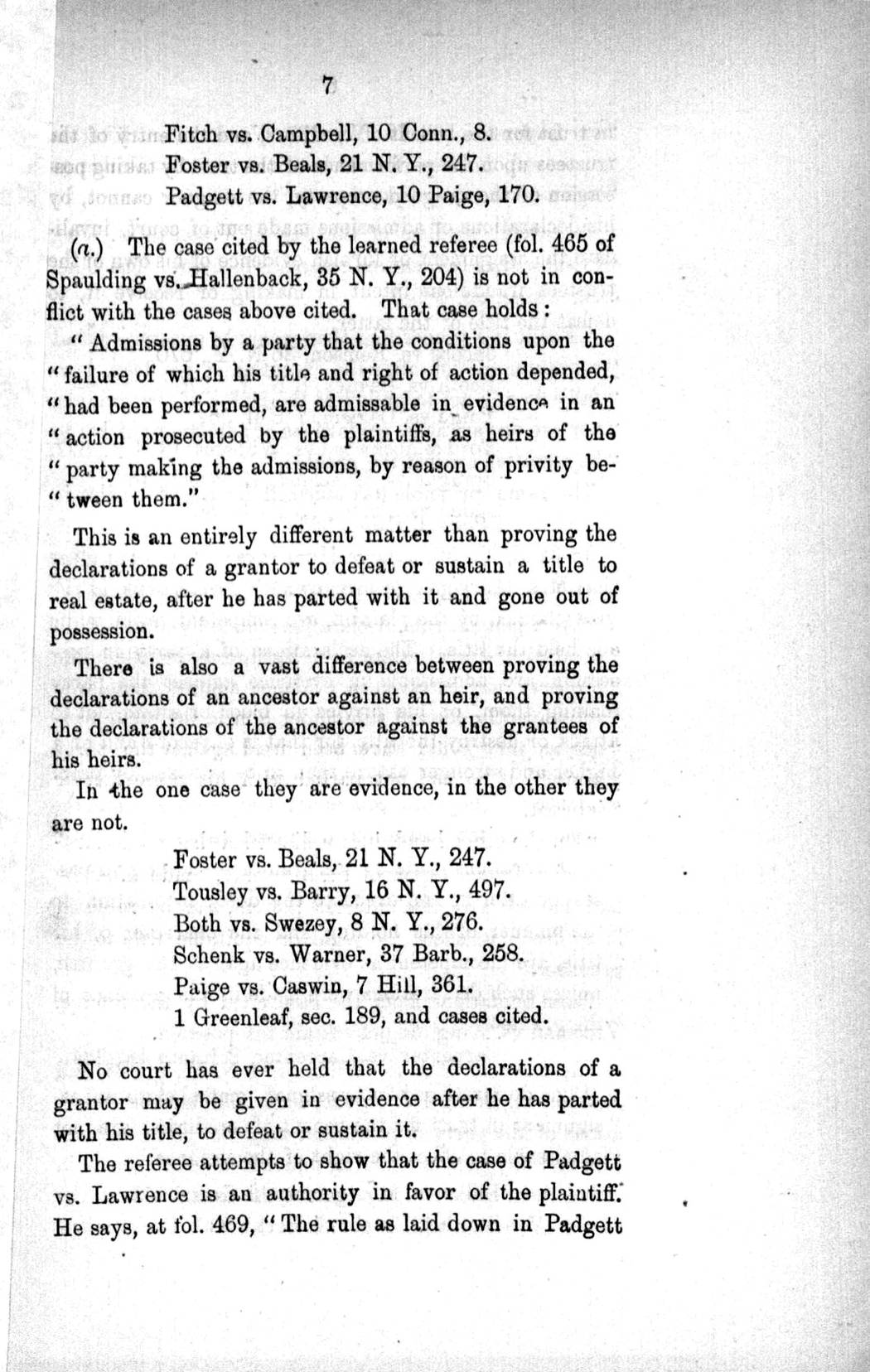
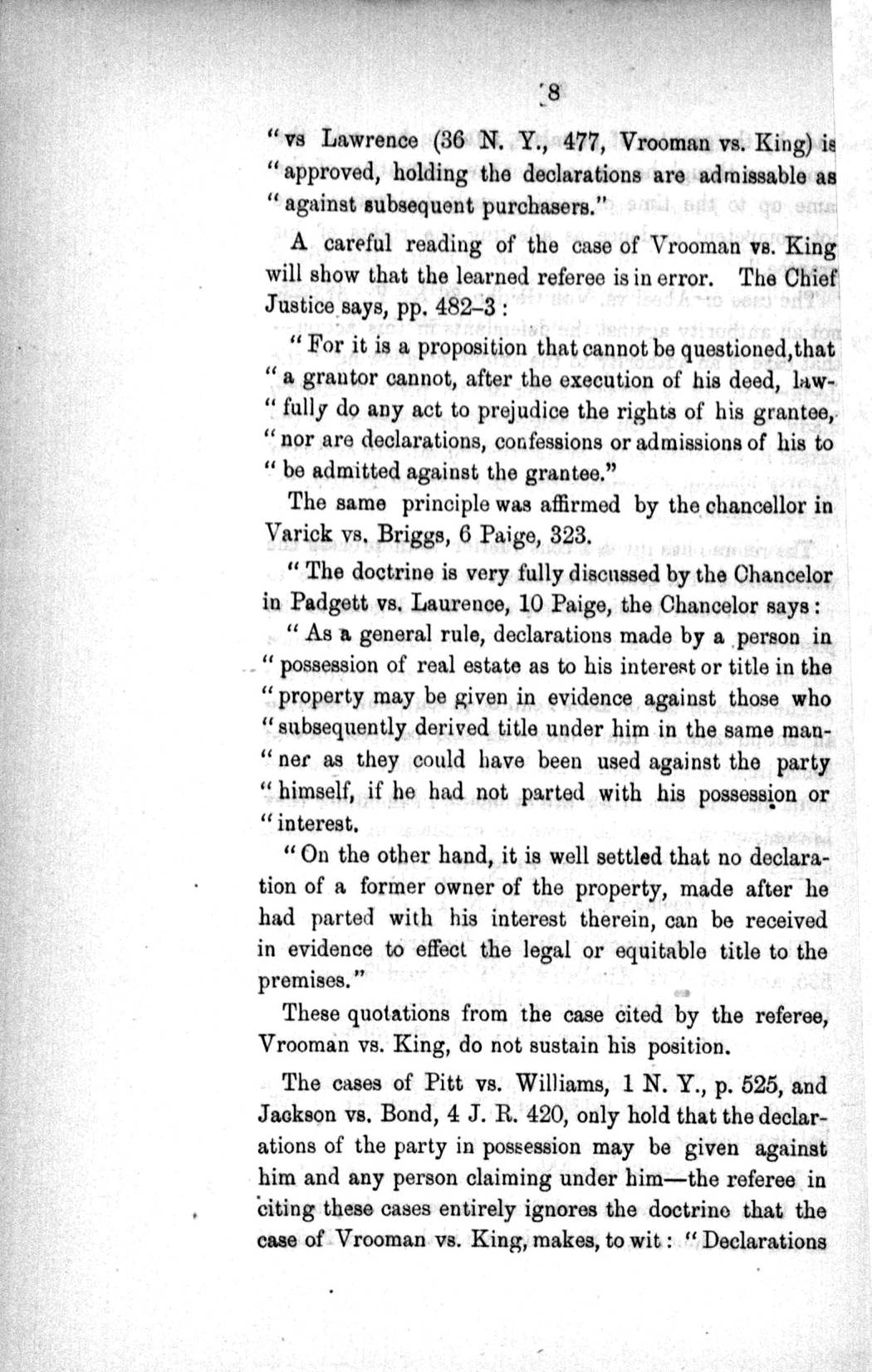
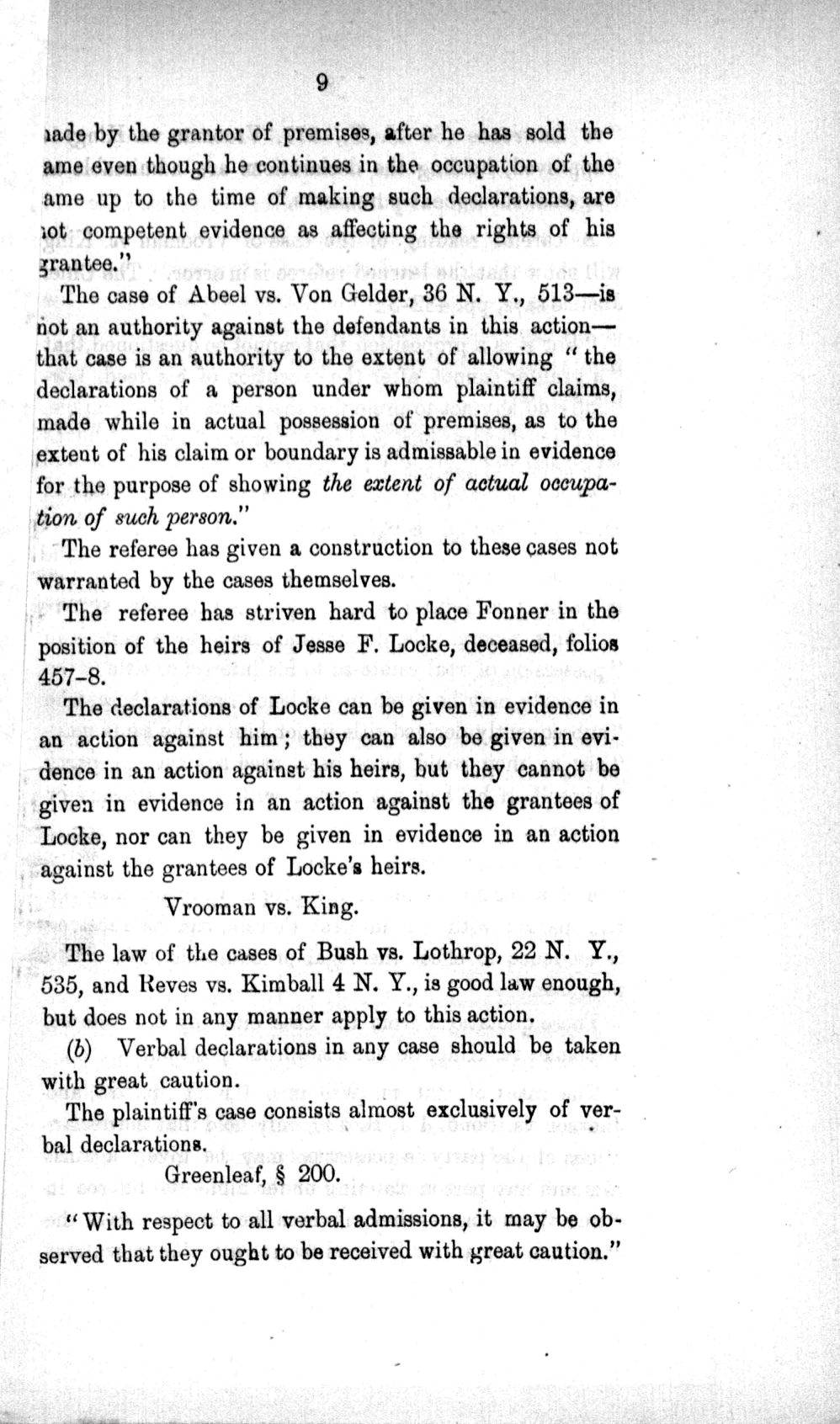
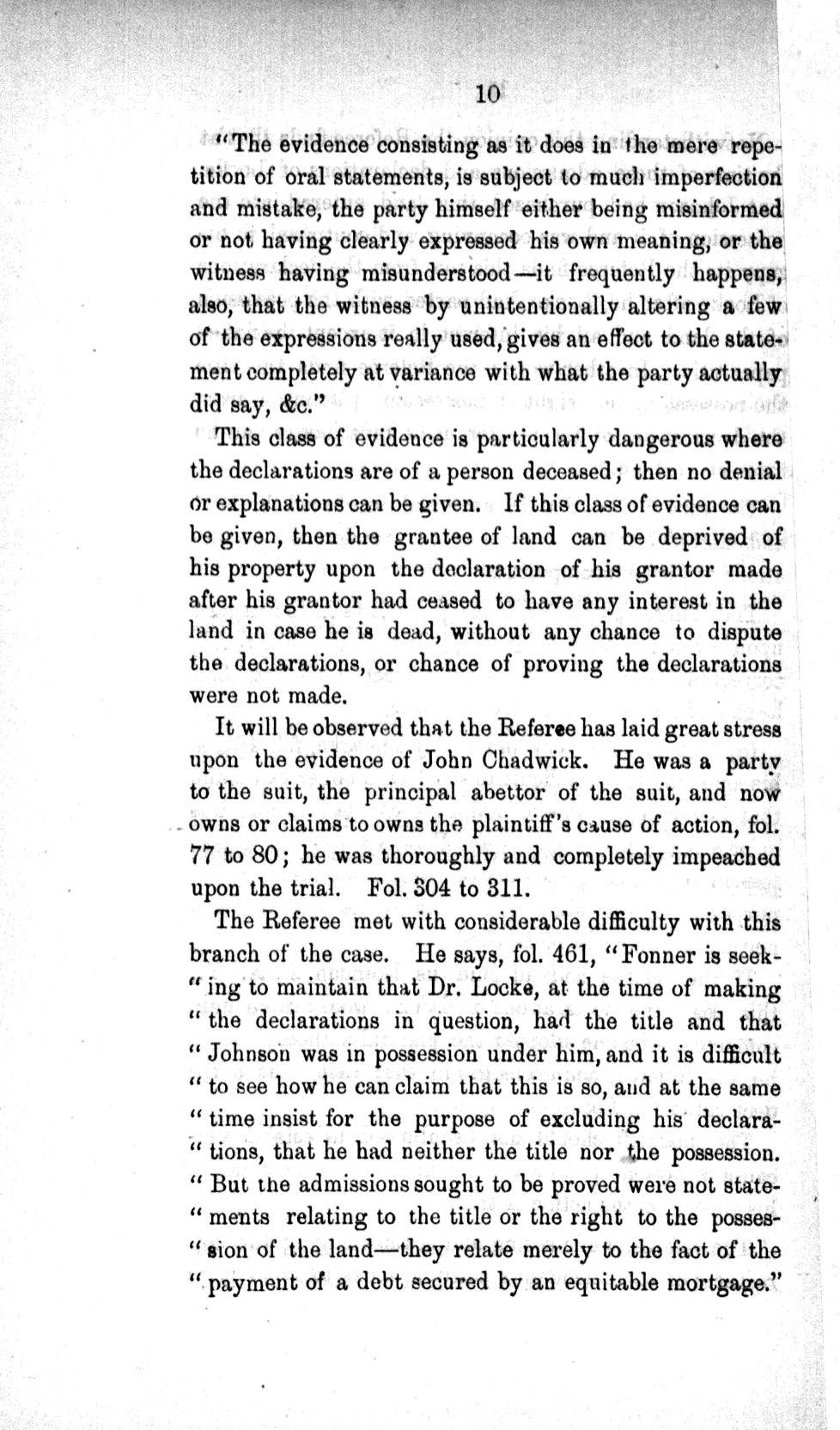
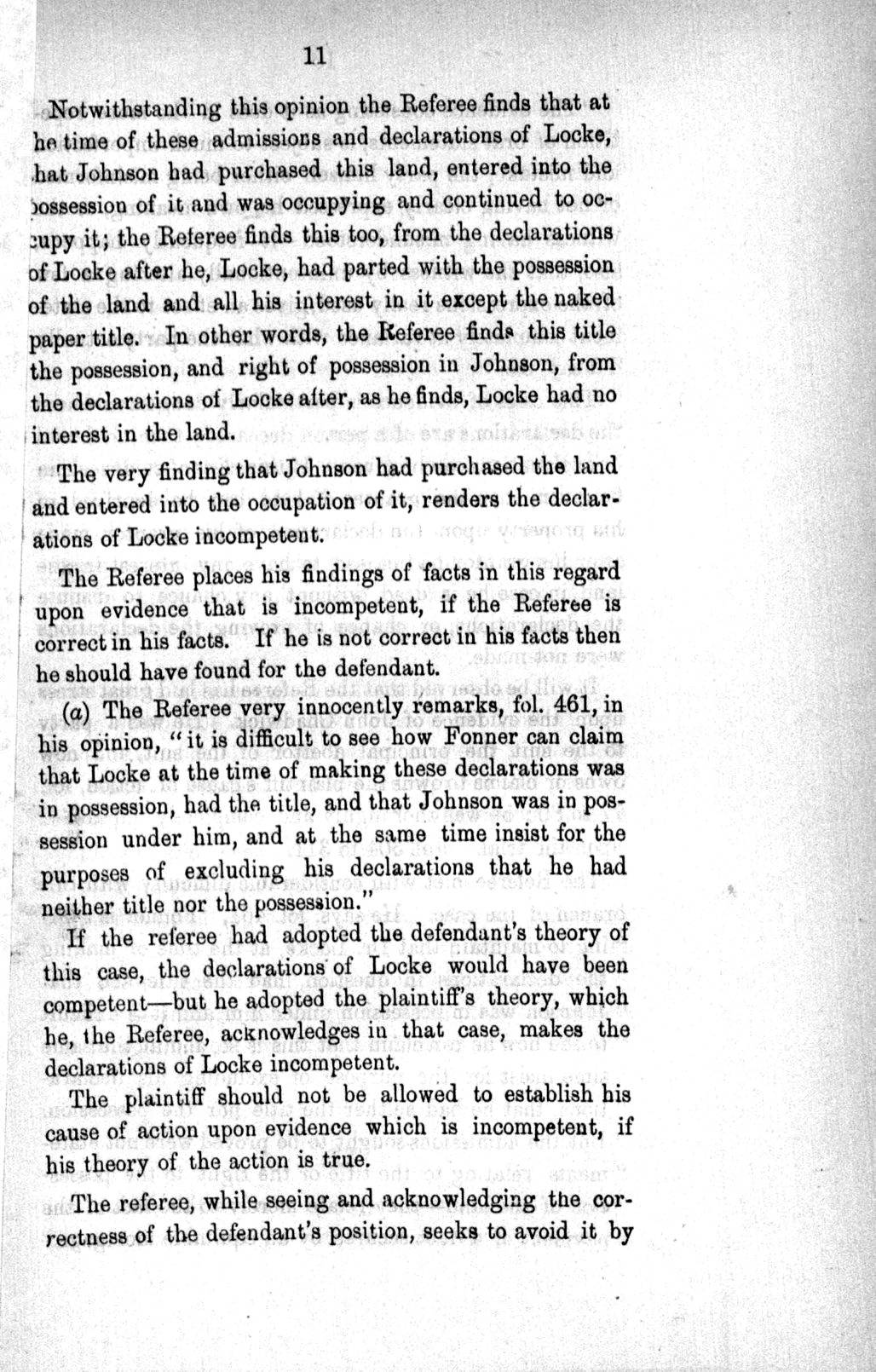
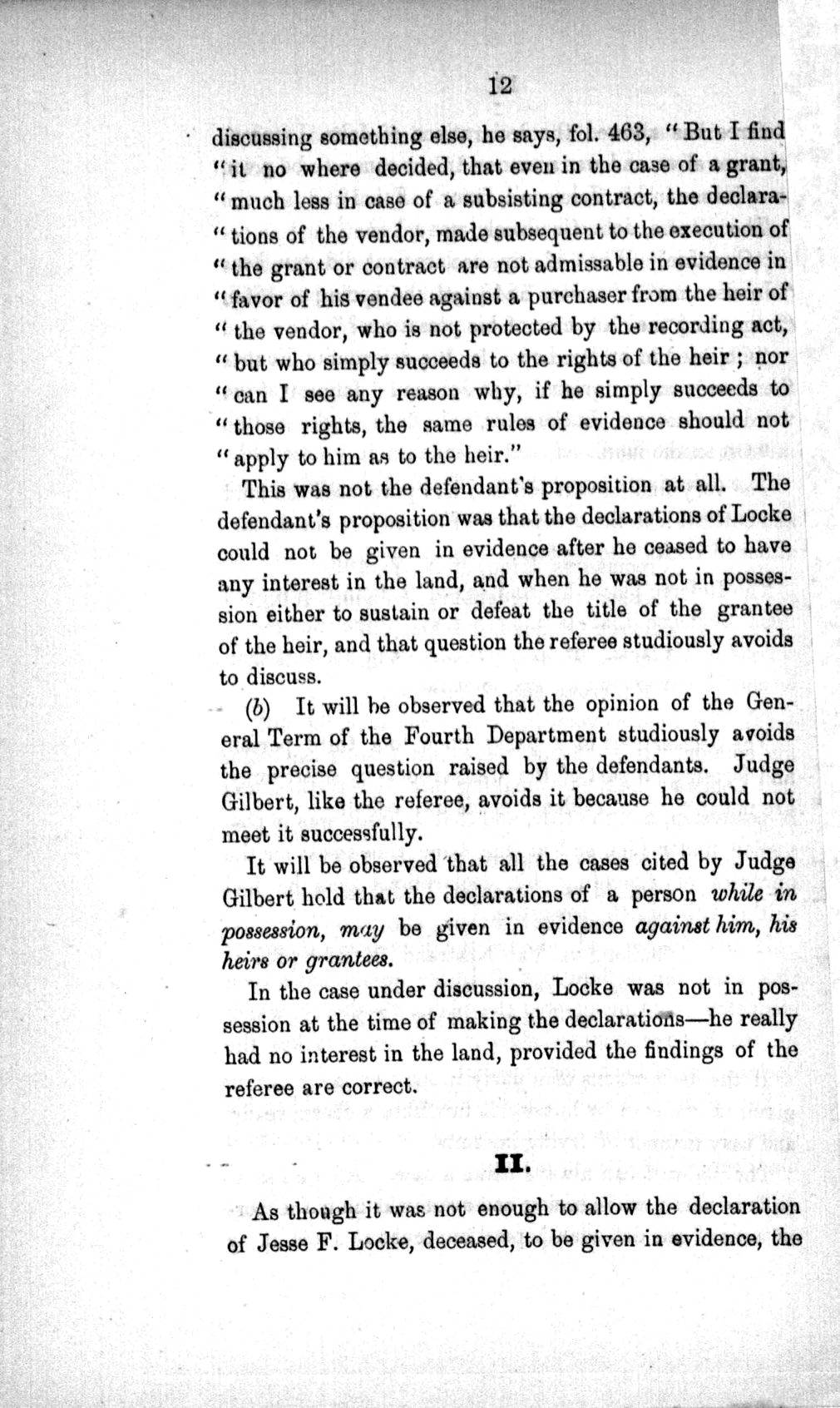
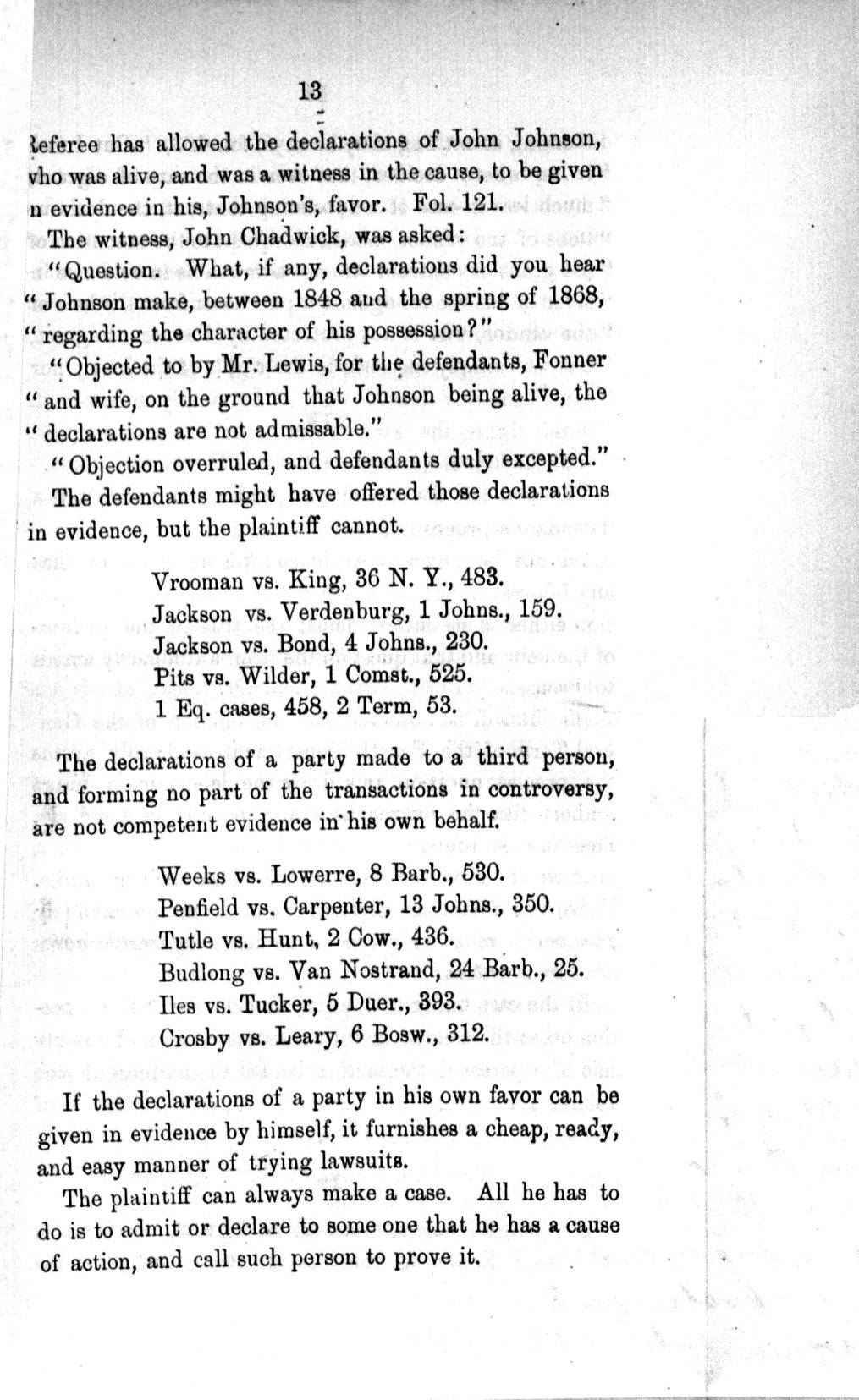
The Fonner-side argument to the Court of Appeals. It attacks the judgment through legal objections, especially around testimony, the alleged settlement, and whether the evidence should have supported Johnson’s claim.
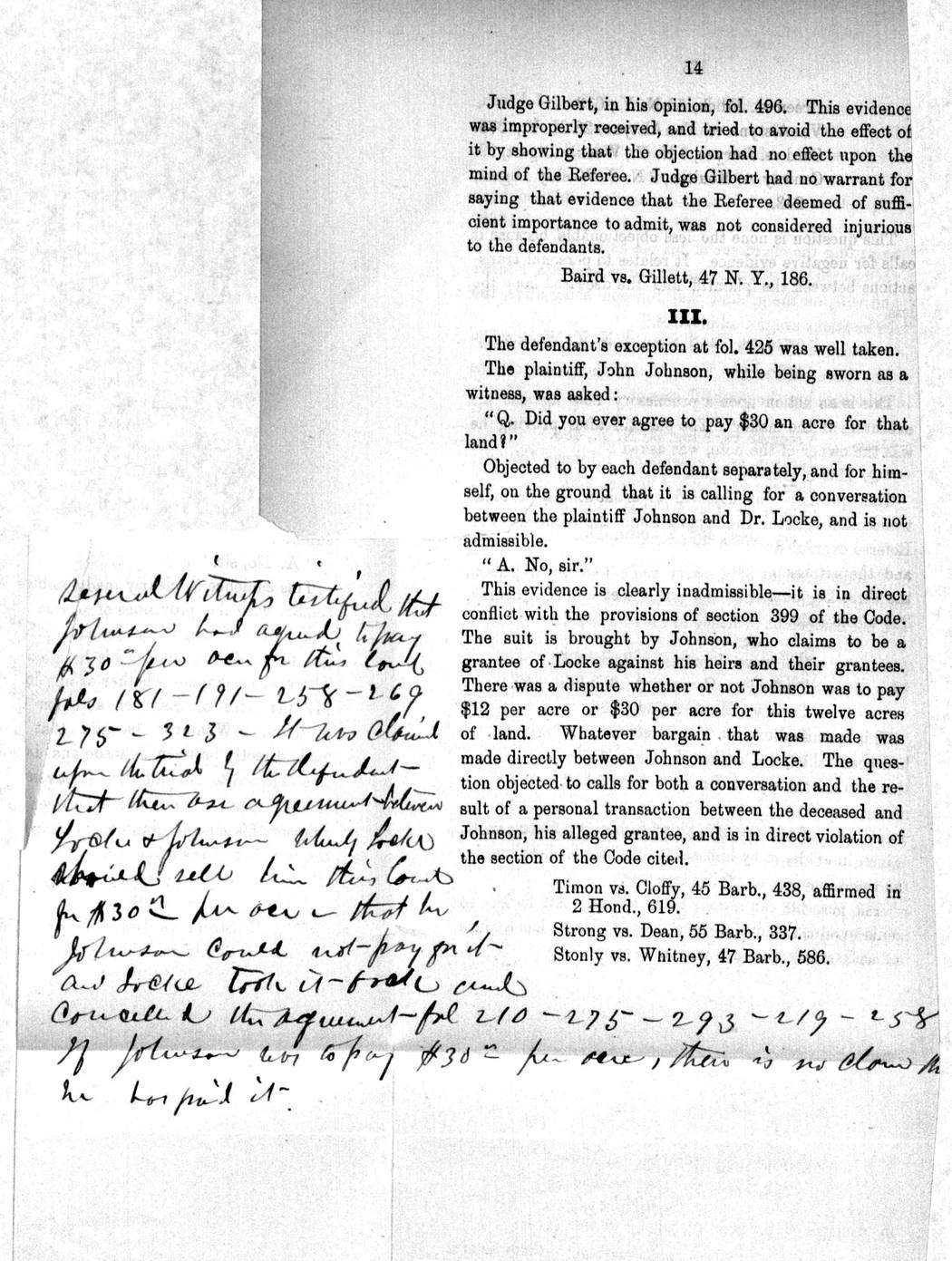
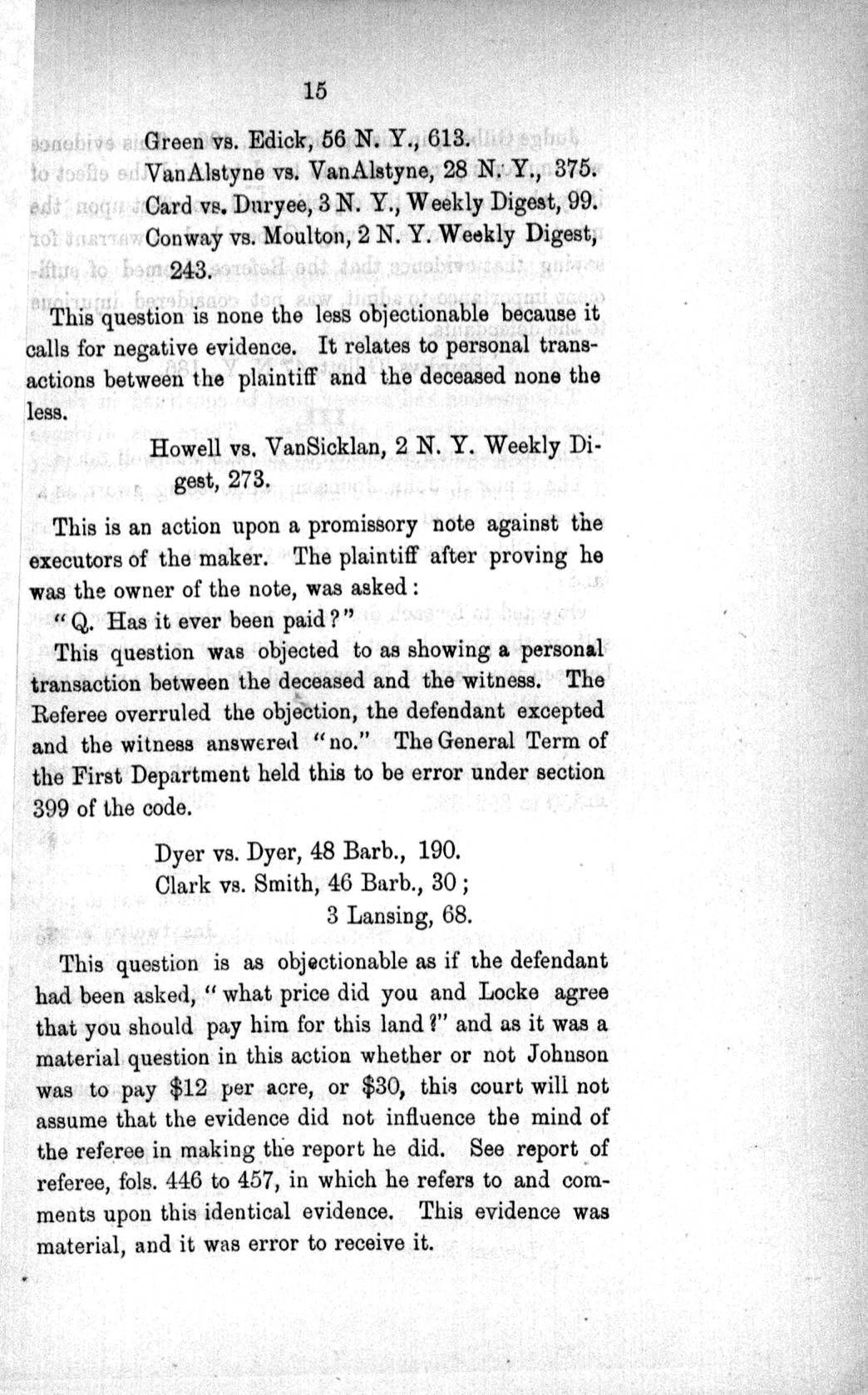
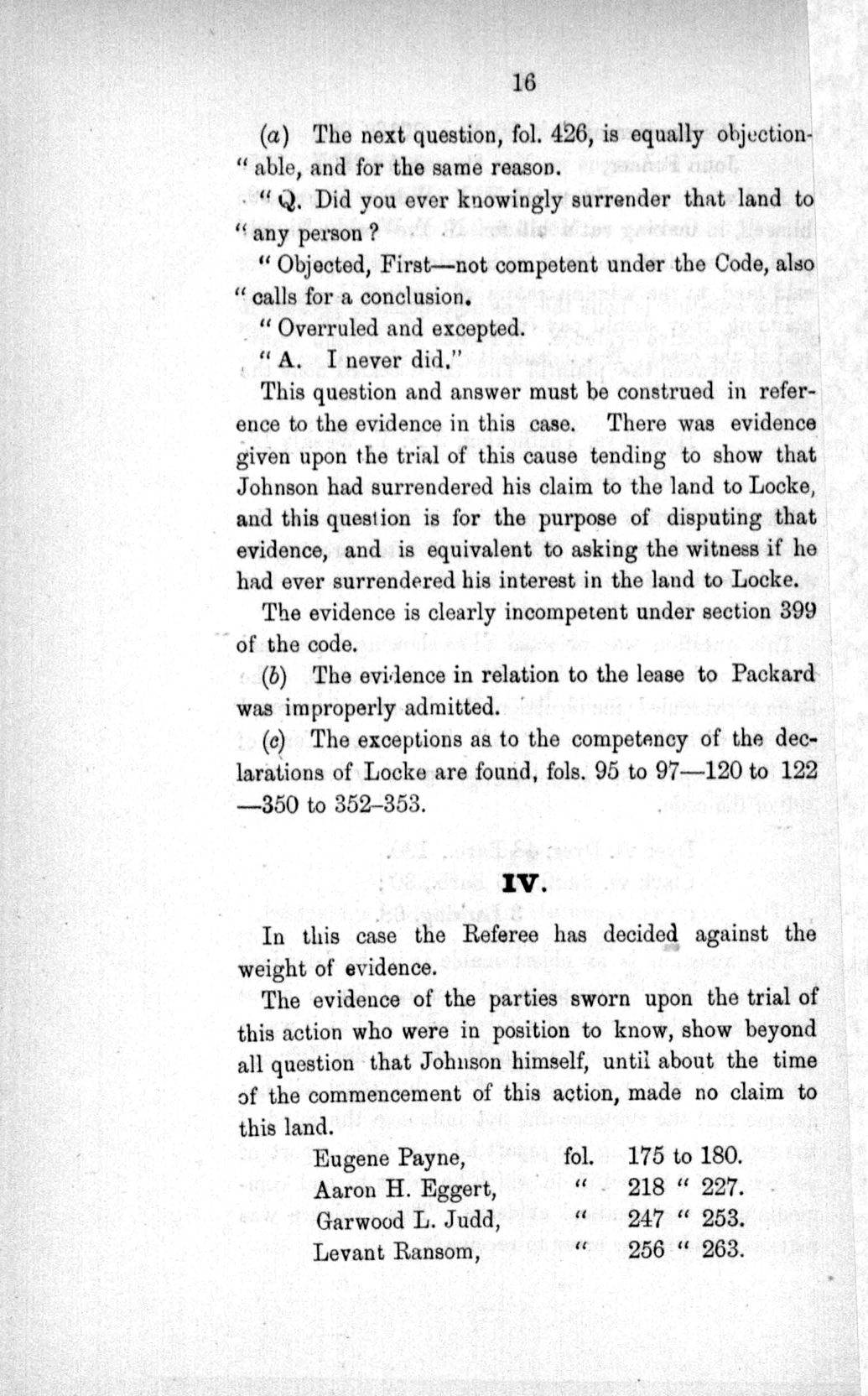
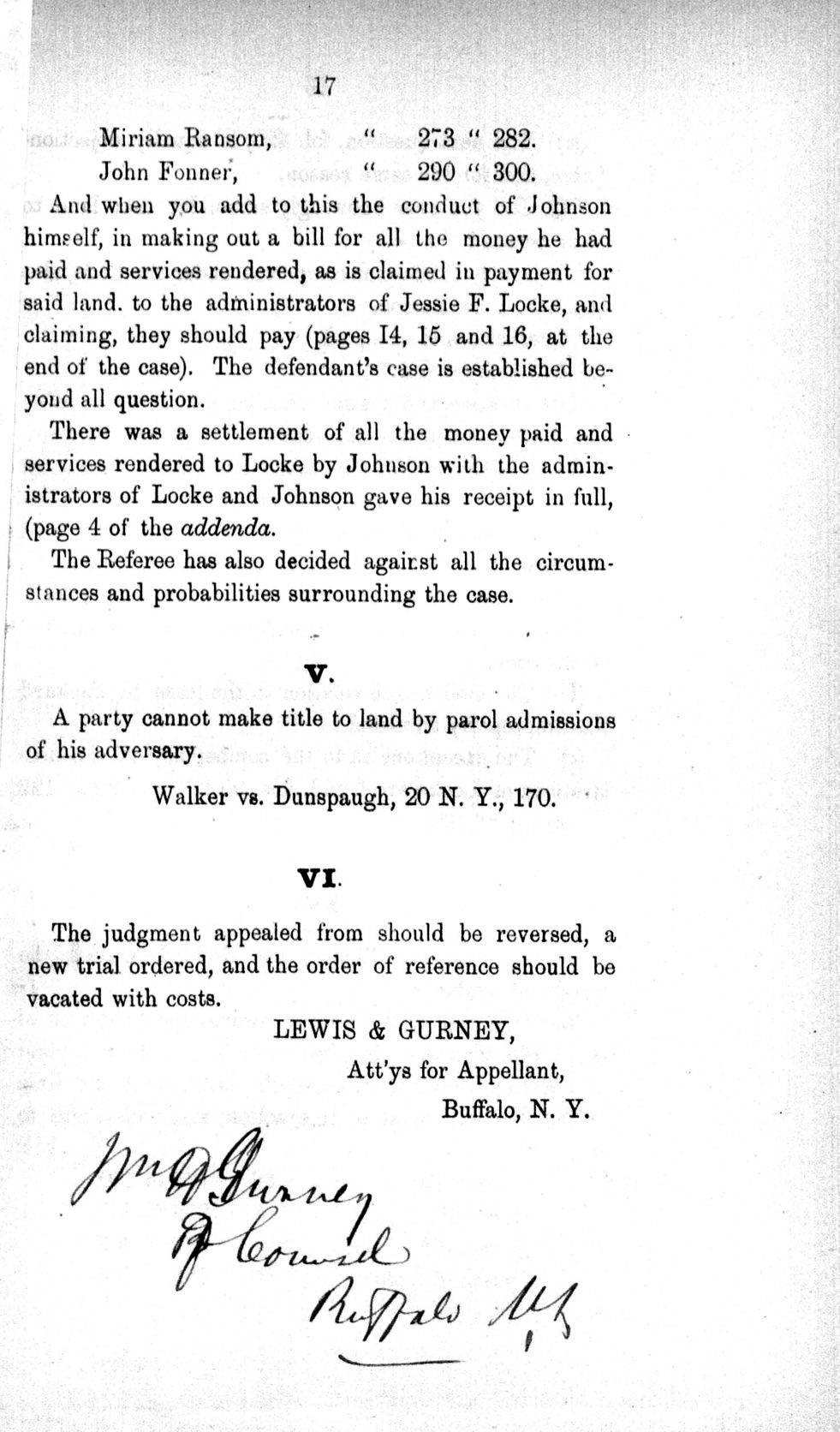
The respondent’s answer on appeal. Chadwick’s side defends the referee’s findings and the judgment recognizing the Johnson claim to the twelve-acre parcel.